Milk Foam
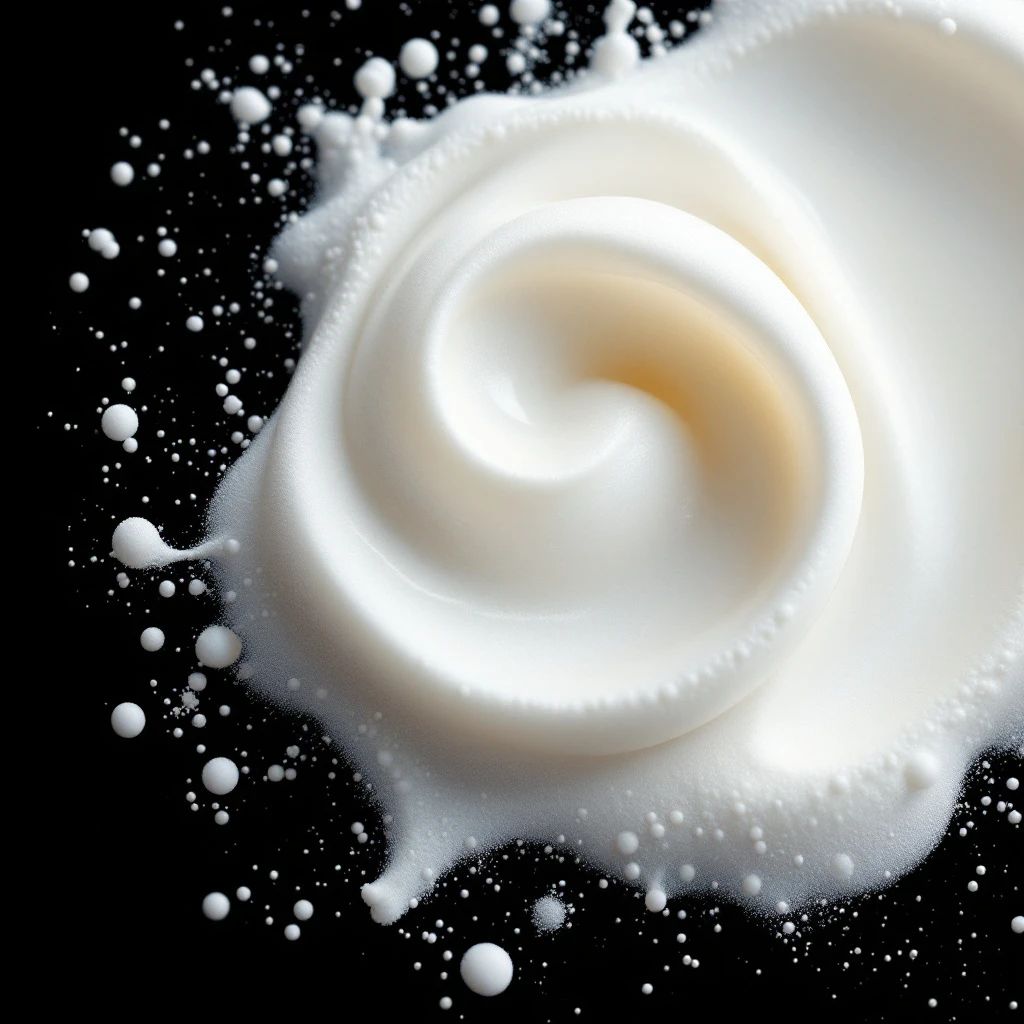
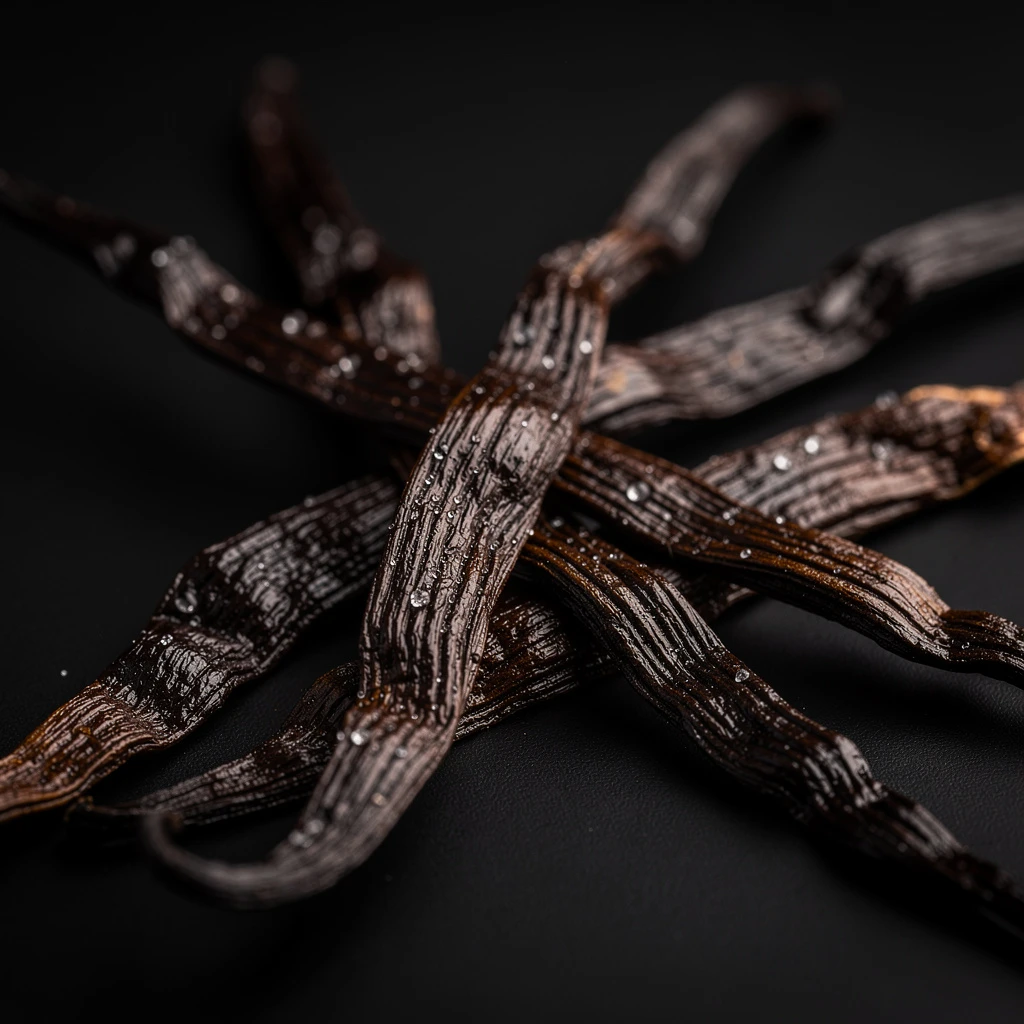
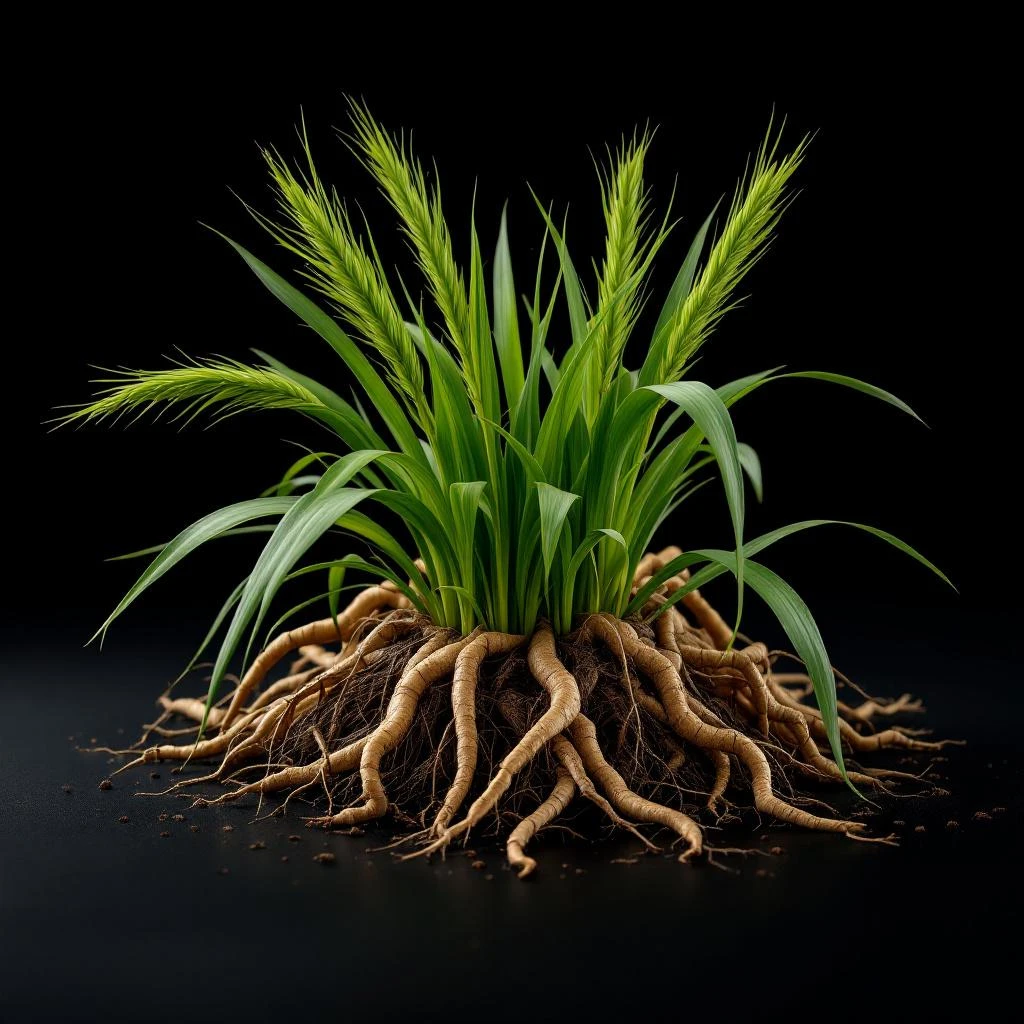
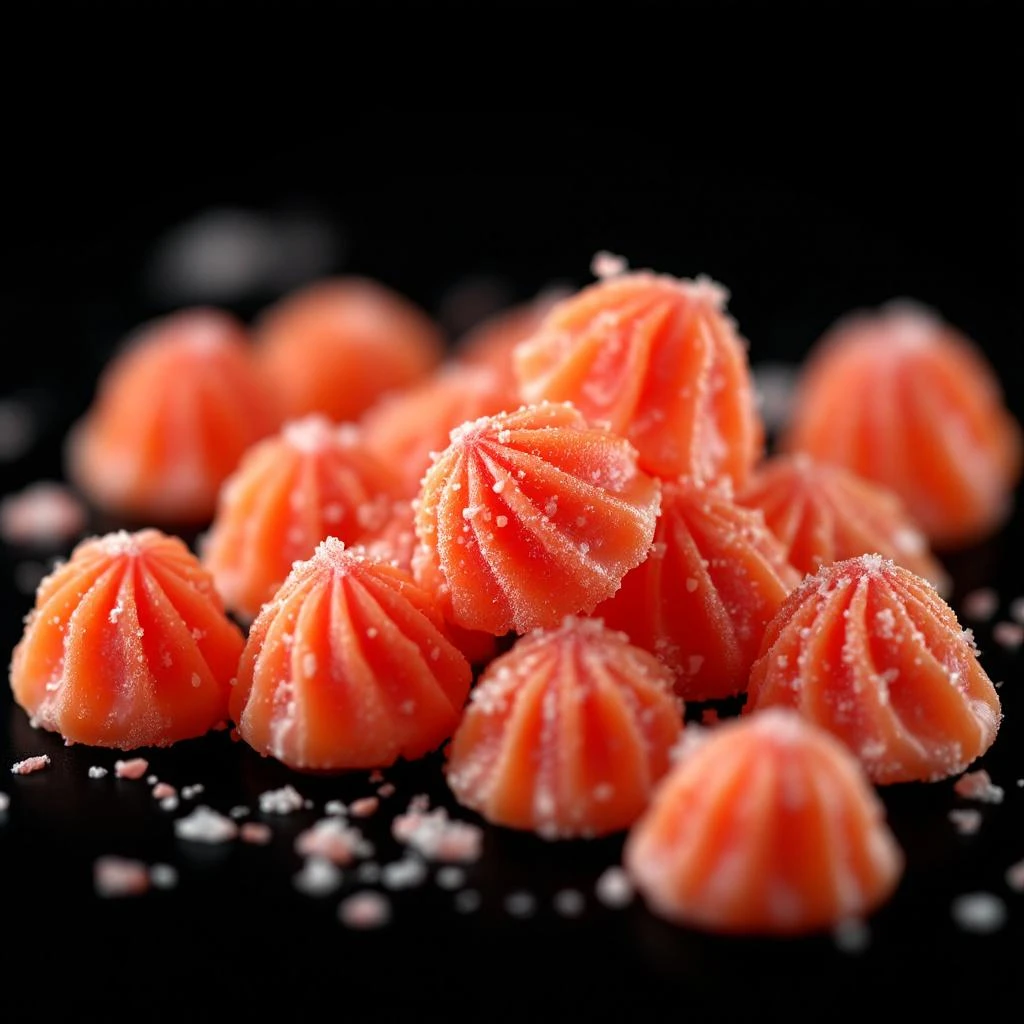
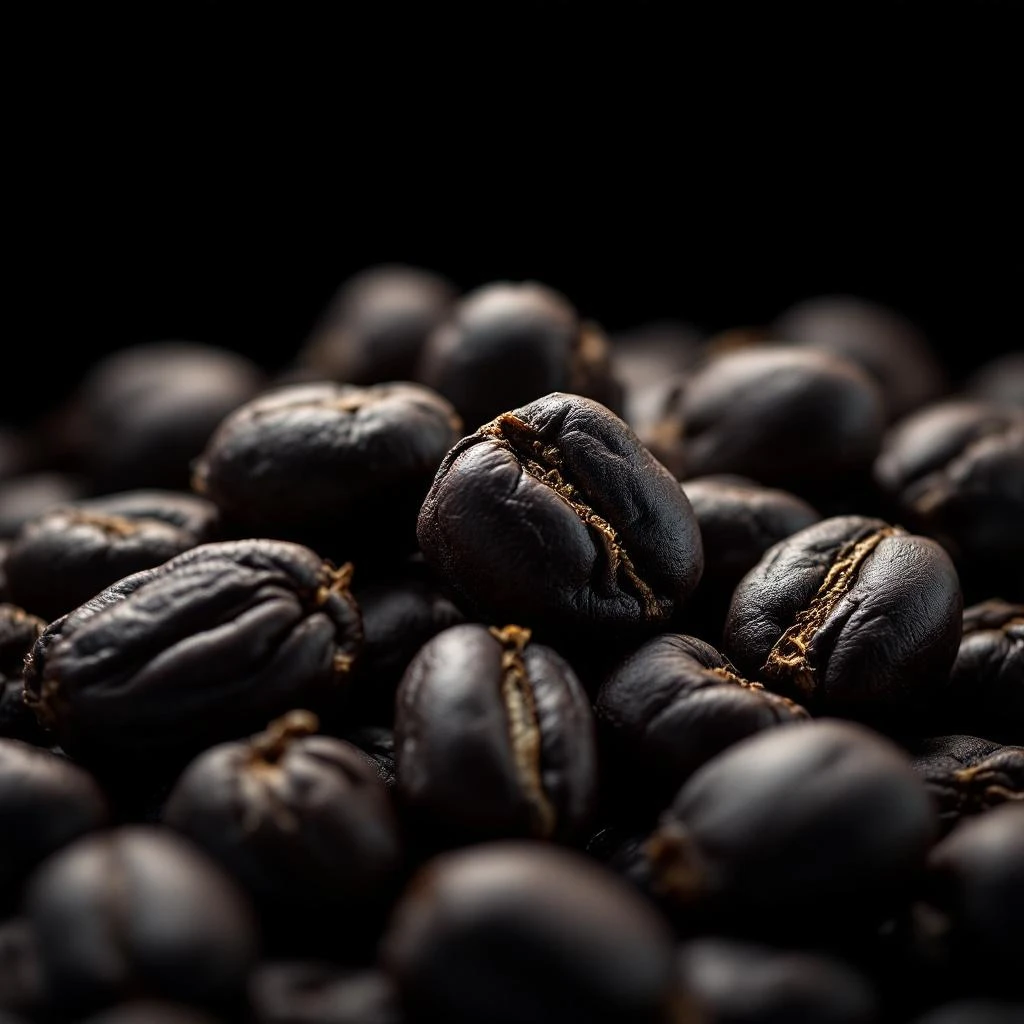
Milk foam captures the warm, airy sweetness of steamed milk capped with a delicate microbubble texture. In perfumery, this accord delivers creamy comfort without weight, adding softness to gourmand and skin scents.
Character
How it smells
Steamed milk meets perfumery.
Lactonic molecules like gamma-decalactone, used to build milk foam accords, were first isolated from ripening peaches in the 1960s before perfumers adopted them for creamy effects.
Origin
Switzerland
The story of milk-scented perfumery begins not with dairy but with fruit chemistry. In the mid-20th century, chemists studying peach and apricot aromas isolated gamma-decalactone, a lactone responsible for creamy stone-fruit sweetness. By the 1970s, this molecule crossed into fragrance labs, where perfumers realized it could evoke milk without literal dairy.
The lactonic family grew throughout the late 20th century as houses like Givaudan and IFF developed new molecules, coconut-like delta-decalactone, buttery diacetyl, and rice-milk aldehydes, that each captured a different texture of warmth. The specific 'milk foam' category emerged in the 2000s as gourmand perfumery exploded, with houses seeking lighter, frothier interpretations of creamy notes. Avant-garde perfumer Francis Kurkdjian's work on 'milky' accords and the rise of Korean skincare-inspired fragrances cemented milk foam as a distinct olfactory territory.
Today it represents one of perfumery's youngest constructions, born entirely from synthetic chemistry in service of evoking edible comfort.
Wears it best
Fragrances featuring Milk Foam
Brands
Brands known for Milk Foam
Good to know
Questions, answered
The essentials on Milk Foam in perfumery: how it smells, where it comes from, and how it behaves on skin.
What does milk foam smell like in perfume?
Milk foam smells creamy, airy, and lightly sweet, like steamed milk with a subtle frothy lift. It reads warmer and softer than plain milk notes because perfumers add aldehydes to mimic the bubble texture rather than liquid weight.
Is milk foam a natural or synthetic fragrance ingredient?
Milk foam is entirely synthetic. No natural extraction captures the scent of steamed milk, so perfumers construct the accord from lactones such as gamma-decalactone and supporting aldehydes developed in fragrance laboratories.
Which molecules create the milk foam effect?
Gamma-decalactone is the primary molecule behind milk foam accords. It is supported by cis-3-hexenol derivatives for airy freshness, plus trace coumarin or vanillin to add the warm sweetness characteristic of steamed dairy.
When did milk foam first appear in perfumery?
The milk foam category emerged in the 2000s during the rise of gourmand perfumery. Its underlying lactone chemistry dates to the 1960s, when gamma-decalactone was first isolated from ripening peaches before being adopted by fragrance houses.
Why is milk foam popular in modern fragrance?
Milk foam became popular because it adds creamy comfort to fragrances without the heaviness of traditional gourmand notes. Its airy, skin-like quality complements the minimalist style favored by Korean and Japanese fragrance markets since 2015.
Which fragrance families use milk foam?
Milk foam belongs primarily to the gourmand and skin scent families. It also appears in soft florals, where it rounds off sharp petals, and in musky bases where it provides a creamy, comforting anchor beneath lighter top notes.
Does milk foam contain any animal-derived ingredients?
No. Milk foam accords are vegan-friendly and contain no dairy, animal musks, or animal-derived carriers. The scent is built entirely from synthetic aroma chemicals, making it suitable for vegan and cruelty-free fragrance formulations.
Is milk foam long-lasting on skin?
Milk foam typically lasts 3-5 hours on skin. Modern formulations sometimes use microencapsulation techniques to slow release, extending the creamy lactonic effect into the late drydown without overwhelming fresher top notes.