Milk Bread
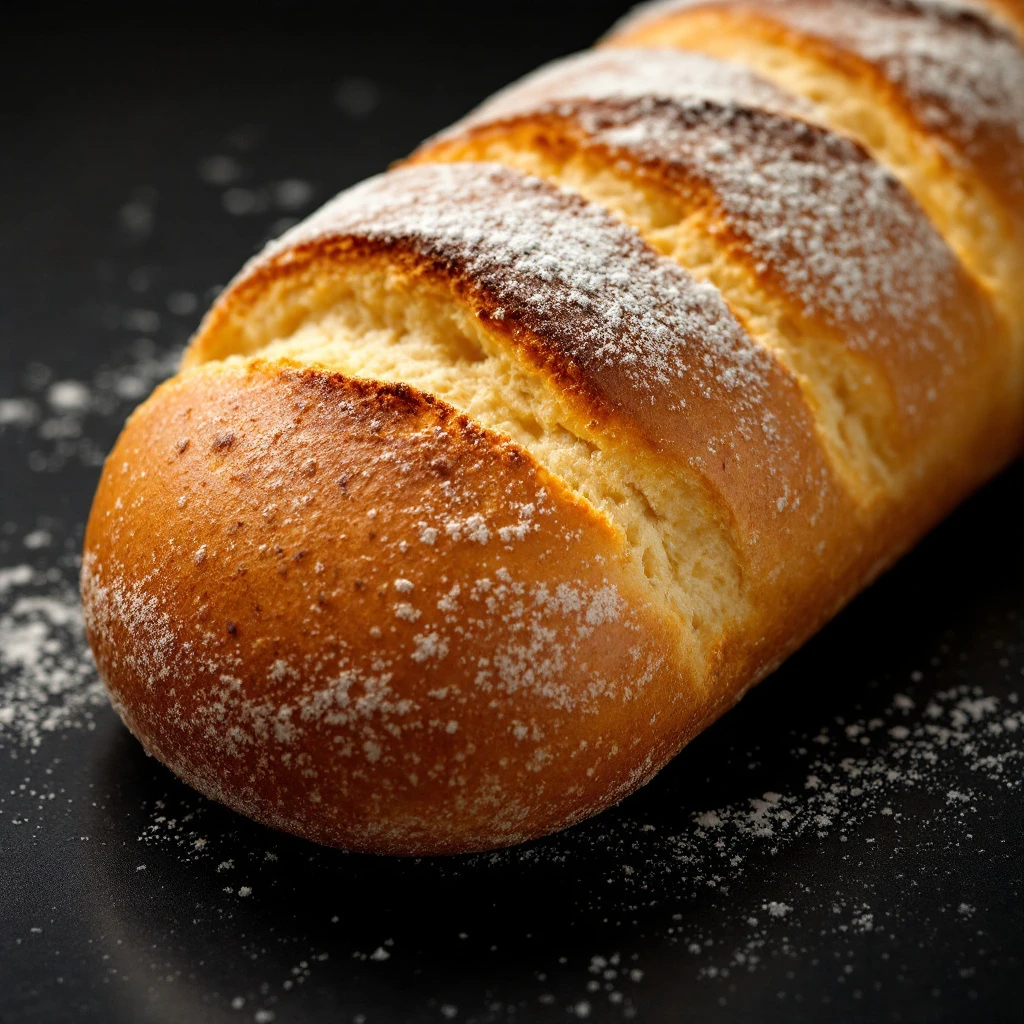
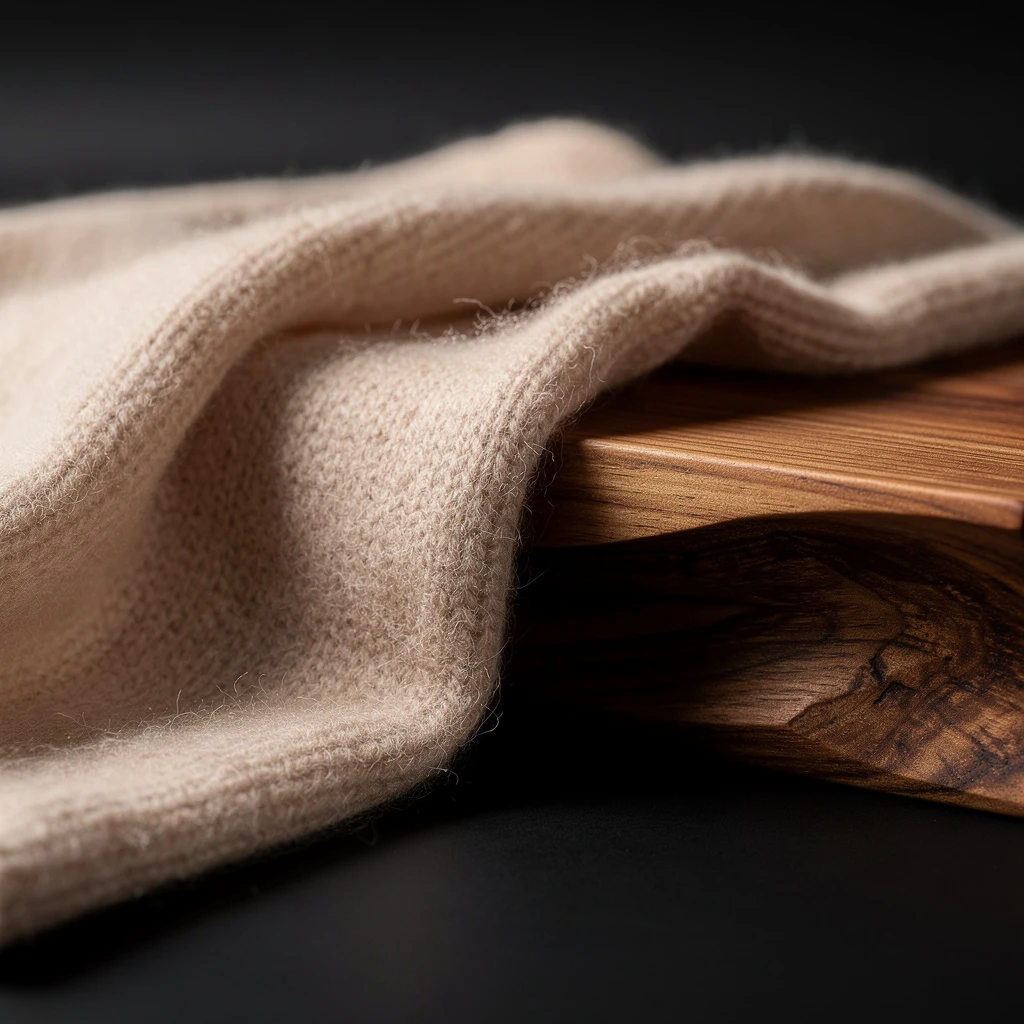
Warm, yeasty, and softly sweet: milk bread captures the aroma of a just-baked loaf cooling on a wooden board, blending creamy dairy notes with golden crust.
Character
How it smells
Fresh loaf, warm crumb
Japanese shokupan, the inspiration for many milk bread accords, contains a tangzhong starter that gives the crumb its pillowy, custard-like softness.


Origin
Japan (cultural inspiration)
Gourmand fragrances, the category milk bread belongs to, emerged only in the early 1990s. Thierry Mugler's Angel (1992) broke the long-standing perfumery taboo against edible smells, proving that notes like chocolate, caramel, and honey could anchor a serious composition. Bready, yeasty accords arrived shortly after, first as accents in oriental fragrances, then as full thematic notes.
The rise of milk bread specifically reflects growing global fascination with East Asian baking traditions, particularly Japanese shokupan and Korean milk bread, both celebrated for their cloud-like crumb and gentle dairy sweetness. Before synthetic aroma chemicals, perfumers could not reproduce baked goods convincingly. The development of pyrazine derivatives in the mid-20th century, originally studied for roasted-coffee research, gave perfumers their first reliable tool for warm, toasted notes.
Today milk bread sits within a wider movement of comfort-driven perfumery, where wearable warmth and kitchen nostalgia shape new launches.
Wears it best
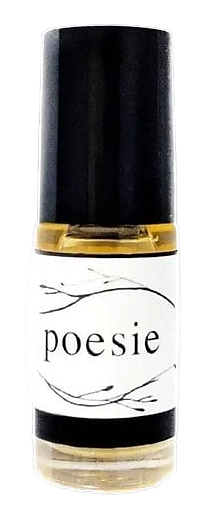
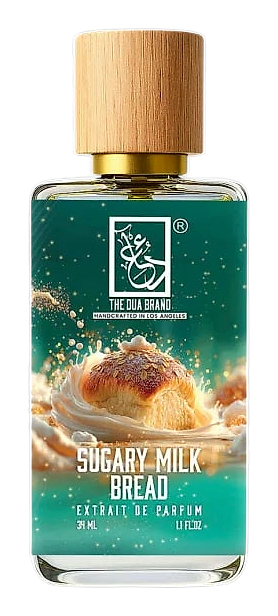
Fragrances featuring Milk Bread
Brands
Brands known for Milk Bread
Good to know
Questions, answered
The essentials on Milk Bread in perfumery: how it smells, where it comes from, and how it behaves on skin.
What does milk bread smell like in perfumery?
Milk bread smells warm, yeasty, and softly creamy, blending fresh-baked dough with a milky, faintly sweet finish. The accord pairs lactonic dairy notes with golden-crust undertones for a comforting, edible effect.
Is milk bread a natural ingredient?
Milk bread is not extracted from a plant or animal. It is a reconstructed gourmand accord built in laboratories from synthetic aroma chemicals such as lactones, coumarin, and pyrazines, sometimes blended with dairy absolutes.
Where does the milk bread scent come from culturally?
The scent draws inspiration from East Asian baking, especially Japanese shokupan. This loaf, made with a tangzhong roux starter, has a custard-soft crumb that defines the creamy, pillowy character perfumers seek to recreate.
When did bready notes first appear in perfume?
Bready, edible accords entered mainstream perfumery after 1992, when Thierry Mugler Angel proved gourmand notes could anchor a serious composition. Pure bread and bakery themes followed throughout the late 1990s and 2000s.
What chemicals create a bread smell?
Pyrazines and furfuryl mercaptan produce toasted, crusty notes at trace levels, while coumarin adds warm, baked sweetness. These molecules were originally researched for roasted coffee before perfumers adopted them.
Is milk bread safe to wear on skin?
Yes. Milk bread accords use IFRA-compliant aroma chemicals at low concentrations, typically 0.5 to 5 percent of a formula. Most components have been independently assessed and approved for cosmetic use.
Can you extract real milk bread scent from bread?
No. Direct extraction yields inconsistent, short-lived aromatics that do not survive bottling. Synthetic reconstruction gives perfumers a stable, controllable version of the scent that performs reliably in fragrance.
Which perfumes feature milk bread notes?
Several niche launches since 2020 include milk bread or similar bakery accords, though specific formulations vary by brand. Look for gourmand fragrances listing lactones, coumarin, or "bread" and "milk" descriptors in their pyramids.





