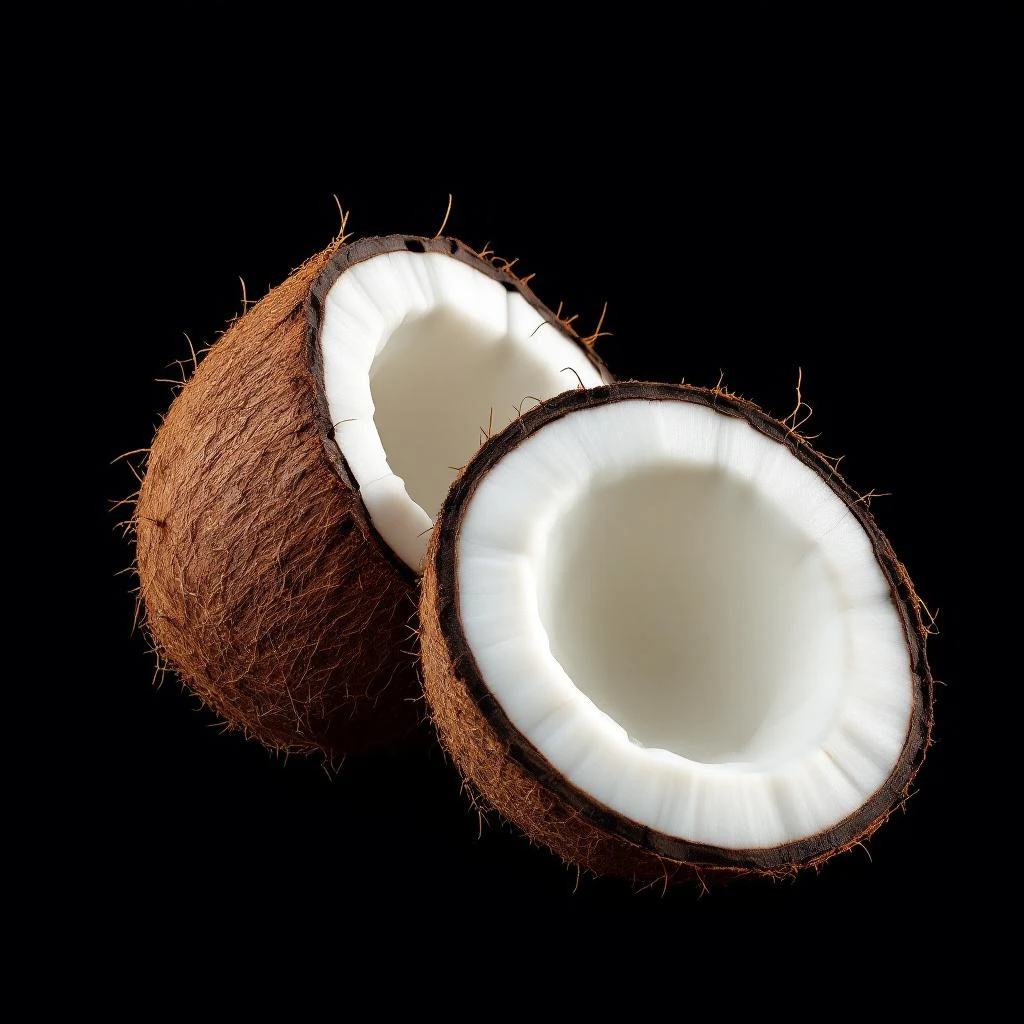
Melon Fizz
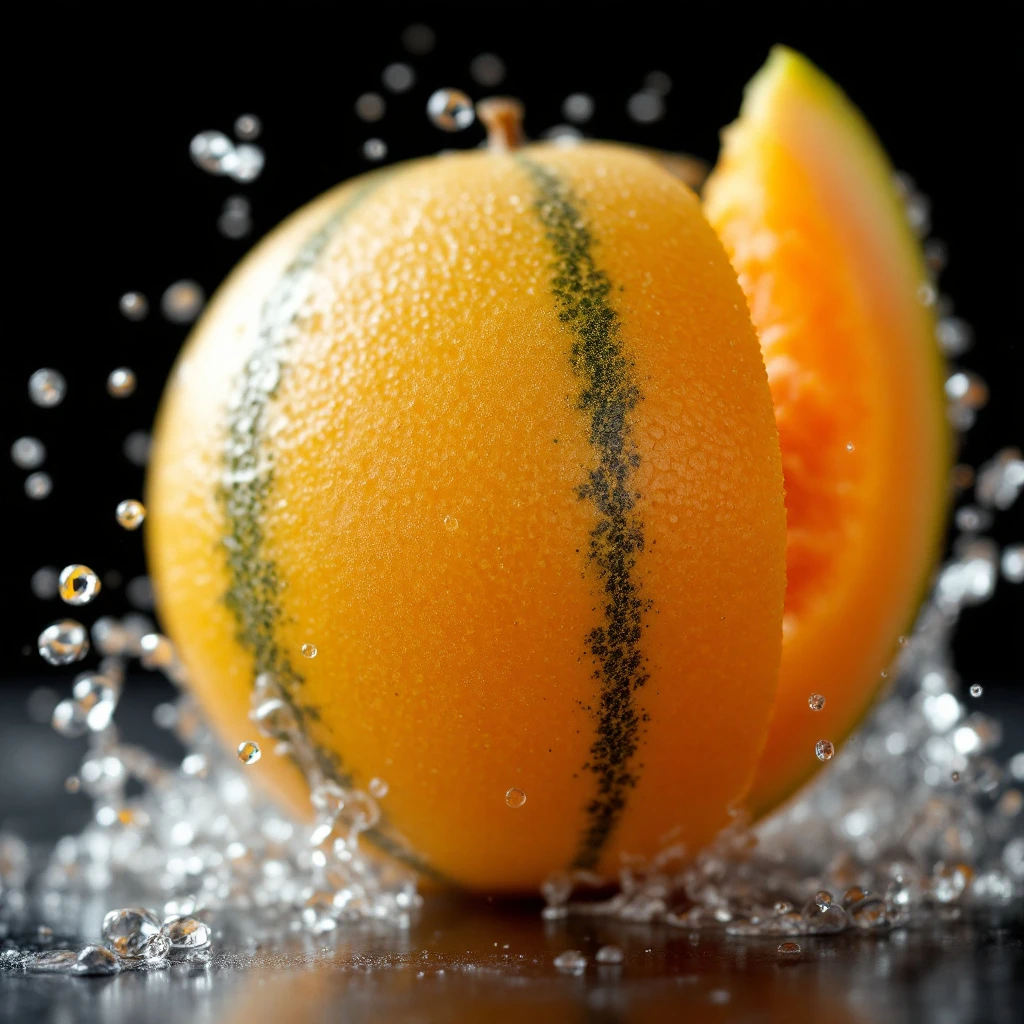
Melon Fizz is a vibrant, effervescent accord that captures the honeyed sweetness of ripe melon flesh with a sparkling, candy-like lift. Think juicy cantaloupe, a burst of green zest, and a clean fizzy shimmer.
Character
How it smells
Ripe melon, caught mid-burst.
True melon aroma is notoriously fragile; perfumers almost always build it from aroma chemicals like Melonal and Zestover rather than distilling actual fruit juice.
Pairs beautifully with


Origin
Global (concept origin: France)
Cucumis melo, the species behind nearly all cultivated melons, was first domesticated in Africa and Asia over 4,000 years ago, with archaeological evidence of melon seeds in Egyptian tombs dating to around 1500 BCE. By the Roman era, melons had spread across the Mediterranean, prized as a refreshing summer fruit rather than a fragrance source.
Melon did not enter perfumery as a recognizable note until the late 20th century, when advances in aroma chemistry allowed labs to isolate and reproduce its delicate top notes. Before that, perfumers who wanted a melon impression had to rely on imaginative blends of green notes, florals, and fruity esters.
The modern Melon Fizz accord rose to prominence in the 1990s alongside a wave of fresh, aquatic, and fruity fragrances aimed at younger consumers. Today it appears in everything from sport colognes to high-end niche compositions, often signaling playfulness, summer energy, and modern youth culture.
Wears it best
Fragrances featuring Melon Fizz
Brands
Brands known for Melon Fizz
Good to know
Questions, answered
The essentials on Melon Fizz in perfumery: how it smells, where it comes from, and how it behaves on skin.
What does Melon Fizz smell like in perfume?
It smells like ripe, honeyed melon flesh with a sparkling, effervescent lift. Expect juicy sweetness, a green watery freshness, and a clean carbonated shimmer on the skin.
Is Melon Fizz a natural or synthetic note?
Almost always synthetic. Real melon yields too little aroma oil to be commercially viable, so perfumers reconstruct the scent using molecules like Melonal and fruity esters.
Which synthetic molecules create a melon effect?
Melonal provides the signature green-melon character, while esters such as ethyl 2-methylbutyrate add juicy ripeness. Aldehydes or top-note boosters supply the fizz.
When did melon first appear in perfumery?
Recognizable melon notes emerged in the late 20th century, gaining major popularity in the 1990s with the rise of fresh, fruity fragrances targeted at younger consumers.
What types of fragrance feature Melon Fizz?
It appears widely in sport colognes, aquatic fragrances, summer florals, and modern unisex compositions where a playful, energetic opening is desired.
How long does Melon Fizz last on skin?
Like most fruity top notes, it lasts roughly 15 to 30 minutes before fading. Perfumers anchor it with musks or woods to extend its presence.
Where does Cucumis melo originate?
Cucumis melo was first domesticated in Africa and Asia, with melon seeds found in Egyptian tombs dating to around 1500 BCE.
Can melon be distilled into a perfume oil?
Not practically. Its flesh is over 80% water and contains only trace volatiles that degrade rapidly, making steam distillation commercially unviable.