Marmalade
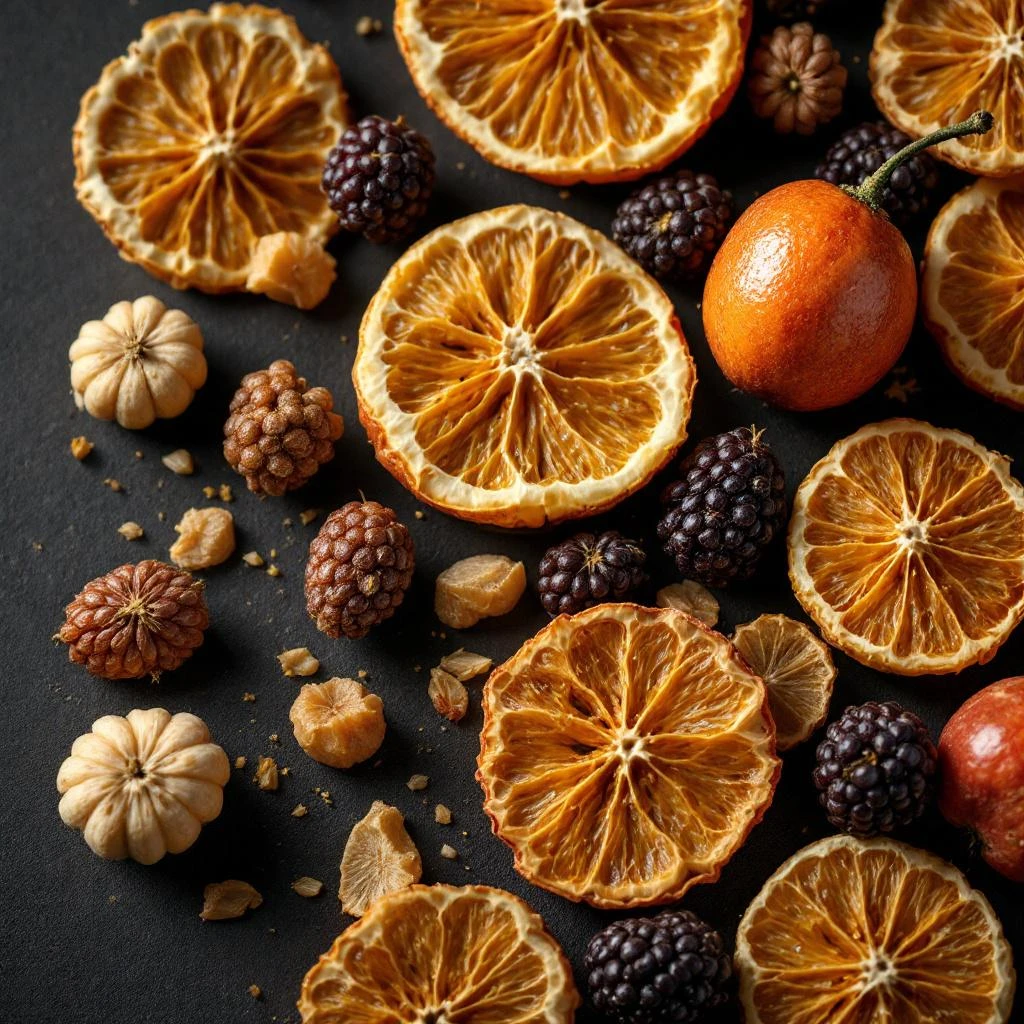
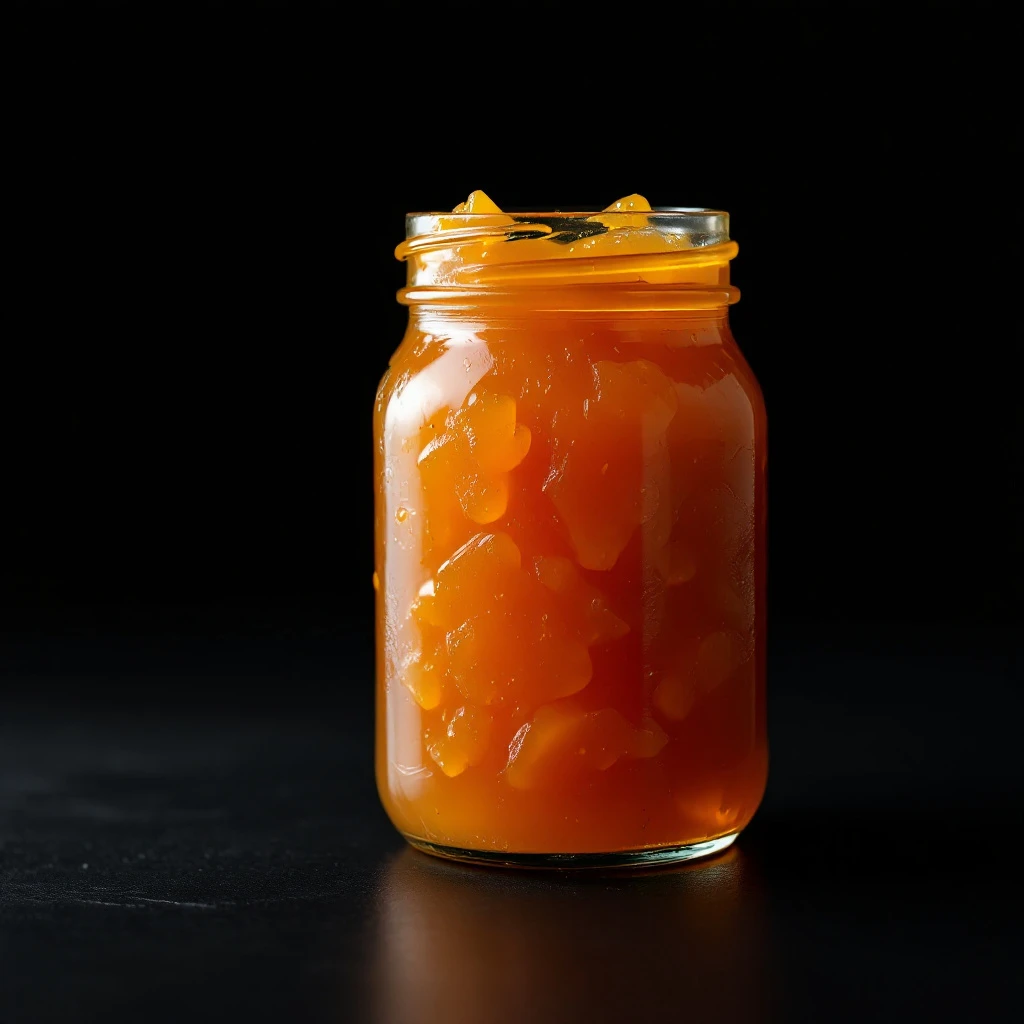
Scent accord evoking candied citrus, particularly Seville bitter orange. Marmalade captures the sweet-jammy warmth of citrus peel simmered to preservation, balanced with a distinctive bitter edge that keeps the sweetness from cloying.
Character
How it smells
The sweet-bitter tension of candied citrus.
The word marmalade derives from Portuguese "marmelo" meaning quince, though the preserve shifted to citrus by the 1500s when sugar became more accessible.





Origin
Spain
Seville became the world capital of bitter orange cultivation when Moorish settlers planted extensive orchards in the 12th century. By the 1500s, these same fruits transformed into candied preserves that travelers carried home, eventually earning the city permanent association with marmalade.
The burnt-sugar aroma of the preserves boiling in copper kettles permeated the narrow streets each winter. British apothecaries first imported these medicinal preserves before the recipe shifted toward breakfast tables.
Perfumers borrowed the orange's versatility, incorporating the peel's aromatic oil, the blossom's floral water, and the candied fruit's jammy character. The orange tree's complete aromatic profile made it an essential material as perfumery professionalized during the 19th century.
Wears it best
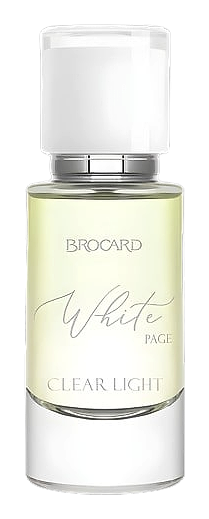
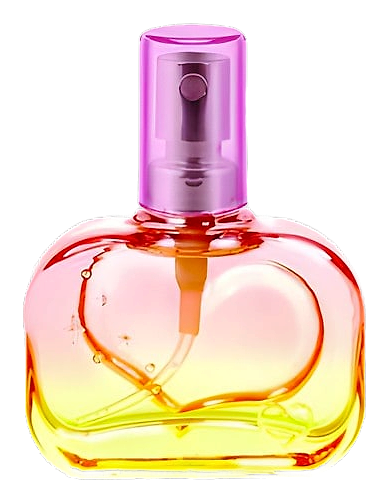
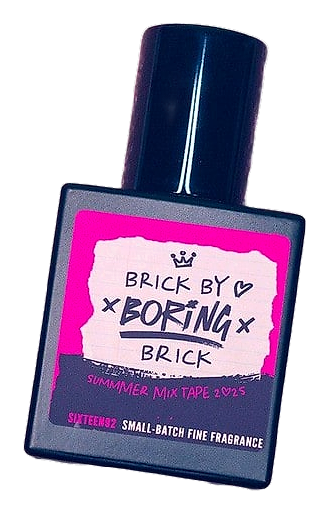
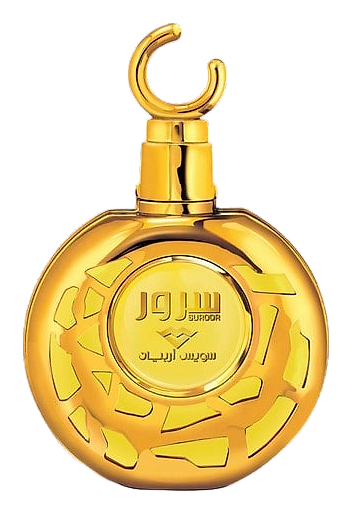
Fragrances featuring Marmalade
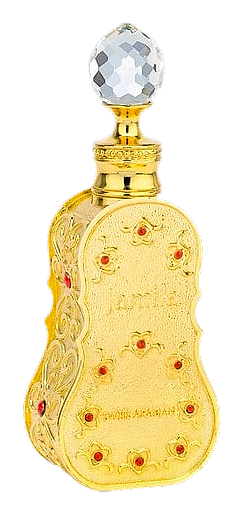
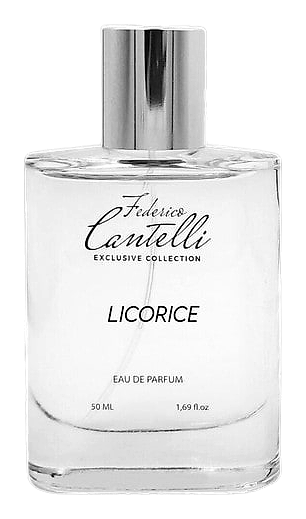
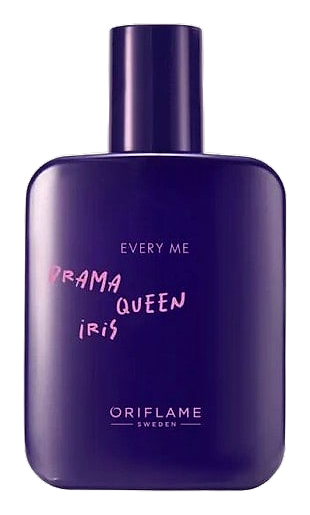
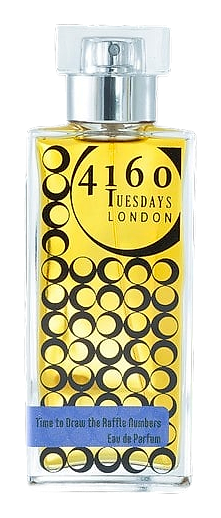

Brands
Brands known for Marmalade
Good to know
Questions, answered
The essentials on Marmalade in perfumery: how it smells, where it comes from, and how it behaves on skin.
Is marmalade a natural or synthetic fragrance ingredient?
Marmalade functions as a constructed accord rather than a single natural material. Perfumers build it by combining natural bitter orange extracts with synthetic aromatic compounds to achieve the full candied-citrus character.
What does marmalade smell like in perfume?
Marmalade presents as sweet, jammy citrus with a distinctive bitter edge underneath. The scent evokes cooked citrus peel with burnt sugar notes and a warm, comforting quality that reads as distinctly British and artisanal.
Which fragrance families commonly use marmalade?
Marmalade appears most frequently in oriental and amber fragrances where its sweetness contrasts with resins and spices. It also features in citrus chypre compositions and modern gourmand fragrances seeking warm, edible warmth.
How long does marmalade last on skin?
Citrus notes typically have moderate longevity of 2-4 hours. Marmalade accords with heavier base materials like benzoin or vanilla can extend wear to 6+ hours, with the initial citrus jammy character fading to reveal deeper notes.
What pairs well with marmalade in fragrance composition?
Marmalade harmonizes with vanilla, tonka bean, and benzoin for sweetness. Woody notes like sandalwood and cedar provide grounding. Spices such as cinnamon, clove, and cardamom add complexity. Neroli and orange blossom enhance the floral-citrus dimension.
Does real marmalade extract exist as a perfumery ingredient?
No true marmalade extract exists. The term describes an accords recreating the scent. Natural materials like bitter orange absolute approximate the aroma, but perfumers supplement with synthetic components to fully capture the cooked, candied character.
Which bitter orange regions produce the finest peel for perfumery?
Seville remains the traditional benchmark for bitter orange quality. Florida produces commercial quantities for the food industry. Secondary origins include Morocco, Tunisia, and the West Indies, each yielding slightly different aromatic profiles.
How does marmalade differ from orange or citrus notes?
Standard citrus notes evoke fresh peel or juice. Marmalade specifically captures the cooked, preserved character with jammy sweetness and caramelized sugar notes. It includes the bitter dimension that fresh citrus lacks, creating a more complex, autumnal quality.