Confetti (sugared Almonds)
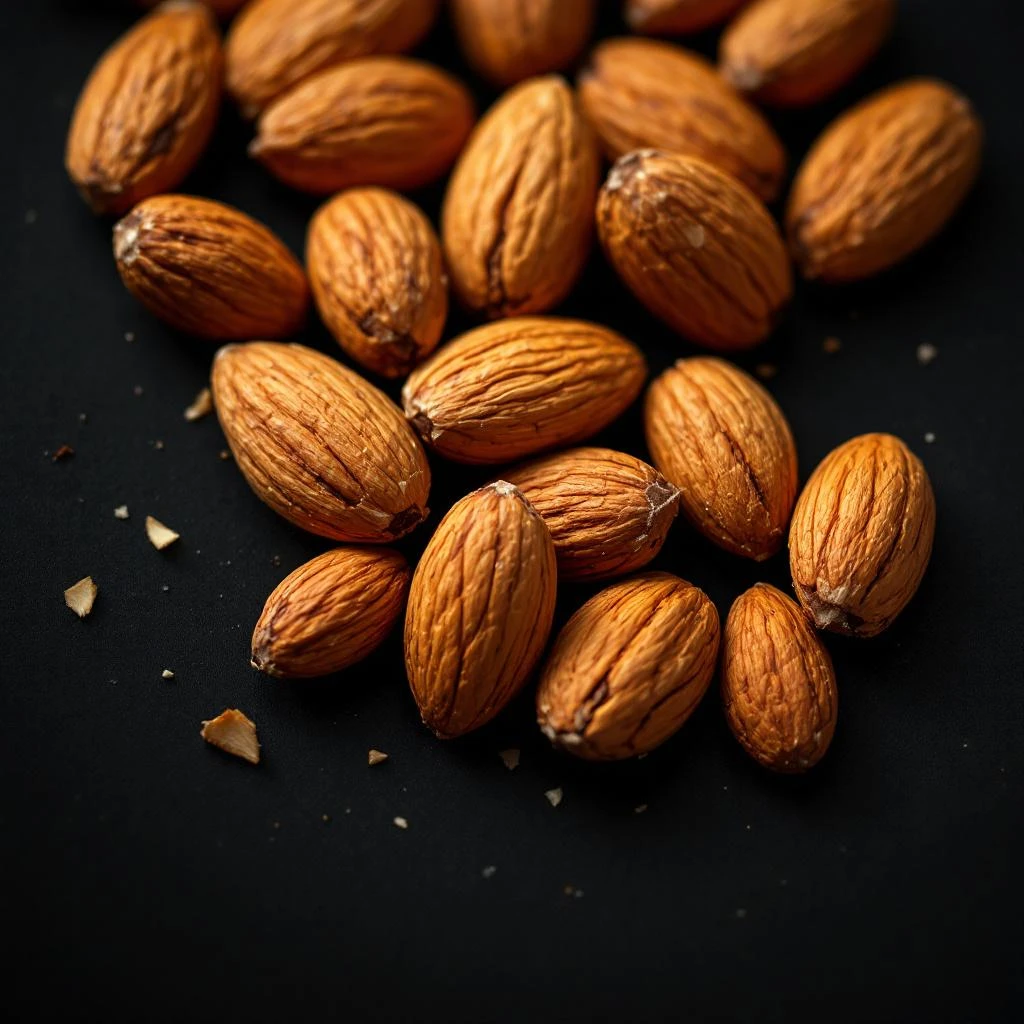
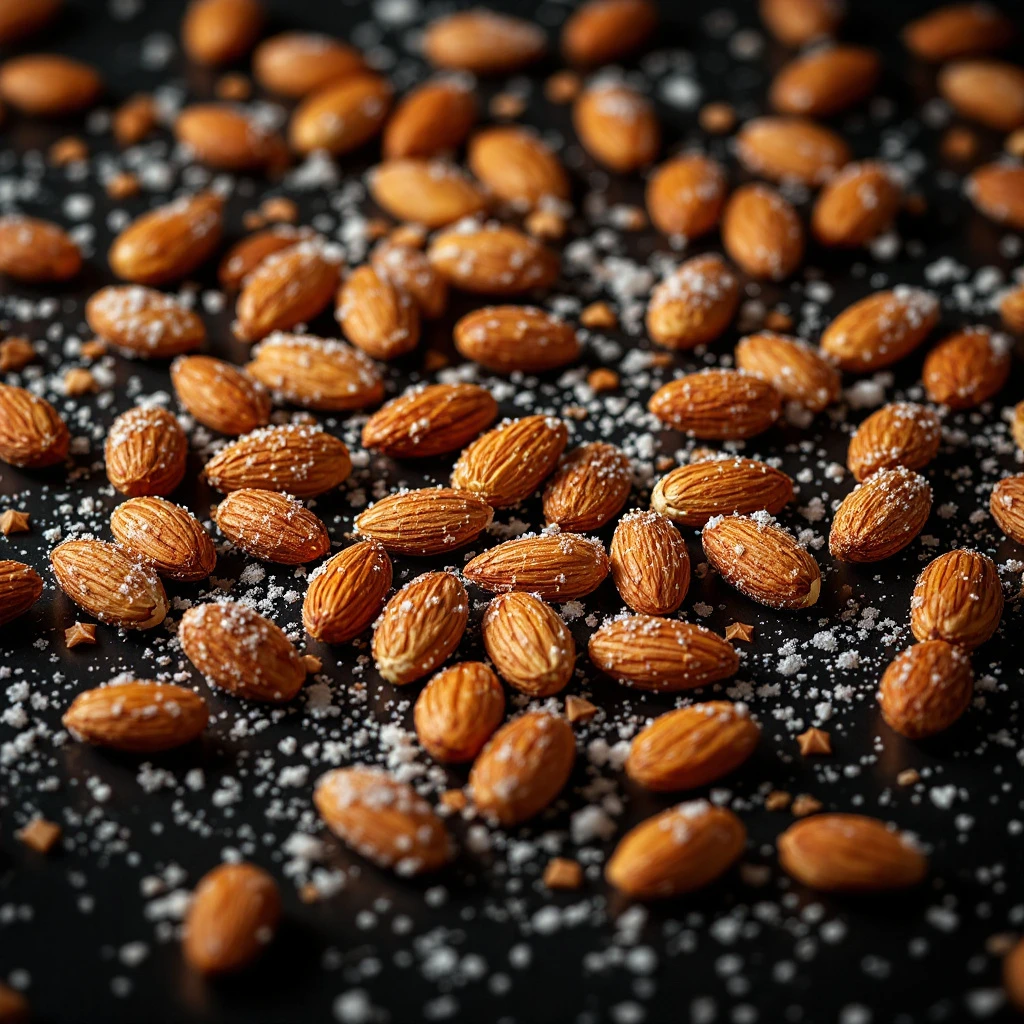
A warm, nostalgic accord that captures the sweet, nutty essence of sugar-coated almonds. The note opens with crystalline sweetness before revealing the toasted heart of roasted almonds beneath a glossy sugar shell. gourmand
Character
How it smells
Sweet crunch and warm nostalgia in one note.
In Italy, confetti symbolize life's bitter-sweetness. Brides traditionally hand them to guests as edible reminders that joy and hardship go hand in hand.





Origin
Italy
Sugared almonds date to ancient Rome, where Julius Dragatus first coated almonds in honey around 177 BC to honor marriages and births. Honey gave way to sugar when Arab traders introduced sugarcane to Europe in the 15th century. The coating evolved from a sticky glaze to the hard, glossy shells we recognize today.
Sulmona, Italy became the spiritual home of confetti production when nuns at the Santa Chiara monastery began hand-dipping almonds in successive sugar syrups, building up translucent layers through repeated coating and drying. The nuns also colored the almonds with natural dyes—pink, white, and pale green—tying them with silk ribbons as wedding favors. In southern France, Verdun's apothecaries crafted medicinal dragees from sugar-coated aniseed and almonds as early as 1220.
These traditions merged over centuries, and sugared almonds—called confetti in Italy, dragees in France, and Jordan almonds elsewhere—became a fixture at celebrations across the Mediterranean and, eventually, the world.
Wears it best
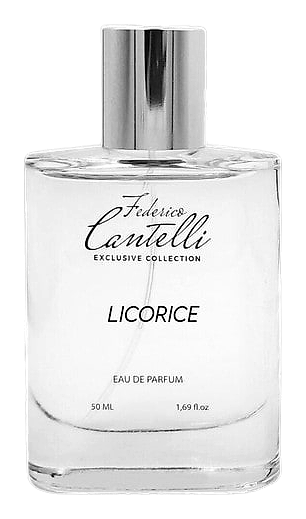
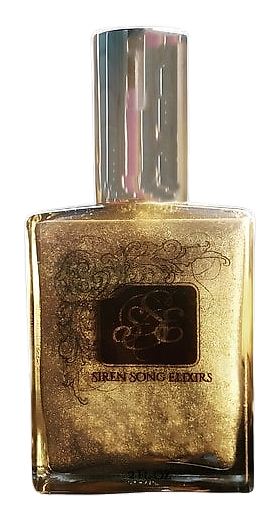
Fragrances featuring Confetti (sugared Almonds)

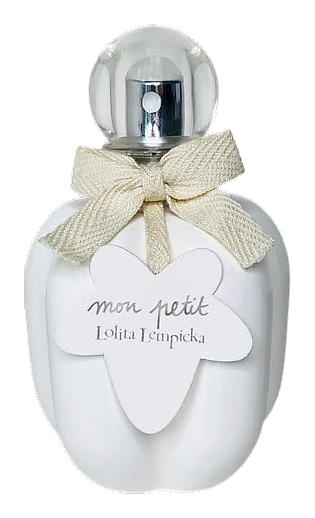
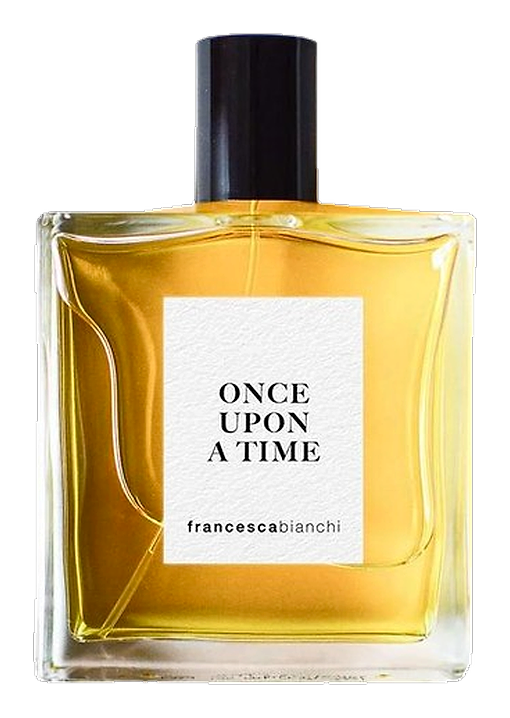
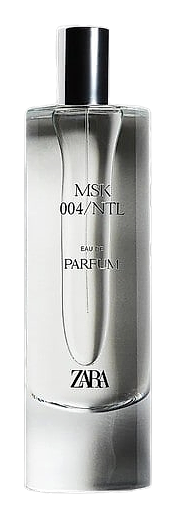
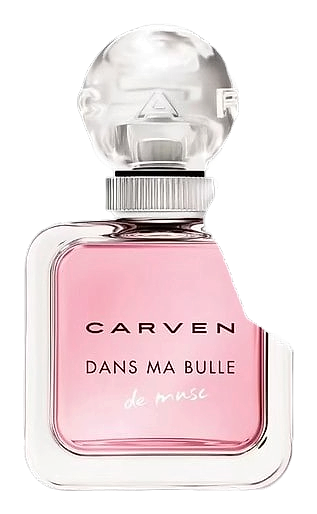
Brands
Brands known for Confetti (sugared Almonds)
Good to know
Questions, answered
The essentials on Confetti (sugared Almonds) in perfumery: how it smells, where it comes from, and how it behaves on skin.
What does confetti smell like as a fragrance note?
Confetti in perfumery smells like the scent of sugar-coated almonds: a sweet, crystalline top note over a warm, nutty almond base. The overall impression is edible, comforting, and slightly powdery—like unwrapping a candied almond.
Is confetti a natural or synthetic fragrance ingredient?
Confetti is a constructed aromatic accord that blends natural and synthetic materials. Natural bitter almond oil and tonka absolute provide the nutty base, while synthetics recreate the glossy sugar coating and sweet top note. No single extraction produces the complete confetti character.
What aromatic compounds make up sugared almond scent?
Benzaldehyde is the signature compound, giving confetti its sweet-almond character. Coumarin adds warmth, while damascenone and furanone derivatives replicate the crystalline sugar note. Together, these create the recognizable sugared almond aroma.
Why are sugared almonds associated with weddings?
The tradition traces to ancient Roman honey-coated almonds given to guests at weddings as symbols of good fortune. The nuns of Sulmona's Santa Chiara monastery refined the practice in the 15th century, making sugar-coated almonds a staple of Italian wedding favors that endures today.
Can bitter almond oil be used safely in perfumery?
Bitter almond oil used in perfumery is processed to remove naturally occurring amygdalin, which converts to hydrogen cyanide. Certified-safe versions contain negligible amygdalin and meet IFRA standards, making them appropriate for use in consumer fragrances.
What notes pair well with confetti in fragrance?
Confetti blends well with white florals like orange blossom, gourmand companions like caramel and praline, and warm woods like sandalwood. It also contrasts interestingly with bitter green notes like galbanum, which cuts through the sweetness.
What foods or beverages smell like the confetti note?
Marzipan is the closest edible analog—it shares the same bitter almond base and sweet sugar coating. The confetti accord also resembles Italian amaretto cookies and the sugar-dusted nougat found in confectionery shops across the Mediterranean.
How long has sugared almond been used in perfumery?
The confection itself dates to 177 BC, but its use as an aromatic note in perfume emerged in the late 19th century, when gourmand and oriental fragrance families began adopting edible accords. Modern confetti accords became common in gourmand perfumery from the 1990s onward.