Maninka
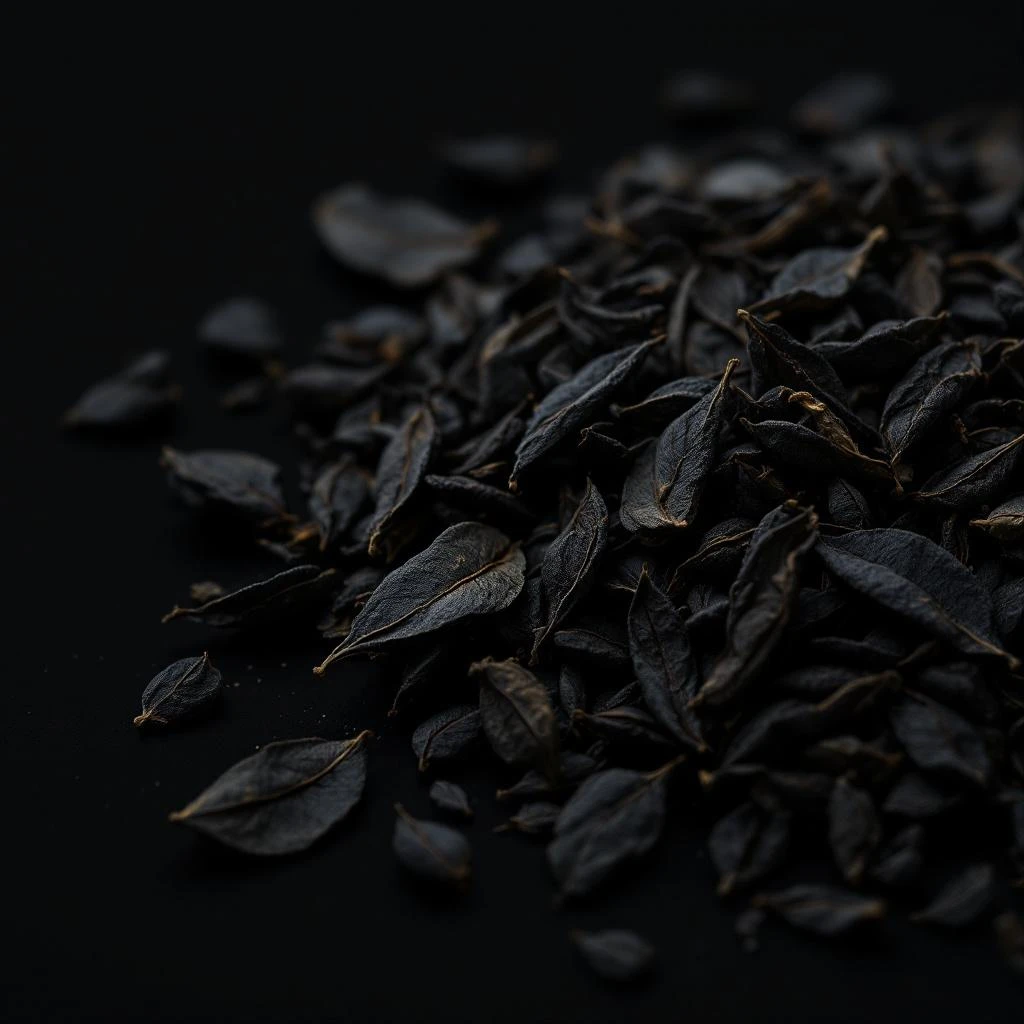
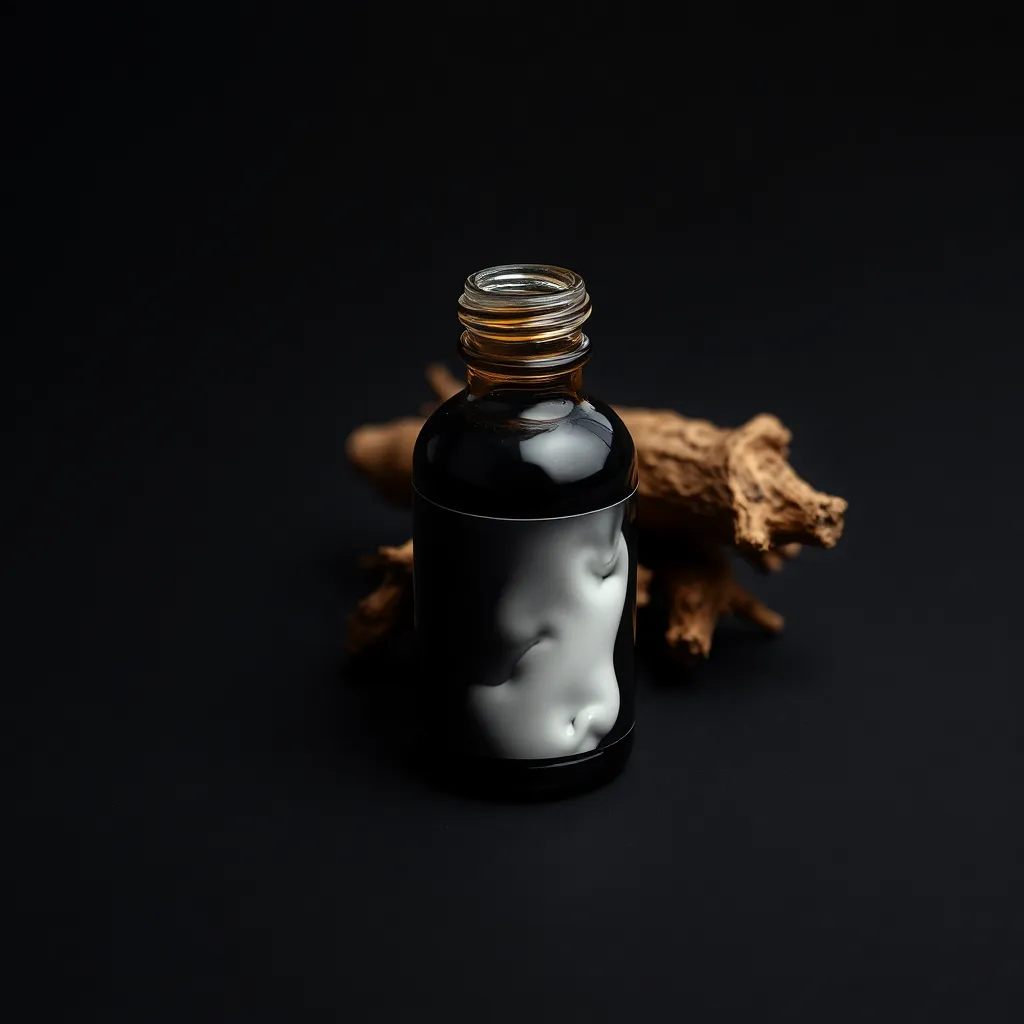
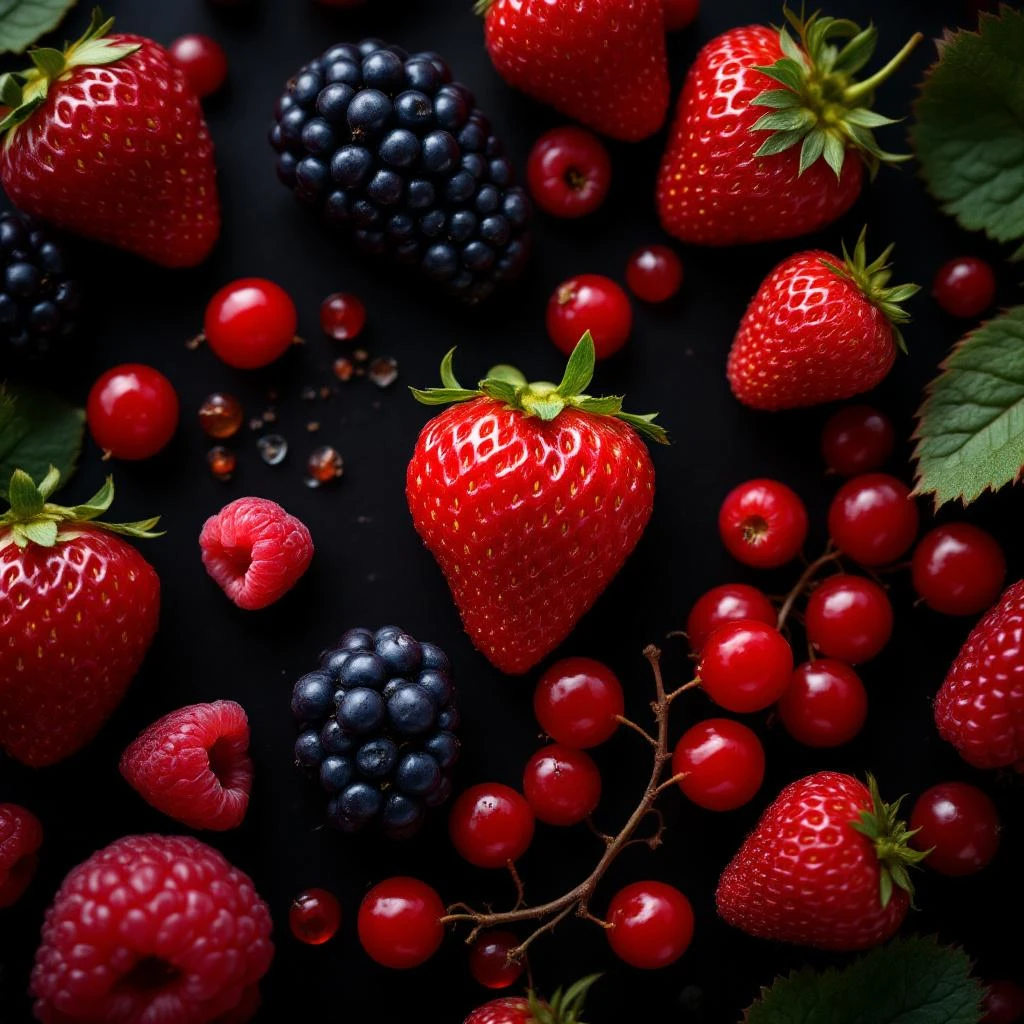
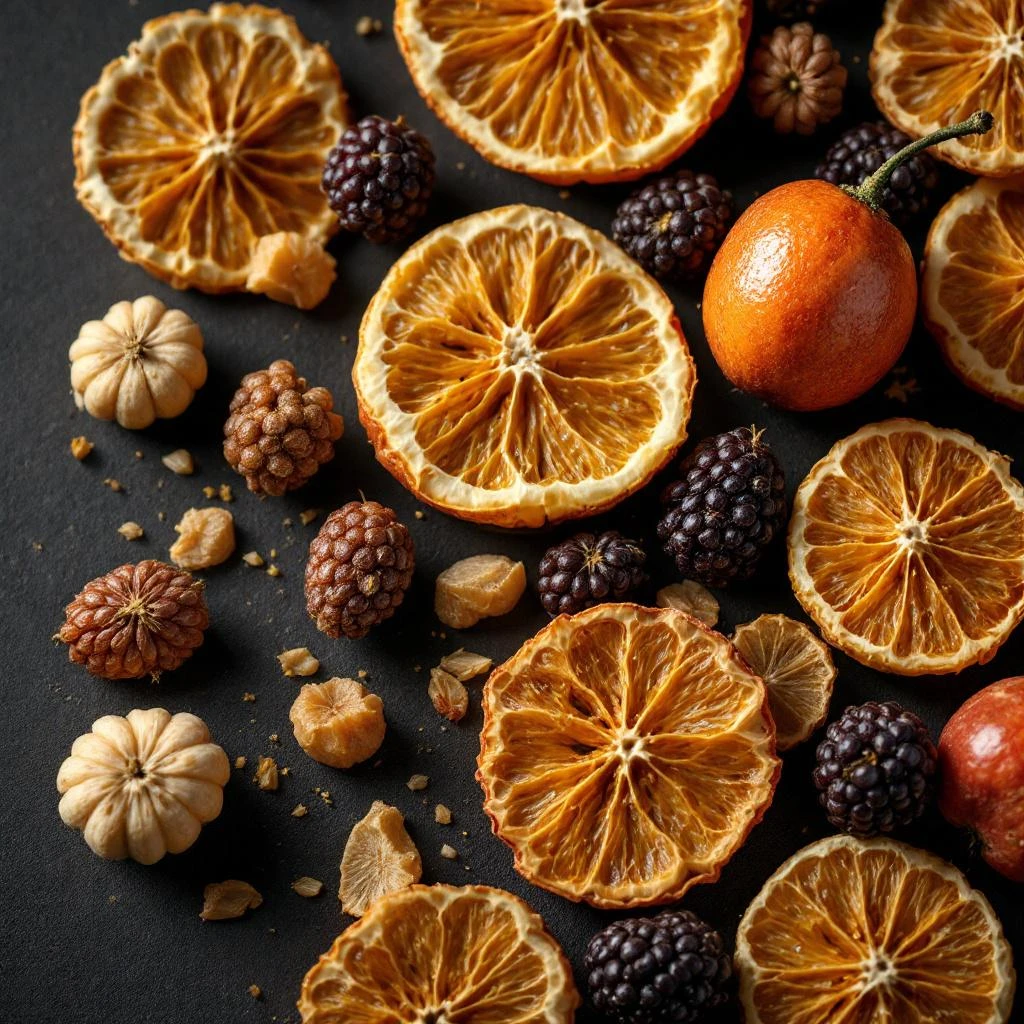
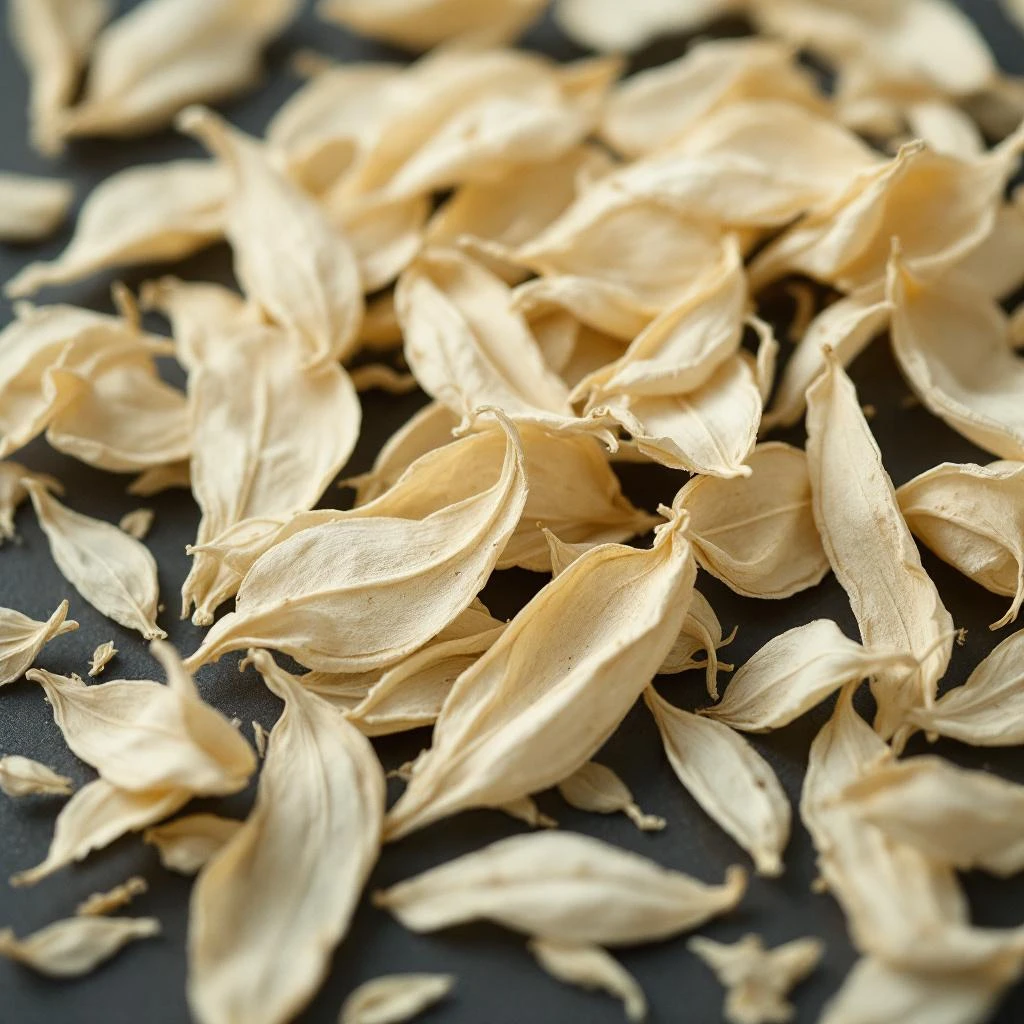
Maninka is a natural aromatic ingredient prized for its exotic tropical fruity profile with warm, exotic undertones. Used primarily as a heart or base note in fine perfumery, it delivers a distinctively African character that brings warmth and unusual fruity complexity to fragrance compositions, particularly in niche and artisanalperfume houses.
Character
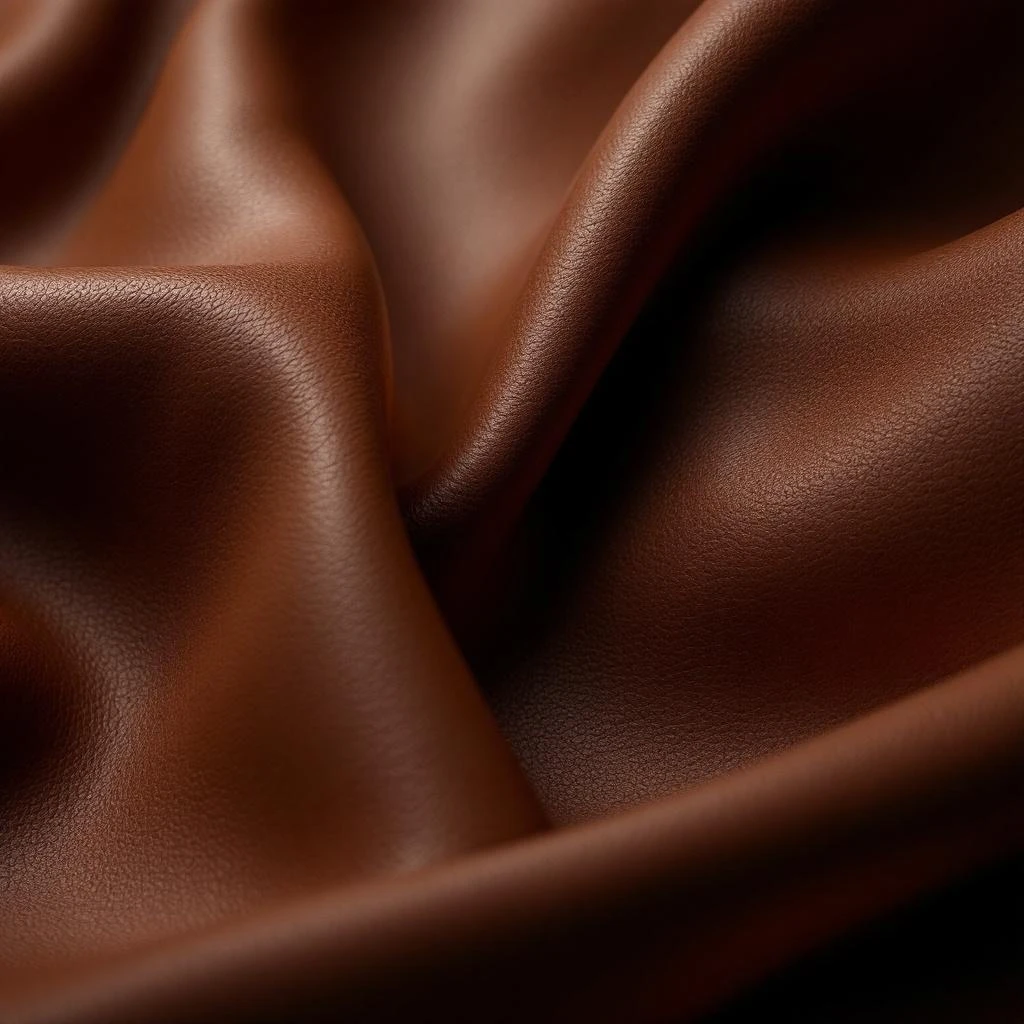
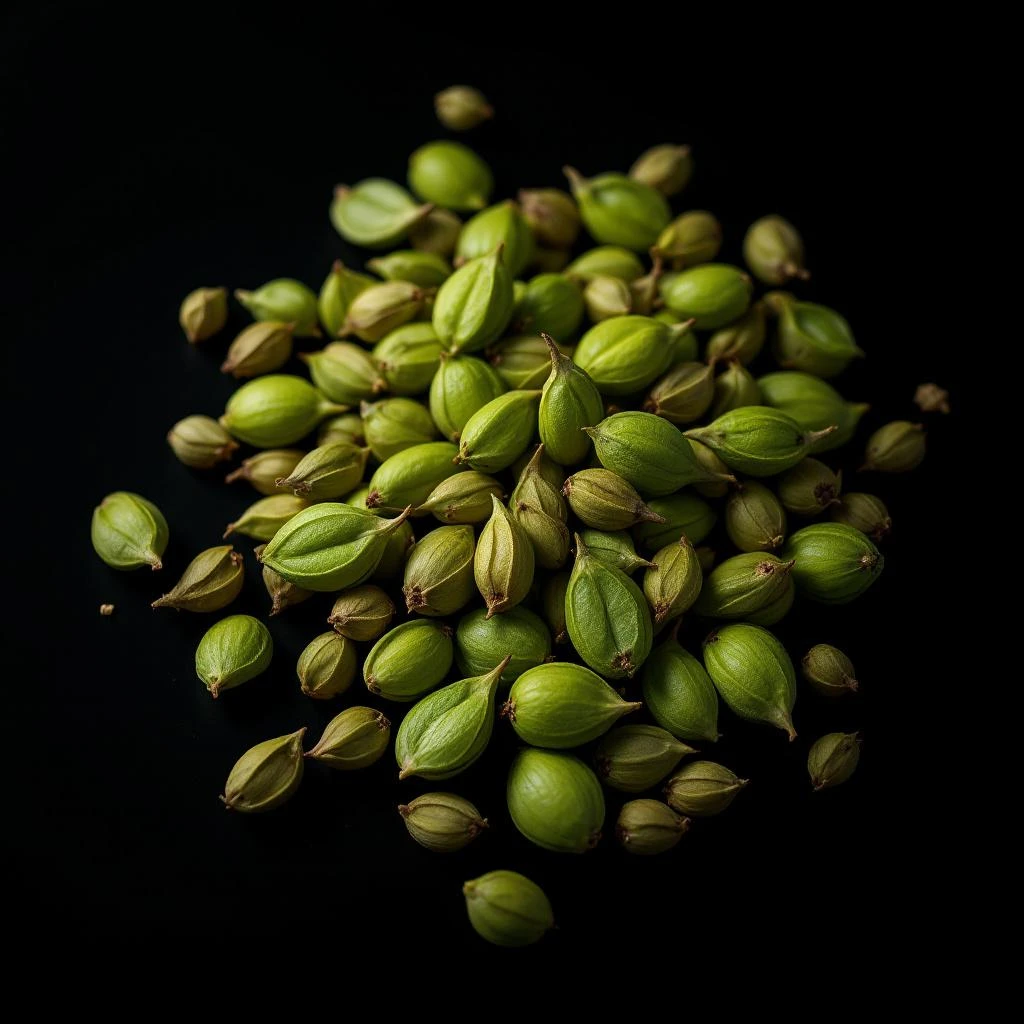
How it smells
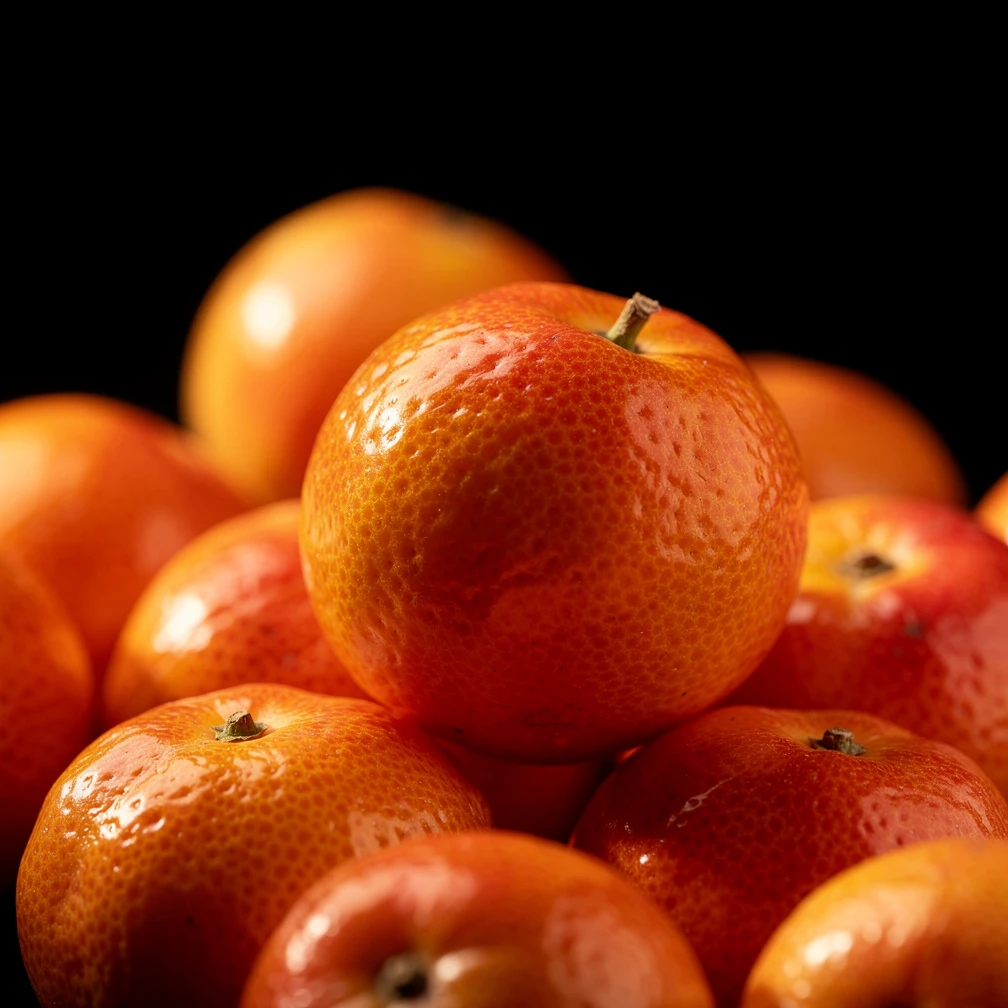
Exotic fruity warmth from the heart of Africa, rarely found.
Africa remains one of the least-documented regions for aromatic biodiversity, with many plant species serving perfumery yet to be formally catalogued by science.




Origin
Tropical Africa
While ancient Egypt, Greece, Rome, Persia, and Arabia each contributed foundational chapters to perfumery's history, the African continent represents a largely untold story in this narrative. African aromatic traditions span millennia of cultural practice, yet Western perfumery histories have frequently overlooked the continent's contributions to global fragrance culture.
Maninka embodies this emerging chapter. As interest grows in previously unexplored botanical regions, perfumers increasingly seek ingredients from Africa's diverse ecosystems. The continent hosts approximately one-quarter of the world's plant species across environments ranging from tropical rainforests to arid Sahelian zones, yet its aromatic heritage remains minimally documented in perfumery literature. Trade routes across the Sahara and along African coastlines historically distributed aromatic materials throughout the Mediterranean world, suggesting commercial aromatic traditions that predate modern Western perfumery. Maninka represents both a specific ingredient and a symbol of this broader re-examination of African botanical heritage, serving as a bridge between traditional cultural use and contemporary fine perfumery applications.
The ingredient's introduction to international fragrance markets reflects a broader shift toward ingredient diversity and origin storytelling in fine perfumery. As niche houses and artisan perfumers explore less-documented botanical territories, Maninka has found its place among rare materials prized for their distinctive character. The ingredient carries cultural significance within its regions of origin while offering perfumers worldwide a means to compose fragrances with authentic African aromatic identity.
Wears it best
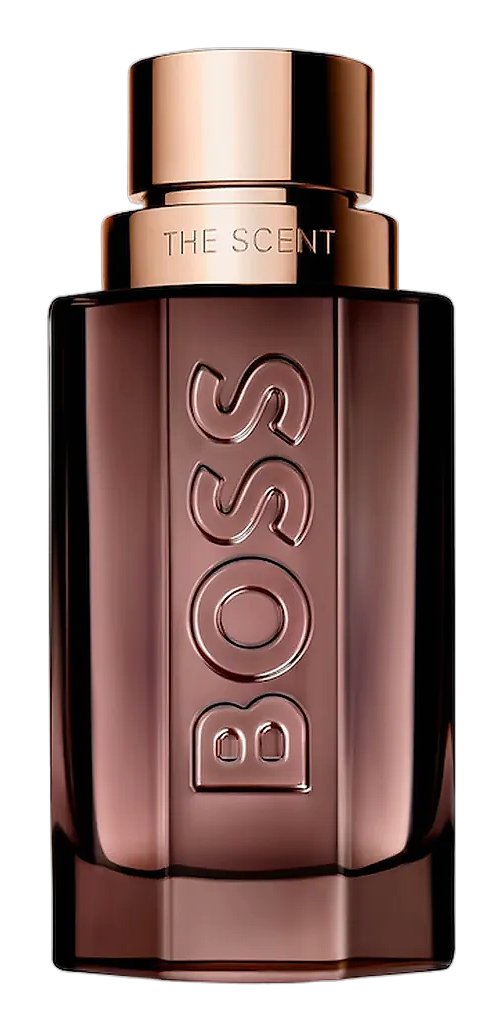
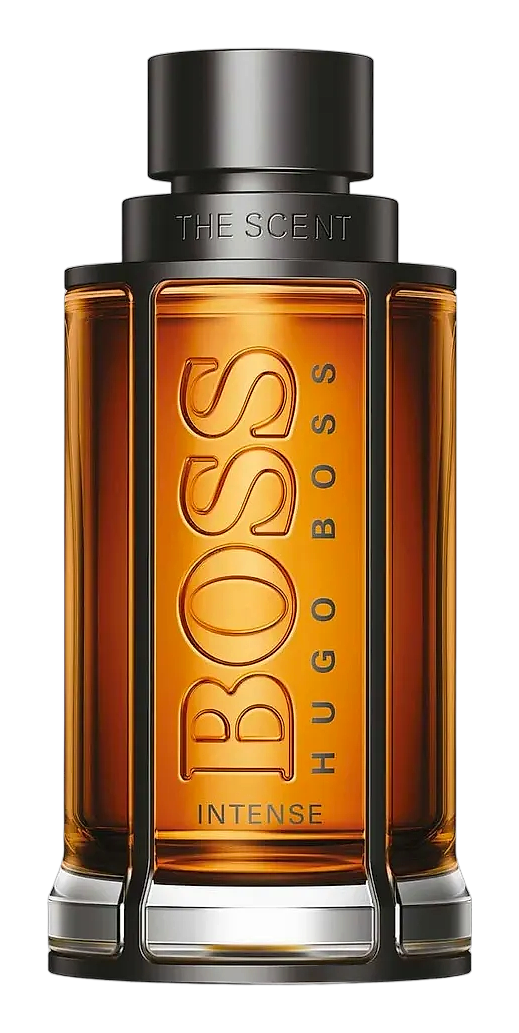
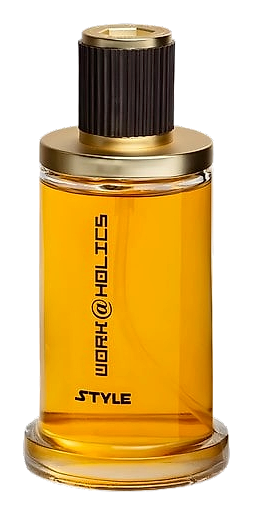
Fragrances featuring Maninka
Brands
Brands known for Maninka
Good to know
Questions, answered
The essentials on Maninka in perfumery: how it smells, where it comes from, and how it behaves on skin.
What does Maninka smell like in perfume?
Maninka presents a distinctive fruity profile with tropical and exotic undertones, delivering warm, warm exotic notes to fragrance compositions. Perfumers describe it as bringing a uniquely African character that adds depth and unusual fruity complexity to blends where it appears.
Why is Maninka used in perfumery?
Maninka is valued for two primary qualities: its rarity and its exotic tropical character. In a fragrance market where differentiation increasingly drives value, this ingredient offers perfumers a means to create signature aromatic experiences with a distinctively African identity, whether used standalone or in African aromatic accords.
Is Maninka in perfume natural or synthetic?
Maninka is a natural ingredient sourced from tropical African flora. Chemical analysis reveals aromatic compounds characteristic of its source botanical family. The exact botanical identification remains less documented in open literature compared to widely-studied fragrance materials.
What famous perfumes contain Maninka?
Maninka is not widely documented in mainstream fragrance databases, which typically track a smaller subset of commercially distributed perfumes. It may appear in niche and artisan fragrances where rare or proprietary ingredients define the composition's character.
Is Maninka a top note, heart note, or base note?
Maninka typically serves as a base note or substantial heart note in fragrance construction. It provides volume, weight, and aromatic longevity to compositions, giving fragrances an exotic foundation that extends the scent experience over time.
What notes pair well with Maninka in perfume?
Maninka pairs well with complementary woody notes including sandalwood and cedar. Warm resinous materials such as frankincense and myrrh align with its depth. Vanillin-rich notes and other exotic florals can enhance its tropical character without overwhelming the blend.
Where does Maninka come from?
Maninka originates from tropical African botanical sources, primarily sourced through suppliers operating in African regions known for rich aromatic plant diversity. Fragrance manufacturers source the raw material through established networks in these regions, though specific geographic sourcing details often remain proprietary.
Is Maninka used in men's or women's fragrances?
Maninka's warm, fruity character lends versatility across fragrance genders. While its tropical and exotic qualities suit both masculine and feminine compositions, it appears more frequently in artisan and niche fragrances where rarity and distinctive character take precedence over traditional gender categorisation.