Mango Skin
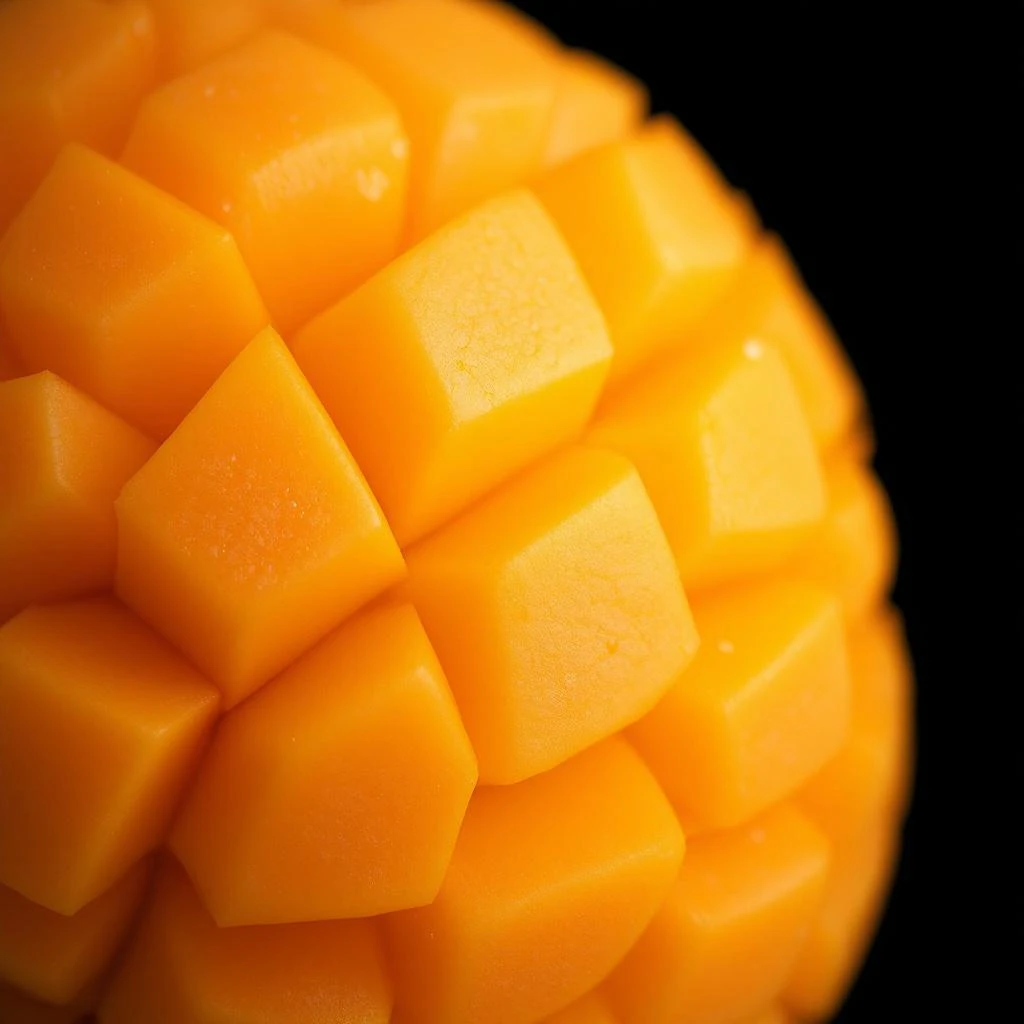
Mango Skin is a vibrant aromatic material that captures the fruit's green, tropical character in perfumery. It provides a juicy sweetness tempered by slightly bitter, resinous undertones from the fruit's outer layer. Perfumers value this material for adding freshness and exotic warmth to summer-forward fragrance compositions.
Character
How it smells
Sun-ripened tropical freshness captured in every drop.
Mango trees can live for over 100 years, and a single mature tree can produce up to 200 fruits in a season, each with aromatic skin rich in character.




Origin
India
Mangoes hold an ancient place in human culture, with cultivation dating back over 4,000 years in South and Southeast Asia. The fruit appears in early Sanskrit texts and was considered sacred in Hindu traditions, where it was associated with prosperity and fertility. Ancient trade routes carried mango seeds along maritime networks, spreading the fruit to East Africa, the Middle East, and eventually to the Americas through Spanish and Portuguese colonial expansion in the 15th and 16th centuries.
The integration of mango into perfumery is a more recent development, emerging as fragrance chemists developed techniques to capture the complex aromatic molecules present in the fruit's skin and flesh. Traditional perfumers initially used whole fruit enfleurage, a process where aromatic materials are placed in contact with fat to absorb their scent. Modern solvent extraction allows for greater precision in capturing specific aromatic fractions, making mango skin a reliable ingredient in contemporary fragrance production.
Today, mango remains deeply embedded in tropical cultures where it grows abundantly. Its aromatic profile has become synonymous with warm-weather escapism in modern perfumery, representing a sensory shortcut to sunny destinations in fragrances designed for year-round use.
Wears it best
Fragrances featuring Mango Skin


Brands
Brands known for Mango Skin
Good to know
Questions, answered
The essentials on Mango Skin in perfumery: how it smells, where it comes from, and how it behaves on skin.
What does Mango Skin smell like in perfume?
Mango Skin delivers a bright, tropical aroma combining juicy fruit sweetness with green undertones from the fruit's outer layer. The scent captures the contrast between the sweet flesh and the slightly bitter, resinous quality of the skin, creating a nuanced tropical effect in fragrance compositions.
Why is Mango Skin used in perfumery?
Perfumers use Mango Skin to add summery freshness and exotic warmth to fragrances. The material provides both sweet fruit notes and green, slightly bitter undertones that add complexity and prevent tropical accords from becoming excessively sweet or one-dimensional in the final blend.
Is Mango Skin in perfume natural or synthetic?
Mango Skin can be sourced naturally through solvent extraction of the fruit's rind, yielding a concentrated absolute. Synthetic alternatives also exist, replicating the key aromatic compounds. Natural versions tend to offer a more complex scent profile due to the presence of trace aromatic molecules beyond the primary identified compounds.
What famous perfumes contain Mango Skin?
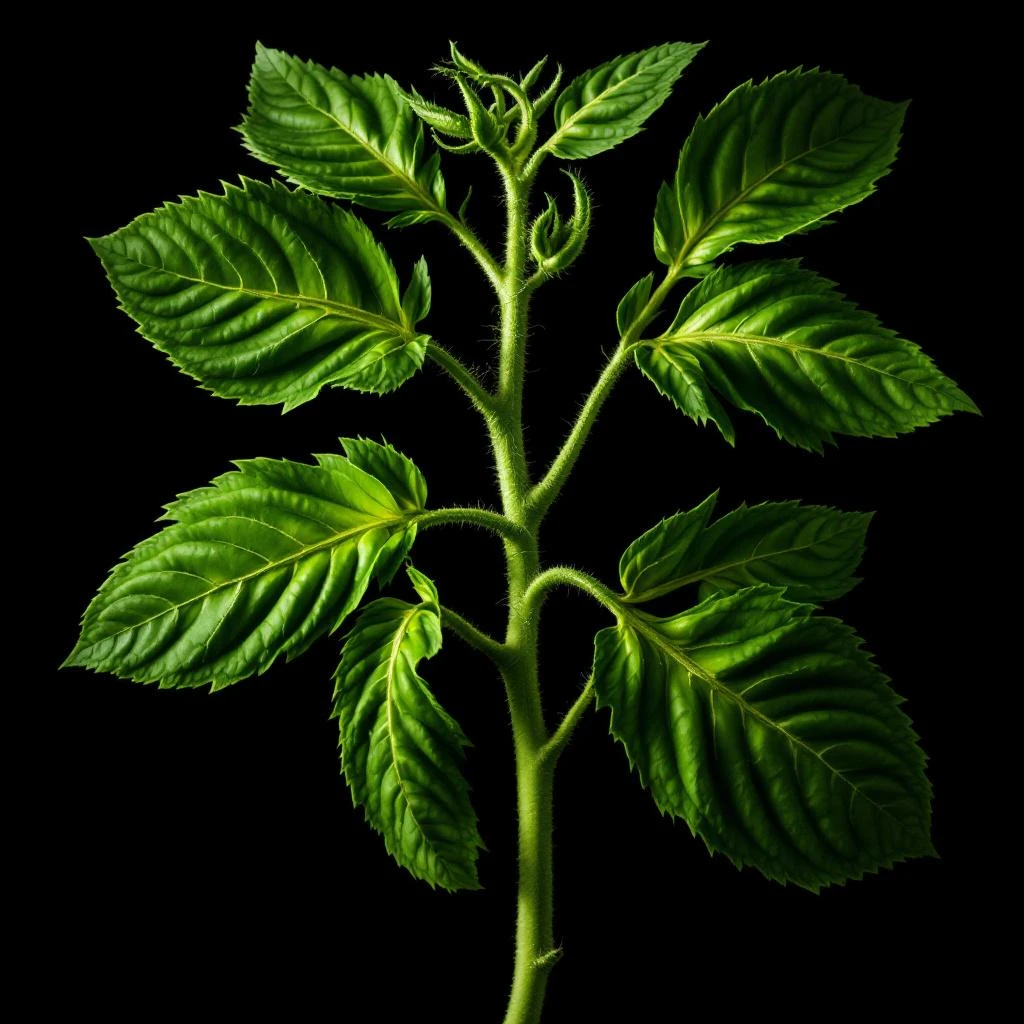
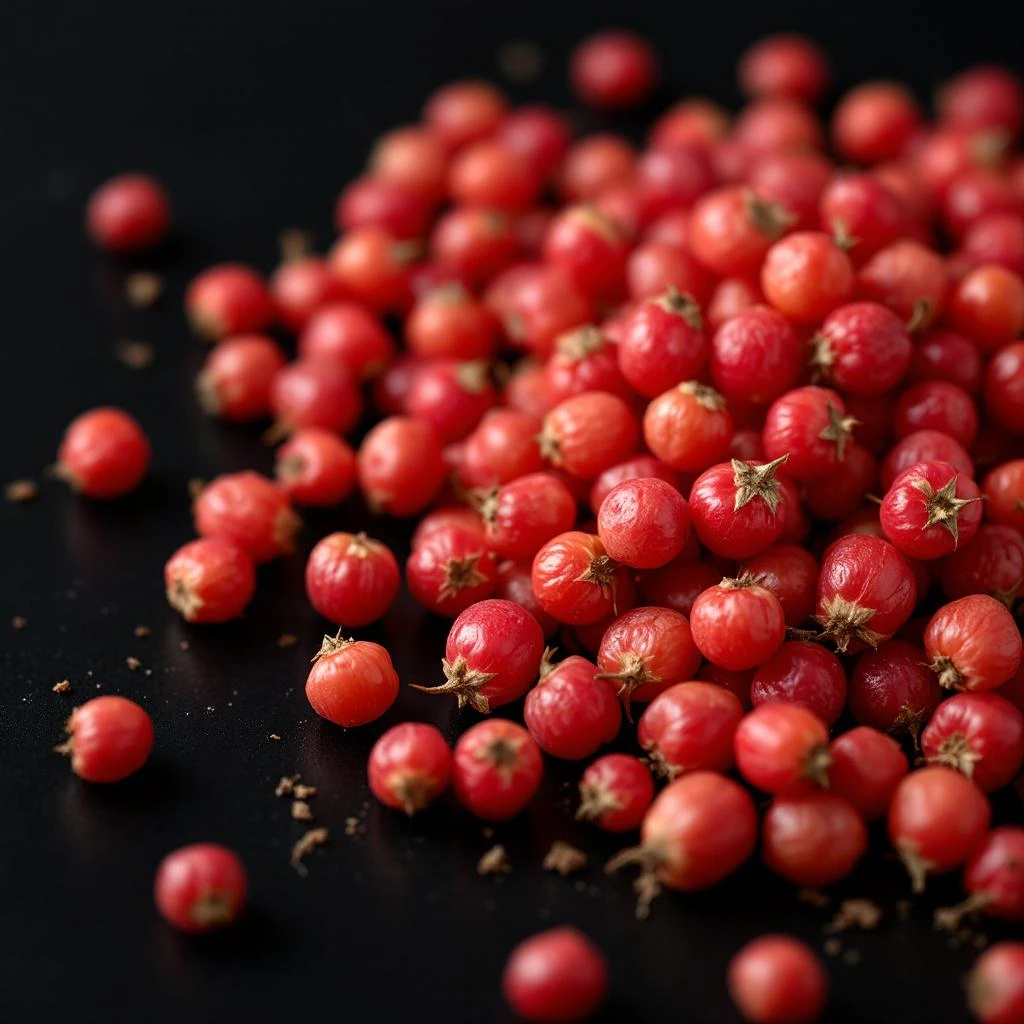
Mango Skin by Vilhelm Parfumerie is a notable fragrance featuring mango prominently in its composition. The scent combines mango with blackberries and black pepper, showcasing how mango skin contributes to modern fruity fragrance interpretations. Several other niche and designer fragrances also feature mango-derived materials as key components of their tropical accords.
Is Mango Skin a top note, heart note, or base note?
Mango Skin functions primarily as a top note in perfumery, introducing a fragrance with immediate tropical freshness. The volatile aromatic compounds evaporate relatively quickly, making it most impactful in the opening stages of wear. Formulators sometimes use concentration adjustments to extend its presence in the heart phase of a fragrance.
What notes pair well with Mango Skin in perfume?
Mango Skin pairs well with complementary tropical materials such as coconut, passion fruit, and papya, as well as with bright citrus and crisp green notes. It also combines effectively with spices like black pepper and cardamom, and with base materials including sandalwood and musks that help anchor its volatile character in the dry-down.
Where does Mango Skin come from?
Mango Skin is derived from mangoes, which originate in South and Southeast Asia where cultivation began over 4,000 years ago. India remains the largest producer globally, though significant cultivation occurs in China, Thailand, and other tropical regions. The mango's aromatic profile varies by cultivar, with hundreds of varieties contributing different characteristics to extracted materials.
Is Mango Skin used in men's or women's fragrances?
Mango Skin appears across gender categories in contemporary perfumery. The bright, tropical character works equally well in women's, men's, and unisex fragrances designed for warm-weather wear or for adding an inviting, approachable quality to any composition. Its versatility makes it a popular choice for modern fragrance lines that favor gender-neutral positioning.