Mango Blossom
Mango Blossom captures the fleeting scent of tropical spring: a warm, honeyed floral note with an exotic sweetness that signals the arrival of mango season across South Asian orchards.
Character
How it smells
Tropical spring captured in a single breath.
A single mango tree can produce up to 40,000 blossoms each spring, yet none yield commercial fragrance material.





Origin
India
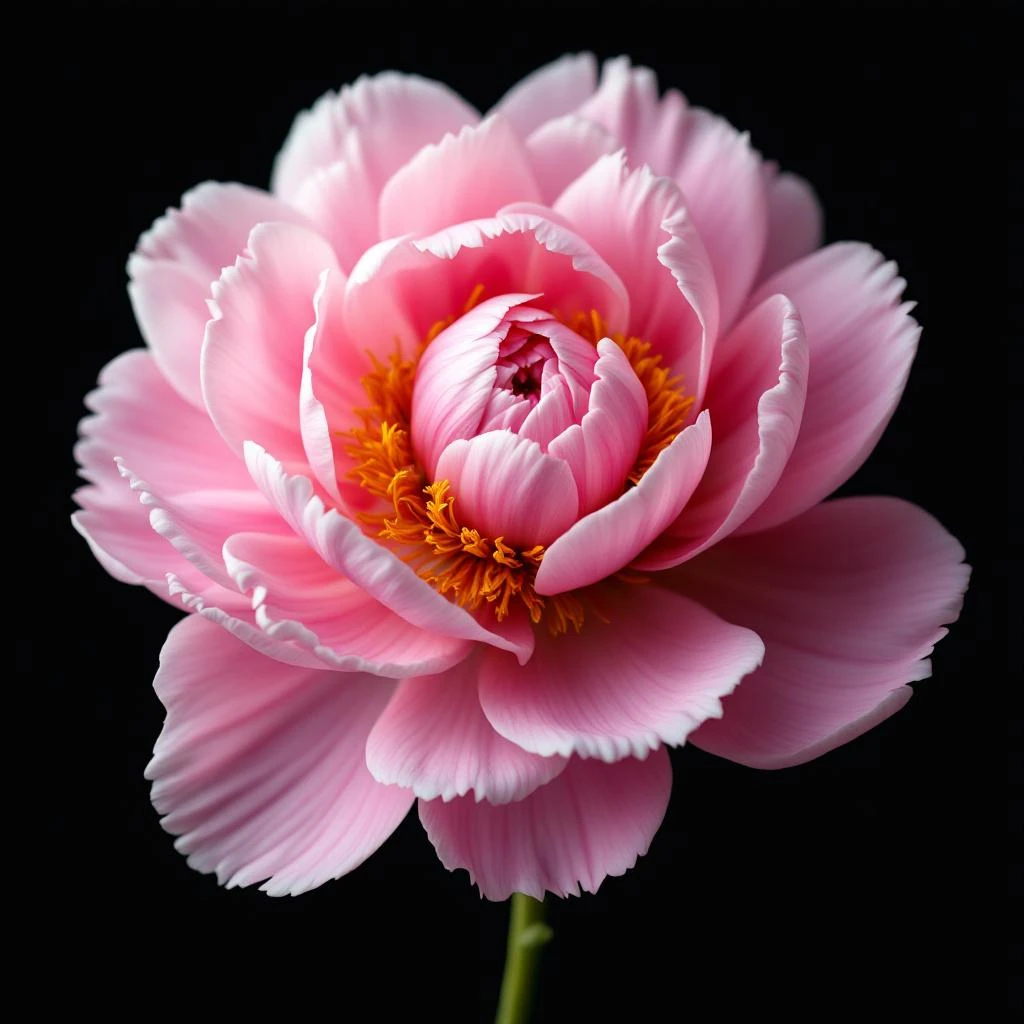
Mango trees have grown in the Indian subcontinent for at least 4,000 years, making Mangifera indica one of the oldest cultivated fruit trees in the world. Ancient Sanskrit texts mention mango groves as sacred spaces, and the fruit earned the title 'royal fruit' through association with prosperity and fertility. While the fruit dominated culinary and cultural attention, the blossoms held their own significance, perfuming temple courtyards and rural landscapes each spring across South Asia.
The arrival of mango blossoms marked a turning point in the agricultural calendar, promising harvests to come. European traders encountered mangoes during the colonial era, but the blossom's fragrance remained largely unknown outside its native regions until modern perfumery developed synthetic reconstruction techniques in the late twentieth century.
Wears it best
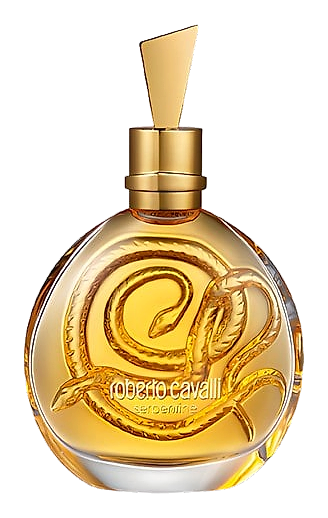
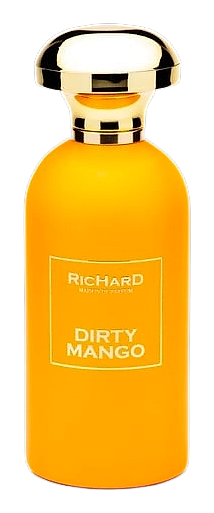
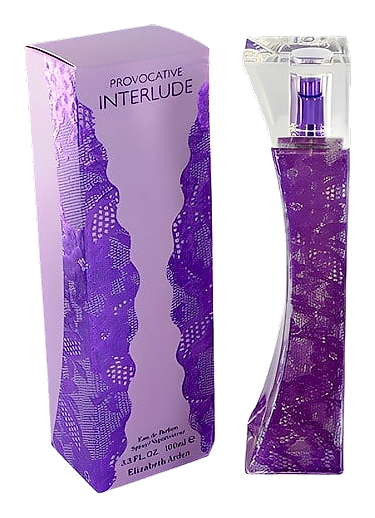
Fragrances featuring Mango Blossom

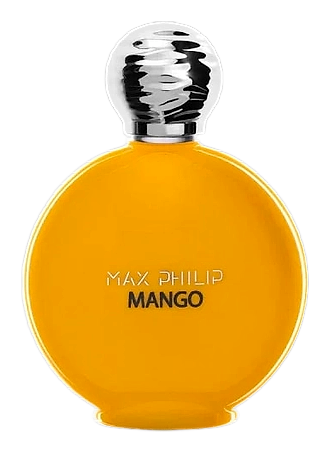
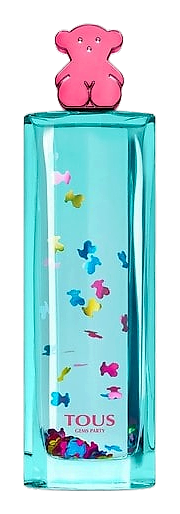
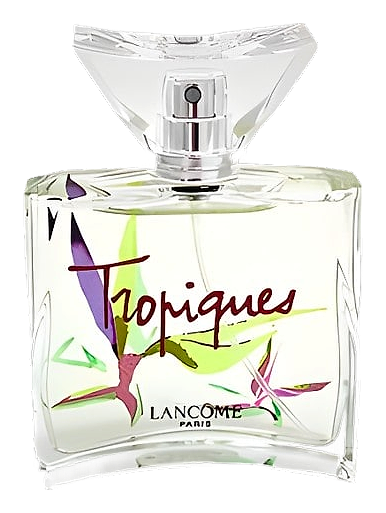
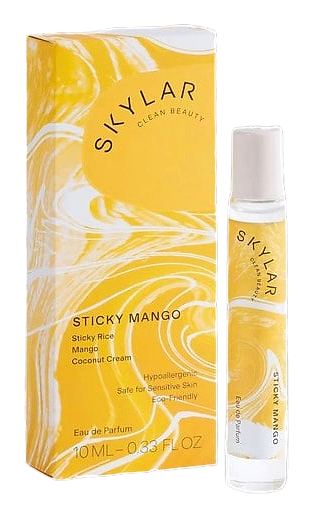
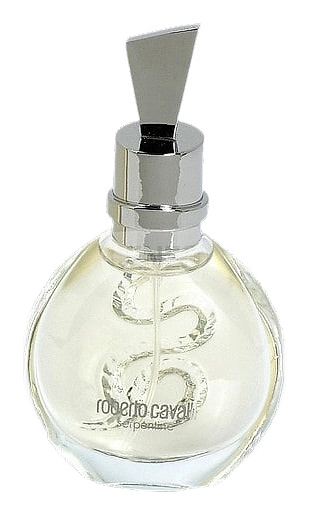
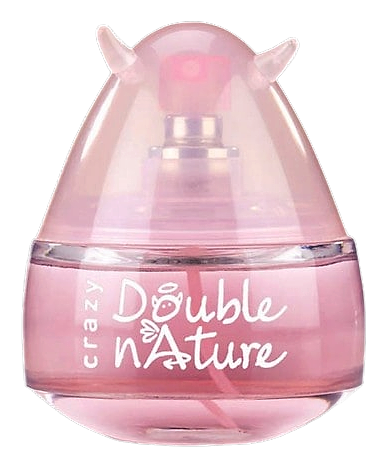
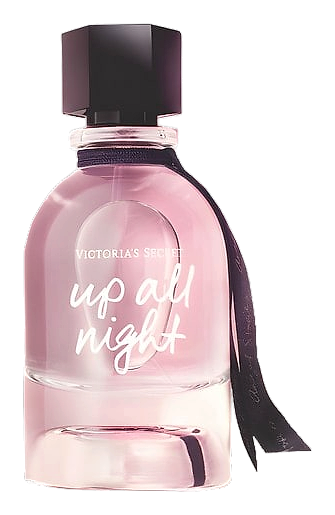
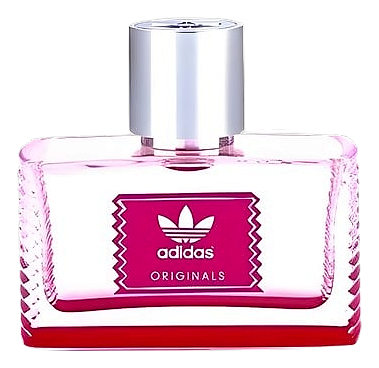
Brands
Brands known for Mango Blossom
Good to know
Questions, answered
The essentials on Mango Blossom in perfumery: how it smells, where it comes from, and how it behaves on skin.
Is Mango Blossom a natural or synthetic ingredient?
It is synthetic. No commercial extraction method produces mango blossom fragrance from the actual flower. Perfumers reconstruct the note using blended terpenes like myrcene and ocimene.
How does Mango Blossom differ from Mango Fruit notes?
Mango Blossom delivers a warm, honeyed floral quality with a fresh green edge. Mango Fruit notes focus on the sweet, ripe tropical flesh character. The blossom reads as more subtle and atmospheric.
What perfumes feature Mango Blossom prominently?
Several tropical and floral fragrances incorporate Mango Blossom as part of their exotic heart notes. The note appears in warm-weather and vacation-inspired compositions from both niche and mainstream houses.
What terpene compounds make up Mango Blossom?
The reconstruction centers on myrcene and ocimene, two terpenes that occur naturally in mango blossoms. Supporting aromatic materials help build the full floral character.
Why can't perfumers extract mango blossom naturally?
The volatile compounds in mango blossoms evaporate during extraction attempts, and the yield from each flower proves economically impractical. No solvent or distillation method captures the scent effectively.
What type of fragrance compositions use Mango Blossom?
Perfumers employ Mango Blossom in tropical florals, beach-inspired fragrances, and warm-weather scent profiles. It pairs well with coconut, ylang-ylang, and bright citrus materials.
Does Mango Blossom smell like the actual tree in bloom?
It captures the essential character: a sweet, warm floral note with honeyed undertones and a hint of green freshness. The synthetic version distills the essence rather than replicating every nuance.
When did Mango Blossom first appear in perfumery?
The synthetic reconstruction of mango blossom emerged in the late twentieth century as part of the broader expansion of exotic tropical notes in Western perfumery.




