Mango juice
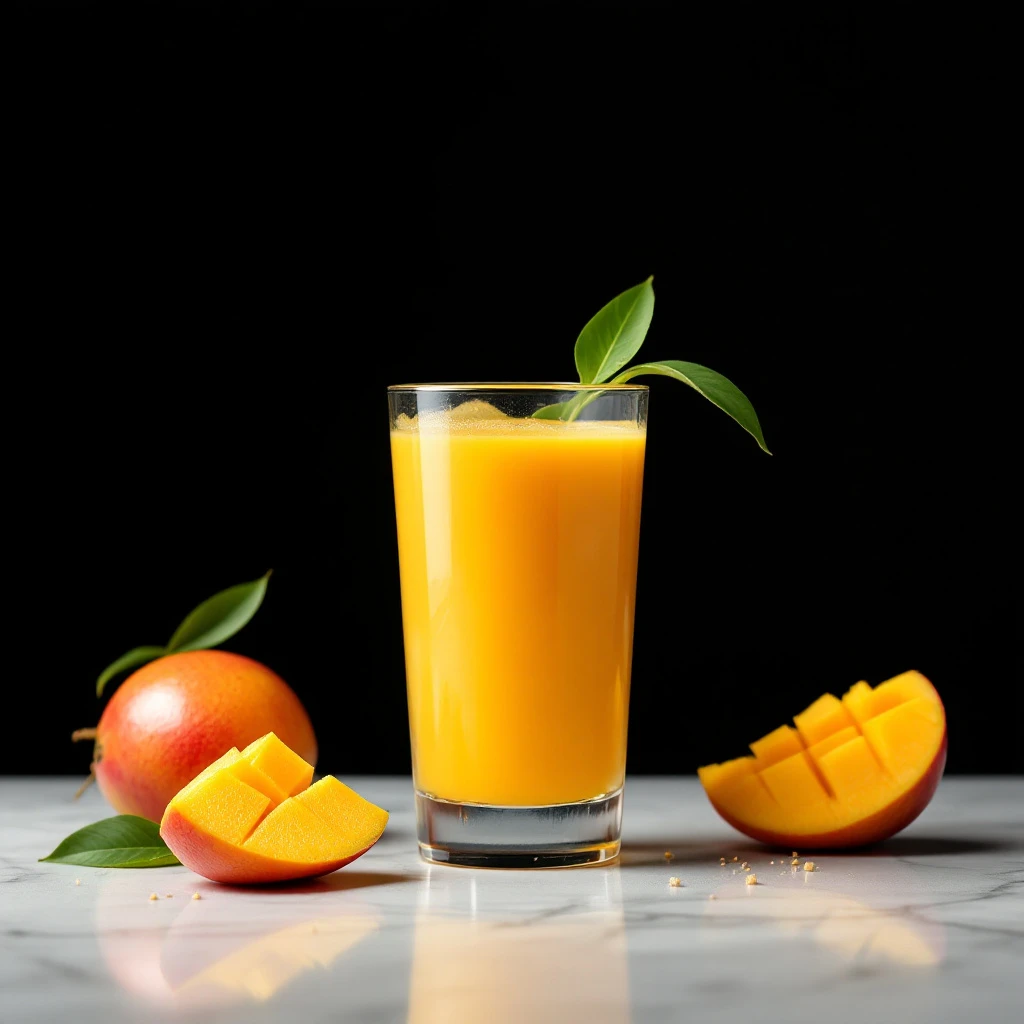
Mango juice captures the tropical sweetness of ripe mango in fragrance form. This vibrant, juicy note brings sun-drenched brightness to perfumes, evoking tropical gardens and golden fruit harvests.
Character
How it smells
Tropical sunshine bottled in a fragrance note.
A single mango contains over 20 different aromatic compounds, yet perfumers still cannot extract the scent naturally due to the fruit's high water content.


Origin
India
Mango cultivation began in South Asia over 4,000 years ago, with India remaining the world's largest producer. Ancient Ayurvedic texts mention mango leaves and fruit for medicinal purposes, while the fruit itself became woven into cultural traditions across Southeast Asia.
Portuguese traders introduced mangoes to Africa and Brazil in the 16th century. While the fruit's culinary history is rich, perfumery applications only emerged with modern synthetic chemistry, when recreating tropical fruit notes became possible without relying on traditional extraction methods.
Wears it best
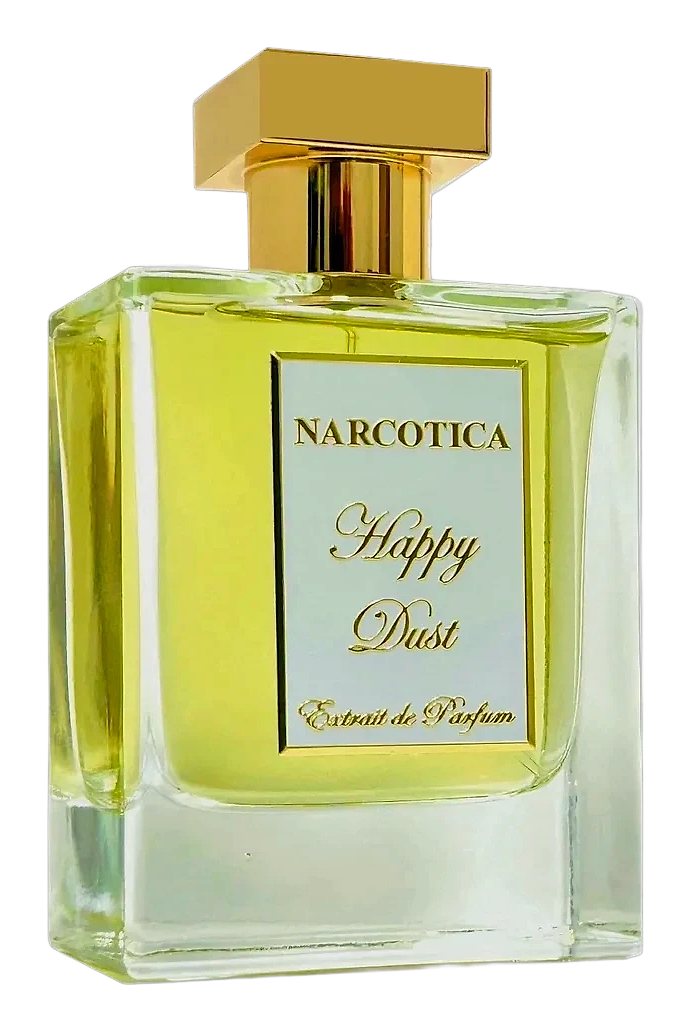
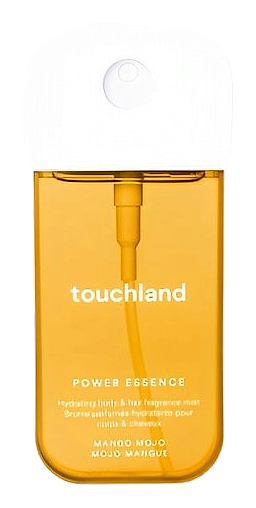
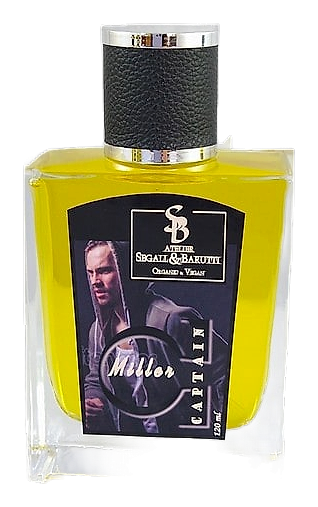
Fragrances featuring Mango juice

Brands
Brands known for Mango juice
Good to know
Questions, answered
The essentials on Mango juice in perfumery: how it smells, where it comes from, and how it behaves on skin.
Can mango juice be extracted naturally for perfume?
No. Mangoes contain approximately 80% water and yield very little essential oil, making natural extraction impractical. Perfumers synthetically recreate the scent instead.
What does mango juice smell like in fragrance?
The note typically presents as sweet, tropical, and juicy with citrus-like brightness and green undertones. Think ripe mango flesh, sun-warmed skin, and tropical florals combined.
What aromatic compounds create the mango scent?
Over 20 volatile compounds contribute to natural mango aroma. Key constituents include hexanal for green notes, various esters for tropical sweetness, and lactones adding creamy depth.
When did mango enter the perfumery world?
Mango as a named perfume note emerged in the late 20th century alongside advances in synthetic chemistry. Natural mango cultivation dates back 4,000 years in South Asia, but the fruit was never traditionally used in perfumery.
Which perfume families commonly use mango juice?
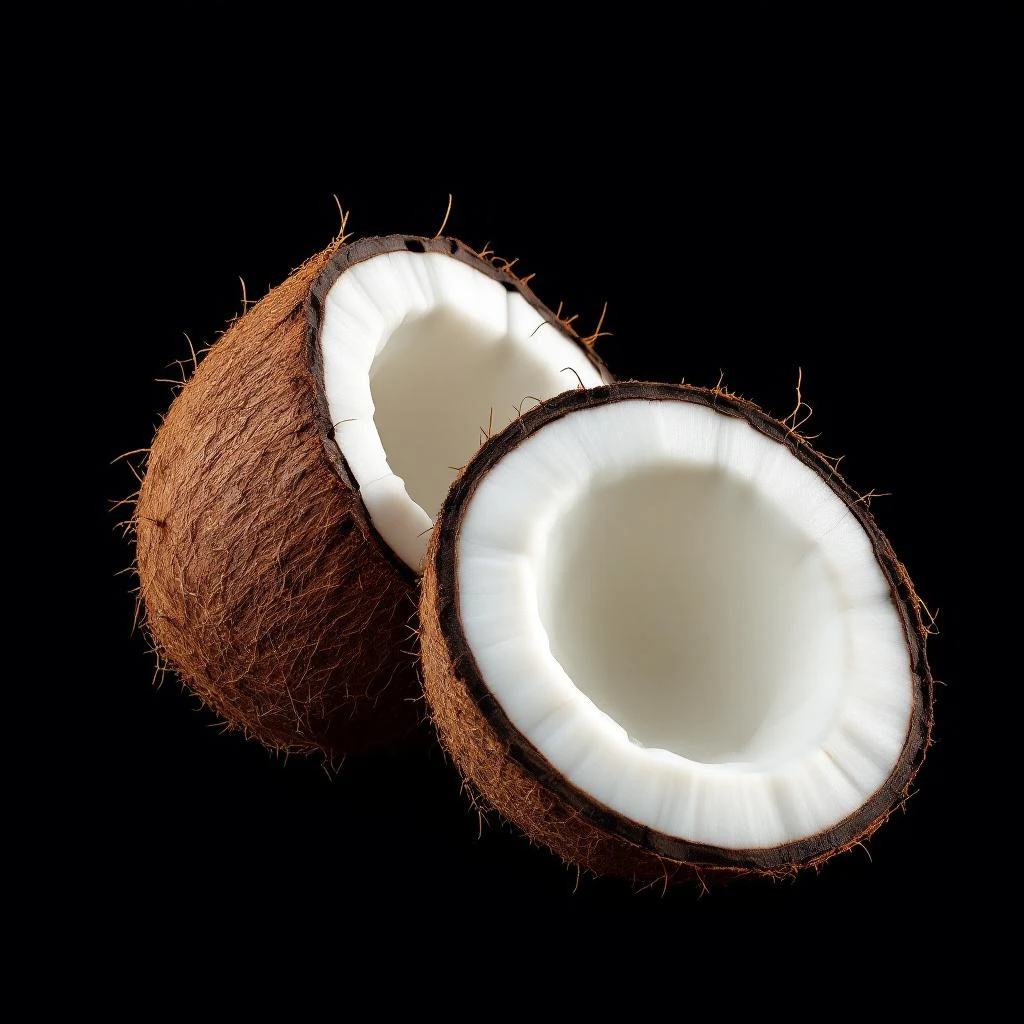
Mango appears frequently in tropical, fruity, and summer fragrance lines. It pairs well with coconut, vanilla, and aquatic notes, often appearing in fragrances marketed for warm-weather wear.
Is mango juice natural or synthetic in perfumes?
Always synthetic in commercial perfumery. The mango's physical properties prevent cost-effective natural extraction, so perfumers recreate the scent using aromatic compounds that mirror the fruit's volatile profile.
How does mango juice differ from mango fragrance oil?
Fragrance oils marketed for home use may be diluted and differ in concentration. Mango juice as a perfumery note specifically refers to the recreated aromatic profile used by professional perfumers.
What countries produce the mangoes used as inspiration for this note?
India produces the most mangoes globally, with thousands of varieties cultivated across the subcontinent. India and Southeast Asian nations provide the aromatic inspiration for the synthetic mango note.