Mandrake
Mandrake is a botanical paradox: one of perfumery's rarest and most forbidden ingredients, steeped in folklore and pharmacological potency. Its root has shaped centuries of ritual, magic, and medicine.
Character
How it smells
The root that whispers through history.
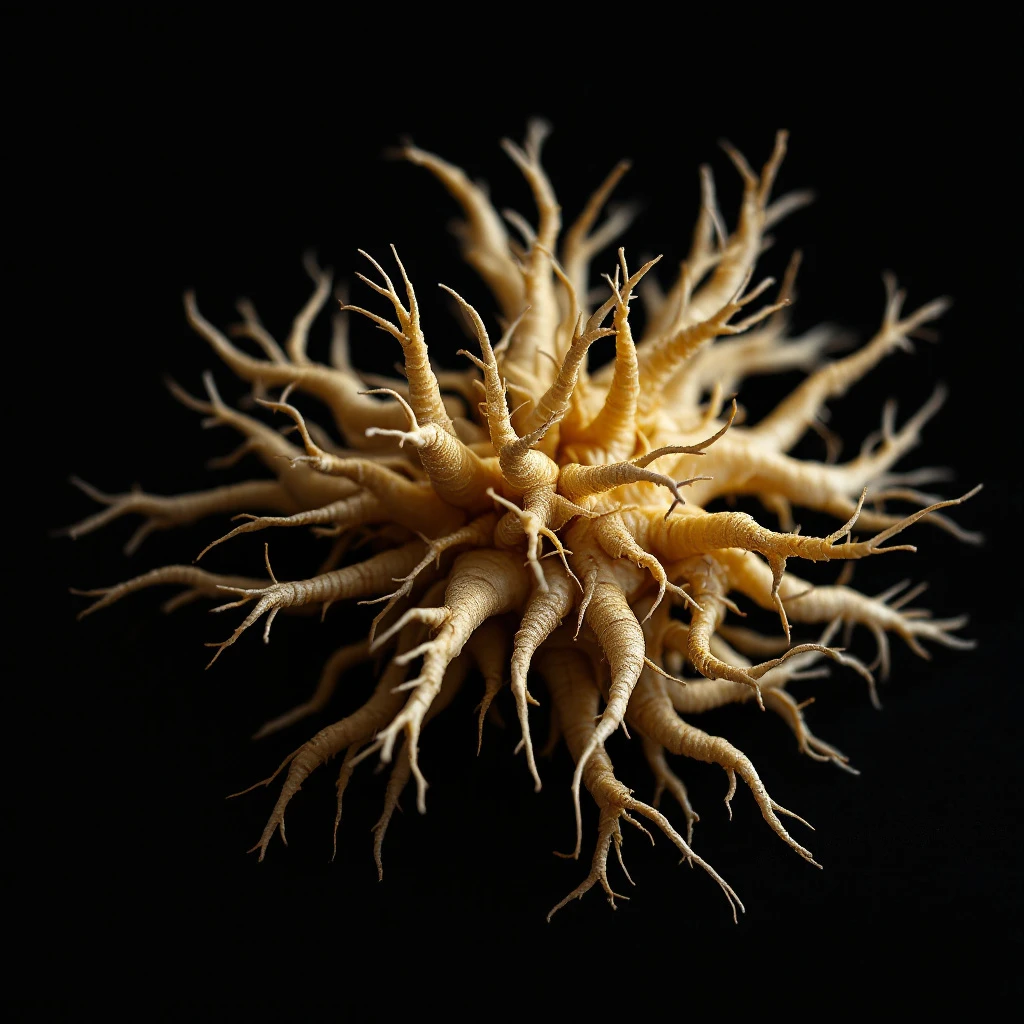
Ancient harvesters reportedly tied mandrake roots to dogs, then called the animals from a distance, supposedly to safely pull the root from earth without hearing its fatal scream.
Pairs beautifully with


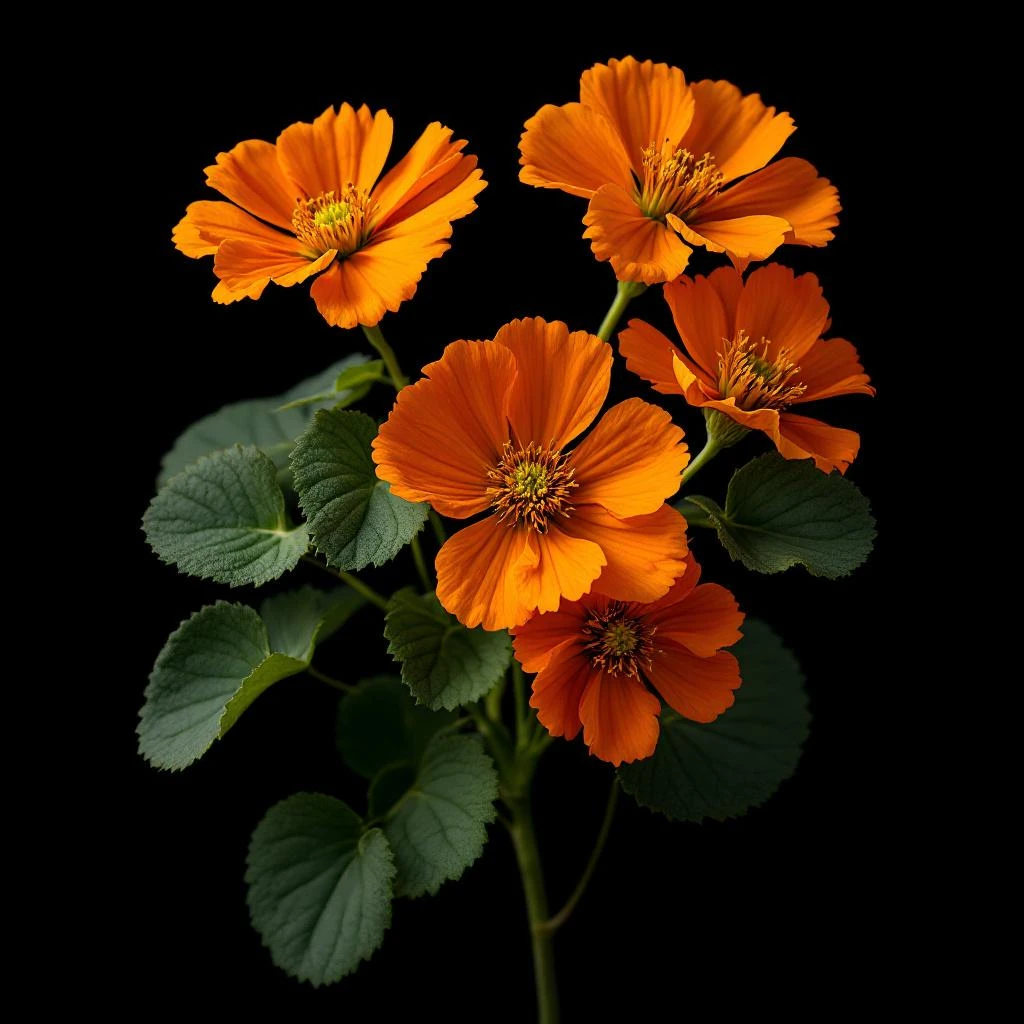

Origin
Mediterranean Basin
Mandrake holds one of the most mythologized positions in the history of aromatic plants. References appear in the Bible, where the plant is associated with fertility rituals, and in ancient Greek texts where physicians like Dioscorides documented its narcotic properties in De Materia Medica, written between 50 and 70 CE. The Romans used mandrake wine as a surgical anesthetic, a practice so established that Pliny the Elder described the preparation method in detail in his Naturalis Historia. Medieval Europeans feared and revered the root in equal measure.
Its forked, vaguely human shape inspired the legend that mandrakes screamed when uprooted, a sound lethal to anyone who heard it. Harvesters developed elaborate rituals involving dogs, ropes, and protective circles to extract the root safely. The plant appeared frequently in love potions and magical pharmacopoeias from the 12th through 17th centuries. By the Renaissance, mandrake had earned permanent residence in grimoires and herbal treatises, including the works of German botanist Leonhart Fuchs.
Despite this deep cultural footprint, mandrake never secured a stable place in mainstream perfumery. Its toxicity, variable chemistry, and association with ritual use kept it confined to the margins of fragrance history, an ingredient more discussed than deployed.
Wears it best
Fragrances featuring Mandrake
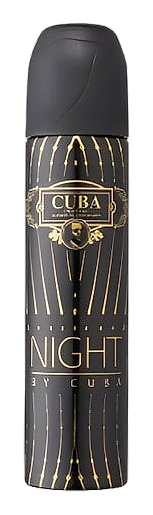
Brands
Brands known for Mandrake
Good to know
Questions, answered
The essentials on Mandrake in perfumery: how it smells, where it comes from, and how it behaves on skin.
What does mandrake smell like in perfumery?
Mandrake is described as having a heavy, earthy, and somewhat narcotic character with damp soil and vegetal undertones. True mandrake notes are extremely rare in commercial perfumery, as the ingredient is not produced at scale. Most modern interpretations rely on synthetic accords to approximate this peculiar scent profile.
Is mandrake safe to use in fragrance?
Mandrake contains tropane alkaloids including scopolamine and atropine, which are toxic in concentrated forms. When used in perfumery, it appears only in highly diluted tinctures or as conceptual synthetic reconstructions. Regulatory frameworks across the EU and US treat mandrake derivatives with caution due to these pharmacological properties.
Why is mandrake not commonly used in modern fragrances?
Mandrake is not commercially produced for the fragrance industry due to its alkaloid content, slow root development, and restrictive regulations. Scientific literature confirms no large-scale extraction exists for perfumery, making genuine mandrake notes a rarity encountered mainly in historical reenactments and artisan experiments.
What is the origin of the mandrake legend?
The mandrake legend traces back at least to ancient Greek texts including Dioscorides' De Materia Medica (50-70 CE), with the famous screaming-root myth flourishing in medieval European herbalism. Its humanoid root shape and potent narcotic effects fueled centuries of ritual and superstition across Mediterranean cultures.
Can mandrake roots actually scream?
No, mandrake roots cannot literally scream. The myth originated because the forked root resembles a human figure, and pulling it from soil releases a sound from breaking earth. Historical harvesters reportedly used dogs to uproot mandrakes from a distance, believing the sound could kill anyone who heard it directly.
Did ancient civilizations use mandrake in perfumery?
Historical records confirm mandrake appeared in medicinal preparations and ritual contexts, but evidence for its direct use in perfumery is sparse. Ancient Greek and Roman texts focus on its narcotic and anesthetic applications, particularly mandrake wine used during surgery, rather than its aromatic deployment.
What family does the mandrake plant belong to?
Mandrake belongs to the Solanaceae family, which includes nightshade, belladonna, and tomato. This botanical kinship explains its shared tropane alkaloid profile with other toxic members of the family. The plant genus Mandragora contains several species native to the Mediterranean region and parts of Asia.
Are there real fragrances featuring mandrake notes?
Genuine mandrake-root fragrances are exceptionally rare, as the ingredient is not commercially extracted for perfumery. Some niche and conceptual houses reference mandrake in compositions using accord reconstructions. Most listings on fragrance platforms referencing this note describe artistic interpretations rather than true mandrake-derived materials.