Mandarin Jam
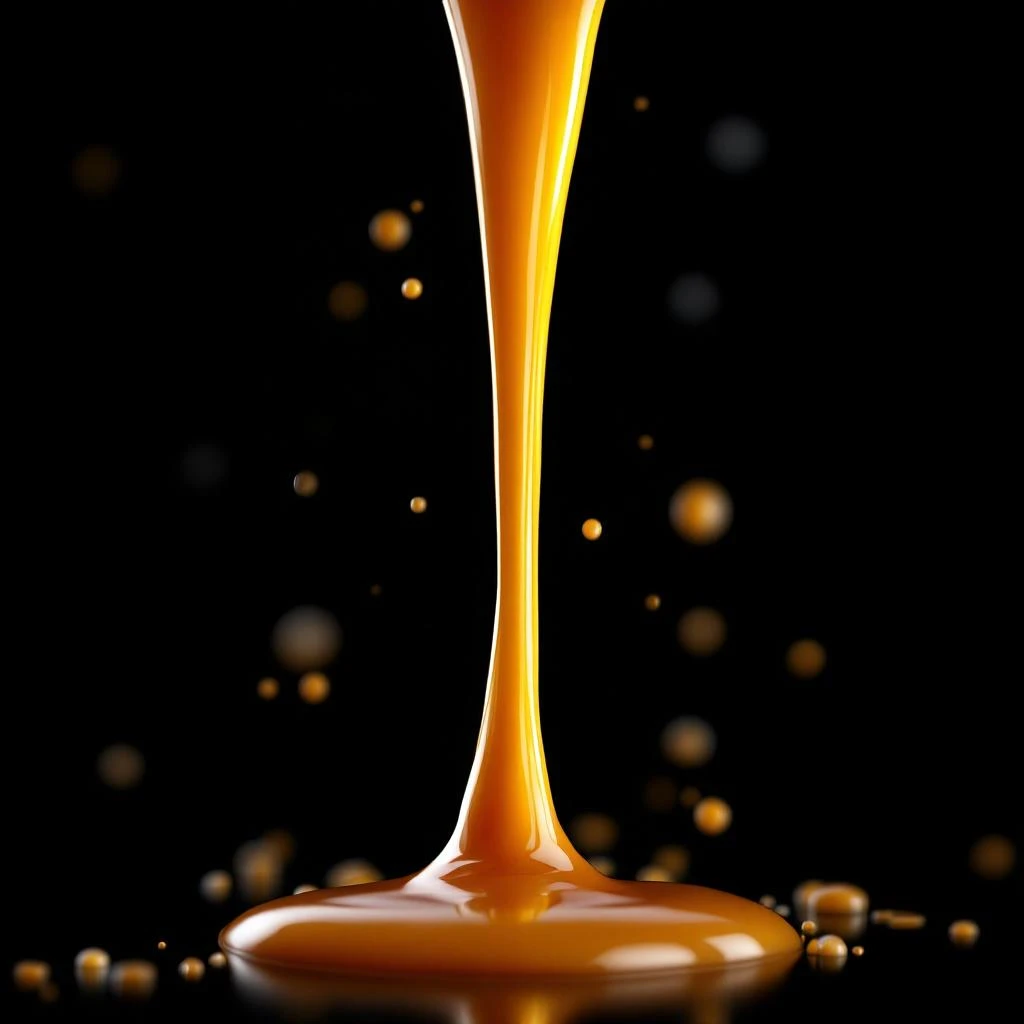
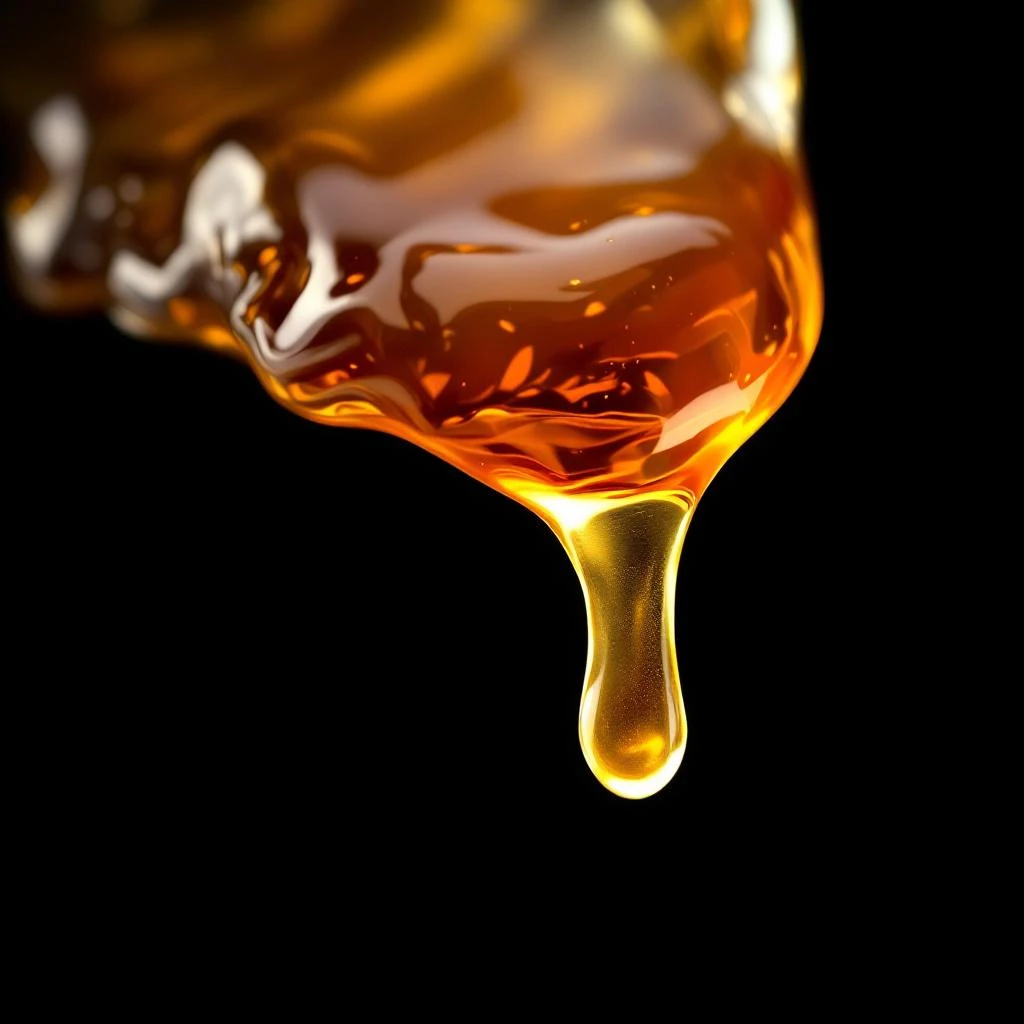
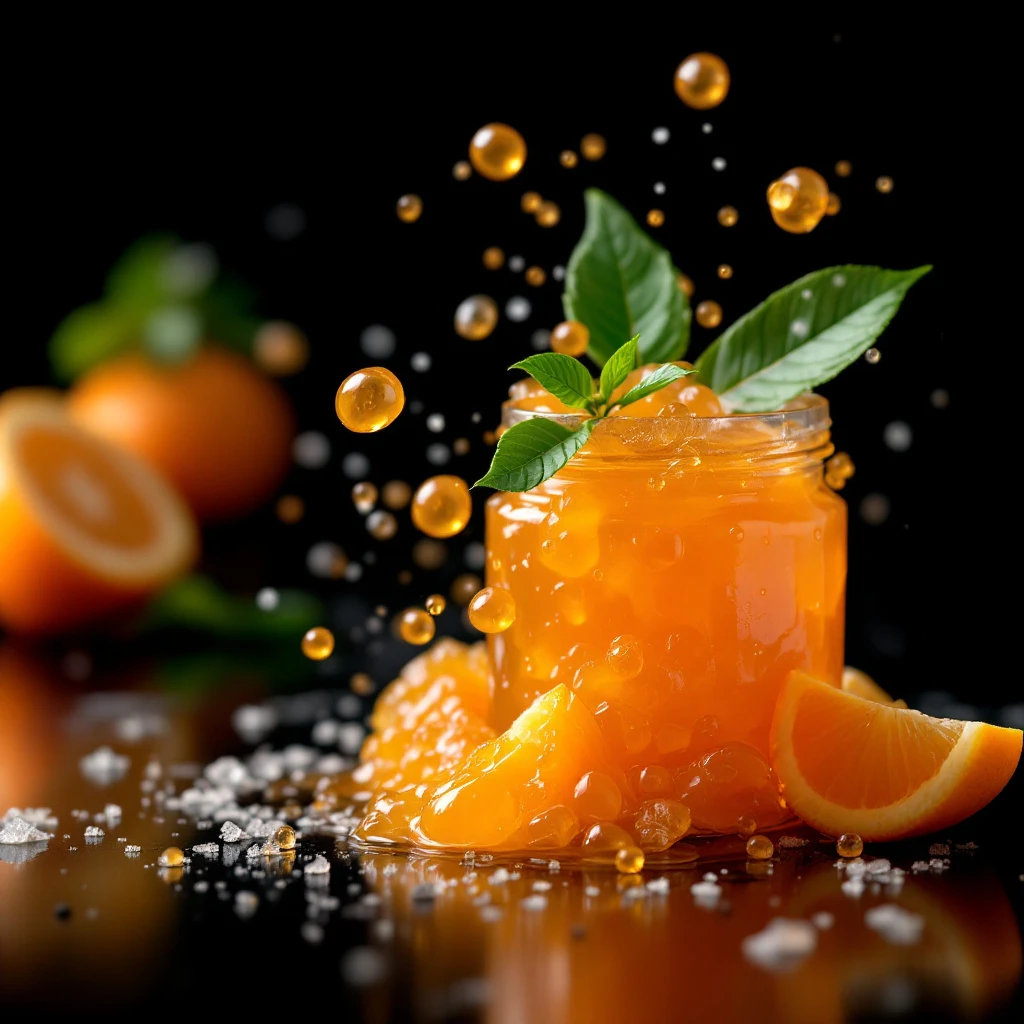
Mandarin Jam captures the sun-ripened sweetness of mandarin peel concentrated into a rich, jammy accord. Unlike bright, sharp citrus, it evokes warm preserves and candied peel, offering perfumers a deeper, honeyed facet of this beloved fruit.
Character
How it smells
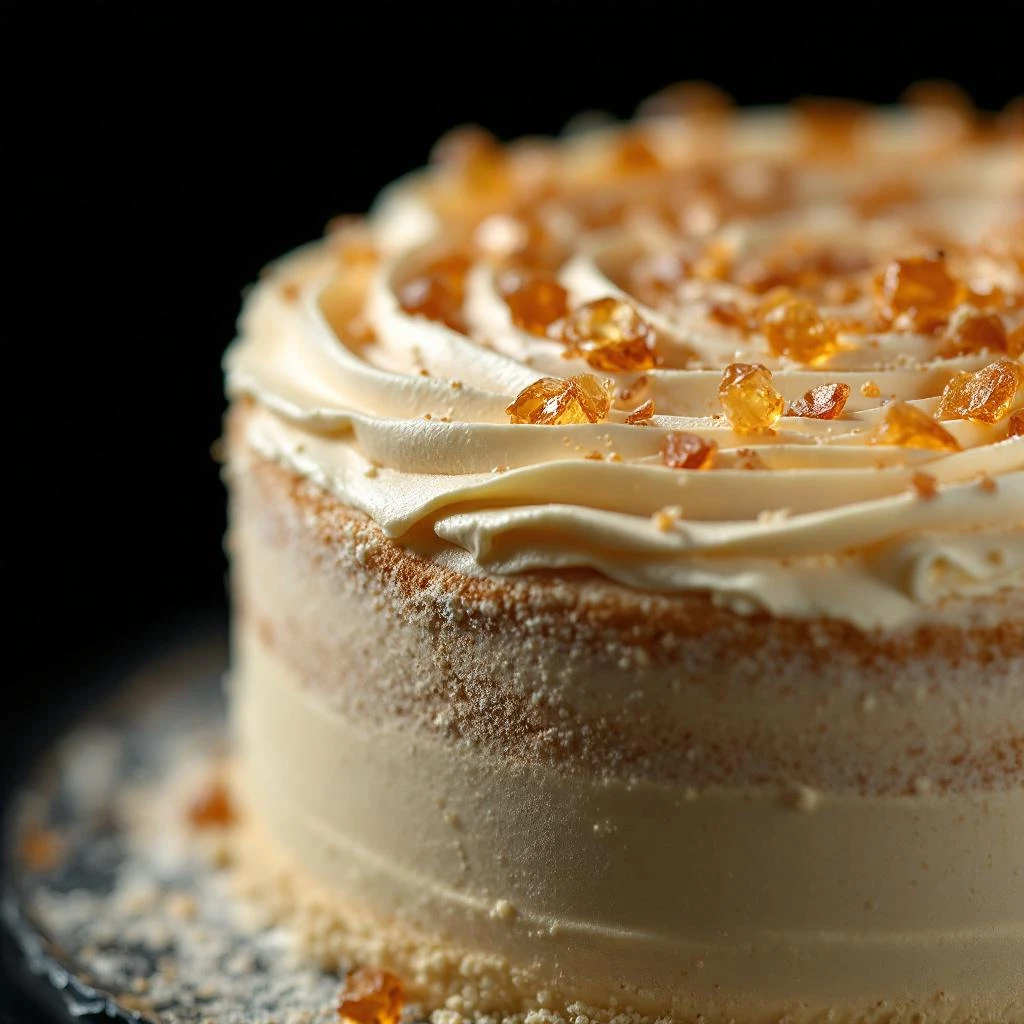
Citrus turned warm and golden, like a jar of summer.
The name "mandarin" comes from the officials who received these fruits as festival gifts in imperial China.



Origin
China
The mandarin tree originated in China, where it grew wild in the south and was cultivated for centuries before spreading along trade routes. The fruit took its name from the Mandarin officials who received it as a traditional gift during Lunar New Year celebrations. European traders encountered it in the 19th century and brought it westward, where it quickly became prized in both cuisine and perfumery.
By the early 20th century, mandarin oil was a staple in fine fragrance, valued for its warmth and accessibility. The jammy interpretation came later, as perfumers sought ways to capture not just the fresh peel but the fuller, riper sweetness of the fruit at peak maturity.
Wears it best
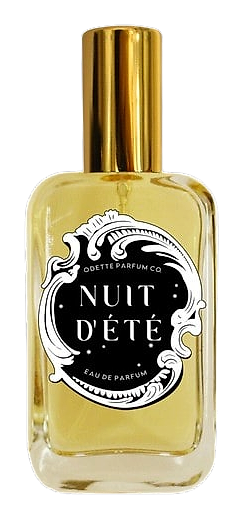
Fragrances featuring Mandarin Jam
Brands
Brands known for Mandarin Jam
Good to know
Questions, answered
The essentials on Mandarin Jam in perfumery: how it smells, where it comes from, and how it behaves on skin.
What does Mandarin Jam smell like?
Mandarin Jam smells sweet and warm with a jammy, slightly caramelized citrus character. It lacks the sharp brightness of fresh mandarin peel and instead evokes candied orange peel or ripe marmalade.
Is Mandarin Jam a natural or synthetic ingredient?
It is typically a natural-derived accord. Cold-pressed mandarin oil from the peel forms the base, sometimes blended with specific aroma fractions to enhance the jammy, warm character.
What fragrance families pair well with Mandarin Jam?
Mandarin Jam works across oriental, amber, and floral compositions. It adds warmth to jasmine and rose bases, and brings sweetness to woody-amber foundations.
Does Mandarin Jam appear often in fine fragrance?
Mandarin Jam appears regularly in oriental and warm floral fragrances. The jammy citrus note provides a bridge between sharp top notes and richer heart or base elements.
Where does the mandarin used in perfumery come from?
Major production regions include Italy, Brazil, and China. Mediterranean-grown mandarins, particularly from Calabria and Sicily, produce oils prized for their refined, sweet character.
How long does mandarin oil remain fragrant?
Mandarin oil holds its scent for approximately 6 to 12 months when stored properly in a cool, dark place. Like most citrus oils, it is prone to oxidation over time.
What does Mandarin Jam contribute to a fragrance composition?
It adds warmth, sweetness, and body to a fragrance. The jammy quality softens sharper citrus notes and gives compositions a sun-dried, concentrated fruit impression.
What color is cold-pressed mandarin oil?
Cold-pressed mandarin oil ranges from deep amber to reddish-orange. The coloration comes from pigments in the fruit peel and varies depending on the variety and harvest conditions.