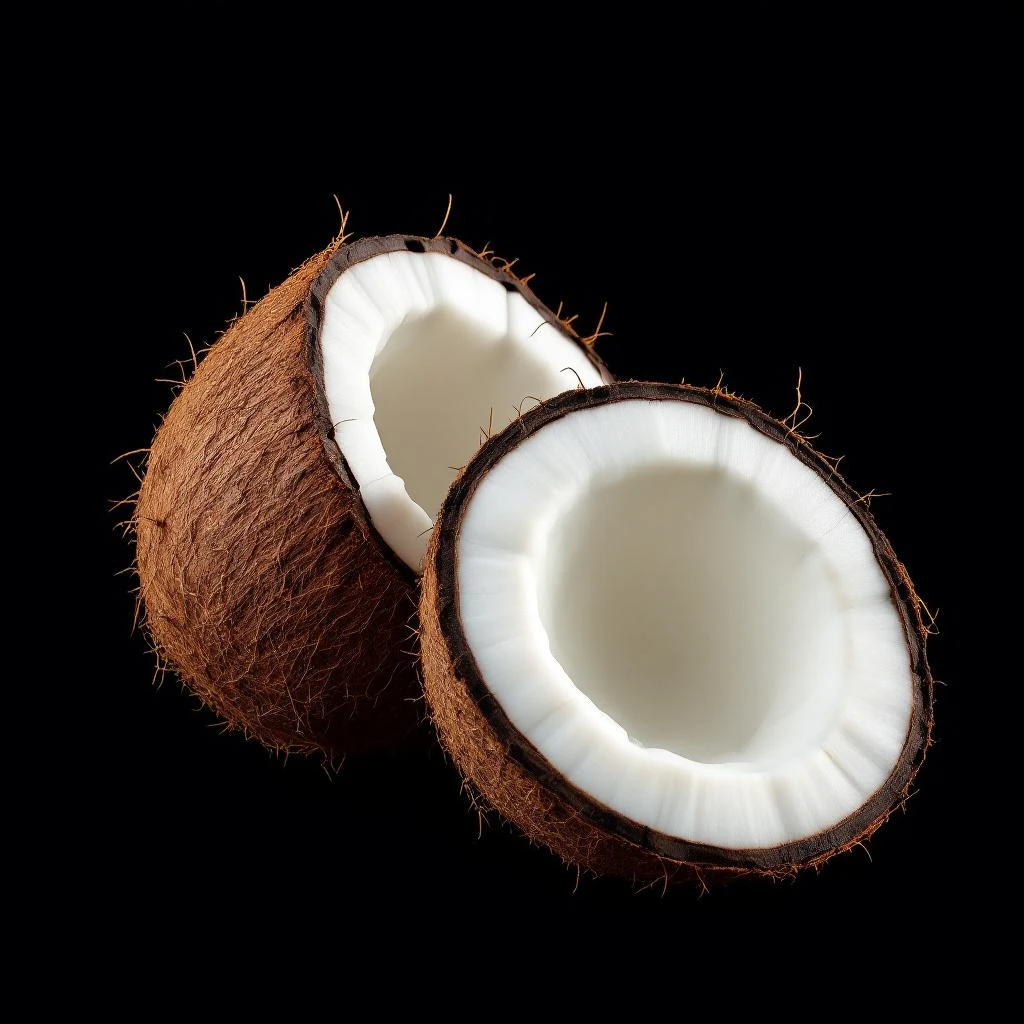
Maldivian Coconut
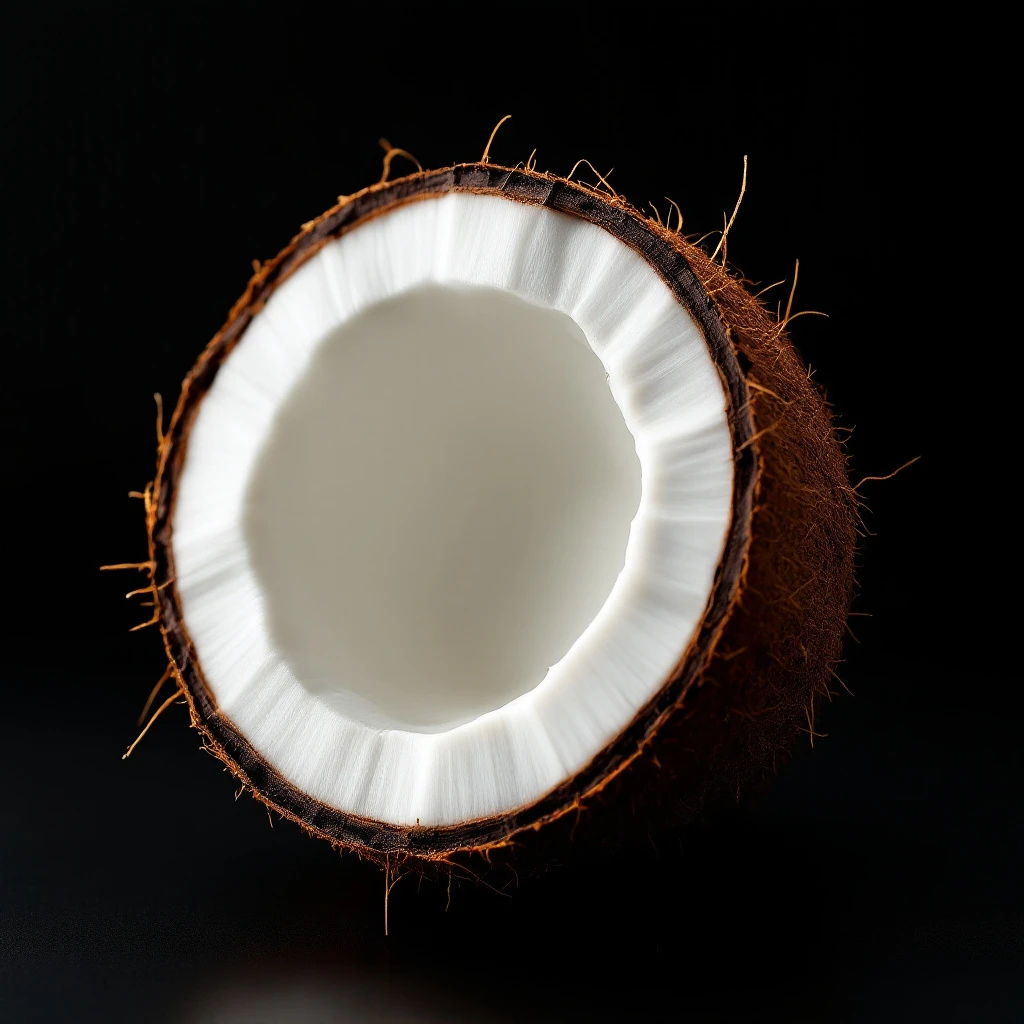
Maldivian coconut brings a sun-warmed sweetness to perfumery, capturing the creamy lactonic richness of tropical island groves. Its aroma balances buttery flesh notes with a faint green husk bitterness.
Character
How it smells
Sun-warmed sweetness from the tropics
Coconut water inside a young nut is sterile and was used in emergency plasma transfusions during World War II.
Pairs beautifully with
Origin
Maldives
The coconut palm has accompanied human civilization across the Indian Ocean basin for at least three thousand years, with archaeological evidence placing its cultivation in the Maldives and Sri Lanka by the first century BCE. Maldivian islanders relied on copra as a primary trade commodity for centuries, shipping dried coconut flesh along maritime routes that connected South Asia with East Africa and the Arabian Peninsula. Arab merchants documented the fruit in tenth-century travel accounts, describing its oil as both cooking medium and skin treatment.
Coconut arrived in European perfumery laboratories only after trade routes expanded in the eighteenth century, and chemists spent decades attempting to capture its elusive aroma in stable form. The breakthrough came with the development of solvent extraction techniques in the early twentieth century, which finally allowed perfumers to work with coconut's full aromatic complexity rather than relying on synthetic approximations.
Wears it best
Fragrances featuring Maldivian Coconut
Brands
Brands known for Maldivian Coconut
Good to know
Questions, answered
The essentials on Maldivian Coconut in perfumery: how it smells, where it comes from, and how it behaves on skin.
What does Maldivian coconut smell like in perfume?
It smells creamy, sweet, and lactonic, with a buttery richness reminiscent of fresh coconut flesh. A subtle green, slightly bitter undertone from the husk adds complexity to the warm, tropical profile.
How is coconut absolute extracted?
Producers dry coconut flesh into copra, then use solvents like ethanol or hexane to dissolve the aromatic compounds. The solvent is evaporated, leaving a concentrated absolute rich in gamma-nonalactone.
Is Maldivian coconut different from other coconut sources?
The Maldivian variety tends to have a higher oil content due to the mineral-rich atoll soil. However, the extraction process shapes the final aroma more than the geographic origin of the nut itself.
Can coconut scent be replicated synthetically?
Yes, perfumers commonly use gamma-nonalactone and other lactone molecules to create coconut accords. These synthetics offer greater stability and consistency than natural absolute, though some nuance is lost.
Is coconut absolute safe for skin?
Coconut absolute is generally considered safe in dilution for cosmetic and fragrance use. Sensitization potential is low, but patch testing is always recommended with any concentrated natural material.
Which perfumes feature Maldivian coconut?
Several tropical and gourmand fragrances incorporate coconut absolute or its synthetic equivalents. Specific formulations vary, and perfumers often blend it with vanilla, sandalwood, or white florals for balance.
How long does coconut note last in a fragrance?
Coconut absolute acts as a middle-to-base note, typically lasting four to six hours on skin. Its longevity depends on the concentration and the fixatives paired with it in the formula.
Why is coconut popular in summer fragrances?
Coconut's creamy sweetness evokes tropical warmth and beach settings, making it a natural choice for warm-weather compositions. It pairs effectively with citrus and aquatic notes for fresh, sunny blends.