Heritage
A house, in its own words
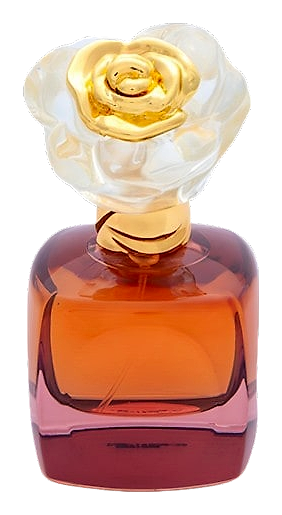
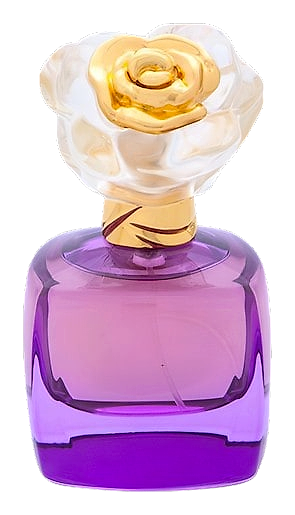
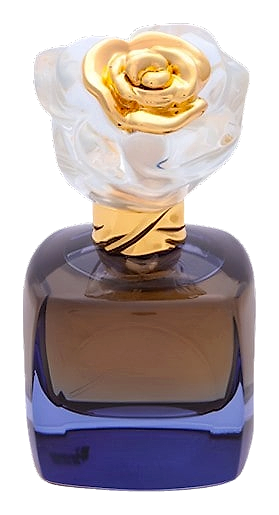
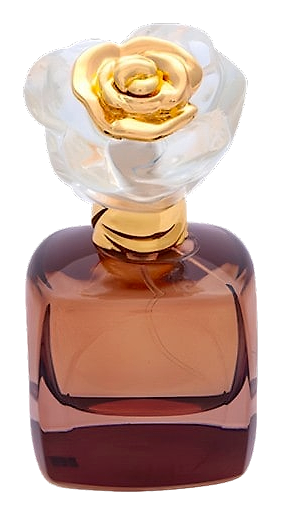
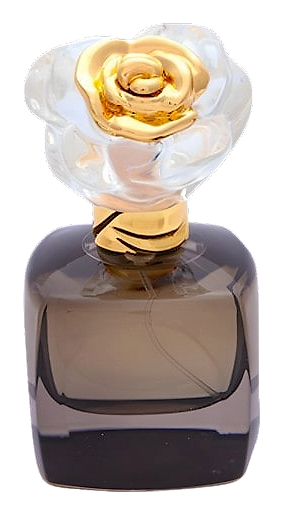
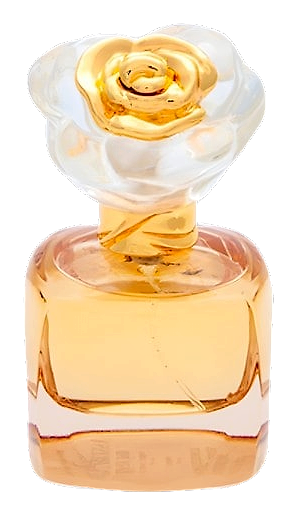
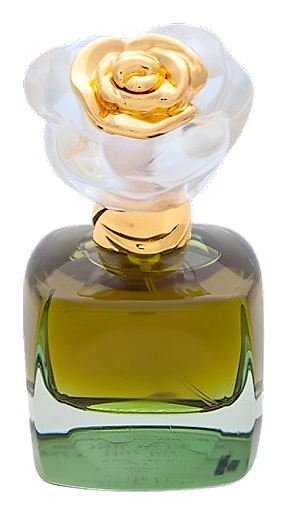
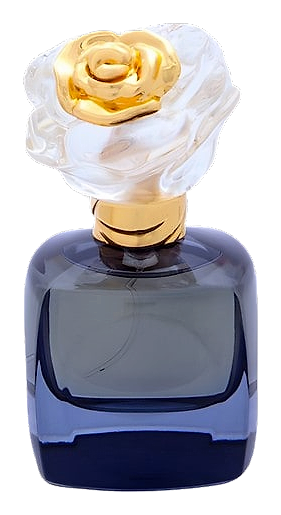
The Rose Rossa name belongs to the history of Guerlain and Aqua Allegoria, a fragrance line introduced in 1999. Guerlain traces the house’s beginnings to 1828 and its association with Empress Eugénie to a perfume created for her in 1853. Those dates describe the house and collection context in which Rose Rossa later appeared, but they should not be treated as the founding date of Rose Rossa itself. Rose Rossa compositions are documented as launching in 2019. The name draws on the Bulgarian rose, a flower with a long history in perfumery and a strong association with rose-growing traditions in Bulgaria. The available research does not establish a single Rose Rossa founder or a separate company history. Instead, the name reflects Guerlain’s practice of building fragrance families around a signature material, here the rose, and exploring it through variations in fruit, woods, musk and floral character. The 2019 Rose Rossa family appears to have extended that approach by releasing multiple named interpretations in the same period. Magnificent Grace, Strong Softness, Powerful Kindness, Spontaneous Confidence, Infinite Care, Talented Elegance, Opulent Modesty and Passionate Wisdom are the names recorded in the fragrance database supplied for this profile. Rose Rossa’s creative vision is clearest through the contrast between the recognizability of rose and the variety of its expressions. The original Aqua Allegoria Rosa Rossa places the flower within a fruit-led composition, with blackcurrant and lychee introducing brightness before a base described as creamy, powdery and musky, supported by sandalwood. This approach treats rose as the center of a structure rather than the entire scent profile. The 2019 family expands that idea through eight named compositions, each suggesting a different emotional register, from Strong Softness and Powerful Kindness to Infinite Care and Passionate Wisdom. The language of these names is part of the brand’s identity, but it should be understood as fragrance positioning rather than evidence of specific ingredients or performance claims. The collection also reflects Aqua Allegoria’s broader presentation of botanical materials through contrasting aromatic textures. Rose is paired with fruit, woods, musk and freshness rather than being rendered as a straightforward bouquet. The available material does not identify the perfumers who created the Rose Rossa compositions, so attribution remains open. The philosophy is therefore best described as variation within a consistent theme, using a single flower to generate multiple moods and sensory directions.