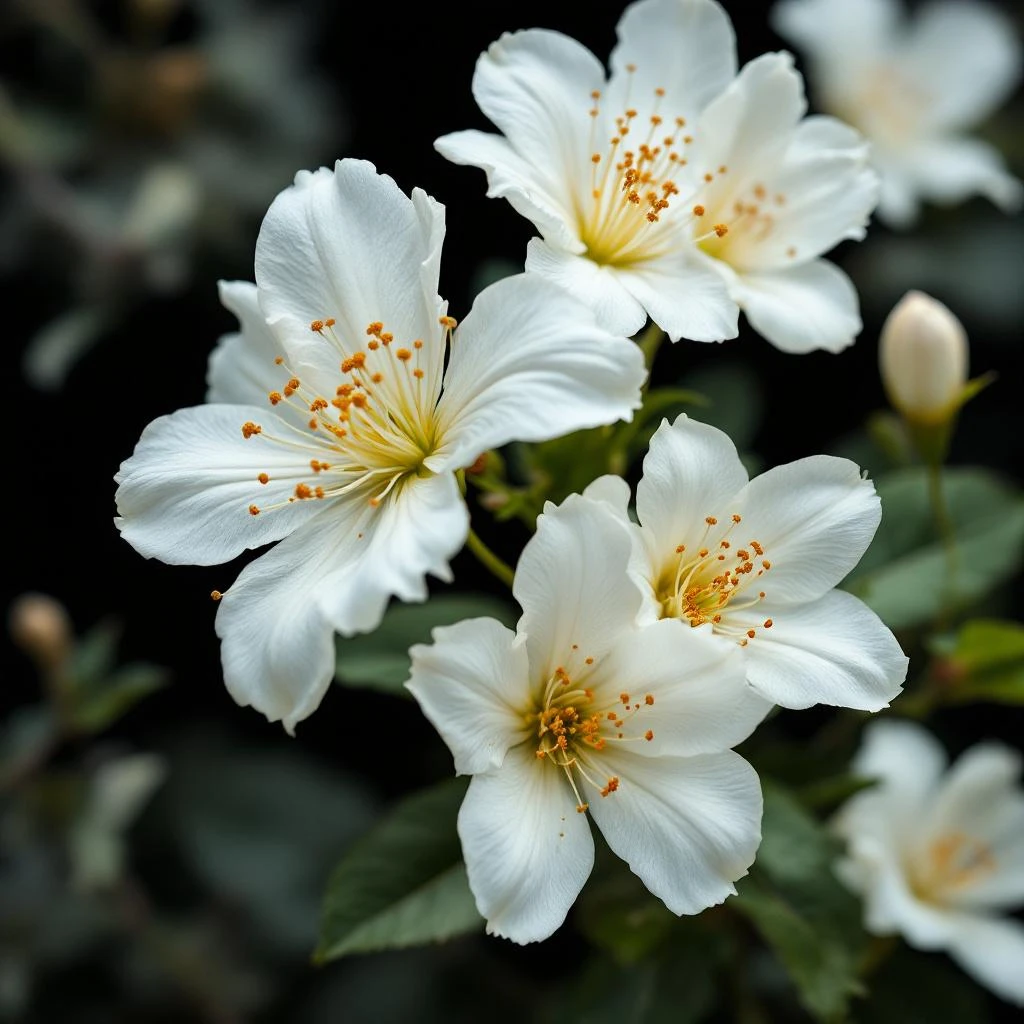
Colombian Frangipani
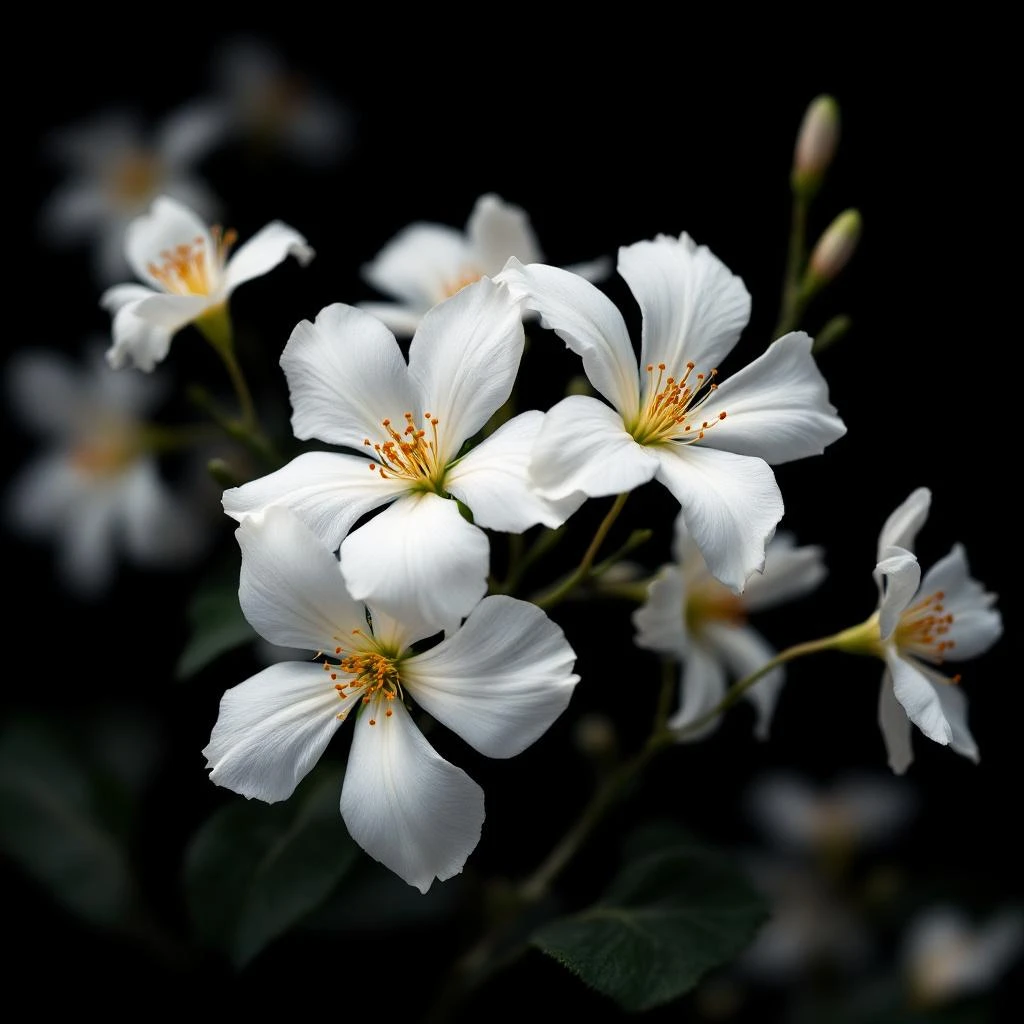
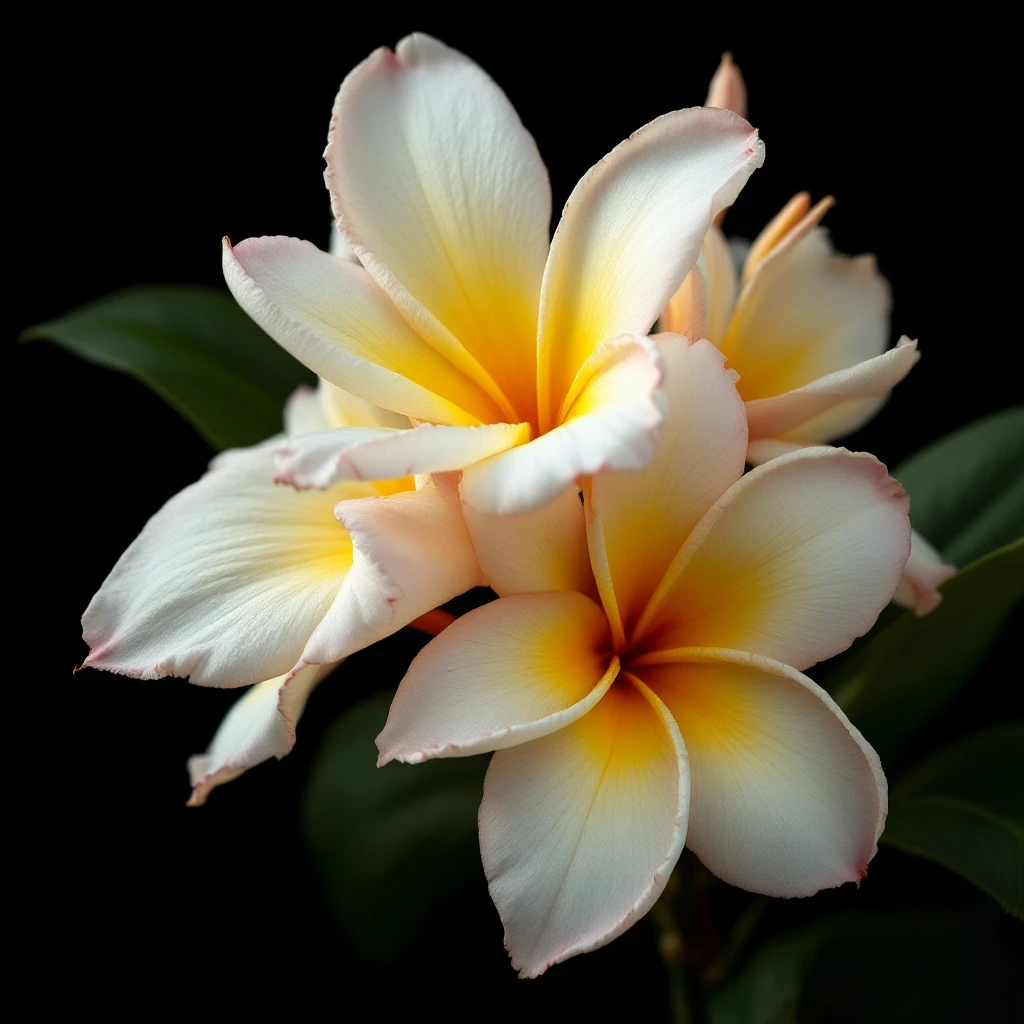
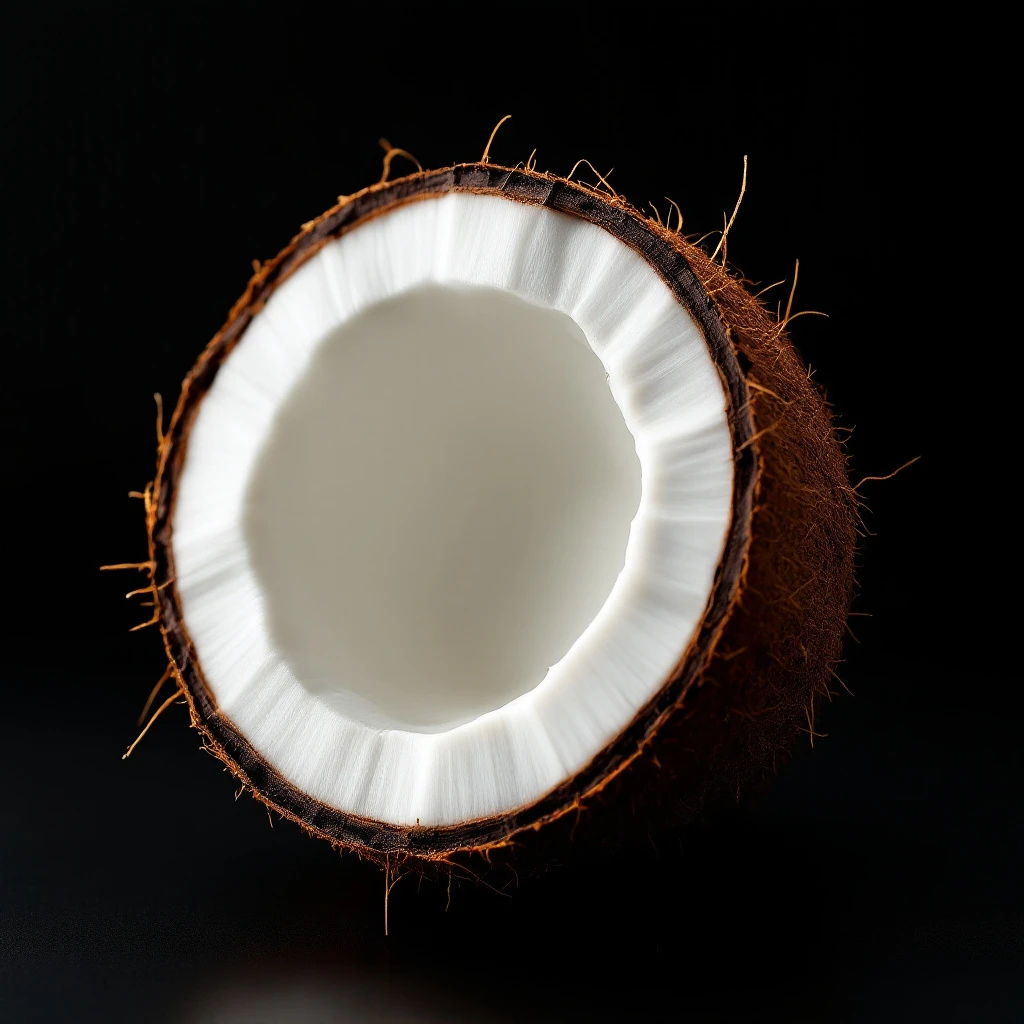
Colombian frangipani captures the essence of sun-warmed tropical gardens, offering creamy apricot and soft peach facets wrapped in a milky, almost coconut-like sweetness that defines modern white florals.
Character
How it smells
Tropical cream, bottled in sunlight.
The actual frangipani flower resists natural extraction entirely, so every whiff in perfumery is a molecular illusion crafted from captive synthetic molecules.
Pairs beautifully with
Origin
Colombia
The frangipani story begins not with a flower but with a Roman nobleman. In the 16th century, Marquis Muzio Frangipani devised a perfume for scenting leather gloves, a prized luxury across Renaissance Europe. His recipe, built from orris root, spices, civet, and musk, grew so celebrated that when Spanish explorers later encountered Plumeria blooming in the Caribbean and Central America, they named the flower after his creation.
The Plumeria genus had already spread naturally through tropical Americas, including modern Colombia, where pre-Columbian cultures revered the tree for its ornamental and spiritual qualities long before European contact. Colombian frangipani carries this layered heritage: indigenous roots in Muisca and Quimbaya territories, colonial-era cultivation in monastery gardens, and contemporary status as a national botanical symbol. The species Plumeria rubra and Plumeria obtusa thrive across Colombian valleys, their scent intensifying after sunset to attract sphinx moths.
Today, Colombian perfumers draw on both this deep botanical tradition and the original Frangipani family's artisan legacy to construct an accord that bridges Old World craft and New World abundance.
Wears it best
Fragrances featuring Colombian Frangipani
Brands
Brands known for Colombian Frangipani
Good to know
Questions, answered
The essentials on Colombian Frangipani in perfumery: how it smells, where it comes from, and how it behaves on skin.
What does Colombian frangipani smell like?
Colombian frangipani offers a creamy, tropical profile dominated by ripe apricot and soft peach, with supporting notes of coconut, warm skin musk, and a faint linalool-like citrus brightness. Colombian cultivars tend to lean more lactonic and milky than varieties from other regions.
Can frangipani be naturally extracted for perfume?
No. Frangipani flowers resist steam distillation and yield negligible material through solvent extraction. Perfumers reconstruct the scent using synthetic aroma molecules identified through headspace analysis, sometimes blended with supporting naturals like ylang-ylang and tonka.
Where does Colombian frangipani grow?
Colombian frangipani thrives in warm, humid regions including the Andean coffee axis, the Magdalena Valley, and the foothills surrounding Quindío. These zones offer stable temperatures between 18 and 30 degrees Celsius, ideal for strong scent production in Plumeria rubra.
Is frangipani the same as plumeria?
Yes. Frangipani is the common name for the Plumeria genus, named after 16th century Italian nobleman Marquis Frangipani, who created a famous glove perfume centuries before the flower received its association.
Why is frangipani difficult to capture in perfumery?
The flower's waxy petals contain volatile compounds that degrade rapidly during heat-based extraction. Steam distillation destroys the delicate lactones responsible for its creamy character, making synthetic reconstruction the industry standard.
What Colombian regions produce the best frangipani for perfumery?
The Quindío department and surrounding coffee triangle produce some of Colombia's most aromatic Plumeria specimens. Higher elevation combined with volcanic soil appears to increase lactone concentration in the blooms.
What ingredients mimic frangipani in fragrance compositions?
Perfumers typically combine benzyl benzoate, linalool, gamma-undecalactone, and coconut-derived lactones to approximate frangipani. Supporting naturals like ylang-ylang, tiare absolute, and tonka bean add depth and authenticity to reconstructed accords.
When does Colombian frangipani bloom?
Peak flowering occurs during the dry season, from December through March, with secondary blooms in July. Flowers open at dusk and release their strongest fragrance overnight, a trait that guides hand-harvesting schedules for analytical and experimental extraction work.