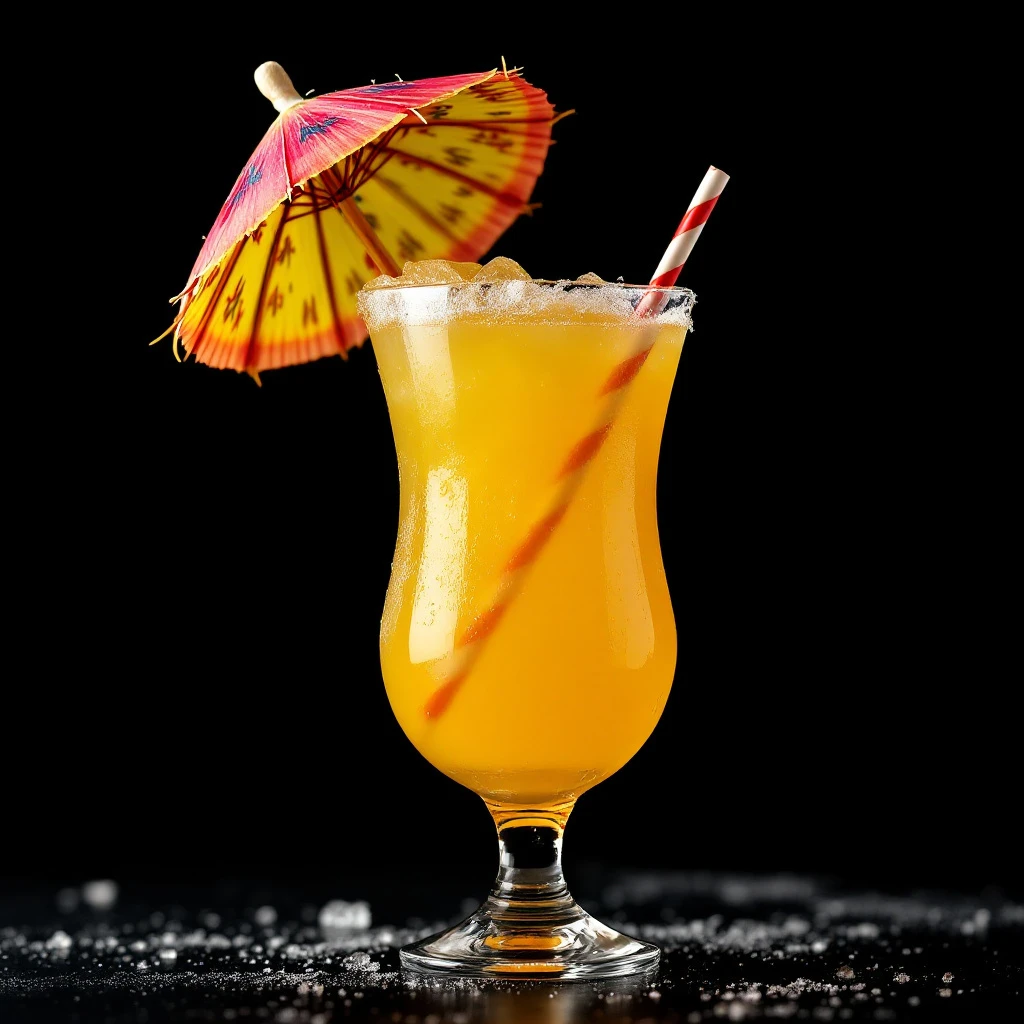
Mai Tai Cocktail
Born at Trader Vic's Oakland bar in 1944, the Mai Tai captures Caribbean rum warmth, almond orgeat sweetness, lime brightness, and curaçao bitterness in a single glass, now translated into fragrance as a tropical cocktail accord.
Character
How it smells
Rum, orgeat, lime, and curaçao turned into scent.
The Mai Tai became so popular in the 1940s and 50s that it reportedly strained global rum supplies, a feat almost unheard of for a single cocktail.
Pairs beautifully with


Origin
United States
Victor Bergeron, better known as Trader Vic, mixed the first Mai Tai in 1944 at his Oakland restaurant for friends visiting from Tahiti. When one guest exclaimed "Mai tai, roa ae!" (meaning "out of this world, the best" in Tahitian), the name stuck.
The original formula was deceptively simple: aged Jamaican rum, orgeat, curaçao, and lime juice. It spread rapidly through American Tiki culture during the postwar boom, becoming one of the defining drinks of the mid-century tropical revival. As cane juice rums from Martinique and Hawaii gained global recognition, the cocktail's palate profile broadened.
Fragrance houses later adapted these layered flavor sensations into wearable accords, drawing on rum's warm fermented sweetness, almond's nutty depth, citrus oils' brightness, and curaçao's bitter orange signature to evoke an entire evening under a tiki torch.
Wears it best
Fragrances featuring Mai Tai Cocktail
Brands
Brands known for Mai Tai Cocktail
Good to know
Questions, answered
The essentials on Mai Tai Cocktail in perfumery: how it smells, where it comes from, and how it behaves on skin.
What does Mai Tai Cocktail smell like in a fragrance?
Mai Tai Cocktail reads as a tropical rum accord with almond sweetness from orgeat, tart lime oil at the top, and a bitter orange linger from curaçao. Expect boozy warmth, nutty softness, and citrus brightness rather than a literal fruit punch.
Is Mai Tai Cocktail a natural or synthetic note?
It is an accord built from both natural and synthetic materials. Lime and bitter orange peel are cold-pressed; rum comes through vacuum-distilled essence; bitter almond is often represented by synthetic benzaldehyde. Most commercial versions lean reconstructive.
Which fragrance families include Mai Tai Cocktail notes?
The note appears primarily in tropical and gourmand fragrance families. Tiki-themed summer scents, beachy eau de toilettes, and boozy gourmand compositions (think coconut, pineapple, vanilla pairings) are the most common homes for this accord.
When was the Mai Tai cocktail invented?
Victor Bergeron (Trader Vic) created the Mai Tai in 1944 at his Oakland, California restaurant. The name came from Tahitian visitors who reportedly called it "mai tai roa ae," meaning "out of this world."
Does Mai Tai Cocktail fragrance actually contain real rum?
No wearable fragrance contains consumable rum. Top notes labeled Mai Tai use rum essence, a vacuum-distilled concentrate from fermented sugarcane, or aroma-molecule reconstructions that capture rum's caramel and ester profile without alcohol.
What ingredients make up a Mai Tai accord?
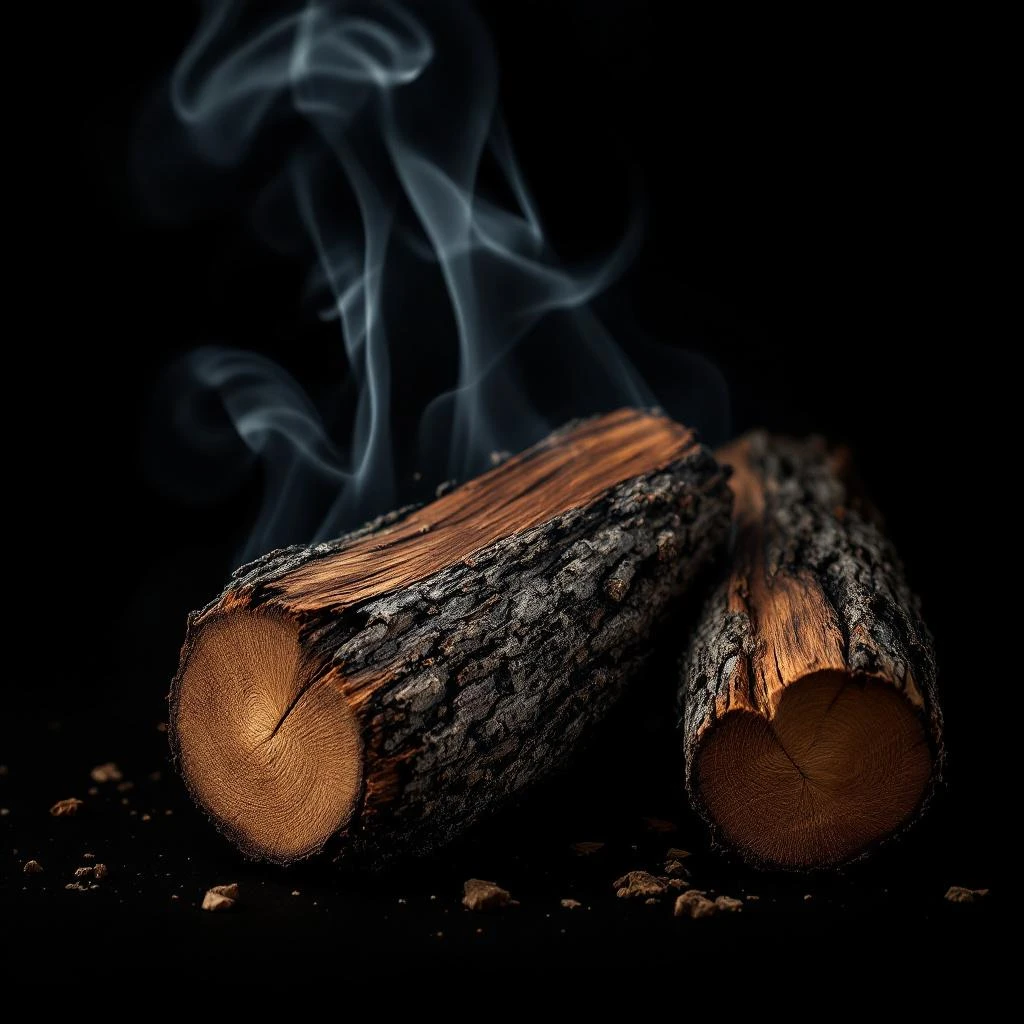
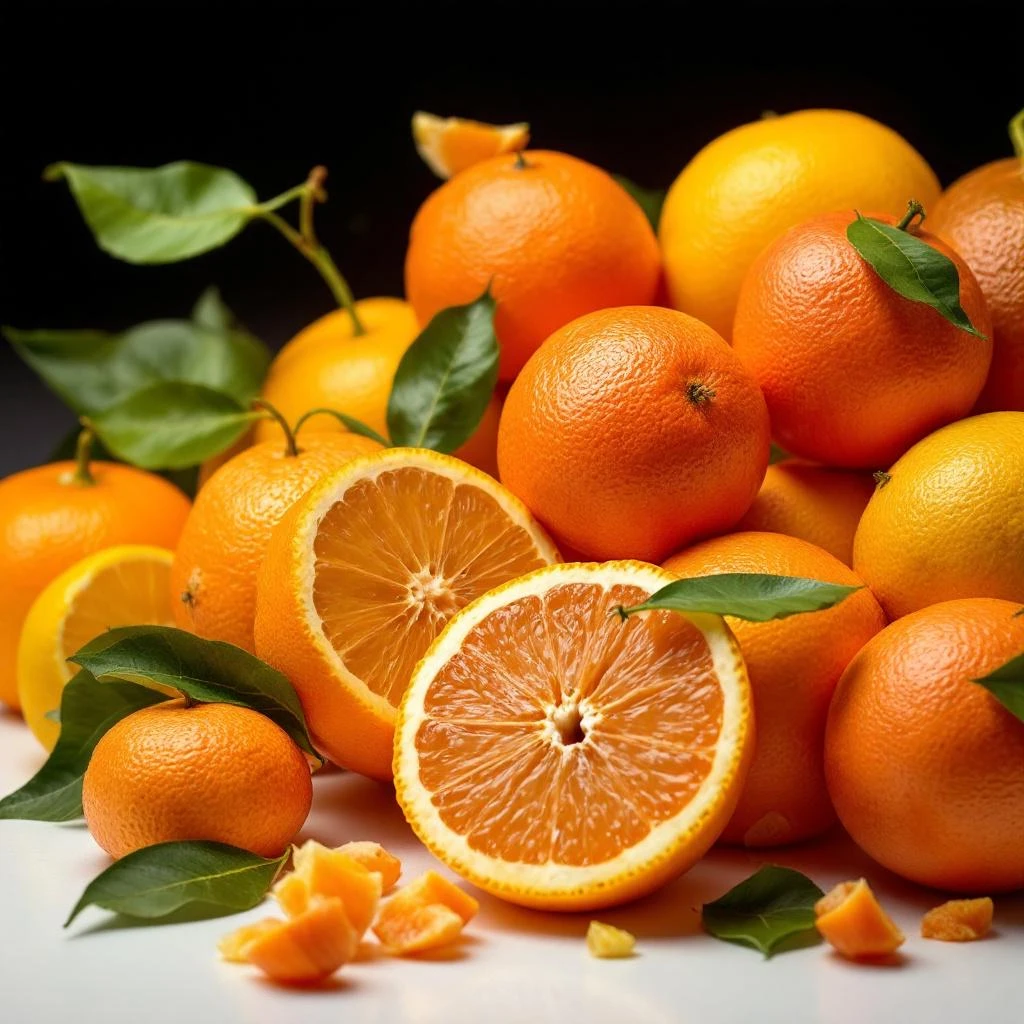
A typical Mai Tai fragrance accord combines rum essence or rum absolute, orgeat syrup notes (usually bitter almond plus rose), pressed lime oil, bitter orange oil from Curaçao, and sometimes isoamyl acetate for the banana-like warmth present in aged rums.
Why is Mai Tai Cocktail a popular fragrance note in summer scents?
Its combination of citrus brightness (lime, curaçao), nutty sweetness (orgeat), and warm gourmand undertones (rum) maps directly onto the sensory cues people associate with beachside vacations and tropical cocktails. The note triggers nostalgia and escapism in equal measure.
How does Mai Tai Cocktail differ from a plain rum accord?
A standalone rum note emphasizes caramelized sugarcane, molasses, and oak barrel warmth. Mai Tai Cocktail expands that profile with almond (orgeat), lime juice sharpness, and bitter orange (curaçao), producing a far more complex tropical cocktail identity.