Magnolia Pollen
Magnolia pollen captures the sun-warmed essence of magnolia blossoms at their most potent. This rare material carries the flower's signature citrus-floral character with an intensified, slightly honeyed depth prized by perfumers.
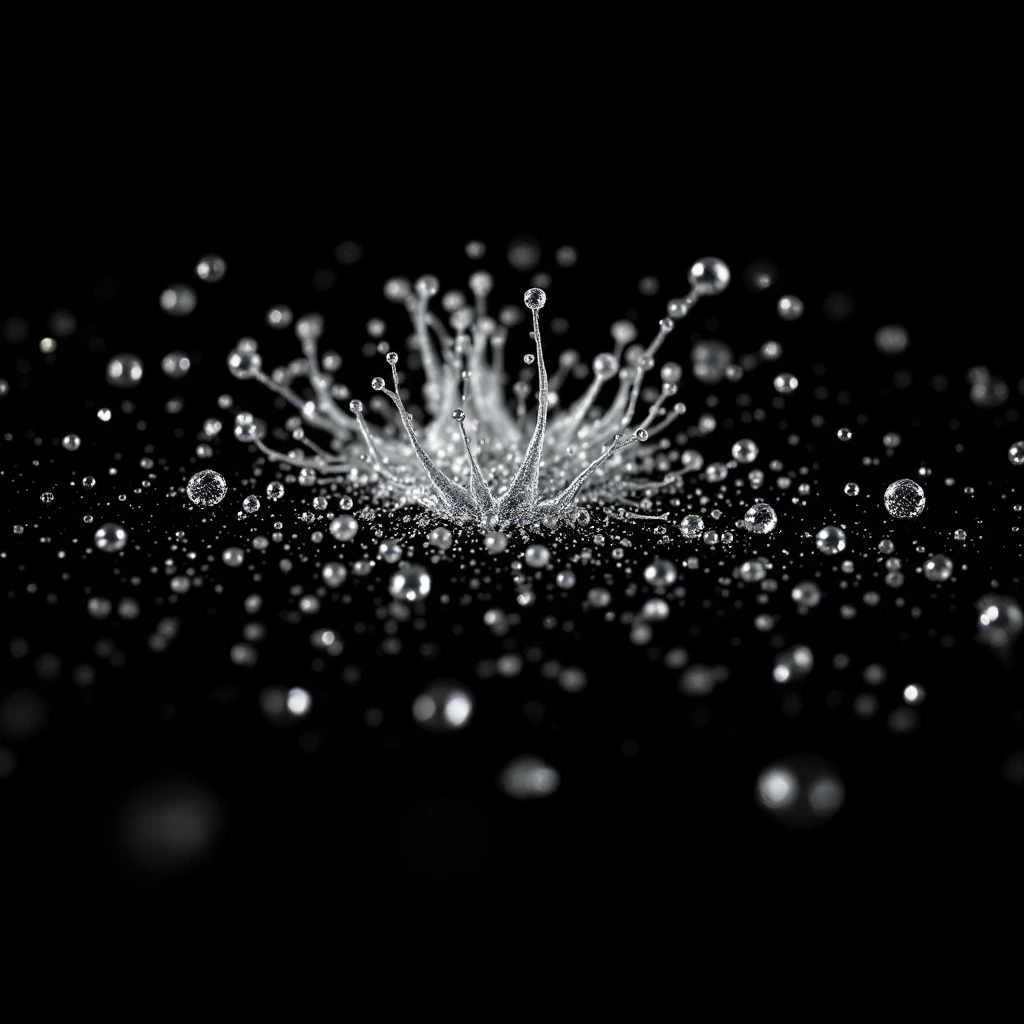
Character
How it smells
A sun-drenched white flower with bold citrus-floral character.
The magnolia carries a botanical namesake: French botanist Pierre Magnol pioneered the concept of classifying flora into plant families.
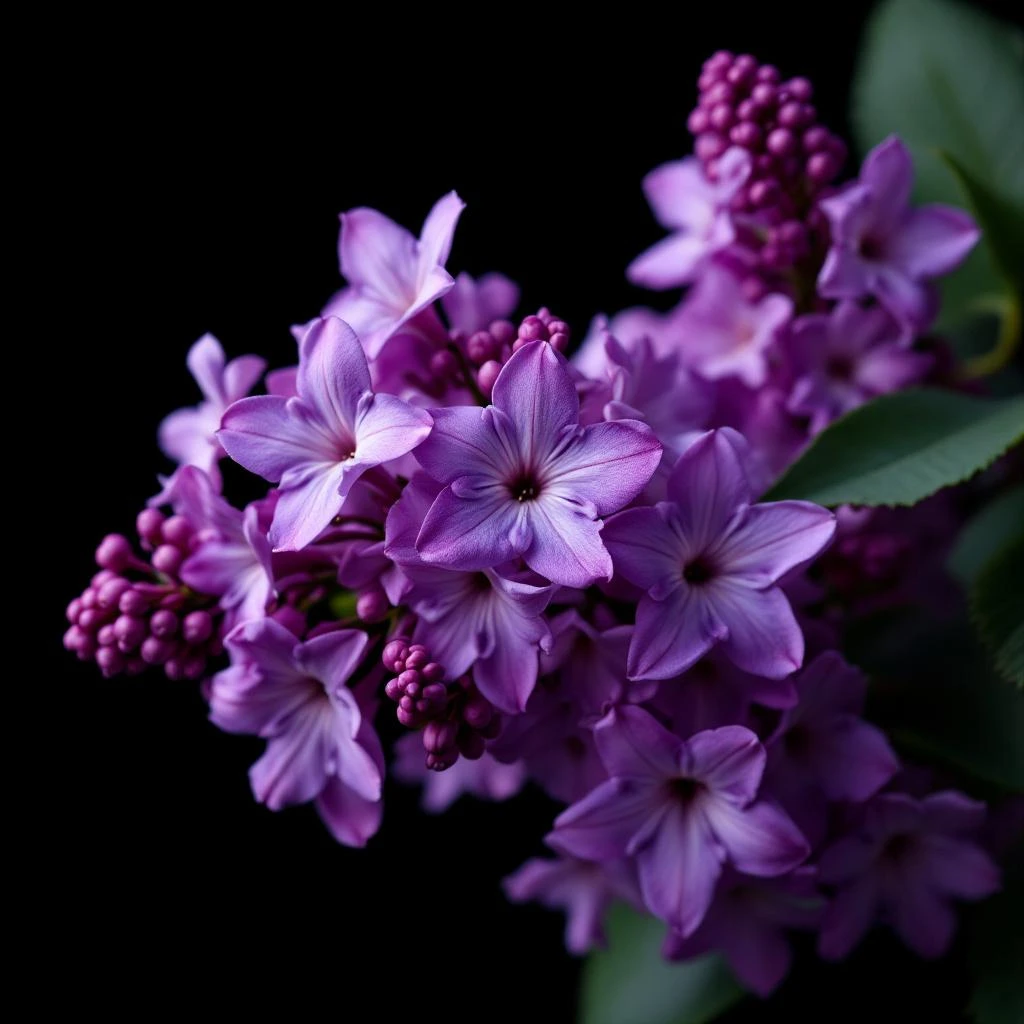
Pairs beautifully with




Origin
China
The magnolia carries a scientific name that honors Pierre Magnol, a 17th-century French botanist who revolutionized botany by proposing that plants should be grouped into families based on shared characteristics. This classification system became foundational to modern taxonomy. While magnolia has Asian origins, it became a symbol of purity and dignity across cultures, gracing gardens from China to the American South.
In perfumery, the flower gained prominence for its multi-faceted scent, which offers both bright citrus and creamy floral qualities in a single bloom. Though magnolia flower oil itself is not produced commercially, perfumers have long sought ways to incorporate this solar white flower's character into compositions, leading to the development of extracted absolutes and inspired synthetic accord.
Wears it best
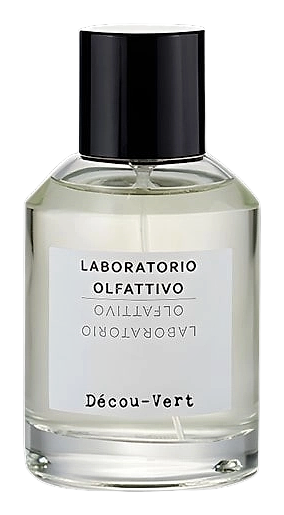
Fragrances featuring Magnolia Pollen
Brands
Brands known for Magnolia Pollen
Good to know
Questions, answered
The essentials on Magnolia Pollen in perfumery: how it smells, where it comes from, and how it behaves on skin.
What is magnolia absolute?
Magnolia absolute is a highly concentrated aromatic material obtained through solvent extraction of magnolia blossoms. It captures the full complexity of the flower's scent, including its characteristic citrus-floral profile and creamy undertones.
What species are used for magnolia fragrance materials?
The primary species are Magnolia grandiflora and Michelia alba. Magnolia grandiflora is particularly prized for its rich, multi-faceted scent. Michelia alba offers slightly different aromatic nuances.
Where does magnolia pollen originate?
Commercial production occurs in China's Guangxi and Fujian provinces. These regions provide the warm, humid climate that magnolia trees require for optimal growth and aromatic development.
How is magnolia absolute extracted?
The process uses solvent extraction. Blossoms are treated with a solvent to produce a concrete, which is then washed with alcohol to yield the absolute. Heat-based methods like steam distillation are unsuitable for this delicate material.
What does magnolia pollen smell like?
The scent combines bright citrus notes with lush floral character. Warm, slightly sweet undertones and a creamy quality complete the profile. It reads as both fresh and enveloping, a solar white flower.
Is magnolia pollen natural or synthetic?
Both natural and synthetic options exist. Natural magnolia absolute comes from solvent extraction of blossoms. Synthetic magnolia accord recreates the scent profile in the laboratory, often using compounds like linalool and coumarin.
Which perfume families use magnolia?
Magnolia appears across floral, chypre, and oriental compositions. Its citrus-floral versatility makes it useful in both light summer fragrances and richer, more opulent perfumes. It often features as a heart note.
How does magnolia pollen differ from other white floral ingredients?
Magnolia pollen and blossom materials offer a distinctive citrus-floral combination that sets them apart. Unlike gardenia or tuberose, magnolia carries a lemon-like brightness alongside its creamy floral character, adding complexity to compositions.



