Macedonian Juniper Berry
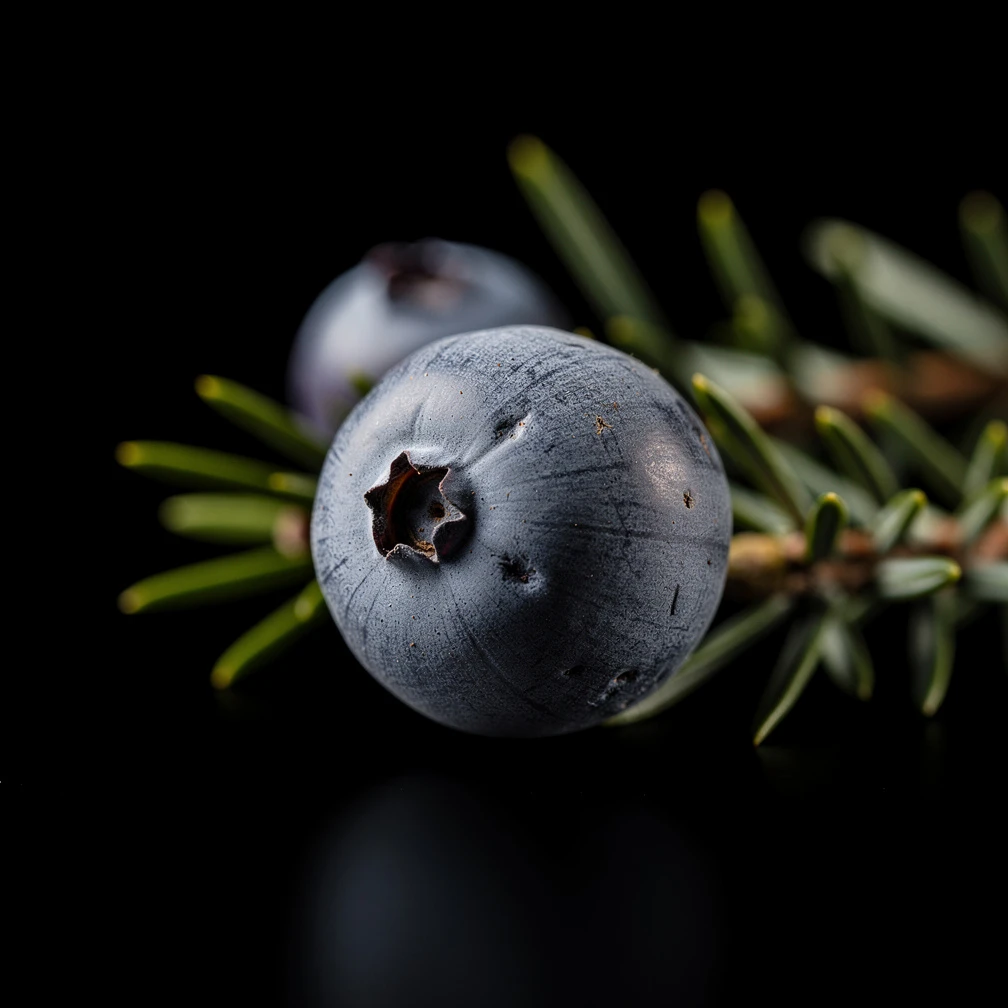
From the rocky Balkan slopes, Macedonian juniper berries deliver a sharp, peppery pine aroma that anchors gin and launched the entire fougère family of perfumery in 1882. These blue-black cones are not true berries but fused female cones prized for their rounded berry-spice character.
Character
How it smells
Peppery pine. Rounded berry-spice. The soul of gin.
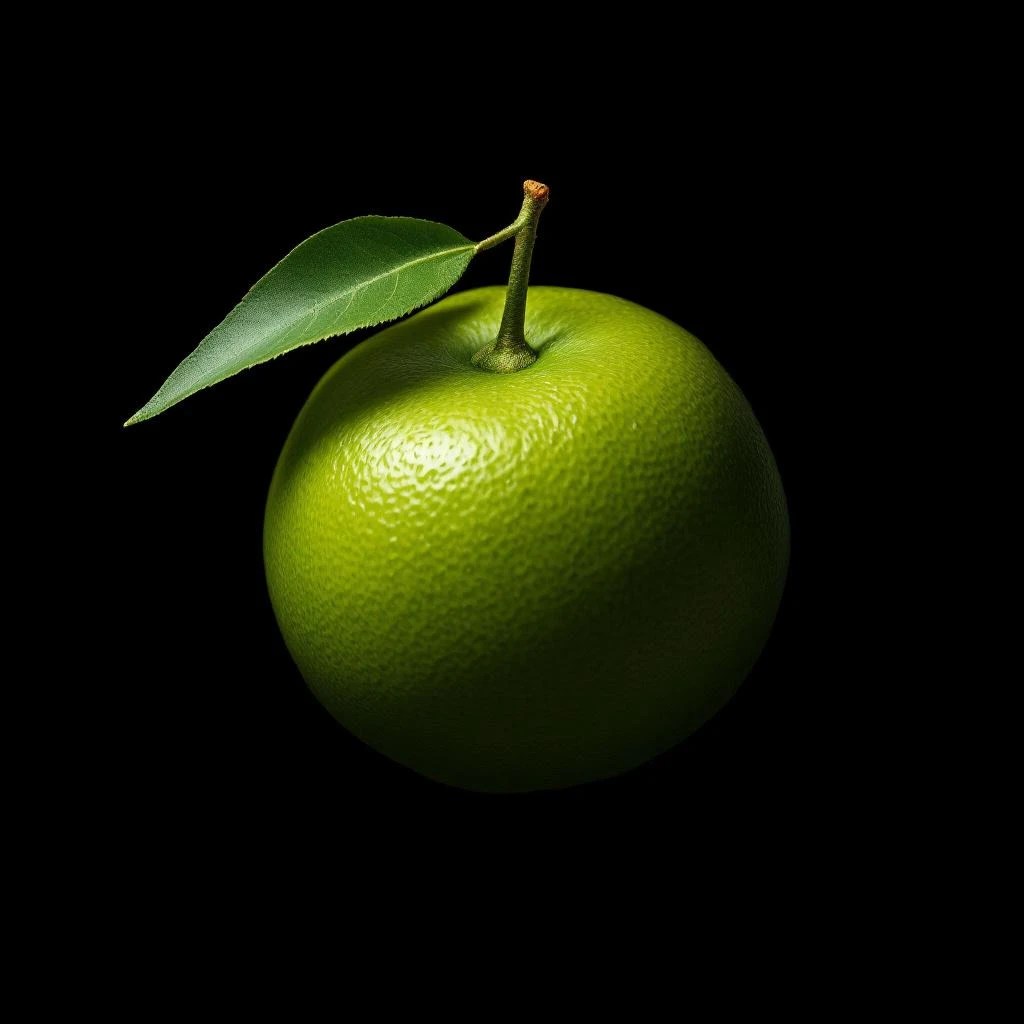
Macedonia produces more juniper berries than any other country. The berries are not true berries at all — they are fused female cones that take two to three years to ripen from green to blue-black.




Origin
North Macedonia
Juniper appears in some of the oldest fragrance records on record. The Philae inscription, listing ingredients with the precision of a pharmaceutical formula, includes juniper alongside frankincense, myrrh, and pine kernels. Across Europe, juniper wood and berries burned as protection against demons, disease, and witches.
Country hares were said to hide in juniper bushes because the scent confused hunting dogs. The ingredient gained its defining modern role in the 17th century when Dutch distillers developed jenever, the predecessor of gin. The name gin itself derives from jenever, the Dutch word for juniper.
French perfumers adopted the botanical for fine fragrance in 1882, creating the first fougère and establishing a fragrance family that endures today. Commercial production centres on the Balkans, with North Macedonia as the dominant supplier. Harvesting methods remain largely unchanged: farmers strike the juniper trees and gather the fallen cones by hand.
Wears it best
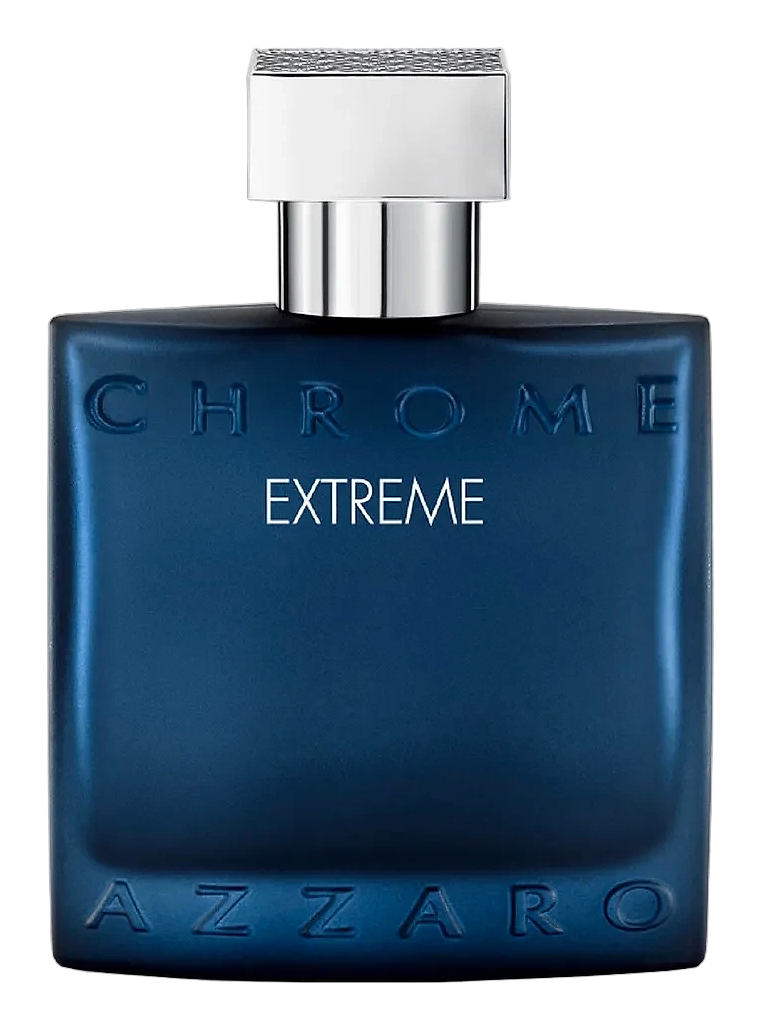
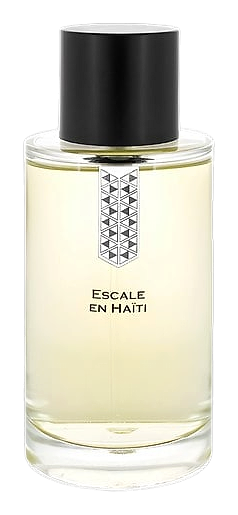
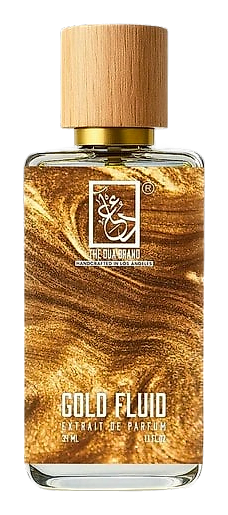
Fragrances featuring Macedonian Juniper Berry

Brands
Brands known for Macedonian Juniper Berry
Good to know
Questions, answered
The essentials on Macedonian Juniper Berry in perfumery: how it smells, where it comes from, and how it behaves on skin.
What does Macedonian juniper berry smell like?
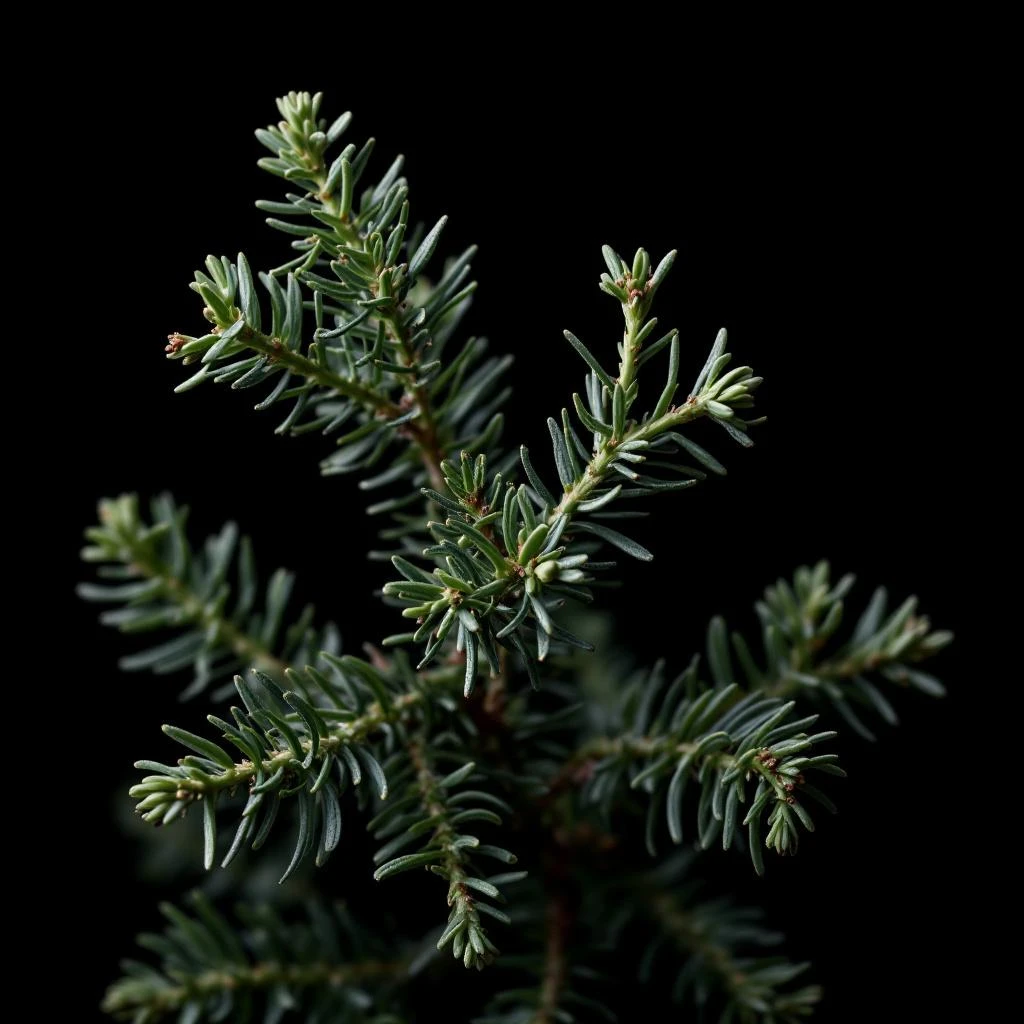
Sharp, peppery pine with a rounded berry-spice quality. The myrcene and sabinene fractions provide the characteristic peppery warmth, while a green-herbaceous overlay gives it a fresh pine-forest character distinct from cypress or fir.
Where does Macedonian juniper berry come from?
North Macedonia is the world's largest producer. The broader Balkan region, spanning Slovenia, Bulgaria, Albania, North Macedonia, and Croatia, supplies the bulk of perfumery-grade Juniperus communis oil.
How is Macedonian juniper berry oil extracted?
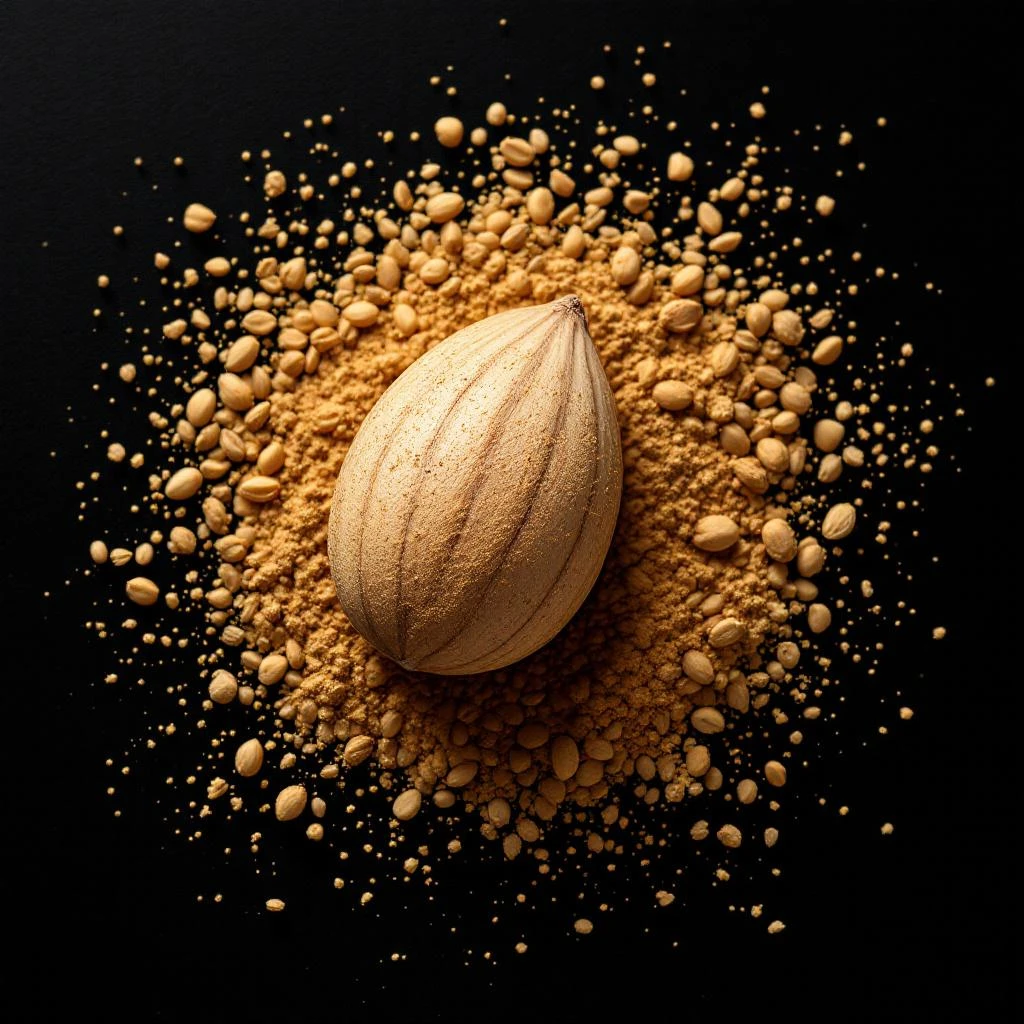
Steam distillation of ripe berries. Harvesters collect blue-black cones by striking the trees and gathering fallen fruit. Each cone contains three seeds with oil glands that yield the characteristic peppery, resinous oil.
What fragrance families use Macedonian juniper berry?
Fougères, ambers, and chypres primarily. It functions as a modifier and citrus booster. The fresh spicy character appears increasingly in gender-neutral fragrances, moving beyond its traditional association with men's scents.
Is Macedonian juniper berry the same as gin juniper?
Same botanical source, different preparations. Gin uses crushed or infused berries directly. Perfumery uses steam-distilled essential oil, which concentrates the aromatic compounds into a more refined, versatile fragrance material.
What concentration is Macedonian juniper berry oil used at in perfumery?
Typically 0.5 to 3% in fine fragrance. Its intense, terpenic character means small doses deliver maximum impact. IFRA allows up to 18.18% in specific product categories, but perfumers rarely approach that level.
Can Macedonian juniper berry be replaced synthetically?
Partially. Dihydromyrcenol mimics some freshness aspects but is lime-like and metallic rather than green, spicy, and resinous. No current synthetic captures the full rounded berry-spice profile of natural oil.
How long do Macedonian juniper berries take to mature?
Two to three years. The fleshy female cones ripen from green to blue-black over this period, developing the resinous pulp and three peppery seeds that give the oil its characteristic aroma.