Lychee Tea
A sun-drenched pairing of tropical lychee and freshly steeped tea. Perfumers reconstruct lychee's elusive sweetness through synthetic chemistry, then weave it with green or oolong tea extracts for a result that smells like afternoon light through a window.
Character
How it smells
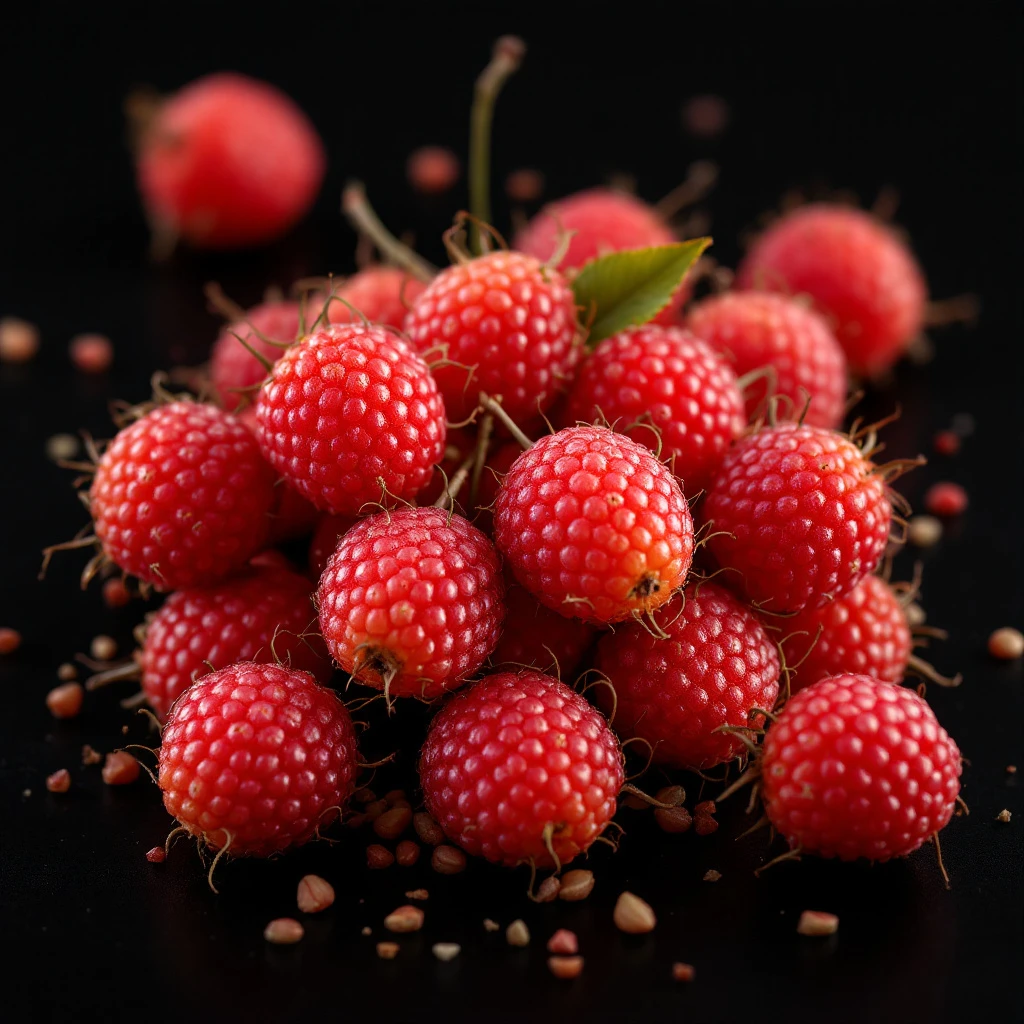
Where tropical fruit meets morning tea.
Lychee contains no fragrance-essential oil. Every lychee note in every perfume is a chemist's reconstruction, built molecule by molecule.



Origin
China
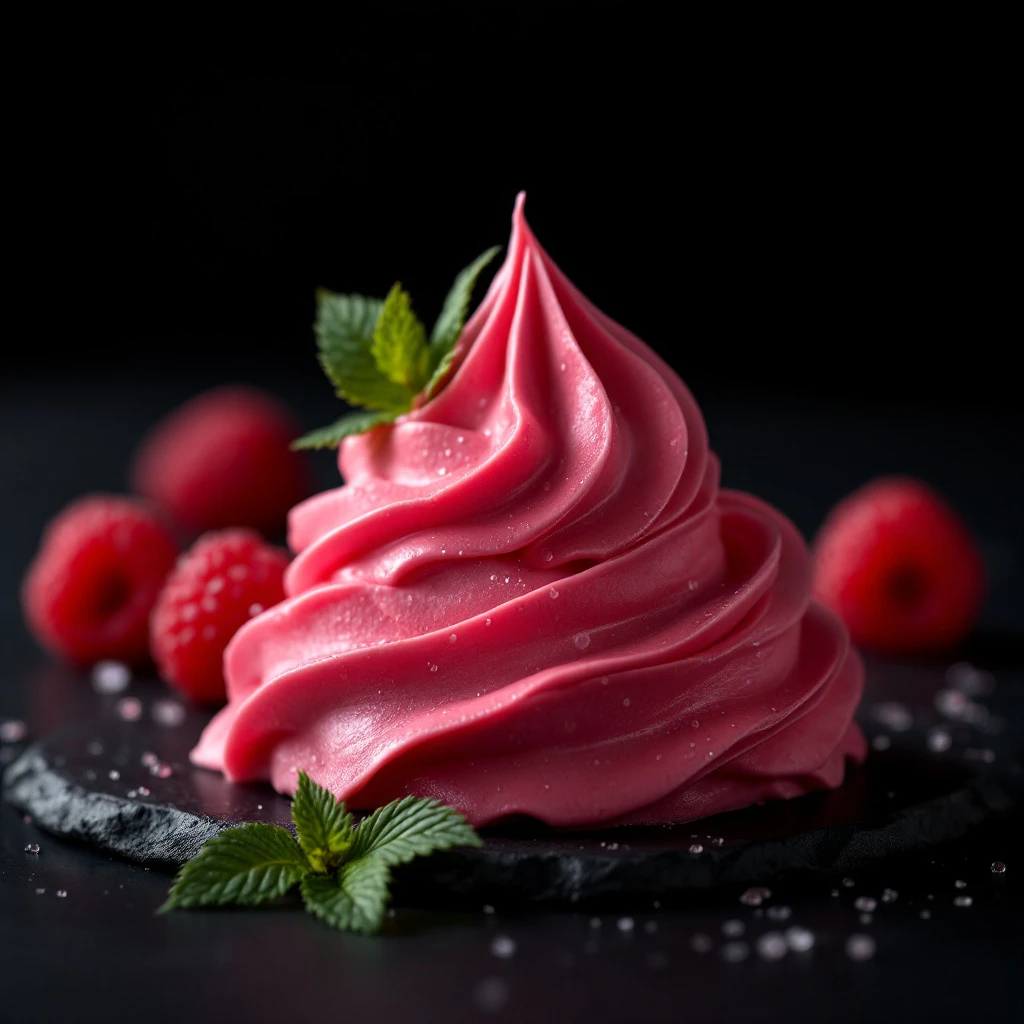
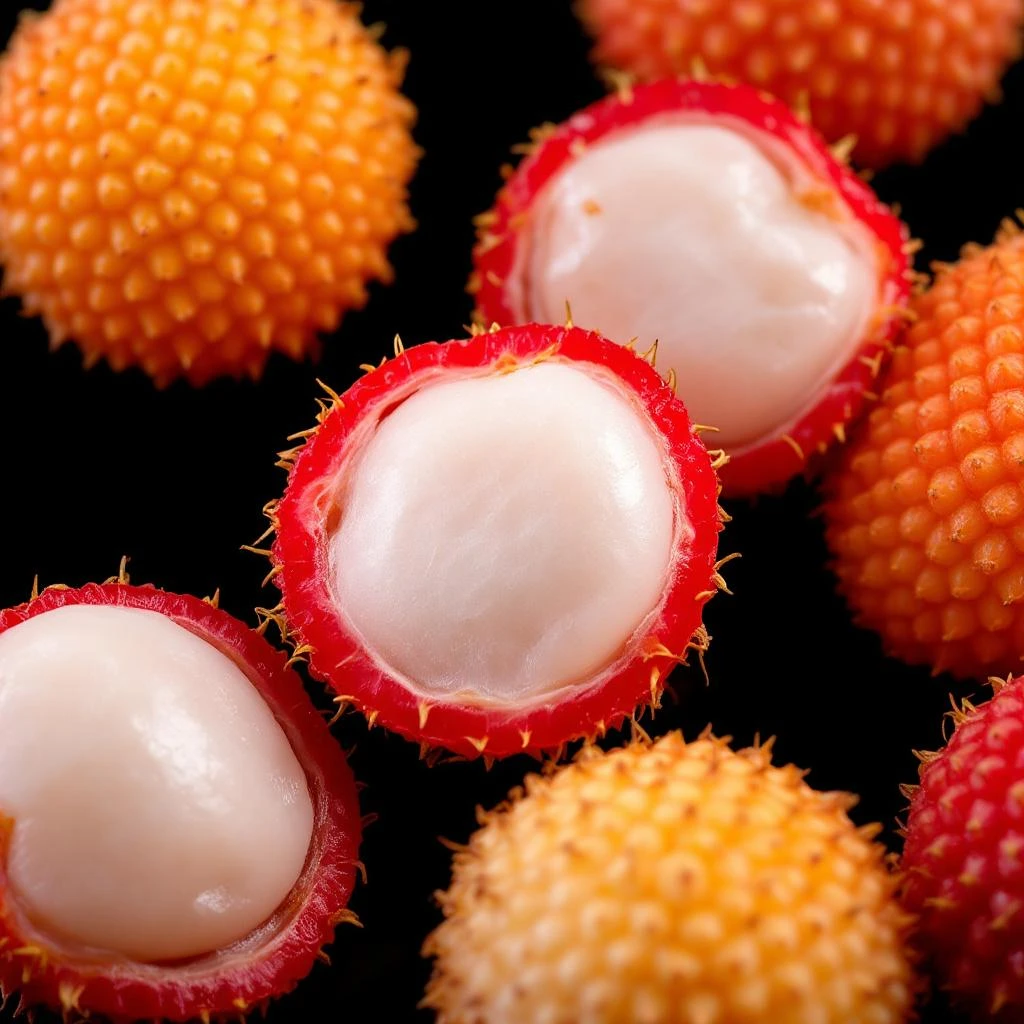
Lychee has grown in southern China for over 2,000 years, prized in imperial courts and mentioned in classical texts. China still produces more than 70 percent of the world's lychee today. Tea has an even longer history, domesticated in Yunnan Province around 6,000 years ago.
The pairing of lychee and tea in perfumery emerged from the broader 20th-century trend toward fruity-gourmand compositions. As synthetic chemistry advanced, perfumers gained access to stable, reproducible lychee molecules that could be married with natural or extracted tea notes, creating a bridge between two ancient sensory traditions.
Wears it best
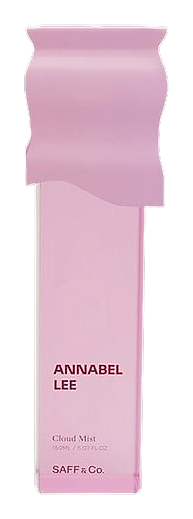
Fragrances featuring Lychee Tea
Brands
Brands known for Lychee Tea
Good to know
Questions, answered
The essentials on Lychee Tea in perfumery: how it smells, where it comes from, and how it behaves on skin.
Is lychee oil used in perfumery?
No. Lychee does not yield a usable essential oil through any extraction method. Every lychee note in perfume is created synthetically, reconstructing the fruit's sweet, tart, and watery aroma from individual molecules.
What gives lychee its characteristic scent?
The molecule cis-rose oxide contributes a rosy, slightly metallic sweetness. Blended with aldehydes and lactones, these molecules reproduce lychee's balance of fruit, tartness, and milky wateriness.
What type of tea is used in lychee tea fragrance?
Green tea and oolong tea extracts are most common. Both come from Camellia sinensis, with green tea providing sharper, greener notes and oolong adding a fuller, slightly fermented warmth.
Where does lychee originate?
Southern China, where subtropical conditions and well-drained soils have supported cultivation for centuries. China still produces over 70 percent of the world's lychee crop.
How are tea extracts made for perfumery?
Tea leaves undergo steam distillation or solvent extraction. Steam distillation isolates the volatile top notes. Solvent extraction, using hexane or ethanol, captures a broader range of aromatic compounds for a richer, more rounded material.
Does lychee tea smell more like fruit or tea?
It depends on the formulation. A fruity-dominant style leads with lychee's tropical sweetness. A tea-dominant style emphasizes green, slightly bitter, astringent notes with lychee as a shimmering accent on top.
What fragrances pair well with lychee tea?
Lychee tea sits naturally alongside florals like rose and peony, citrus, white musk, and green notes. It also complements other fruits, making it versatile in both light daytime compositions and richer evening scents.
Is lychee tea a natural or synthetic ingredient?
It is a hybrid. The lychee component is entirely synthetic, as no natural extract exists. The tea component may be natural (extracted from Camellia sinensis) or reproduced synthetically, depending on the perfumer's approach.