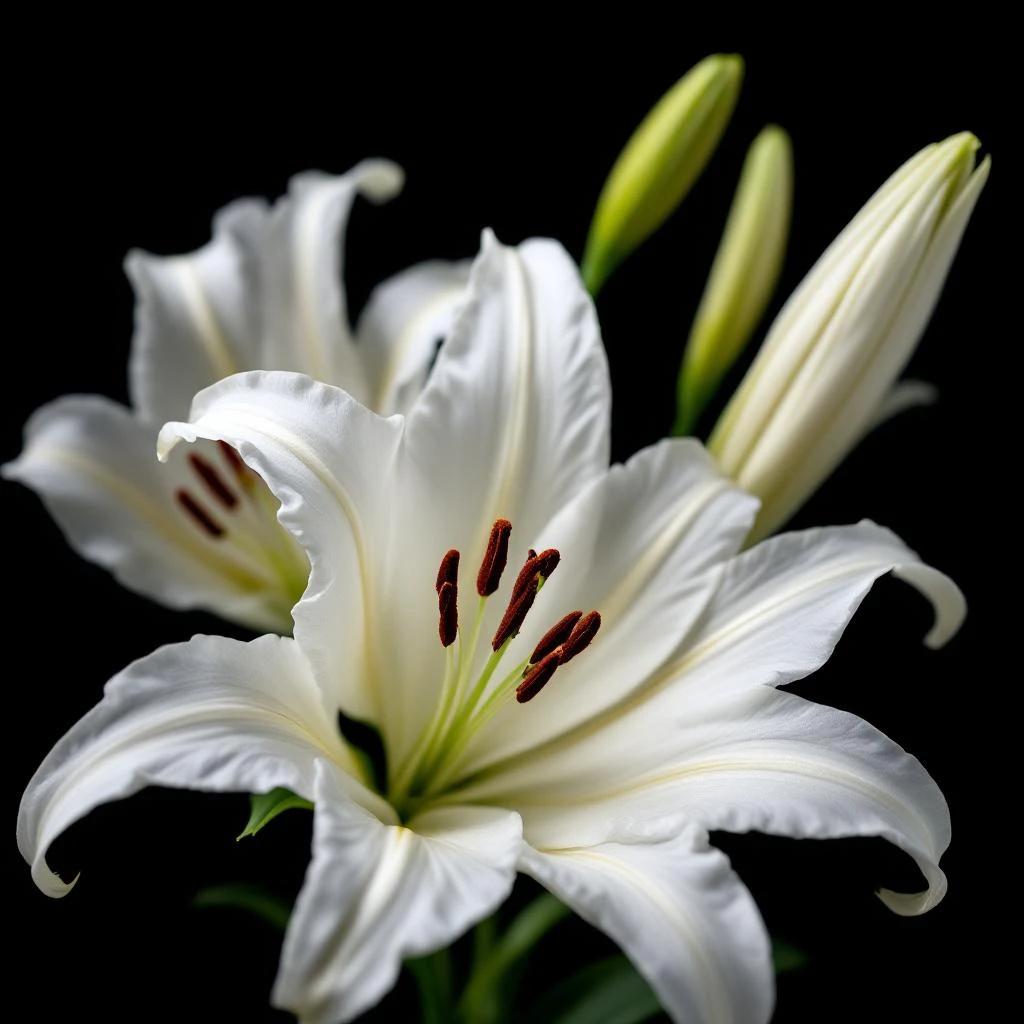
Lemon Blossoms
Lemon blossoms deliver an unexpected floral sweetness, far removed from the tart citrus of the fruit. Their delicate, honeyed aroma surprises those expecting sharpness, offering a soft, romantic character that adds luminous top notes to modern fragrances.
Character
How it smells
When the blossom defies the fruit
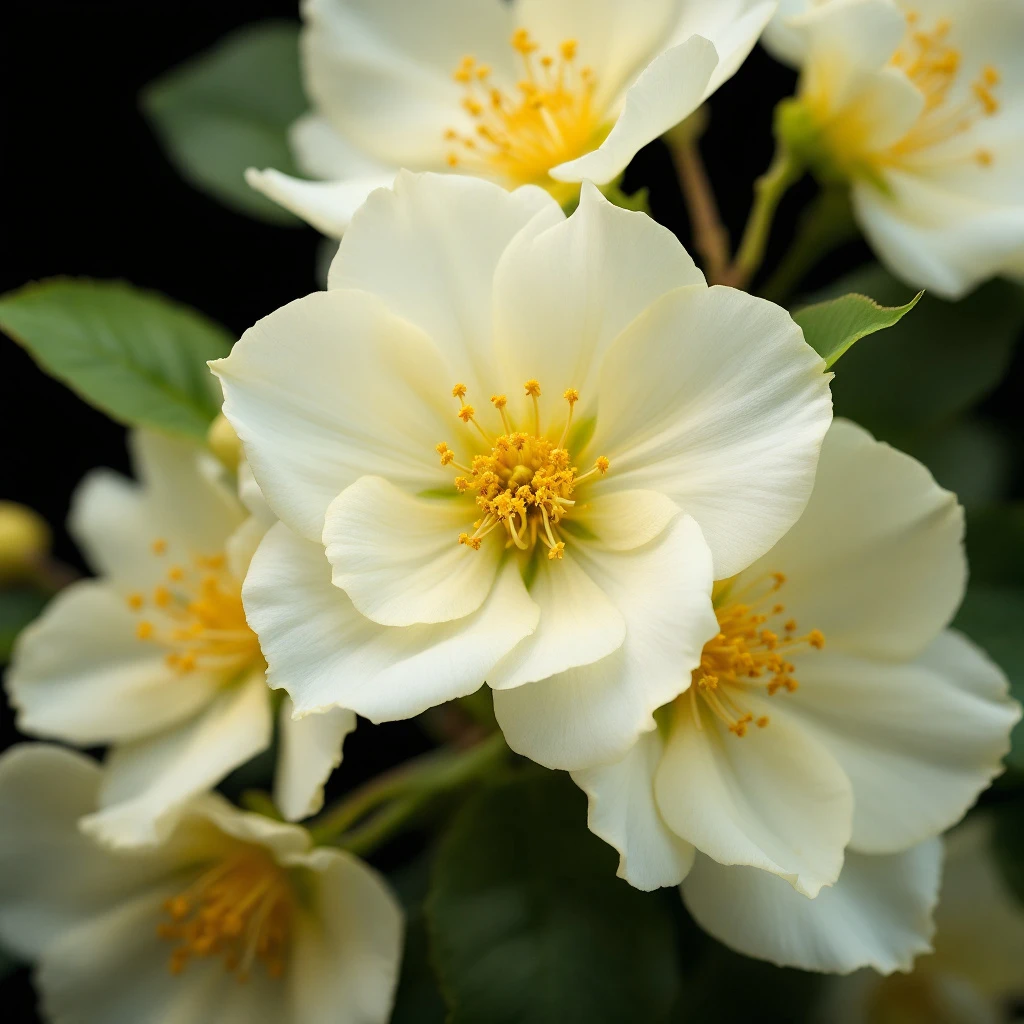
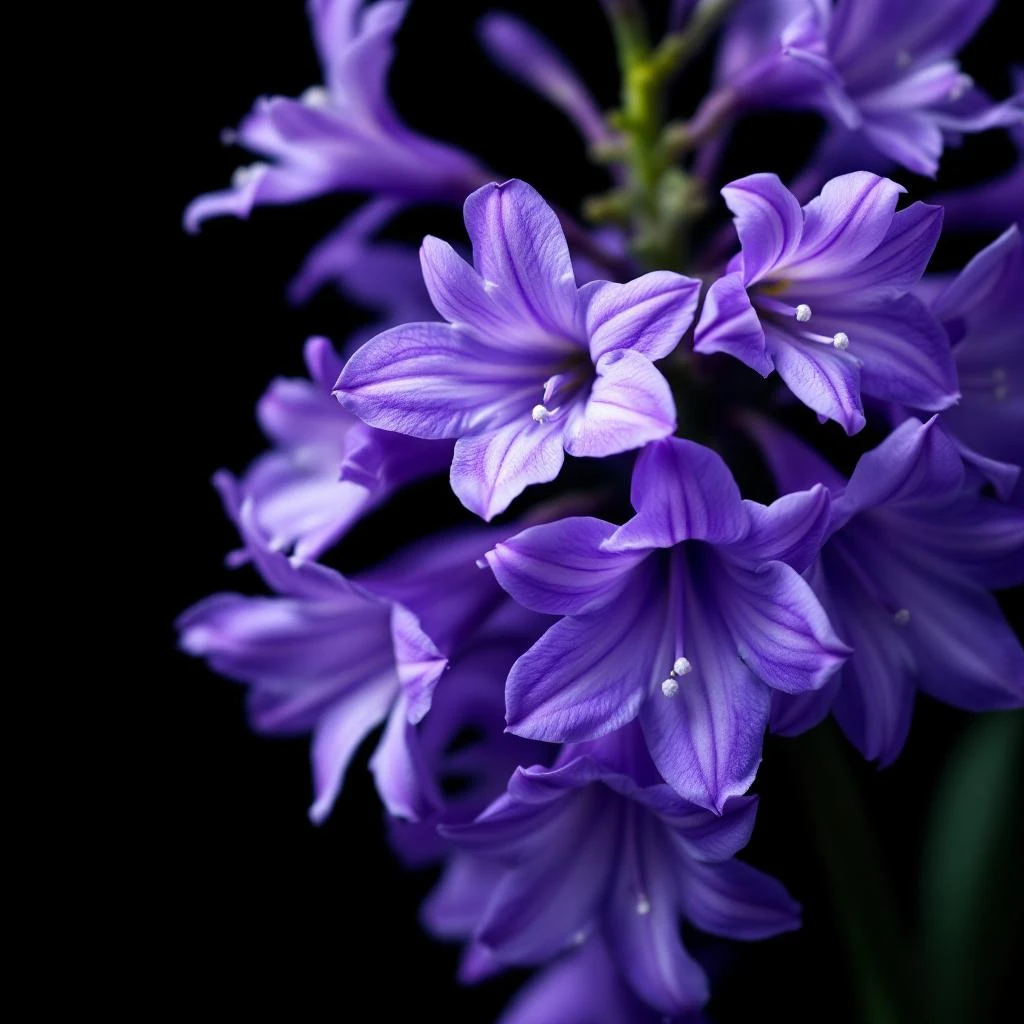
Lemon blossoms smell nothing like lemon juice. Their scent is closer to lily of the valley mixed with honey, a sweet floral that puzzles those expecting citrus.
Pairs beautifully with
Origin
Italy
While orange blossom (from bitter orange, Citrus aurantium) dominated Mediterranean perfumery traditions, lemon tree blossoms found their own niche in Italian and Spanish fragrance arts. The Amalfi Coast became synonymous with lemon cultivation during the Renaissance, and local artisans crafted pomanders and scented sachets from blossom-rich branches. French perfumers in Grasse initially focused on orange blossom cultivation from the early 1800s, yet lemon groves dotted the landscape of Provence alongside their bitter orange counterparts.
The distinction between these two floral materials remained largely unspoken in historical texts, with orange blossom claiming the spotlight. Modern perfumers now rediscover lemon blossoms for their ability to introduce white floral warmth without the indolic intensity of orange blossom, a subtle differentiation that shapes contemporary fragrance architecture.
Wears it best
Fragrances featuring Lemon Blossoms

Brands
Brands known for Lemon Blossoms
Good to know
Questions, answered
The essentials on Lemon Blossoms in perfumery: how it smells, where it comes from, and how it behaves on skin.
Do lemon blossoms smell like lemon fruit?
No. Lemon blossoms carry a sweet, honeyed floral scent distinctly different from tart lemon juice or peel. Think white flowers with a hint of nectar rather than citrus sharpness.
Which extraction method captures lemon blossom aroma best?
Solvent extraction produces the finest lemon blossom absolute. Steam distillation yields orange flower water but loses delicate top notes. Cold expression cannot extract blossom compounds.
What gives lemon blossoms their characteristic scent?
Linalool and neroli provide the sweet, floral character. Traces of indole add subtle depth. The combination creates a honeyed white flower effect unlike citrus peel aromatics.
Are lemon blossoms commonly used in perfumery?
They appear less frequently than orange blossom but serve an important role in modern fine fragrances. They add luminous, sweet floralcy without the heavy indolic quality of some white flowers.
What countries produce lemon blossom extracts?
Italy (particularly the Amalfi Coast and Sicily), Spain, and California lead production. Mediterranean climates with dry summers produce blossoms with optimal aromatic concentration.
Can lemon blossoms be synthesized artificially?
Natural extracts dominate the premium market. Linalool and related compounds can be synthesized, but natural lemon blossom absolute contains complex trace elements no laboratory has fully replicated.
How should lemon blossom fragrance materials be stored?
Store absolute in dark glass bottles away from heat and light. The solvent-extracted material remains stable for years when properly sealed, though volatile top notes fade gradually.
What fragrance families pair well with lemon blossoms?
They complement white florals like jasmine and tuberose, soften sharp citrus compositions, and add romantic warmth to green chypre structures. The floral-honey character bridges citrus and floral accord families.