Lebanese Neroli
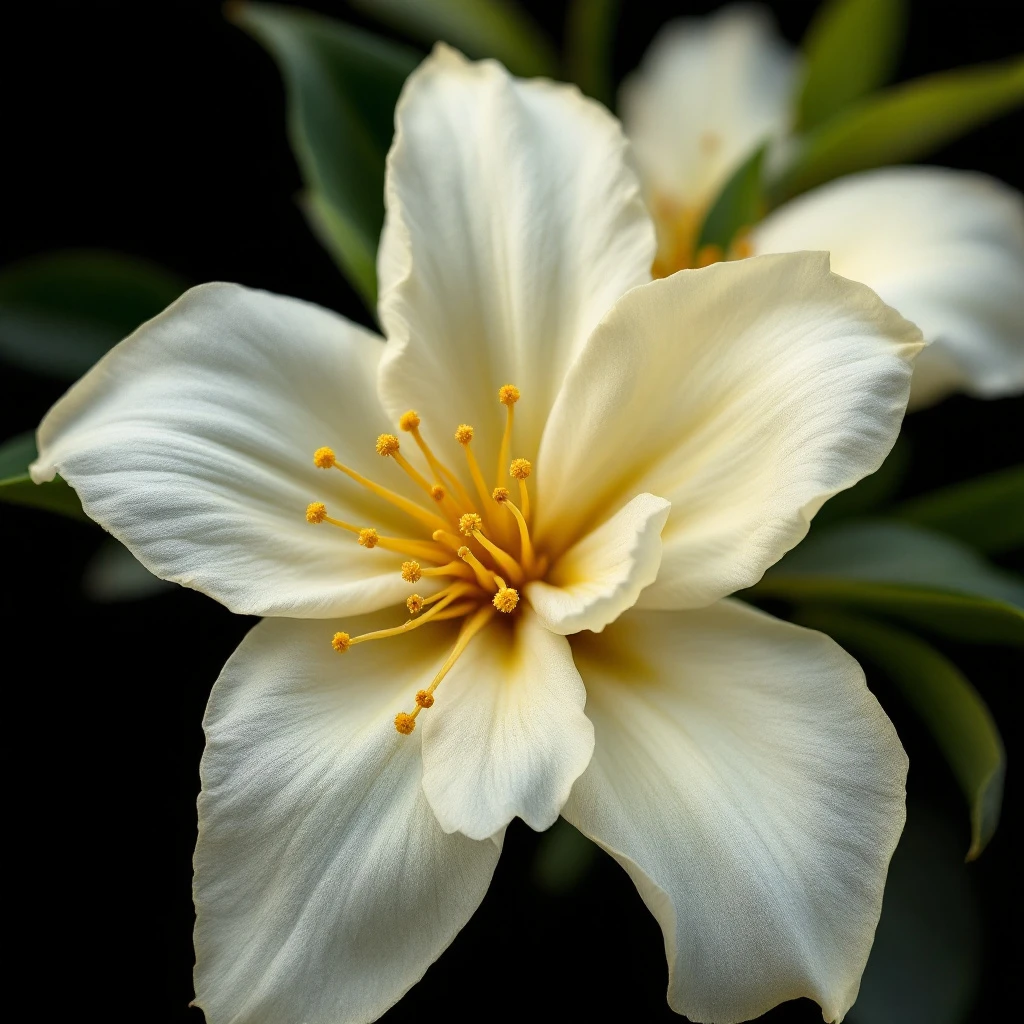
Lebanese Neroli captures the sun-drenched blossoms of Citrus aurantium in the Bekaa Valley, yielding a floral citrus oil of exceptional clarity and depth.
Character
How it smells
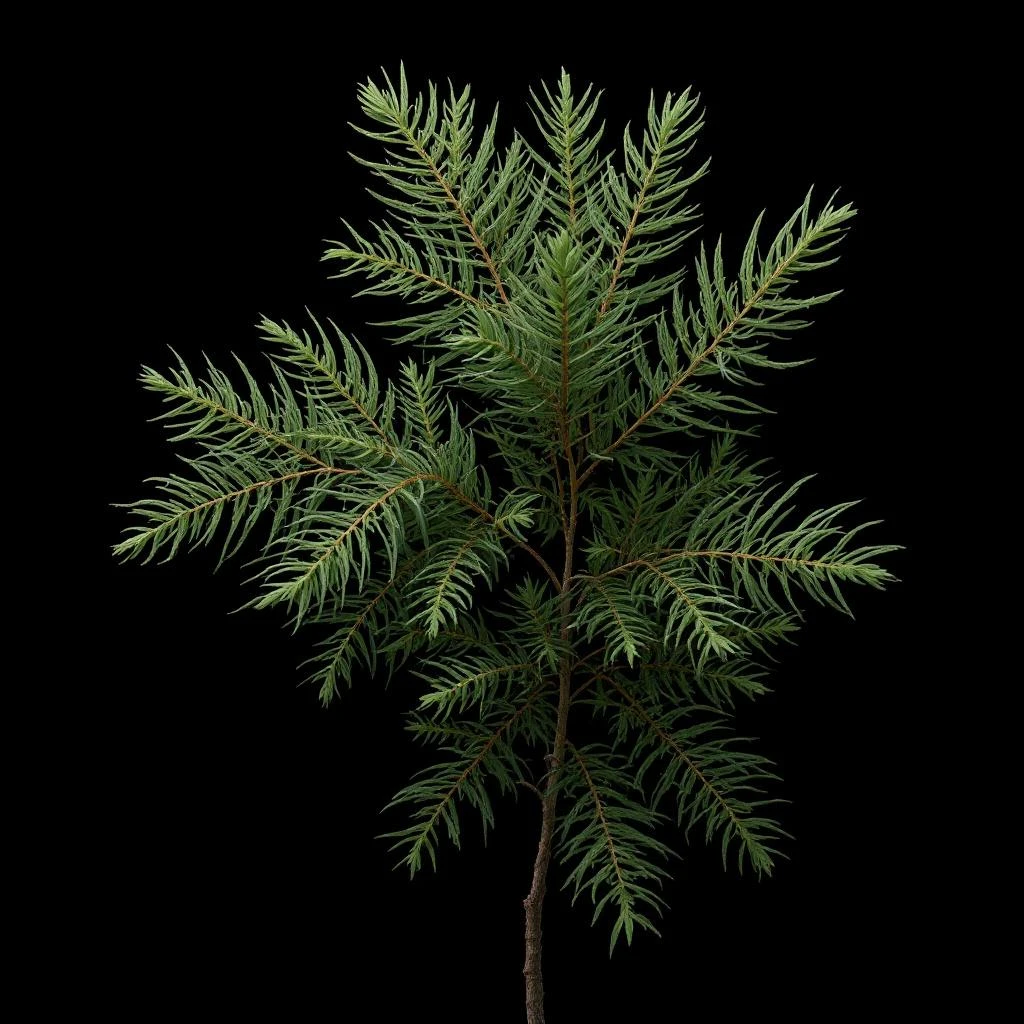
Sun-blessed blossoms from ancient cedar groves.
One kilogram of neroli requires over a metric ton of hand-picked blossoms, making it one of perfumery's most labor-intensive materials.






Origin
Lebanon
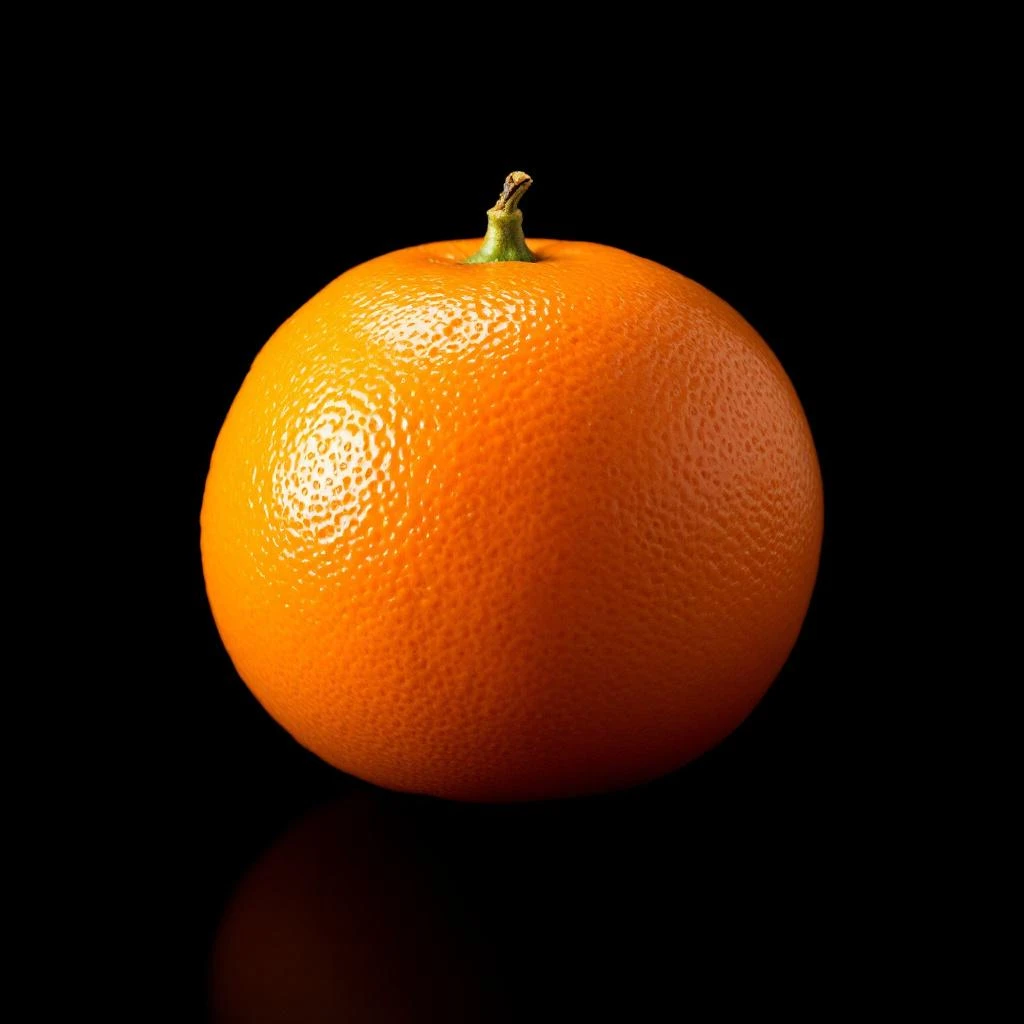
While neroli takes its name from 17th-century Italian nobility, bitter orange cultivation in Lebanon stretches back to Phoenician traders who introduced citrus along ancient trade routes. The Bekaa Valley's unique terroir, with its high altitude and mineral-rich soil, produced a distinctly complex neroli that attracted Mediterranean perfumers by the 19th century. During Lebanon's Ottoman period, neroli cultivation expanded significantly as European demand grew for this increasingly prized material.
Lebanese families maintained generational knowledge of blossom harvesting and distillation through political upheaval and war, preserving techniques that remain largely unchanged today. The country remains a secondary but highly regarded producer, with small-batch Lebanese neroli commanding premium prices among niche perfumers seeking distinctive regional character.
Wears it best
Fragrances featuring Lebanese Neroli
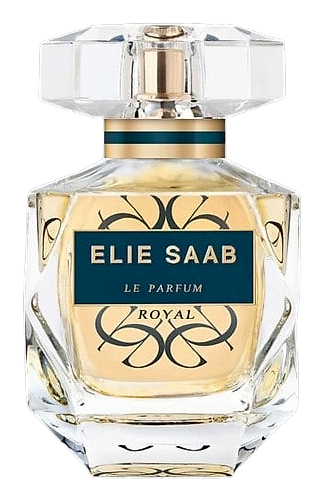
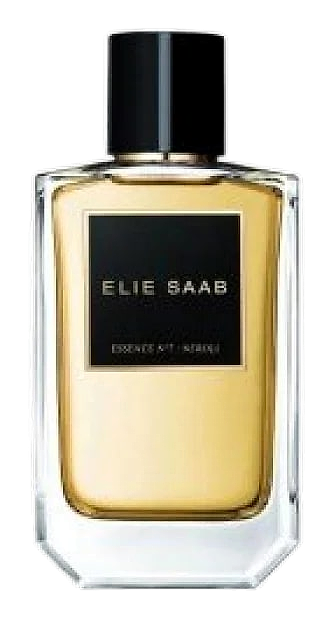
Brands
Brands known for Lebanese Neroli
Good to know
Questions, answered
The essentials on Lebanese Neroli in perfumery: how it smells, where it comes from, and how it behaves on skin.
What distinguishes Lebanese neroli from other origins?
Lebanese neroli exhibits a notably deeper, warmer base note compared to North African varieties. The Bekaa Valley's altitude and soil composition contribute mineral undertones and a richer honeyed character that perfumers prize for complex fragrance compositions.
When are neroli blossoms harvested in Lebanon?
Harvesting occurs during a narrow two-week window in March when bitter orange trees reach peak bloom. Processors must work quickly since blossoms lose aromatic intensity within hours of picking.
How much blossom material yields one kilogram of neroli oil?
Production requires approximately 1,000 kilograms of freshly picked blossoms per kilogram of finished oil, reflecting why neroli ranks among the costlier natural perfumery materials.
What aromatic compounds define neroli's scent profile?
Neroli contains linalool, linalyl acetate, and limonene as primary constituents, creating its characteristic fresh, slightly soapy floral quality with citrus undertones.
How does neroli differ from orange blossom absolute?
Neroli results exclusively from steam distillation, while orange blossom absolute uses solvent extraction or enfleurage. This gives neroli a cleaner, more transparent aroma compared to the richer, more indolic character of orange blossom materials.
What fragrance combinations pair well with Lebanese neroli?
Perfumers frequently blend neroli with sandalwood, amber, and other white florals like jasmine to create balanced compositions that harness its radiant opening qualities.
Is neroli suitable as a standalone fragrance ingredient?
Neroli performs as a versatile middle-to-top note material in perfumery, though its volatility means it dissipates within several hours on skin without fixative support.
What makes quality neroli oil stand apart?
High-quality neroli displays a clear, pale golden appearance with balanced floral and citrus facets. Adulteration with synthetic linalool remains common in lower grades, making sourcing from established suppliers essential.




