Lebanese Lilac
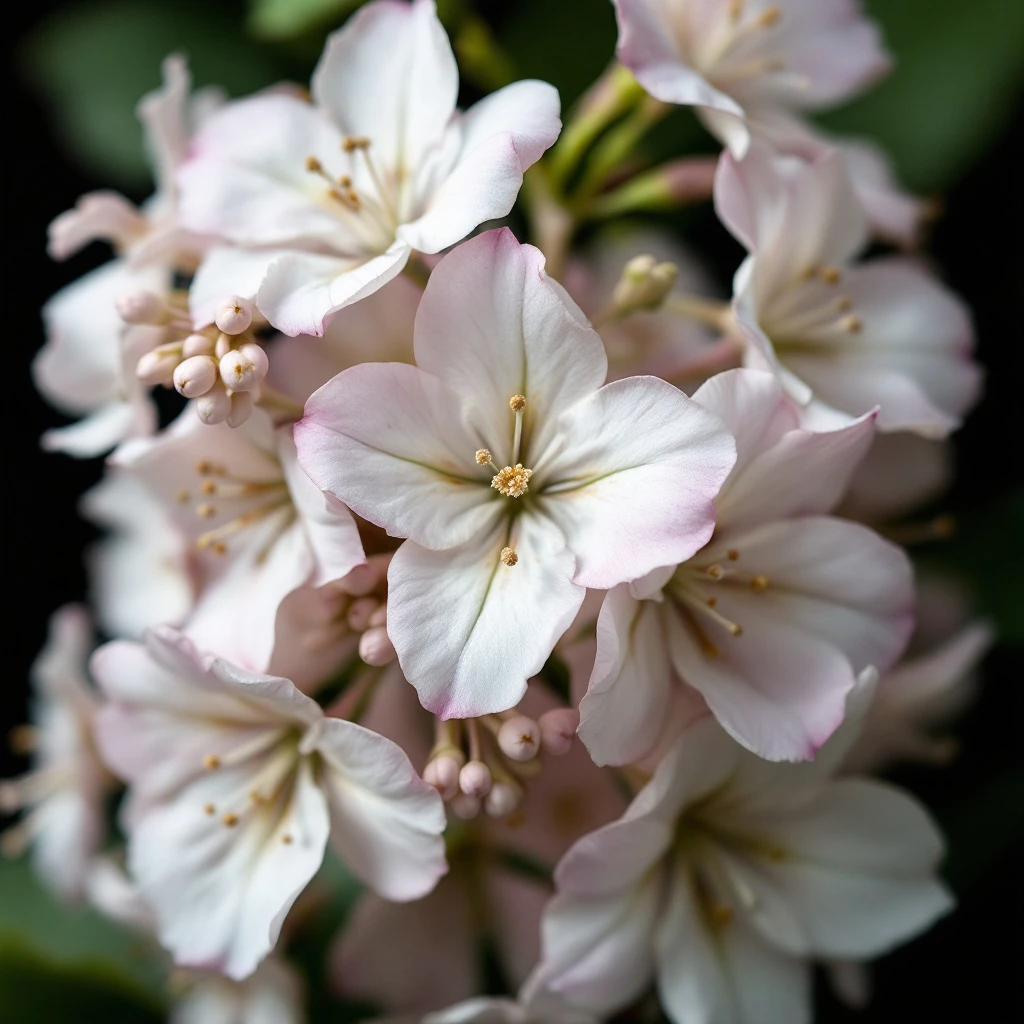
Lebanese Lilac captures Syringa vulgaris in its most honest form. This spring bloom guards its scent behind an enigma: perfumery calls it a mute flower, one whose fragrance escapes every conventional extraction. To wear lilac is to carry spring's silence, transformed through craft into something you can hold.
Character
How it smells
Spring's silence, bottled through chemistry and craft.
Lilac ranks among perfumery's mute flowers. No distillation or solvent extraction can capture its scent. Perfumers must rebuild it molecule by molecule.
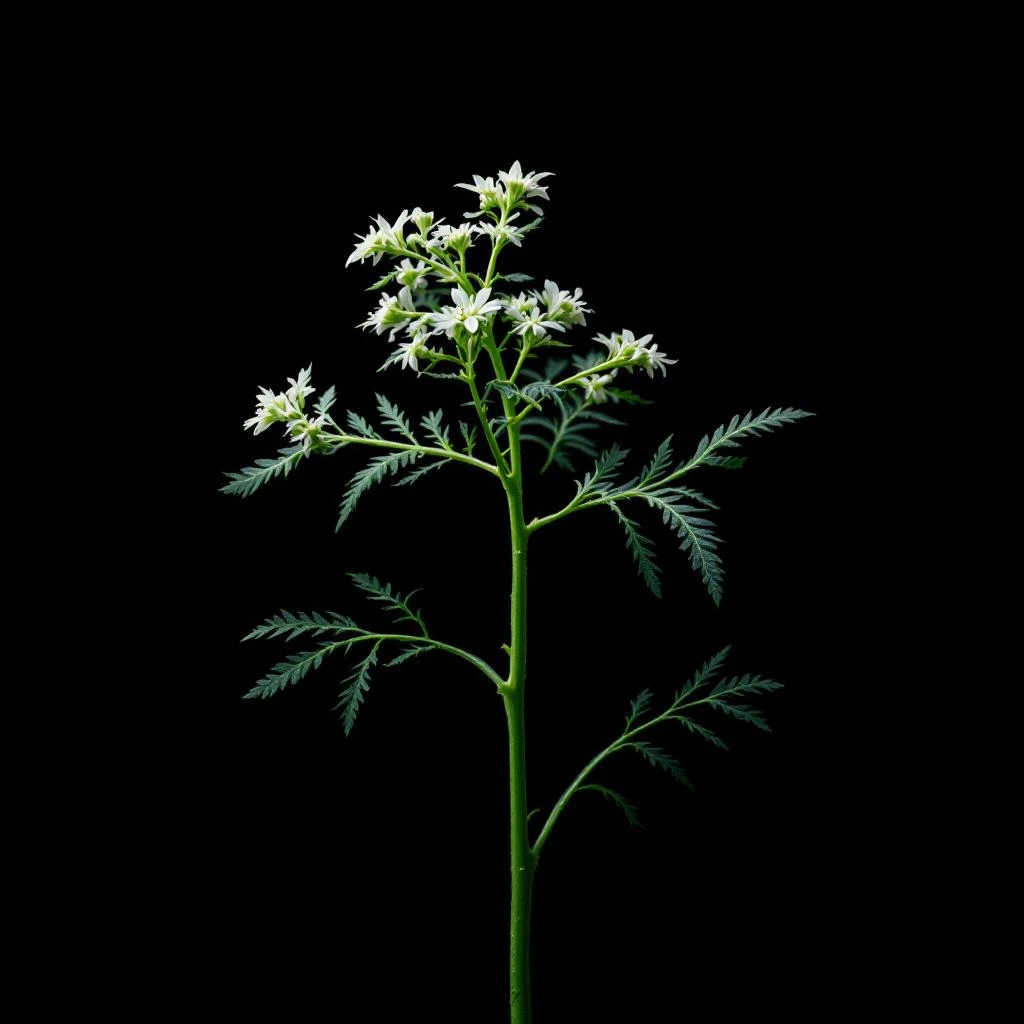
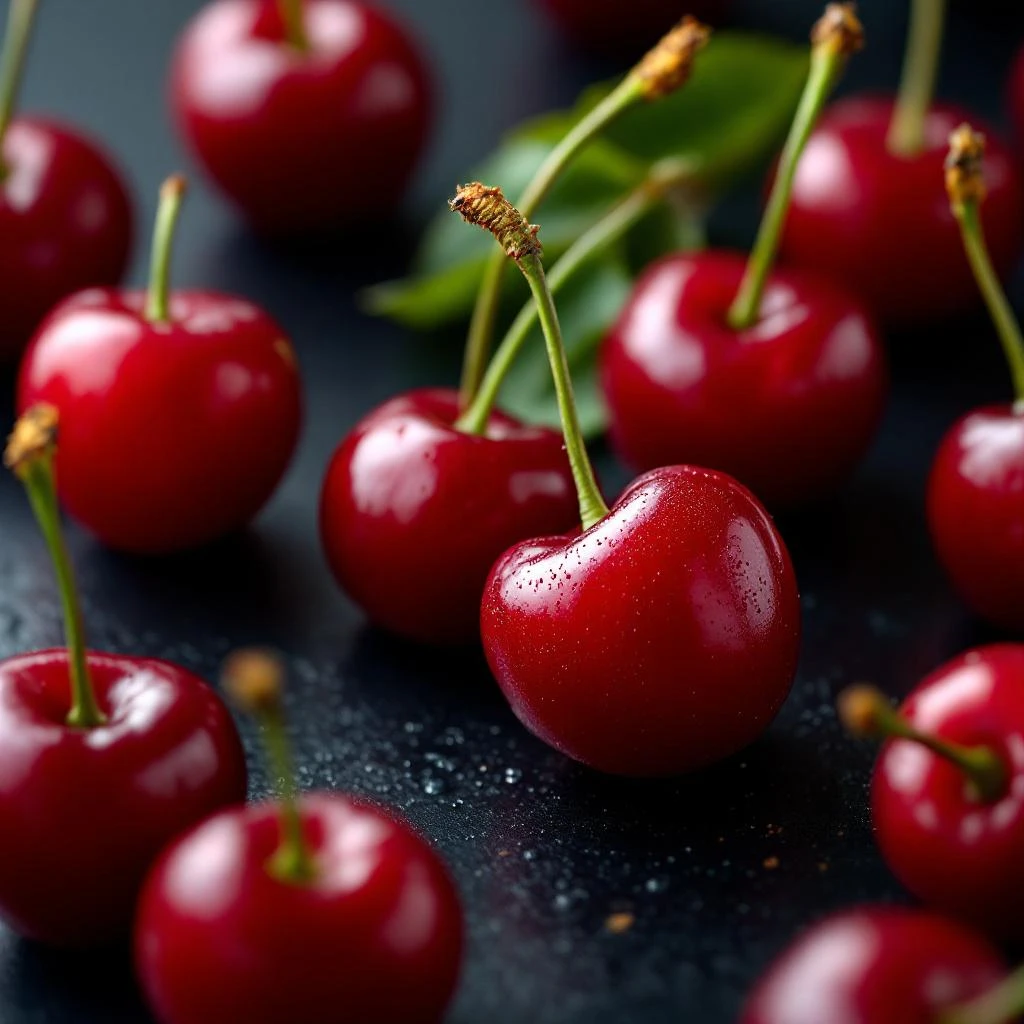
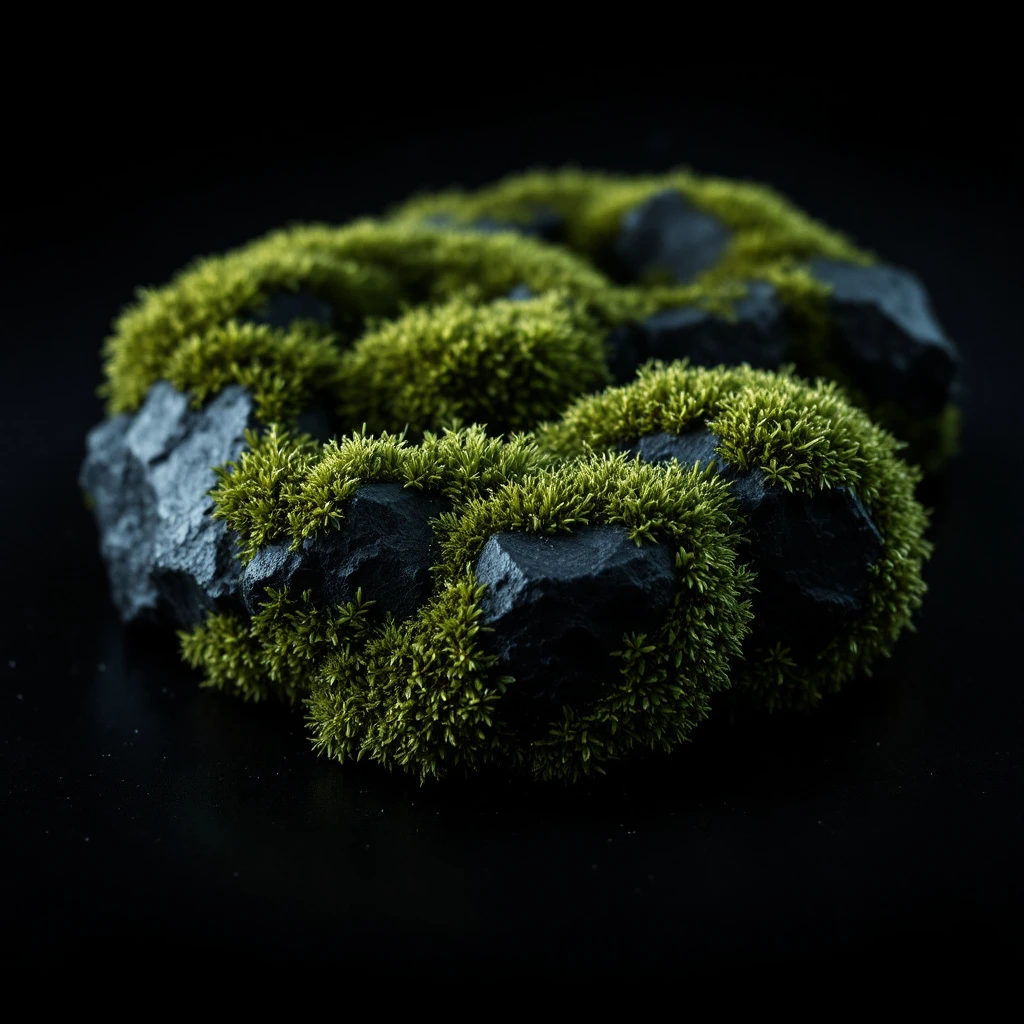
Pairs beautifully with

Origin
Lebanon
Lilac carries a name borrowed from Persian. The word "nilak" described a reddish-blue dye extracted from the plant, and traders carried both the word and the plant westward across centuries.
The flower reached Western Europe through Ottoman trade networks. By the 16th century, lilacs grew in Spanish gardens, carried from the Arab world via Spain. The plant moved through France and reached British estates by the 1620s. Europeans initially valued it as an ornamental shrub, planting it along garden paths and near doorways.
Lebanon sits at the crossroads of this botanical story. The region served as a conduit for plant species moving between the Middle East and Europe during Ottoman rule. Historical records connect Lebanon to another fragrant landmark: Tapputi, documented as the first known perfumer in history, specialized in woody scents, particularly the cedars of Lebanon. This ancient expertise in botanical fragrance shaped how Eastern materials moved into Western perfumery.
Before chemists learned to synthesize lilac's aroma, perfumers used the flower in pomanders and scented sachets. They crushed petals to release what volatile scent they could, accepting that much would be lost. The mute flower became a symbol of aspiration: the fragrance you want but cannot have.
Modern chemistry changed everything. Today, Lebanese Lilac in a fragrance pyramid signals the reconstructed scent, built from the same aromatic molecules that exist in the living flower. The silence has been given a voice through science.
Wears it best
Fragrances featuring Lebanese Lilac
Brands
Brands known for Lebanese Lilac
Good to know
Questions, answered
The essentials on Lebanese Lilac in perfumery: how it smells, where it comes from, and how it behaves on skin.
What does Lebanese Lilac mean in perfumery?
Lebanese Lilac refers to the reconstructed scent of Syringa vulgaris flowers. True lilac scent cannot be extracted conventionally, so perfumers synthesize its key aromatic molecules. The Lebanese reference connects to the region's role in perfumery history as a conduit for botanical materials moving between East and West.
Can you extract natural lilac absolute?
No. Lilac resists all conventional extraction methods including steam distillation and solvent extraction. The volatile compounds responsible for its scent evaporate or degrade during processing. Perfumers work with synthesized molecules that recreate the lilac effect in compositions.
How do perfumers create the lilac note in fragrances?
Perfumers identify the specific molecules in fresh lilac scent, primarily lilac alcohol, certain aldehydes, and para-methoxybenzaldehyde. They source or synthesize these compounds and blend them to reconstruct the lilac character. This reconstruction captures the sweet, powdery, slightly indolic quality of the living flower.
Does lilac grow in Lebanon?
Lebanon's Mediterranean climate supports lilac cultivation in cooler highland regions. The country played a historical role as a conduit for plant species moving between the Middle East and Europe during the Ottoman era. However, commercial lilac production for perfumery primarily occurs in France's Provence region.
What gives lilac its characteristic scent?
No single molecule creates lilac's scent. The fragrance emerges from a combination of lilac alcohol, which provides the main floral character, aldehydes that add freshness, and para-methoxybenzaldehyde contributing sweetness. The interplay of these compounds at specific ratios produces the recognizable lilac effect.
Is there a natural alternative to synthetic lilac reconstruction?
Enfleurage captures lilac scent authentically. This ancient technique presses fresh petals into purified fat, allowing the fat to absorb volatile compounds over several hours. The resulting pommade yields a true lilac extract when washed with alcohol. This method produces a genuine lilac material, but production costs make it rare and expensive.
Which fragrance families use lilac notes?
Floral fragrances most commonly feature lilac, though the reconstructed note appears across several families. Lilac reads as green, fresh, and sweetly powdery, making it versatile for spring compositions, chypres, and even some orientals. It pairs naturally with jasmine, hyacinth, and rose in floral heart compositions.
Why is lilac called a mute or silent flower?
Perfumery uses "mute" to describe flowers whose scent cannot be captured through standard extraction. Lilac joins hyacinth and bluebell in this category. The molecules responsible for their scent are too volatile or too fragile to survive steam, solvents, or supercritical fluids. Perfumers must create these scents artificially rather than extract them.





