Lebanese Jasmine
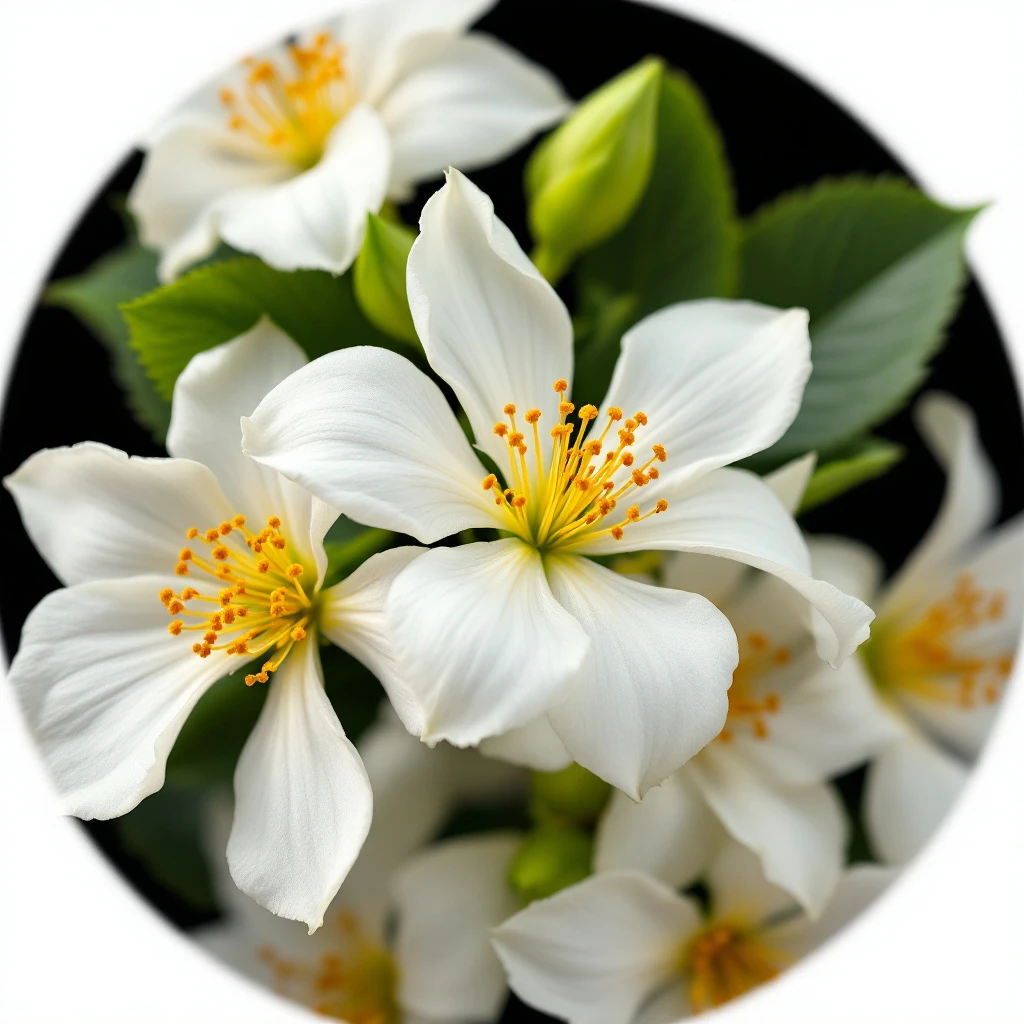
Jasmine from Lebanon carries an intensity shaped by mountain air and dry Mediterranean summers. The Lebanese terroir produces a heady, Narcisse-like richness that stands apart from tropical varieties. This is a small-batch, artisanal jasmine with serious character.
Character
How it smells
Mountain air gives this jasmine its intense, Narcisse-like soul.
Harvesting jasmine requires workers to pick flowers before sunrise, when scent compounds are most concentrated.



Origin
Lebanon
Jasmine likely originated in Persia and appeared in Egypt by 1000 BCE, where ancient cultures used it in ritual perfumes and cosmetics. Arab traders introduced jasmine to Spain during the 16th century, and cultivation spread from there to Grasse, France, where it became the backbone of the European perfume industry. By 1895, chemists had replicated jasmine's scent in laboratories, creating synthetic alternatives.
Lebanon sits within the broader Middle Eastern jasmine tradition, with mountain valley microclimates that produce an unusually intense, heady flower. The country's jasmine remains a niche, artisan crop prized for its concentrated character rather than industrial volume.
Wears it best
Fragrances featuring Lebanese Jasmine

Brands
Brands known for Lebanese Jasmine
Good to know
Questions, answered
The essentials on Lebanese Jasmine in perfumery: how it smells, where it comes from, and how it behaves on skin.
What makes Lebanese jasmine different from other jasmine origins?
Lebanese jasmine carries a distinctly intense, heady character shaped by the country's Mediterranean mountain climate. Dry summers and high elevation concentrate the flower’s aromatic compounds, producing a rich, Narcisse-like intensity that differs from tropical varieties grown at lower altitudes.
When do jasmine flowers get harvested?
Harvesting jasmine requires workers to pick flowers before sunrise, when scent compounds peak inside the petals. The timing is essential because warmth from morning sun causes the flowers to release and lose their aromatic intensity rapidly once picked.
How is jasmine absolute extracted?
Jasmine absolute comes from solvent extraction, not steam distillation. Jasmine's delicate aroma compounds break apart under high heat, making traditional distillation unsuitable. Processors wash fresh petals with hydrocarbon solvents to create a concrete, then use alcohol to isolate the absolute.
Why does Lebanon produce jasmine with such a distinctive scent?
Lebanese jasmine grows in mountain valley microclimates with dry, hot summers and cool nights. This temperature swing stresses the flowers and drives them to produce highly concentrated aromatic compounds, giving Lebanese jasmine its notably intense, Narcisse-like character.
What role did jasmine play in ancient cultures?
Jasmine likely originated in Persia and appeared in Egyptian perfumery by 1000 BCE, where ancient cultures incorporated it into cosmetics and ritual preparations. Arab traders then spread jasmine cultivation to Spain and eventually France during the 16th century.
How does Lebanese jasmine compare to Egyptian or Indian jasmine?
Egypt and India supply roughly 95 percent of the world's jasmine absolute for perfumery, producing large volumes with consistent profiles. Lebanese jasmine remains a small-batch, artisan crop, offering a more concentrated and complex character shaped by unique regional terroir rather than industrial scale.
What fragrances typically feature jasmine absolute?
Jasmine absolute appears across many fragrance families, from classic florals to modern white florals, chypres, and orientals. Chanel No. 5 helped establish jasmine as a cornerstone of fine perfumery, and it continues to appear in contemporary compositions as a sensual, warm floral heart note.
What are common jasmine fragrance family combinations?
Jasmine pairs naturally with rose in floral compositions, with sandalwood and vanilla in orientals, and with bergamot and patchouli in chypres. The note also anchors many modern white floral fragrances, where its heady warmth provides a rich, lingering trail.




