Lava Rock
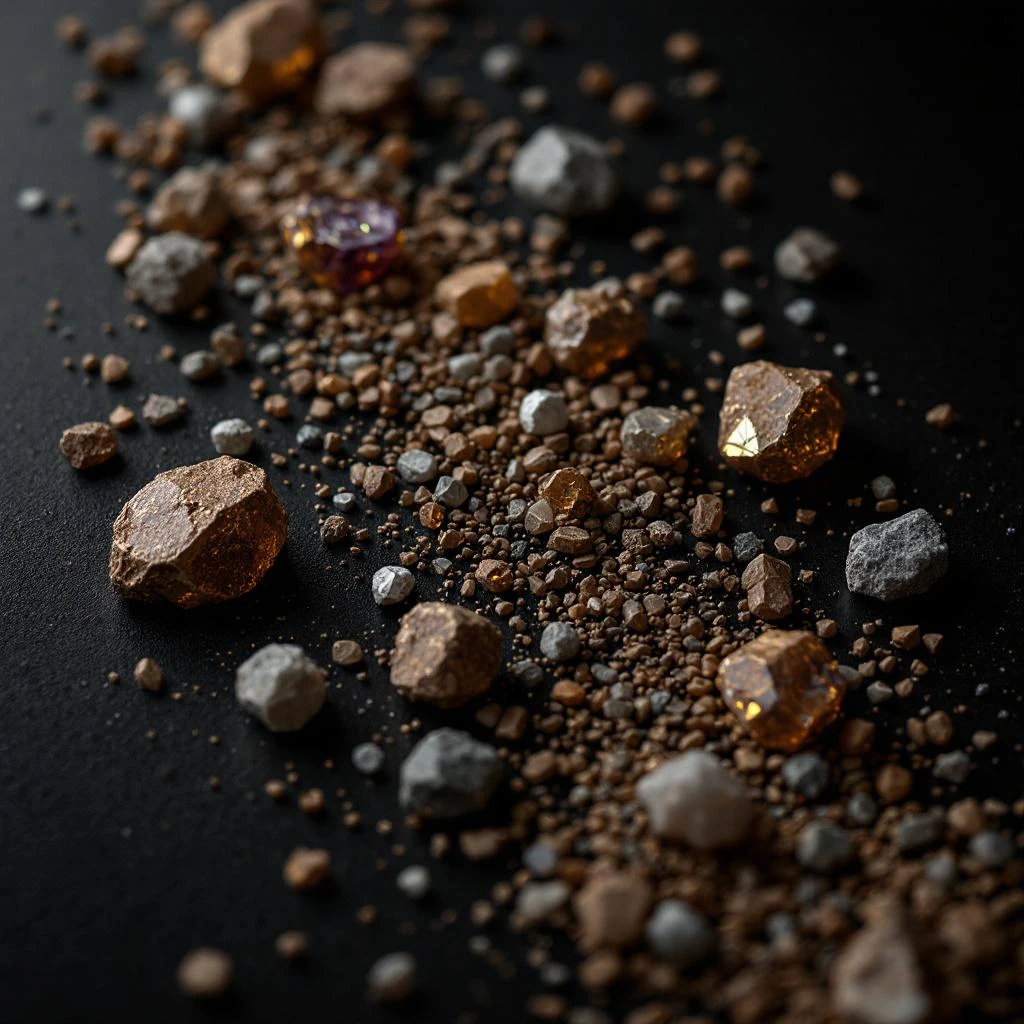
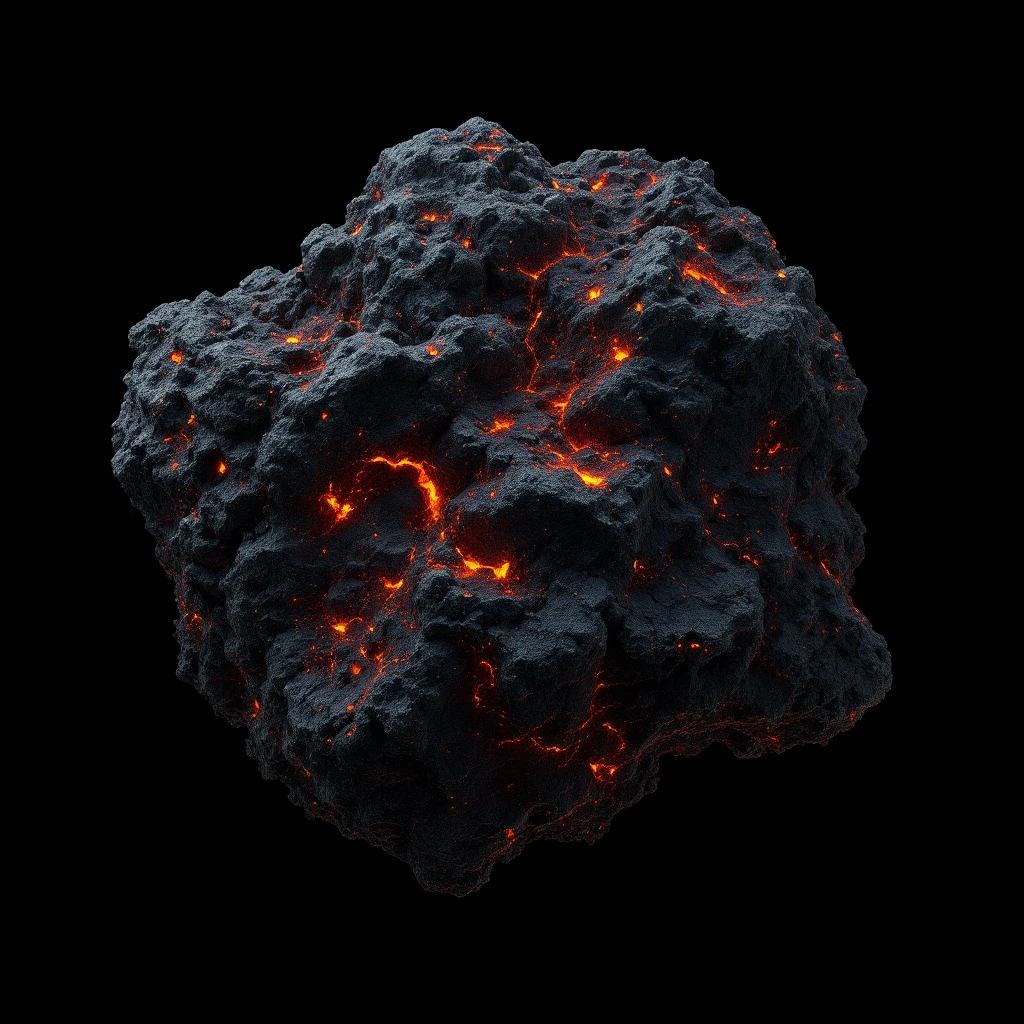
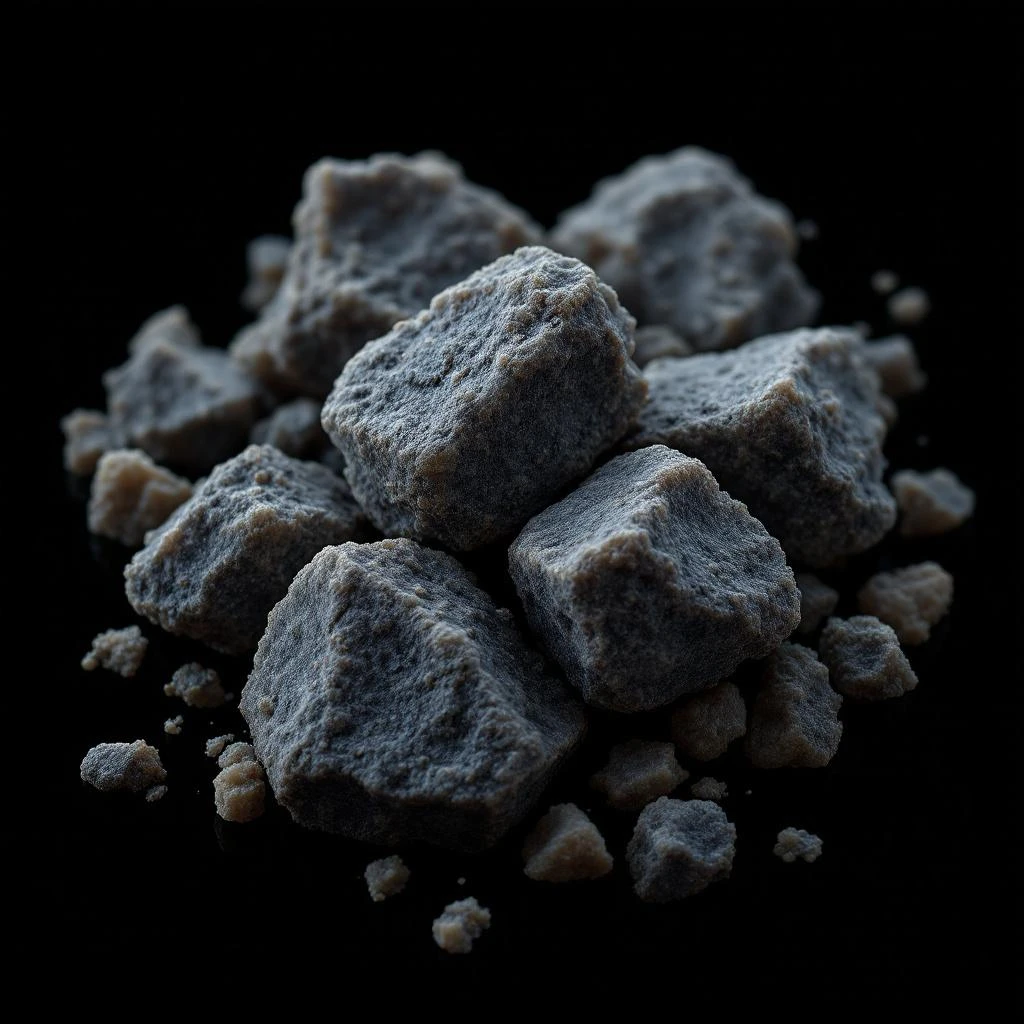
Lava rock brings the raw, mineral character of cooled volcanic stone into perfumery, offering a scent that smells of heated earth, ash, and slow geological time. It grounds compositions with an almost geological stillness.
Character
How it smells
Stone cooled by fire, captured in scent
Perfumers recreate the scent of lava rock using synthetic aroma chemicals because actual volcanic stone releases no usable fragrance on its own.






Origin
N/A (conceptual note, no geographic origin)
Volcanic stone carried ritual weight across cultures long before it entered a perfume bottle. Romans ground pumice for cosmetics and polishing; Hawaiians honored Pele through offerings placed on active flows.
Yet the actual scent of lava rock only entered fragrance vocabulary in the late 20th century, when perfumers began chasing mineral and geological themes beyond the familiar citrus, floral, and woody families. The shift mirrored a broader appetite for unusual raw materials, including concrete, ink, and paper.
Houses experimenting with stark, architectural compositions helped establish lava rock as a recognized note, valued for the dry heat and stony silence it brings to a blend. It remains a conceptual material, more idea than ingredient, and its history is less about ancient extraction and more about modern perfumery's willingness to imagine scent where nature provides none.
Wears it best
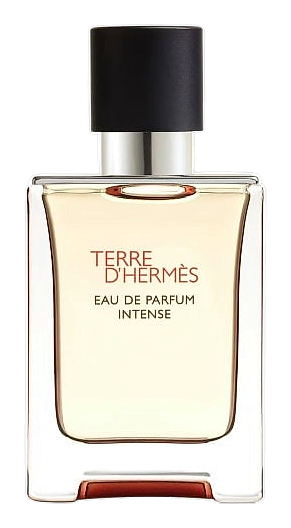
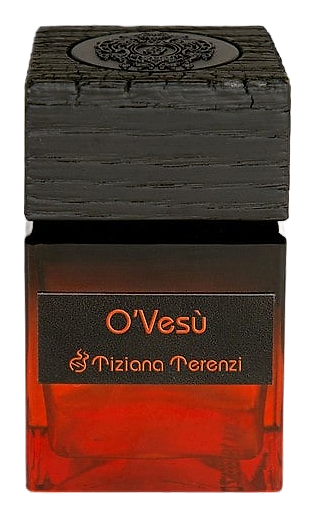
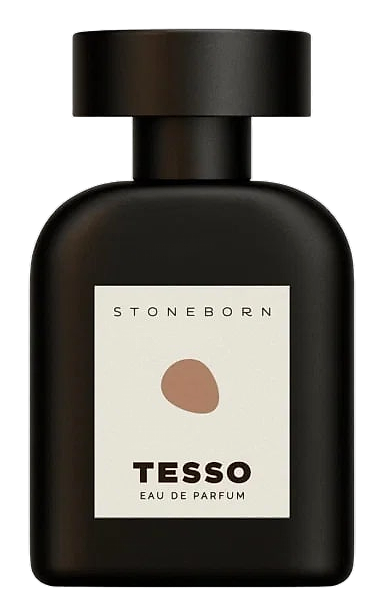
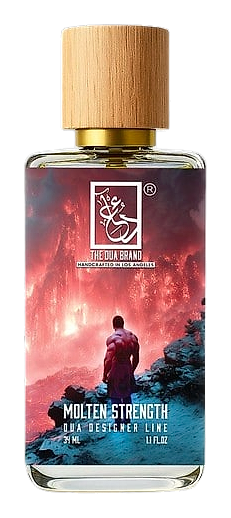
Fragrances featuring Lava Rock
Brands
Brands known for Lava Rock
Good to know
Questions, answered
The essentials on Lava Rock in perfumery: how it smells, where it comes from, and how it behaves on skin.
What does lava rock smell like in perfume?
Lava rock in perfume smells dry, mineral, and faintly smoky, evoking heated stone, volcanic ash, and scorched earth. It adds a geological, almost metallic edge rather than any floral or sweet character. Perfumery achieves this through synthetic reconstruction.
Is lava rock a natural fragrance ingredient?
No natural fragrance ingredient exists because actual lava rock releases no aromatic compounds through distillation or solvent extraction. Perfumers build the note in the lab using aroma chemicals that mimic the dry, mineral scent of volcanic stone.
How is the lava rock scent made?
Perfumers blend synthetic aroma chemicals to imitate volcanic minerality, layering smoky molecules with metallic and ozonic accords. Some add trace amounts of vetiver or patchouli for earthy depth. The process takes place entirely at the perfumer's organ.
When was lava rock first used in perfumery?
The note emerged in the late 20th century as perfumers expanded beyond traditional botanical families into mineral and geological themes. Its rise coincided with experimental fragrances exploring concrete, ink, and other unconventional materials.
What fragrances use lava rock as a note?
Several avant-garde and niche houses have featured volcanic or mineral-themed compositions since the early 2000s. These fragrances typically pair the lava rock accord with smoky woods, resins, or cooling aquatic notes for contrast.
Why do perfumers use lava rock if it's not a real ingredient?
Perfumers use it because the note adds atmospheric depth and a sense of geological place to a composition. It evokes raw terrain and elemental heat, giving a fragrance an unusual dry, stony character that botanical materials cannot provide.
Is lava rock safe to wear on skin?
Yes, lava rock accords in finished perfumes are safe because they consist of synthetic aroma chemicals blended at concentrations approved for skin contact. Actual volcanic stone poses no risk either, though it contributes nothing to a fragrance formula.
Can lava rock be distilled like other ingredients?
No, lava rock cannot be distilled because stone contains no volatile aromatic oils to release. Steam distillation, solvent extraction, and cold pressing all require a biological source of scent molecules, which volcanic rock simply does not provide.