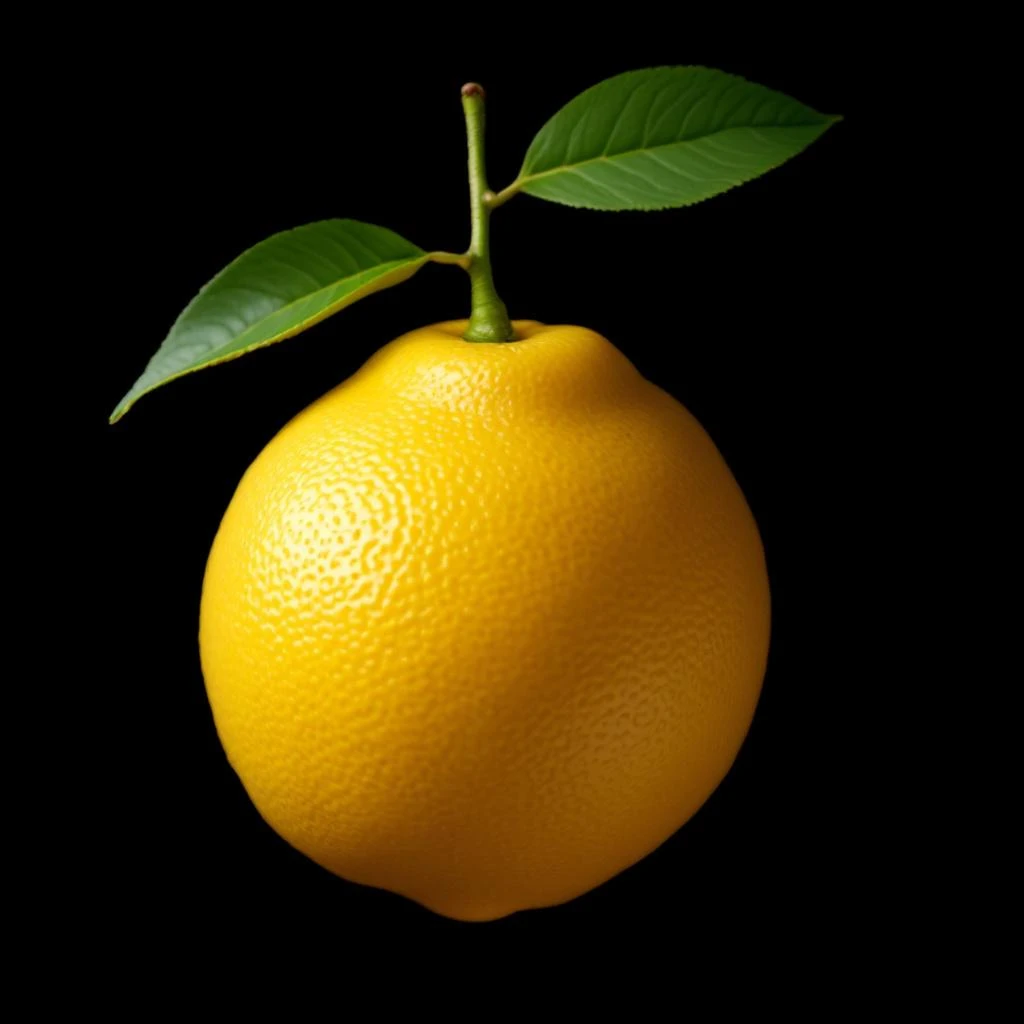
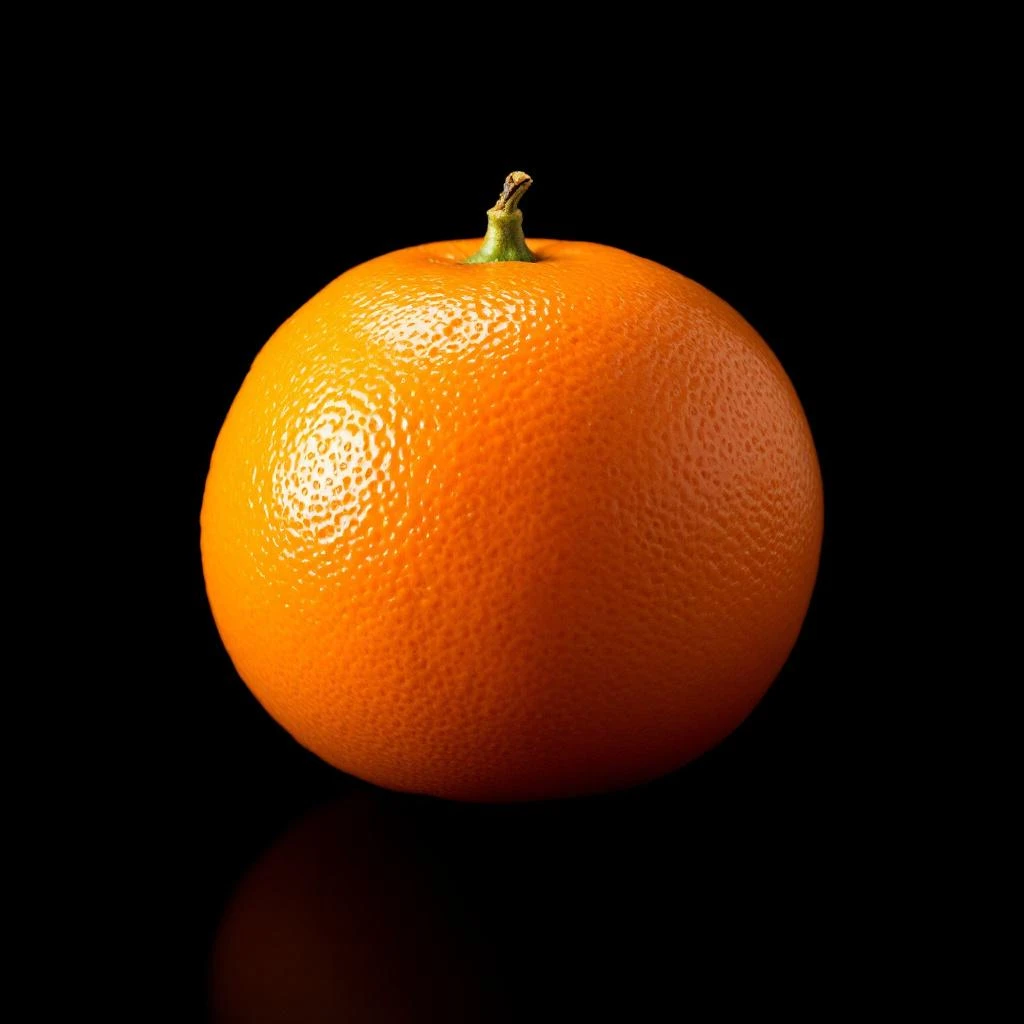
Keraji Mandarin
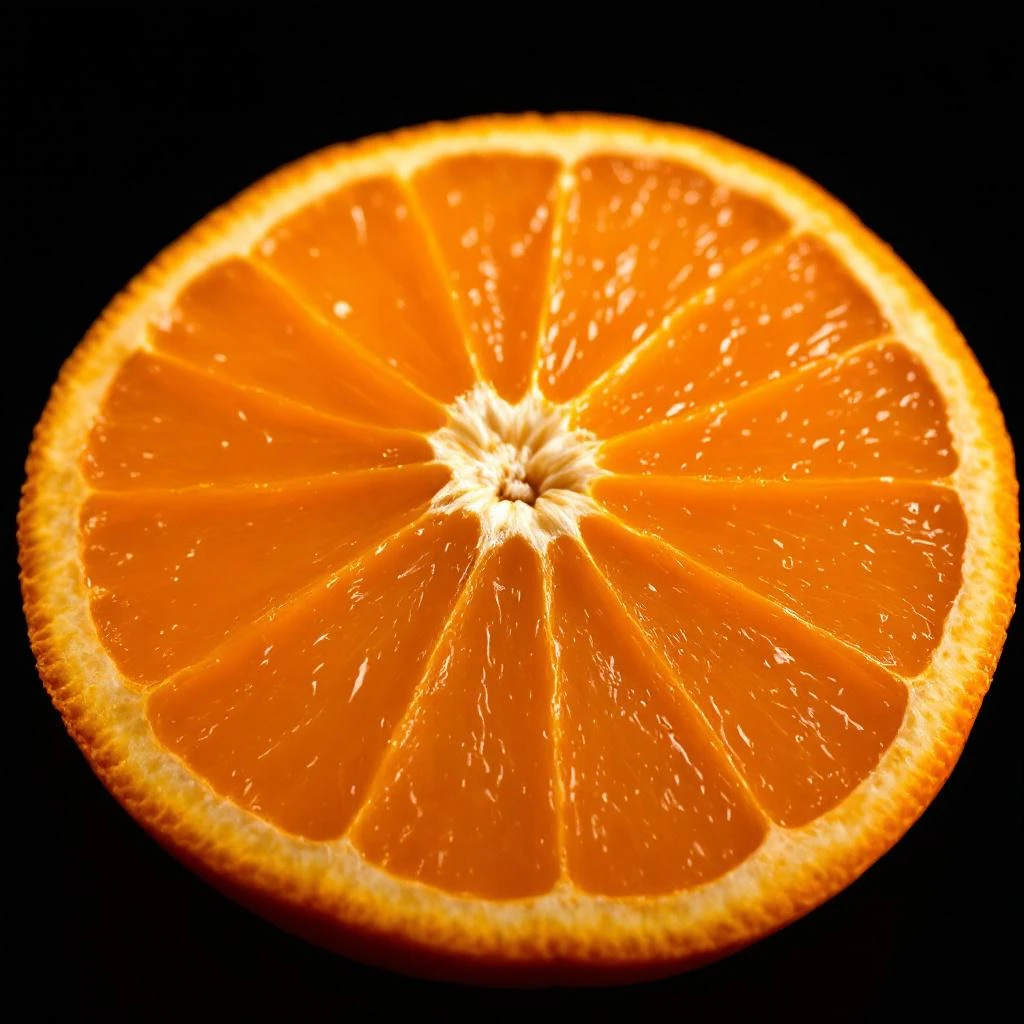
A sun-drenched citrus from Keraji Island, Japan. This prized variety from the Oshima archipelago delivers a sweeter, more nuanced peel than Mediterranean cousins. Perfumers prize its bright, almost floral tangerine character that lifts any composition.
Character
How it smells
The island mandarin perfumers seek out.
The name 'mandarin' comes from the fruit being gifted to Chinese government officials during imperial festivals.




Origin
Japan
Mandarin cultivation began over 3,000 years ago in China, where wild trees grew in Yunnan province forests before farmers domesticated them. European traders brought the fruit west in the 16th century. The name stuck because courts gifted the fruit to Chinese officials during festivals.
Keraji mandarin emerged as a distinct cultivar on Oshima Island in Japan's Satsuma region during the late 19th century. This island variety developed its own character separate from Chinese and Mediterranean strains. The cultivar produces a small, easily peeled fruit with notably thin skin and a compact, thornless tree growing 3 to 6 meters tall.
Keraji transformed Oshima's economy and identity, featuring in local foods and seasonal traditions. Perfumers discovered its peel yielded essential oil with richer floral nuances than Mediterranean mandarins, securing its place in fine fragrance.
Wears it best
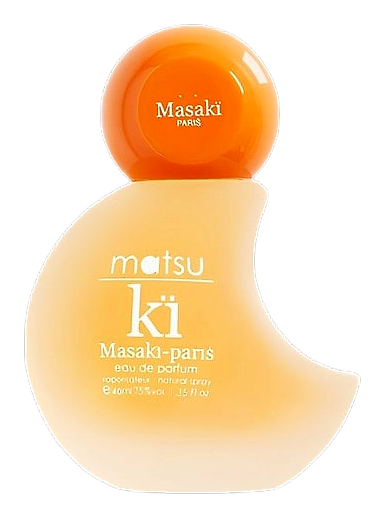
Fragrances featuring Keraji Mandarin
Brands
Brands known for Keraji Mandarin
Good to know
Questions, answered
The essentials on Keraji Mandarin in perfumery: how it smells, where it comes from, and how it behaves on skin.
What makes Keraji Mandarin different from regular mandarin?
Keraji mandarin produces a distinct essential oil with sweeter, more floral notes than Mediterranean varieties. The cultivar grows on Oshima Island, Japan, developing unique aromatic characteristics from its maritime climate and volcanic soil.
How is mandarin essential oil extracted?
Producers extract mandarin oil through cold expression, pressing the fruit peel without heat. This method preserves delicate aromatic compounds that heat would destroy, yielding a bright, fresh oil.
What does mandarin smell like in perfume?
Mandarin delivers a bright, sweet citrus aroma with tangerine and orange blossom facets. The oil feels cheerful and warm, with a floral undertone that distinguishes it from sharper citrus notes like lemon.
In perfume, what role does mandarin play?
Mandarin typically appears as a top note, opening compositions with immediate brightness and energy. Perfumers use it to create an inviting, approachable introduction that draws wearers in before heart notes develop.
Which ingredients pair well with mandarin?
Mandarin harmonizes with florals like neroli and jasmine, woody notes such as cedar and sandalwood, and spices including cardamom and pink pepper. It also balances resinous ingredients like frankincense.
Is mandarin essential oil natural or synthetic?
Natural mandarin oil comes from cold-pressed fruit peel. Some perfumers use synthetic mandarin alternatives for consistency or cost reasons, but natural expression captures a broader aromatic profile.
Where does mandarin originate?
The mandarin tree (Citrus reticulata) originated in China over 3,000 years ago. Traders spread it westward, and growers now cultivate it worldwide. Keraji specifically developed on Oshima Island, Japan.
Does mandarin appear in men's, women's, or unisex fragrances?
Perfumers employ mandarin across all fragrance categories. Its cheerful, versatile character suits masculine colognes, feminine florals, and gender-neutral compositions equally well.