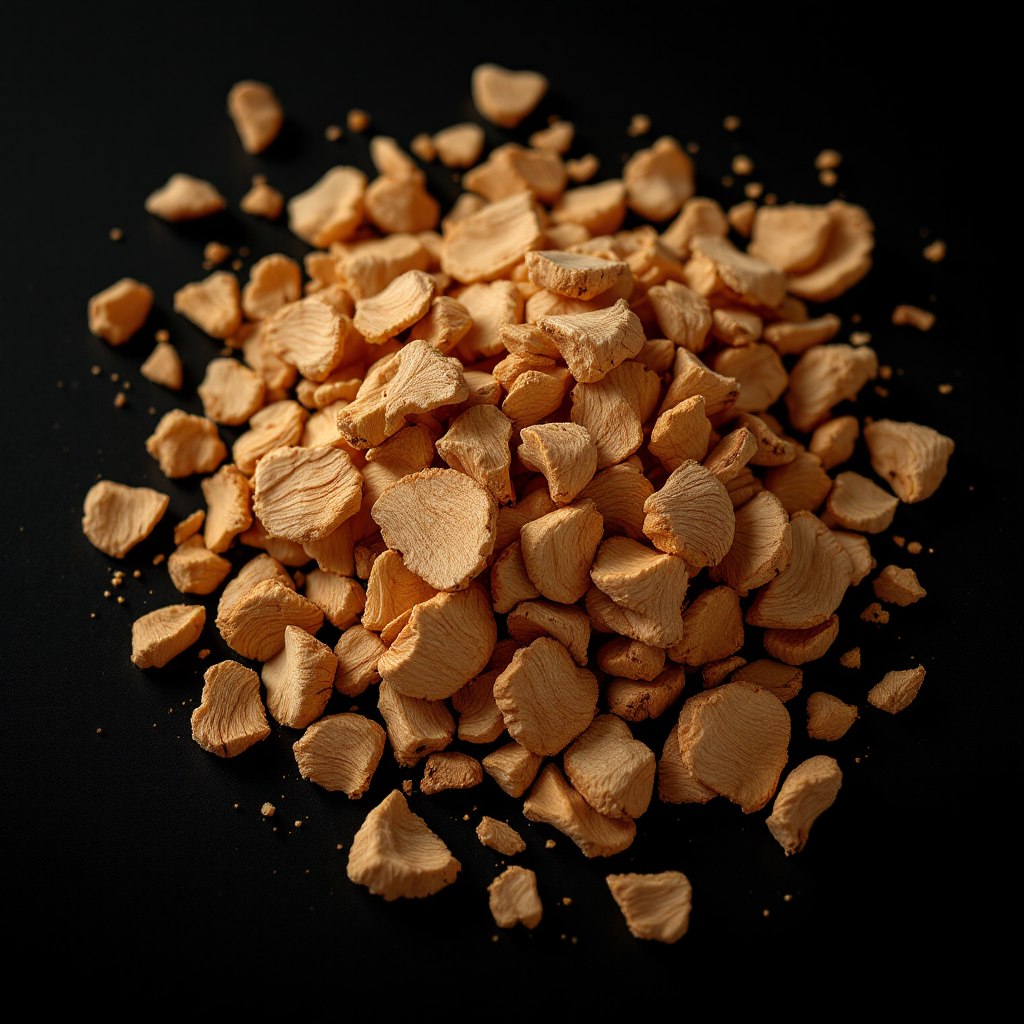
Juniper Tar
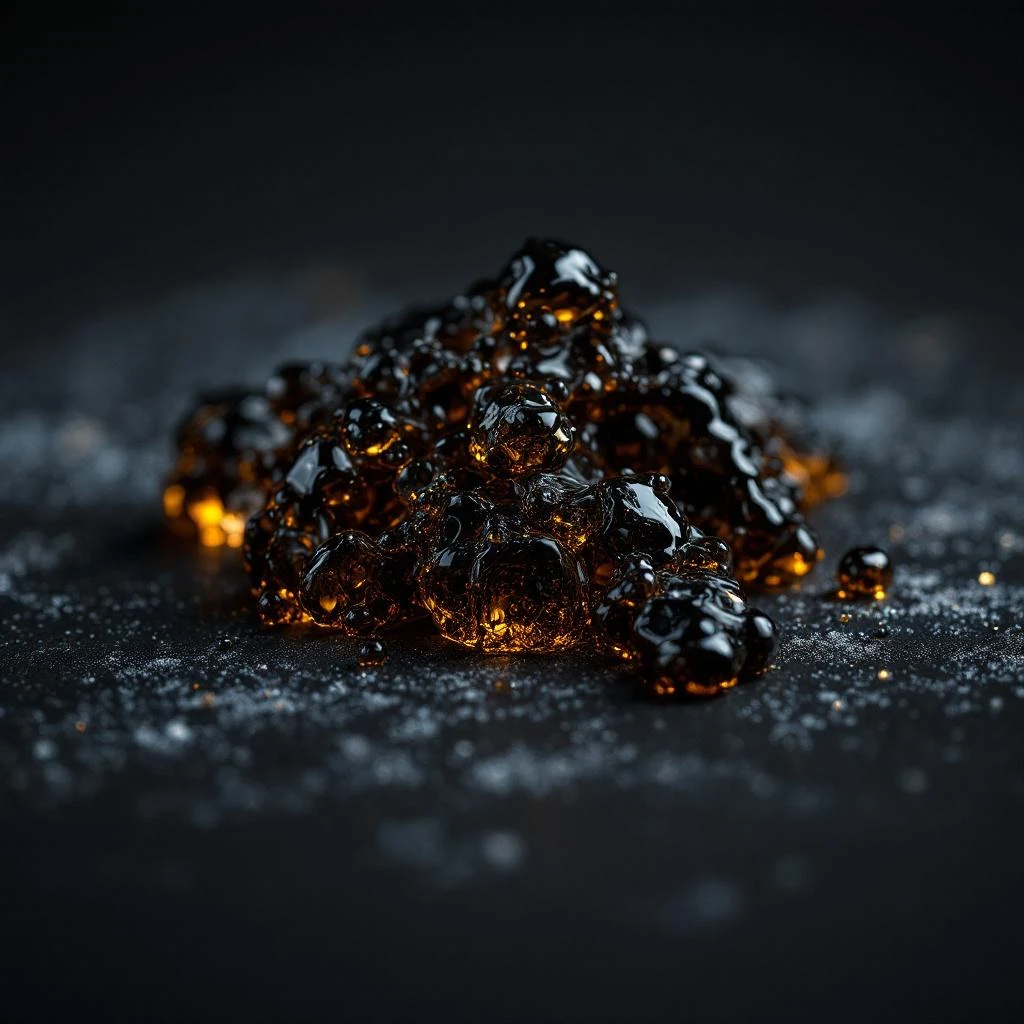
A smoky, phenolic condensation from prickly juniper wood. This Mediterranean tar carries leather, guaiacol, and campfire depth that anchors men's fragrances with primal warmth and texture.
Character
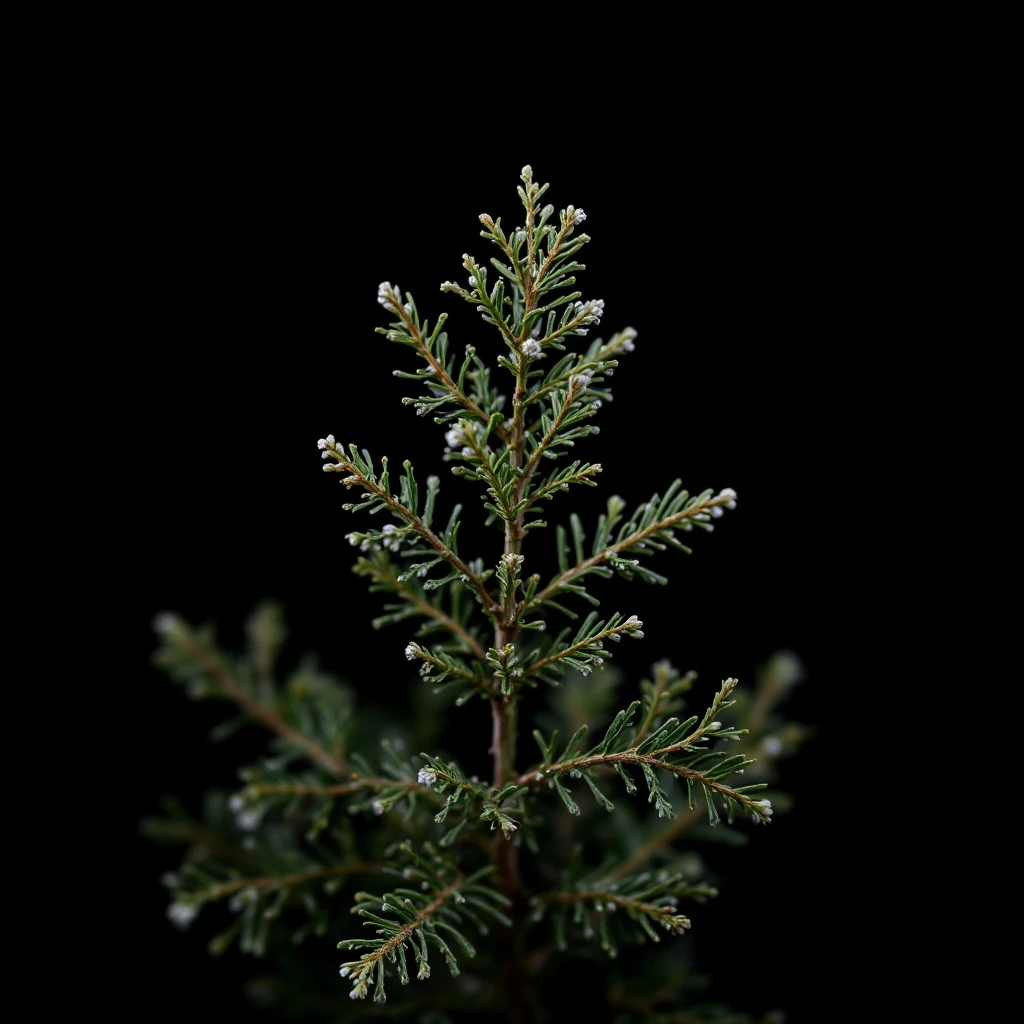
How it smells
Mediterranean smoke, leather, and guaiacol depth.
Ancient physicians prescribed Juniperus oxycedrus tar externally for skin ailments, a practice that persisted in folk medicine for over two thousand years.




Origin
Spain
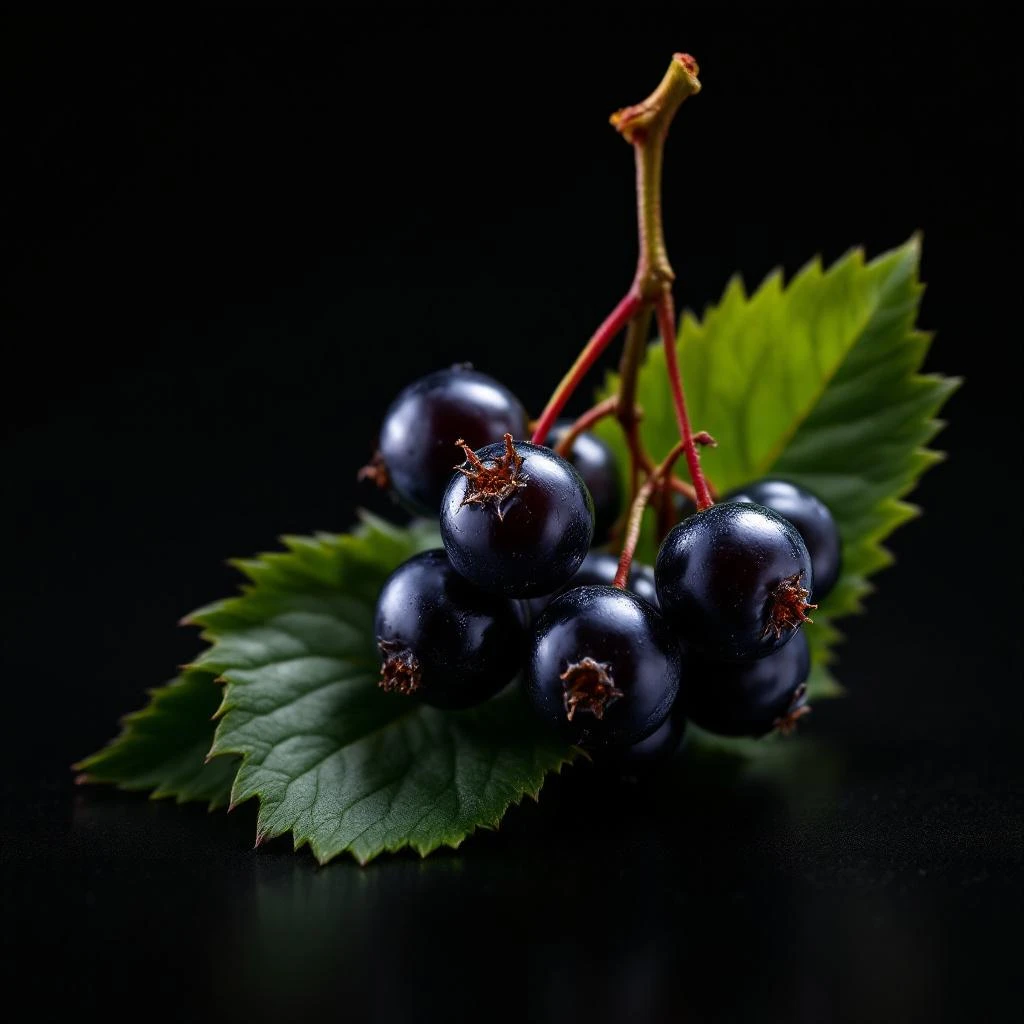
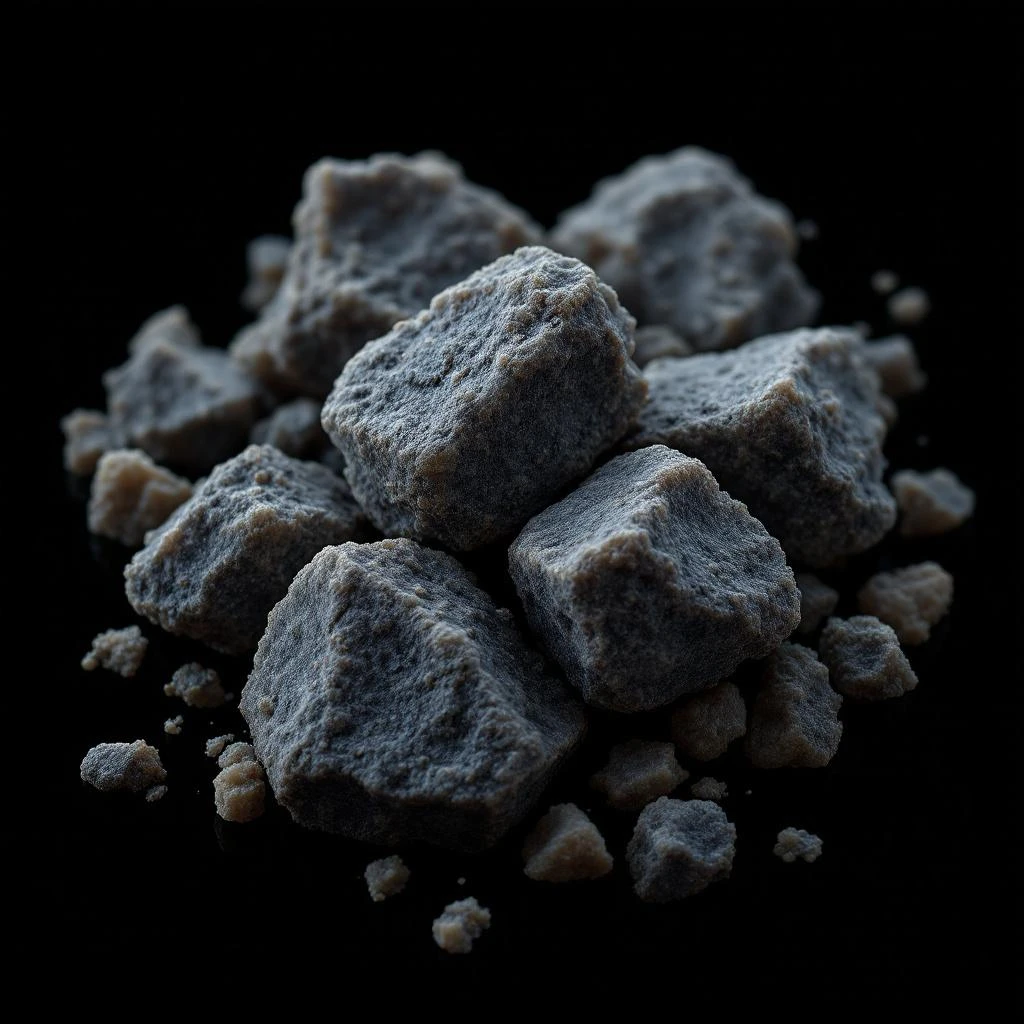
Juniperus oxycedrus, known as prickly juniper or cade juniper, grows wild across dry Mediterranean hillsides from Spain to the Levant. The plant's tar has served as a utilitarian material long before perfumery.
Mediterranean folk healers used the raw tar externally to treat chronic skin conditions, wounds, and parasites, relying on its natural antiseptic properties. Physicians across the Roman and Byzantine worlds documented its applications in medical texts.
Perfumers later discovered that even trace amounts of cade oil could transform a fragrance, lending it an unmistakable smoky, leathery character that read as both rugged and refined. This dual identity, rooted in medicine and later elevated by artisans, keeps cade oil in steady demand for masculine accords and chypre structures.
Wears it best
Fragrances featuring Juniper Tar
Brands
Brands known for Juniper Tar
Good to know
Questions, answered
The essentials on Juniper Tar in perfumery: how it smells, where it comes from, and how it behaves on skin.
What is juniper tar in perfumery?
Juniper tar (cade oil) is a dark, viscous oil obtained through dry distillation of Juniperus oxycedrus wood. It delivers smoky, leathery, and phenolic aroma characteristics prized in masculine and chypre fragrance compositions.
How is juniper tar extracted?
Producers dry-distill the wood and heartwood of Juniperus oxycedrus in sealed vessels. Controlled pyrolysis releases a tarry condensate, which undergoes steam distillation to produce the fragrant cade oil.
Is juniper tar the same as juniper berry oil?
No. Juniper berry oil comes from the berries of Juniperus communis through steam distillation. Juniper tar comes from a different species (Juniperus oxycedrus) via dry distillation of wood, producing a chemically distinct smoky profile.
What fragrance family uses juniper tar?
It appears primarily in leather,chypre, fougère, and woody masculine accords. As a specialty base note, it adds smoke and depth that single-note ingredients cannot achieve.
What does juniper tar smell like?
Guaiacol dominance gives it a strong smoky character reminiscent of woodsmoke or leather. Secondary notes of creosol add a medicinal, tarry quality that reads as dark and earthy rather than sweet.
Where does Juniperus oxycedrus grow?
Prickly juniper thrives in dry, rocky Mediterranean landscapes across southern Europe and North Africa. Spain, France, Italy, Greece, and Morocco all host natural stands of the species.
Does juniper tar have traditional medicinal uses?
Yes. Historical records show ancient Mediterranean healers applied the tar externally for skin conditions and parasites. Modern cosmetic safety reviews confirm its continued use as a hair-conditioning agent and fragrance component.
Is synthetic juniper tar available as an alternative?
Guaiacol, the primary aroma chemical in juniper tar, can be synthesized. However, natural cade oil retains a complex phenolic profile that fully synthetic versions have not fully replicated.