Iranian Saffron
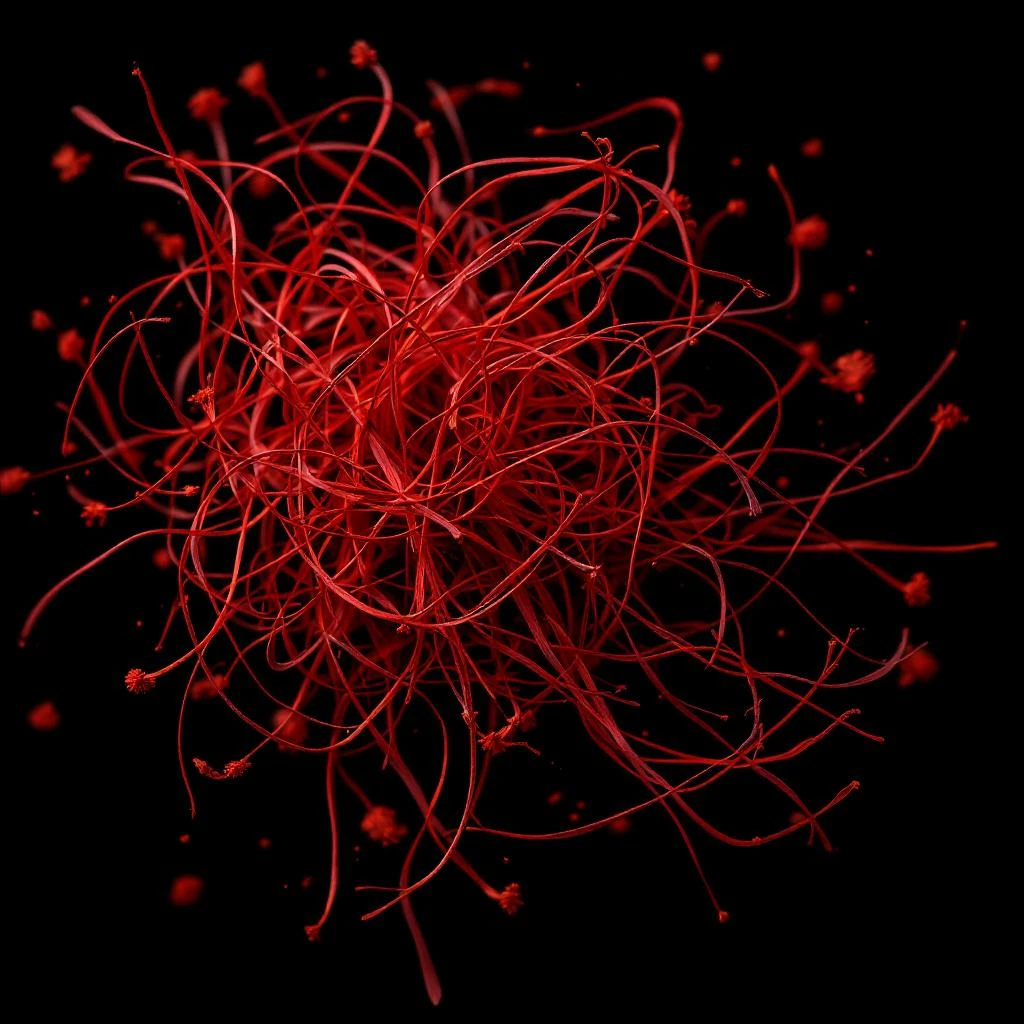
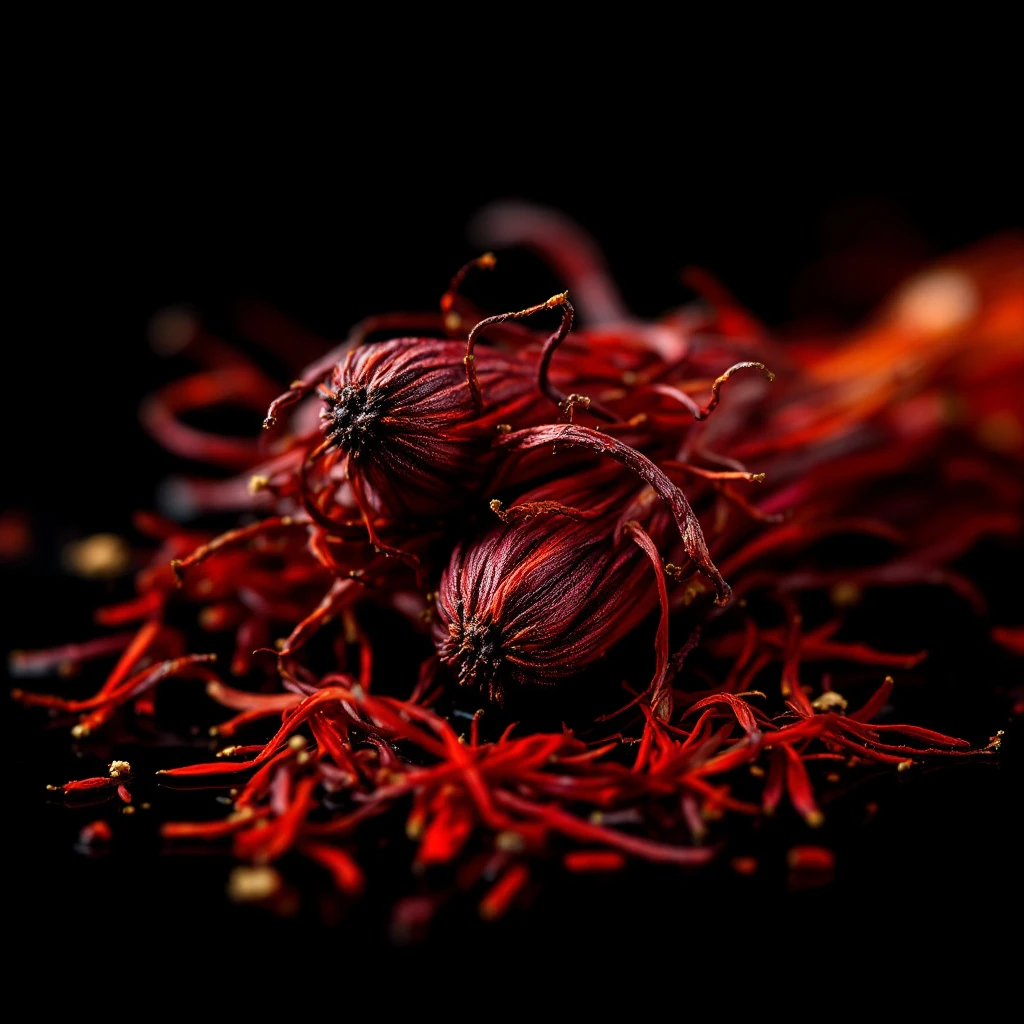
Harvested from the crocus flowers of Iran's Khorasan region, Iranian saffron delivers a complex aroma—warm, honeyed, and subtly leathery—that has defined luxury perfumery for millennia.
Character
How it smells
The Red Gold of Persia
A single pound of saffron requires roughly 170,000 hand-picked flowers, making it the world's most expensive spice by weight.



Origin
Iran
Saffron originated in Iran, particularly in the ancient Khorasan region, before spreading along trade routes to Kashmir, the Mediterranean, and Asia Minor. Persian civilization embraced saffron not merely as a spice but as a symbol of wealth, status, and spirituality. Ancient texts describe Persian royalty perfuming their bathwater and fountains with saffron, creating an atmosphere of intoxicating luxury.
The Achaemenid Empire used saffron in religious ceremonies and medicinal preparations. Greek traders introduced saffron to ancient Greece around 1500 BC, where it became associated with beauty and healing. Islamic Persia elevated the ingredient further, incorporating it into court culture and early perfumery traditions.
Medieval Persian poets celebrated saffron in their verses, cementing its place in cultural identity. Today, Iran produces more than 90 percent of the world's saffron, with Khorasan remaining the benchmark against which all other origins are measured. The region's combination of hot, dry summers and cold winters creates the precise growing conditions that produce saffron's distinctive aromatic profile.
Wears it best
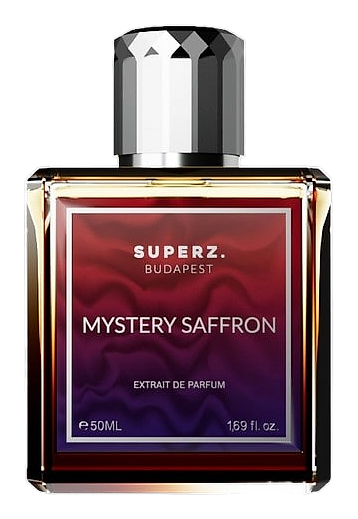
Fragrances featuring Iranian Saffron
Brands
Brands known for Iranian Saffron
Good to know
Questions, answered
The essentials on Iranian Saffron in perfumery: how it smells, where it comes from, and how it behaves on skin.
What distinguishes Iranian saffron in perfumery?
Iranian saffron from Khorasan produces a notably high concentration of safranal, the compound responsible for its warm, intensely aromatic character. The region's specific climate and soil conditions create stigmas with exceptional color and fragrance potency compared to other origins.
How does saffron function as a fragrance ingredient?
Saffron operates as both a top and heart note in perfumery. It contributes warm, slightly leathery, and honeyed facets that blend exceptionally well with woody bases like oud, floral notes such as rose, and resinous materials including amber and frankincense.
Which extraction method produces the best saffron absolute?
Solvent extraction yields a saffron absolute prized for its concentrated color and rich, complex aroma. The resulting material captures the full spectrum of saffron's characteristic warm, slightly medicinal, and honeyed qualities essential to high-end perfumery.
How many saffron flowers yield one kilogram of finished product?
Approximately 170,000 flowers produce a single kilogram of saffron. Each crocus plant yields just three stigmas, making the ingredient extraordinarily labor-intensive and explaining its position as the world's most expensive spice by weight.
When does the Iranian saffron harvest occur?
Harvest takes place during a two-week window in October when Crocus sativus flowers bloom. All picking occurs by hand in early morning before sunlight degrades the delicate stigmas, preserving maximum aromatic potential.
What determines the quality grade of saffron stigmas?
Color intensity serves as the primary grading criterion, with higher grades displaying vivid crimson threads. Aroma strength, stigma length, and moisture content below 12 percent also factor into official grading systems used by Iranian suppliers.
Why is Persian saffron considered the benchmark origin?
The Khorasan region's combination of altitude, temperature swings, and low humidity creates ideal conditions for developing high safranal content. Iranian producers also maintain traditional hand-processing methods that preserve aromatic compounds throughout drying and sorting.
What aromatic compounds define saffron's scent profile?
Safranal provides saffron's distinctive warm, slightly herbal character. Picrocrocin contributes bitter, slightly medicinal undertones. Crocins add subtle honeyed and floral nuances that round out the ingredient's complex perfumery profile.