Ionone
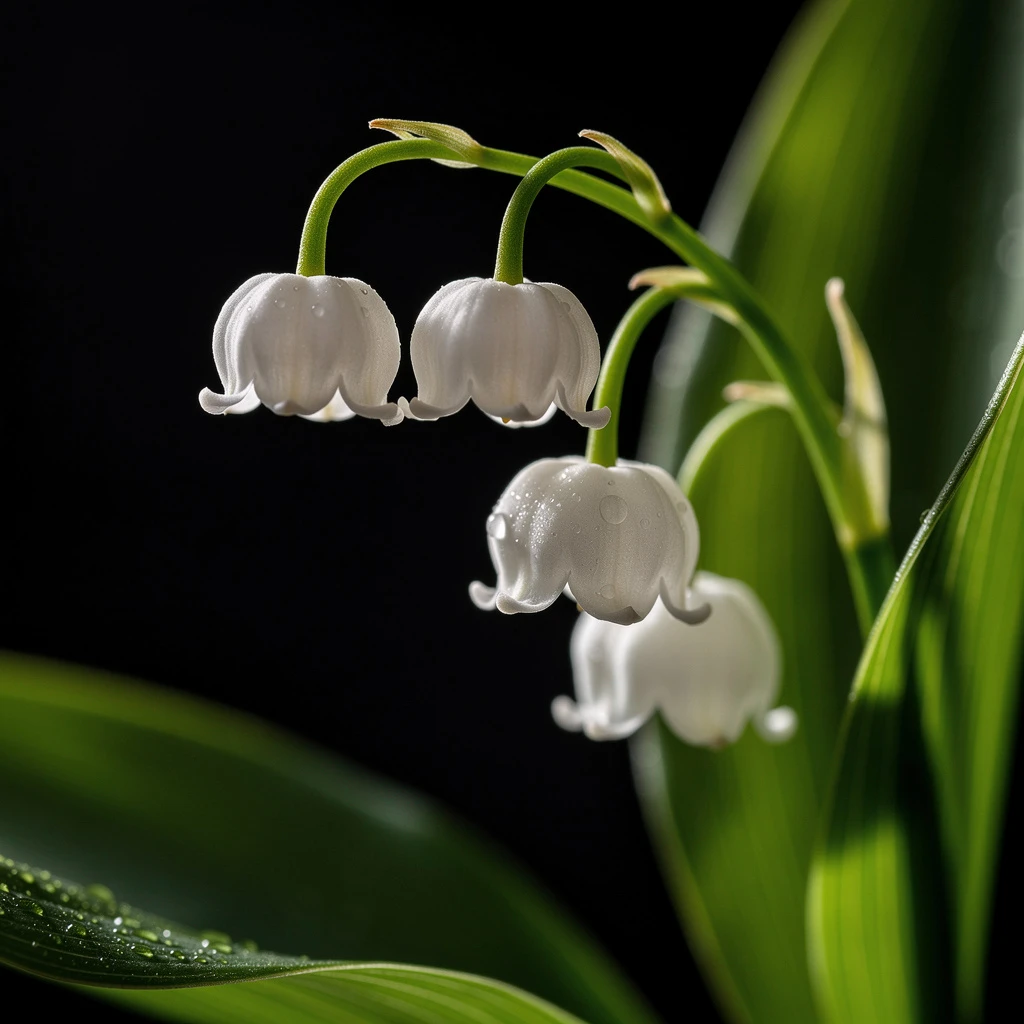
Ionone captures the essence of violets in a single molecule. This synthetic aroma chemical delivers the powdery, floral-violet character that perfumers have prized since 1898.

Character
How it smells
The powdery heart of violet and iris.
Natural violet absolute requires one ton of flowers to yield just a few grams. Ionone delivers that same scent synthetically.





Origin
Germany
Ionone emerged from German chemistry in 1898 when Ferdinand Tiemann and August Wilhelm von Kruger succeeded where others had failed. Working at the Haarmann and Reimer perfume house, they developed a synthesis method using citral isolated from Litsea cubeba, combined with acetone under controlled conditions.
The result was a molecule that mimicked the prized violet note without harvesting tons of flower petals. This breakthrough arrived alongside other early synthetics like vanillin and coumarin, marking the beginning of modern fragrance chemistry.
Ionone quickly became foundational in chypre compositions, appearing in landmark fragrances like Rochas Femme and Chanel No. 19, where it anchors powdery floral and violet interpretations.
Wears it best
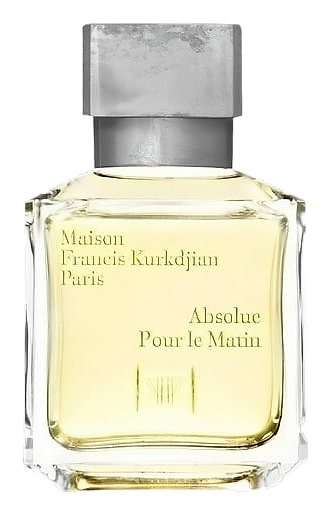
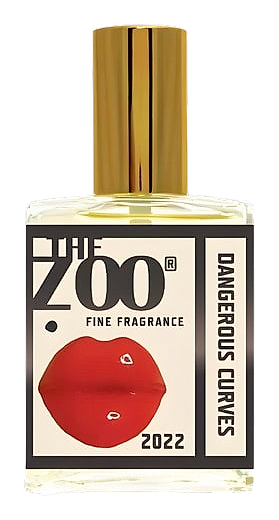
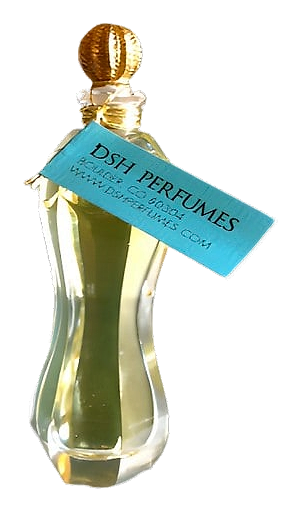
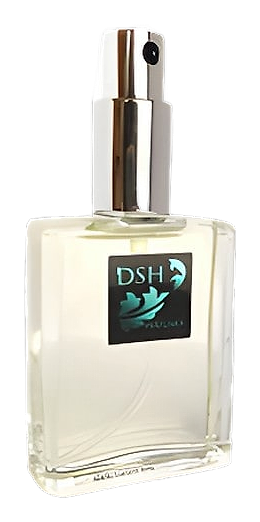
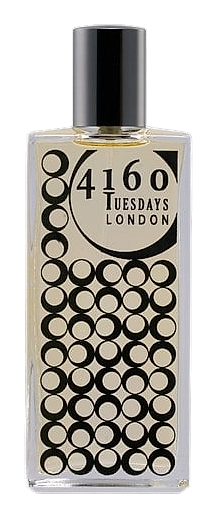
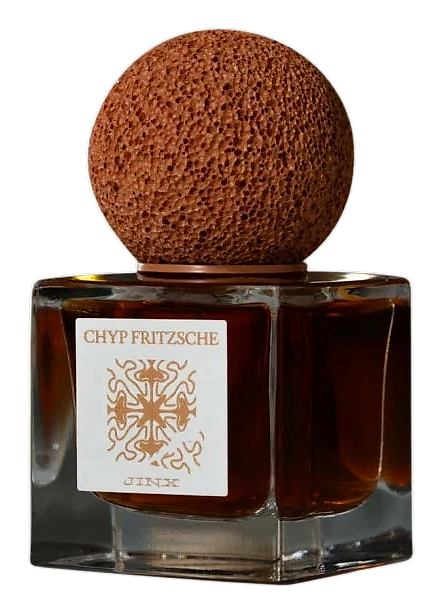
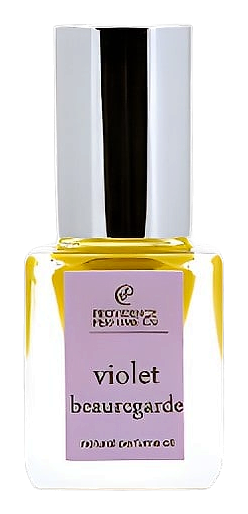
Fragrances featuring Ionone
Brands
Brands known for Ionone
Good to know
Questions, answered
The essentials on Ionone in perfumery: how it smells, where it comes from, and how it behaves on skin.
What is ionone in perfumery?
Ionone is a synthetic aroma chemical that replicates violet and orris scents. It was first synthesized in 1898 by Tiemann and Kruger. The compound belongs to a family of ring-structured ketone molecules derived from citral and acetone.
What does ionone smell like?
Ionone delivers a powdery, floral-violet scent with secondary orris and slightly woody characteristics. Alpha-ionone tends toward fresh violet, while beta-ionone adds deeper raspberry and cedar nuances. Methyl ionone provides a warmer, more persistent powdery effect.
When was ionone first synthesized?
Chemists Ferdinand Tiemann and August Wilhelm von Kruger synthesized ionone in 1898. Their work at the German firm Haarmann and Reimer produced the first commercially viable synthetic violet compound, changing fragrance chemistry fundamentally.
Why is ionone important in perfumery?
Ionone solved a persistent supply problem. Natural violet absolute requires approximately one ton of flowers to yield mere grams of material. The synthetic alternative made the powdery violet note widely accessible for fragrance creation.
Is ionone regulated in perfumery?
Alpha-isomethyl ionone faces IFRA restrictions as a potential skin sensitizer. Current regulations limit its concentration in consumer products. Perfumers must comply with these guidelines when formulating with ionone variants.
What fragrance families use ionone?
Ionone features prominently in chypre compositions, powdery florals, and violet interpretations. It decorates the heart notes of fragrances like Rochas Femme and Chanel No. 19, reinforcing their signature powdery floral character.
How many ionone variants exist?
Three primary variants see widespread use: alpha-ionone, beta-ionone, and methyl ionone. Each offers subtly different olfactory properties. Alpha-ionone provides bright violet freshness, while beta-ionone adds deeper, fruitier complexity.
What is the chemical structure of ionone?
Ionone possesses a C13H20O molecular formula with a characteristic ionone ring structure. The ketone functional group and isoprenoid backbone create the distinctive violet-orris aroma profile that defines this chemical family.
In the same family