Indolic Jasmine
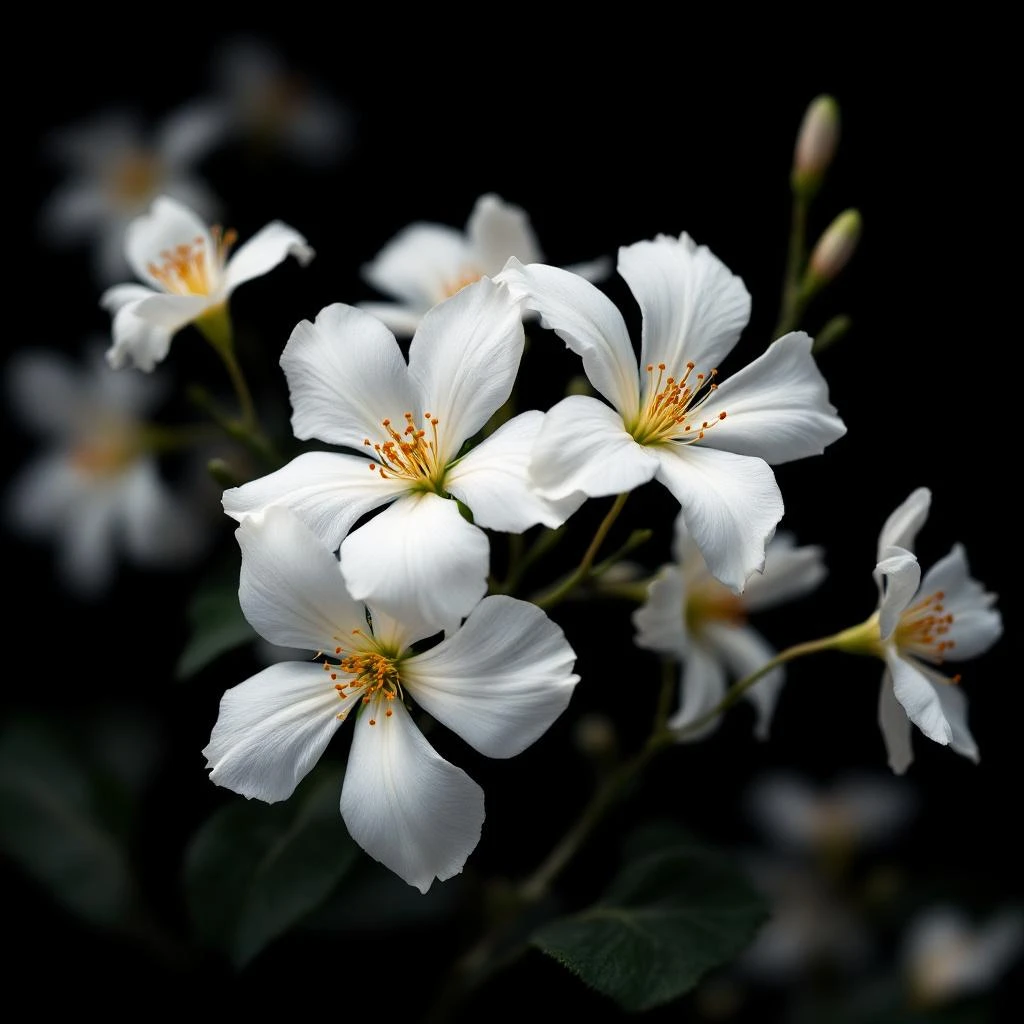
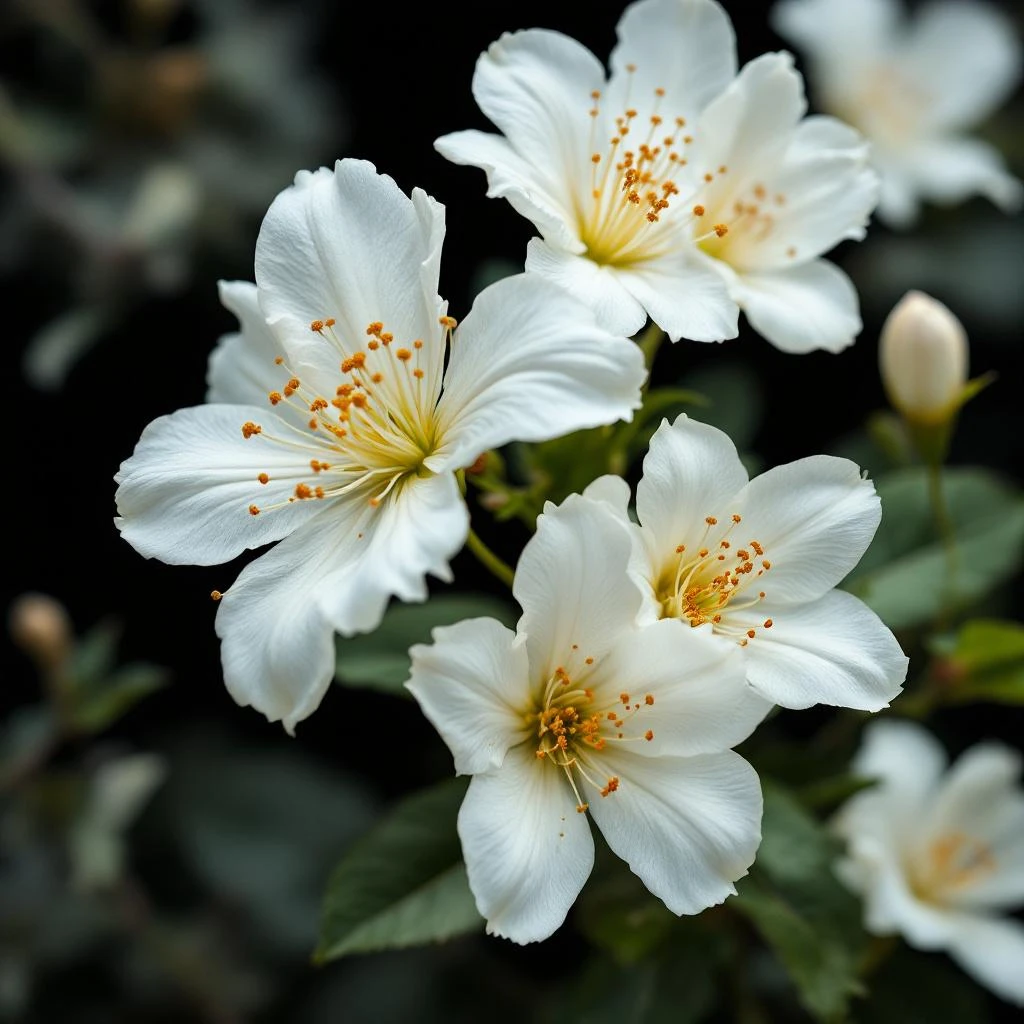
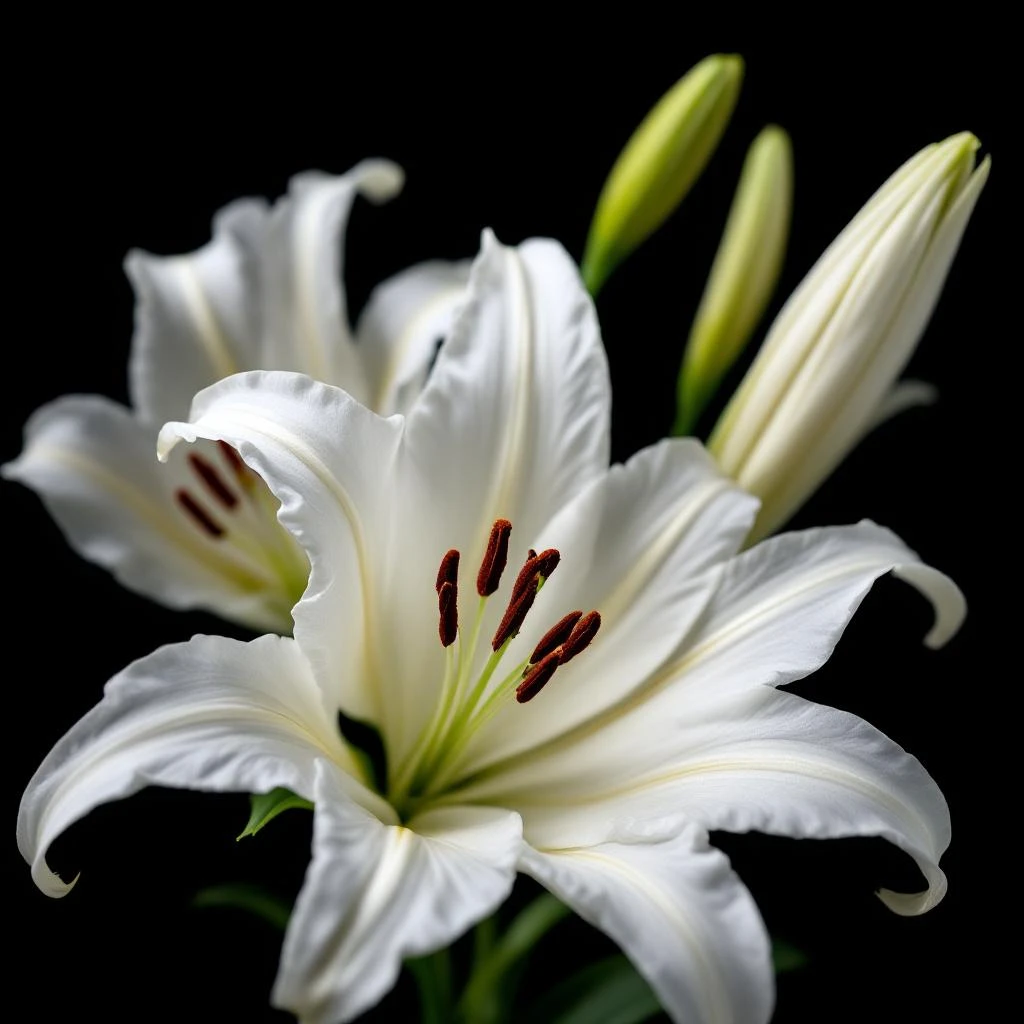
Indolic jasmine carries jasmine’s luminous floral character with a deeper, warmly animalic edge, shaped by indole at naturally occurring levels.
Character
How it smells
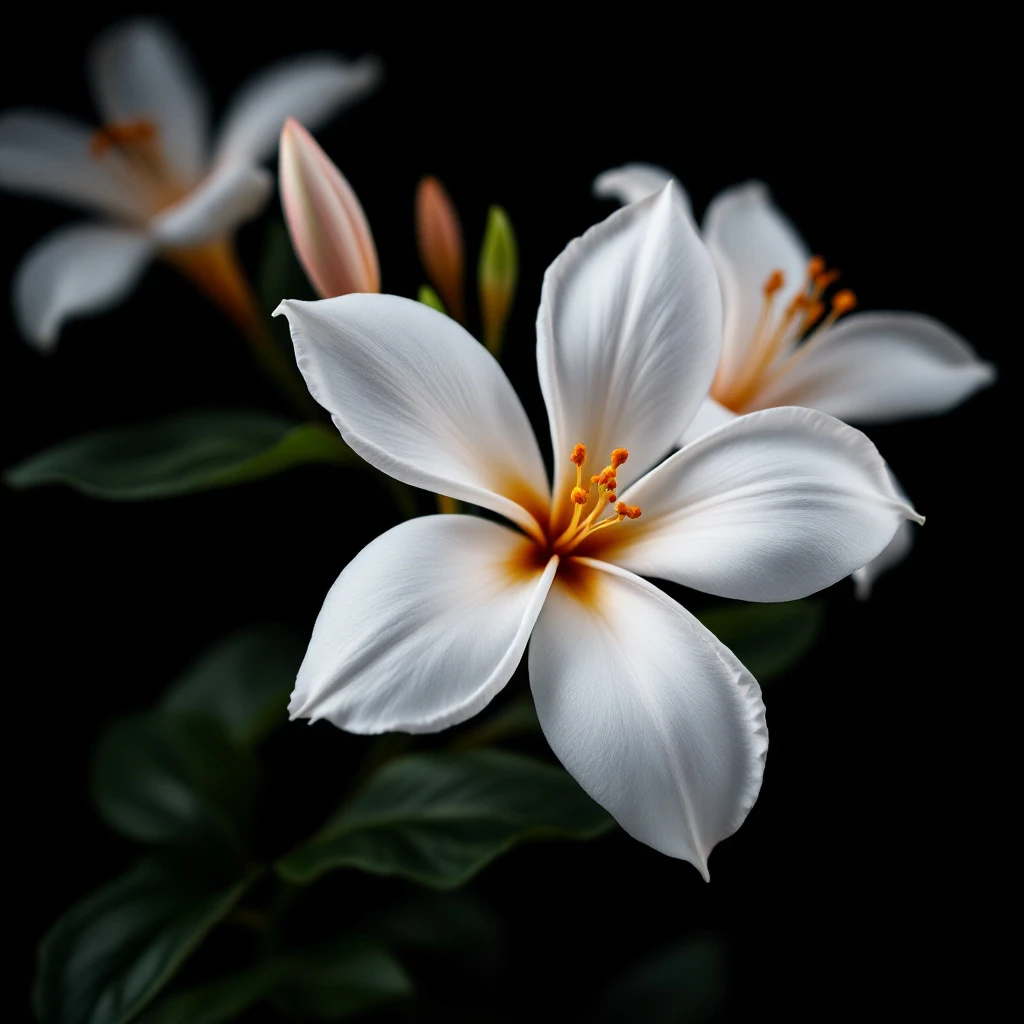
Floral warmth with a provocative, skin-like depth
Jasmine’s indole follows a daily rhythm, reaching its highest concentration in the flowers before dawn.
Pairs beautifully with
Origin
Nepal
Jasmine has carried ceremonial and sensual associations for centuries. The plant known as Spanish jasmine, Jasminum grandiflorum, originates from Nepal and reached Europe in the 17th century, where it became closely associated with perfume-making. Grasse later became a major center for jasmine cultivation and extraction, helping establish the flower as a cornerstone of classical perfumery.
Historical jasmine absolutes were prized for their powerful floral character, and the famous emergence of indole in modern jasmine materials offered perfumers a new way to balance brightness with warmth and animalic depth. Traditional enfleurage placed fresh blossoms into fat to release their scent, while large-scale solvent extraction made commercial production more practical. Today, jasmine is cultivated and processed in Egypt, India, Morocco, and southern France.
Indolic jasmine sits at the meeting point of two traditions: the white floral elegance associated with jasmine and the more tactile, provocative notes valued in modern fragrance composition.
Wears it best
Fragrances featuring Indolic Jasmine
Brands
Brands known for Indolic Jasmine
Good to know
Questions, answered
The essentials on Indolic Jasmine in perfumery: how it smells, where it comes from, and how it behaves on skin.
What does indolic jasmine smell like?
Indolic jasmine smells creamy and floral at first, then warmer and more intimate, with skin-like, musky, and occasionally fecal facets. Indole creates this complex edge, and its perception shifts with concentration and context.
Is indole the same as indolic jasmine?
No. Indole is a volatile aromatic compound naturally present in jasmine and other flowers. Indolic jasmine describes jasmine accords whose indole content creates a deeper, warmer, more animalic expression.
Why does jasmine smell fecal?
Jasmine can develop a fecal impression because it contains indole, a compound associated with the odor of feces at higher concentrations. In a finished fragrance, controlled doses combine with other materials to create nuanced floral warmth.
When is jasmine harvested for perfume production?
Jasmine flowers are commonly harvested before sunrise or during the early morning. Their volatile production follows a circadian rhythm, with the strongest concentrations generally appearing before dawn.
How is jasmine absolute produced?
Fresh jasmine blossoms undergo solvent extraction to form a concrete, which is then washed with alcohol to produce an absolute. The yield is exceptionally small, so roughly 8,000 flowers may be needed for one gram.
Where does jasmine originate?
Jasminum grandiflorum, often called Spanish jasmine, originates from Nepal and was introduced into Europe in the 17th century. It is now cultivated and processed in Egypt, India, Morocco, and southern France.
How does indole change the character of jasmine?
At subtle levels, indole gives jasmine a diffusive, creamy white-floral quality. At higher levels, it adds warmth, muskiness, and an animalic edge, allowing the flower to feel both radiant and sensual.
What is the difference between enfleurage and modern jasmine extraction?
Enfleurage transfers the scent of fresh flowers into fat, a slow historical technique once used for jasmine. Modern perfumery primarily uses solvent extraction, which is faster and supports consistent large-scale production.