Hungarian Lavender
Hungarian Lavender carries centuries of Central European perfumery heritage in its delicate floral heart. This prized variety from the Carpathian Basin delivers a cleaner, more refined camphoraceous edge than its French cousin.
Character
How it smells
Central Europe's most aromatic heritage.
A 1370 recipe called 'Queen of Hungary Water'—crafted for Queen Elizabeth of Hungary—became the world's first documented perfume, built on lavender's aromatic strength.



Origin
Hungary
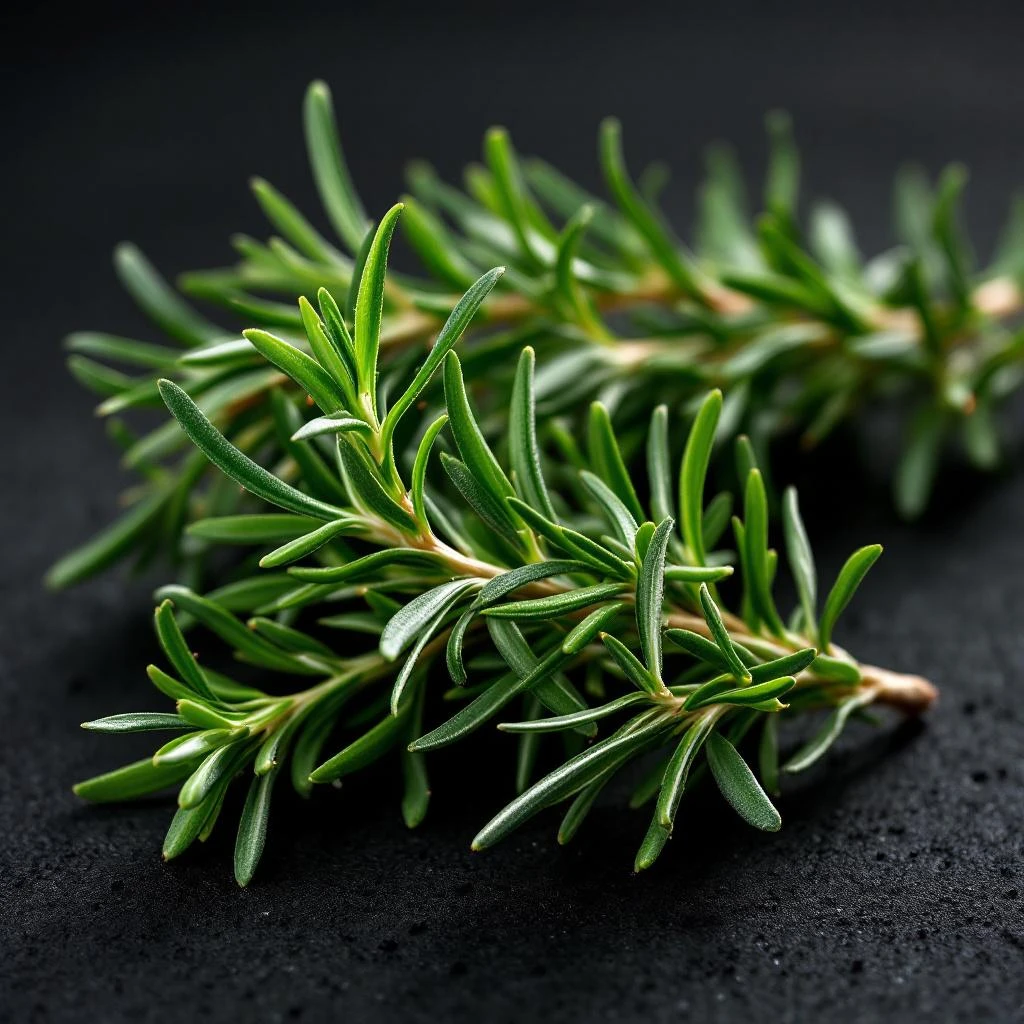
Lavender has grown wild across Hungary since at least the medieval period, thriving in the calcareous soils of the Carpathian Basin. The ingredient's most celebrated chapter began in 1370, when a Transylvanian hermit presented Queen Elizabeth of Hungary with an aromatic distillate now known as Queen of Hungary Water. The formula combined lavender with rosemary, thyme, and sage in an alcohol solution, reportedly credited with restoring the elderly queen's youthful vigor.
This preparation holds the distinction of being the first perfume created specifically for personal use rather than religious or medicinal application, marking a pivotal moment in European perfumery history. Throughout the following centuries, Hungarian monasteries cultivated lavender in medicinal gardens while regional apothecaries distributed its essential oil across Central Europe. Commercial lavender cultivation expanded significantly during the twentieth century under state agricultural programs, with the Tihany Peninsula emerging as a center of production.
The region's volcanic soil and unique microclimate produce an essential oil prized for its balanced aromatic profile. Today, Hungarian lavender represents a distinct expression of the plant, shaped by centuries of local cultivation knowledge and the specific terroir of the Carpathian Basin.
Wears it best
Fragrances featuring Hungarian Lavender
Brands
Brands known for Hungarian Lavender
Good to know
Questions, answered
The essentials on Hungarian Lavender in perfumery: how it smells, where it comes from, and how it behaves on skin.
Where does Hungarian Lavender originate?
Hungary is the primary origin for this variety. Lavender likely originated in the Indian highlands, but Hungarian cultivation began centuries ago, with the Carpathian Basin producing a distinctive cultivar adapted to Central European conditions.
How is Hungarian Lavender oil extracted?
Steam distillation extracts the oil from freshly cut flower spikes. Superheated steam ruptures the plant's oil glands, carrying volatile compounds into a condenser where they separate into essential oil and aromatic hydrosol.
What makes Hungarian Lavender distinct?
Hungarian Lavender produces oil with notably high linalool and linalyl acetate content, yielding a sweeter, more floral character. The Carpathian Basin's continental climate and alkaline soils create a cleaner, less camphoraceous profile than some other origins.
What is the history of Hungarian Lavender in perfumery?
Hungarian lavender entered perfumery history in 1370 with Queen of Hungary Water, considered the world's first personal perfume. The recipe combined lavender with herbs for Queen Elizabeth of Hungary, establishing the country in perfumery tradition.
Is Hungarian Lavender specific to Hungary?
Yes, Hungarian Lavender refers to cultivars developed and grown primarily in Hungary. Clone 558, a high-yielding variety developed in Hungary during the mid-twentieth century, dominates commercial production in the region.
What compounds define Hungarian Lavender's scent?
Linalool and linalyl acetate dominate the chemical profile, typically comprising 75 to 85 percent of the oil. This balance produces characteristic sweet-floral notes with minimal harshness compared to higher-camphor varieties.
When is Hungarian Lavender harvested?
Harvest occurs from late June through July, timed when the lower third of flower spikes show full bloom. Peak oil content coincides with this growth stage, requiring careful timing as aromatic compounds begin degrading within hours of peak maturity.
How does Lavender Absolute differ from essential oil?
Lavender Absolute comes from solvent extraction rather than steam distillation. The process yields a more concentrated aromatic material with a broader scent profile, including some non-volatile plant waxes that create richer texture in final formulations.