Hungarian Coriander
Hungarian Coriander delivers a distinctive cold-spice warmth with luminous citrus facets. Steam-distilled from sun-dried seeds, this Eastern European essential oil bridges the aromatic worlds of herbs and citruses, lending freshness and depth to modern compositions.
Character
How it smells
A cold spice with sun-bright citrus soul.
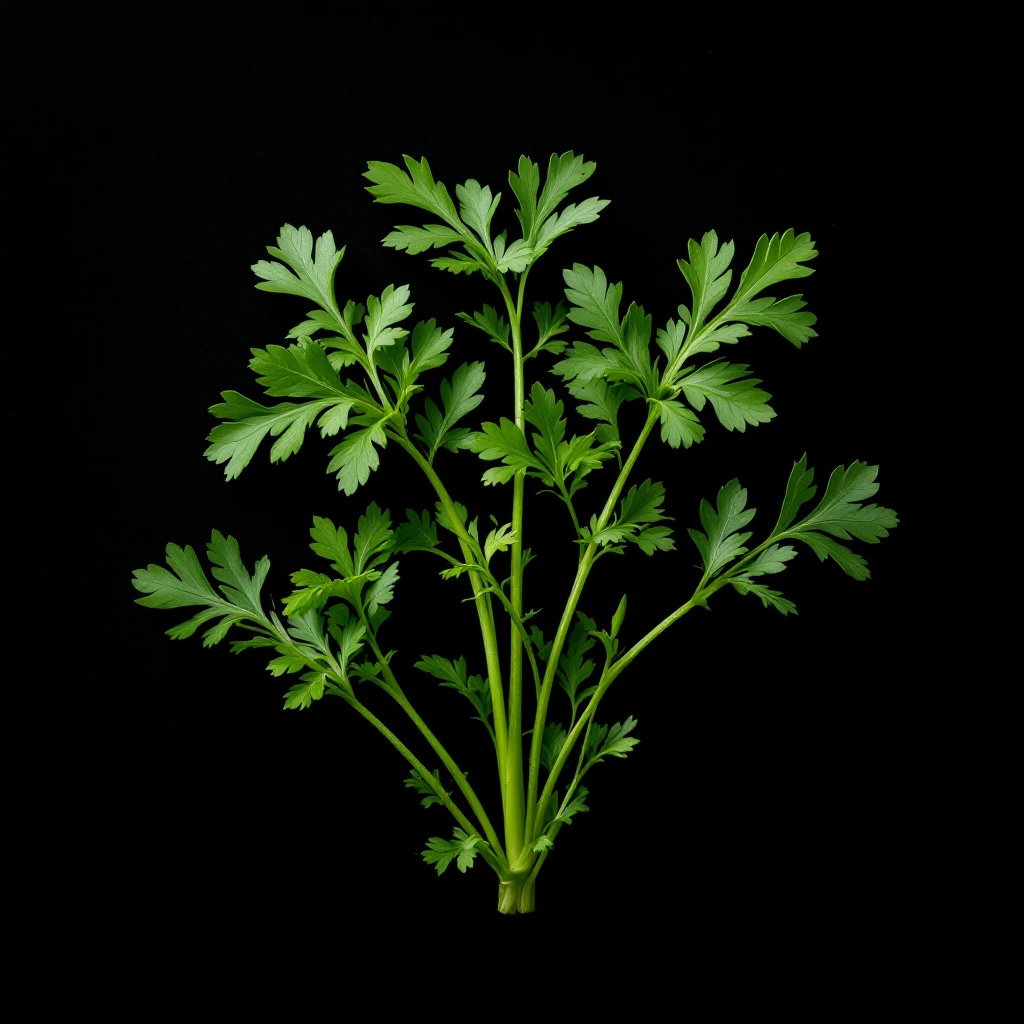
Coriander seeds float in water, while the leaves sink—this botanical quirk has no impact on the fragrance, but gardeners notice immediately.




Origin
Hungary
Coriander appears in Egyptian tombs dating to 3000 BCE, though Hungarian cultivation gained particular prominence during the medieval period. Charlemagne's 8th-century Capitulary mandated coriander cultivation across his empire, establishing Eastern Europe as a production center.
Hungarian traders refined seed selection over centuries, developing varieties prized for their high linalool content. The herb appeared in apothecary inventories throughout the Habsburg territories, valued as much for its aromatic properties as its digestive benefits.
By the 19th century, Hungarian coriander seed oil had become a standard material in French and British perfumery, particularly for chypre formulations. The country maintained its reputation for quality through two world wars and the communist period, preserving traditional cultivation methods that mechanized agriculture elsewhere has displaced.
Wears it best
Fragrances featuring Hungarian Coriander
Brands
Brands known for Hungarian Coriander
Good to know
Questions, answered
The essentials on Hungarian Coriander in perfumery: how it smells, where it comes from, and how it behaves on skin.
What does Hungarian Coriander smell like?
Hungarian Coriander opens with sharp citrus and green notes reminiscent of freshly crushed leaves, settling into warm, peppery spice. The linalool content (up to 80%) creates a soapy, floral undertone that distinguishes it from synthetic approximations.
Is Hungarian Coriander commonly used in perfumery?
Yes. Coriander ranks among the twenty most-used natural fragrance materials globally. Hungarian origin commands premium pricing due to consistently higher linalool concentrations compared to Indian or Moroccan varieties.
What type of fragrance family uses Hungarian Coriander?
Coriander appears predominantly in chypre and fougère masculine fragrances as a top or heart note. It also functions in aromatic, citrus, and spicy oriental compositions where its green-spice character provides lift and complexity.
Does Hungarian Coriander come from a specific plant variety?
No. Hungarian Coriander refers to the origin of cultivation and distillation, not a distinct botanical variety. The same species (Coriandrum sativum) grows globally, but Hungarian seeds develop higher aromatic concentration in the continental climate.
Can coriander essential oil be synthesized?
Synthetic linalool replicates coriander's primary aromatic component but lacks the complete natural profile. Natural coriander oil contains trace compounds including camphor and geraniol that create perceived warmth synthetic versions cannot match.
What part of the coriander plant produces the fragrance material?
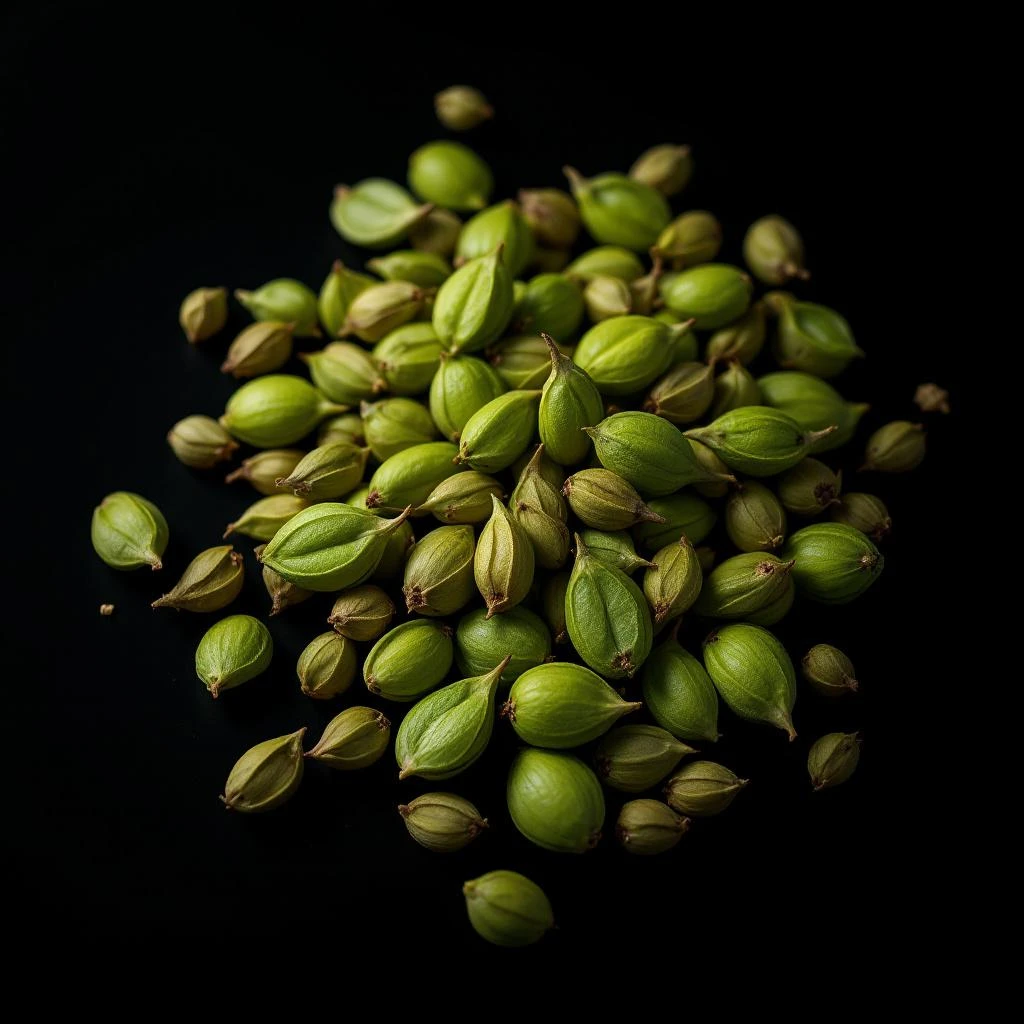
The seeds (technically the dried fruit) contain the essential oil. Leaves and stems produce different aromatic compounds used in culinary contexts but not in perfumery. Seed maturity at harvest critically affects oil composition.
How long has Hungary produced coriander for fragrance use?
Documented Hungarian coriander production dates to at least the medieval period. By the 1800s, Hungarian-grown seed had established export markets to Western European fragrance houses, a trade relationship persisting for over two centuries.
What distinguishes Hungarian coriander from other origins?
Hungary's continental climate and calcareous soils produce seeds with 15-20% higher linalool content than Mediterranean-grown coriander. This concentration translates to greater fragrance impact per drop and a cleaner citrus character.