Horsehair
The humble horsehair brush carries centuries of perfumery tradition. More than a simple applicator, it shapes how fragrance meets skin, holding and releasing scent in ways synthetic materials still cannot replicate.
Character
How it smells
The traditional applicator that shapes fragrance's first impression
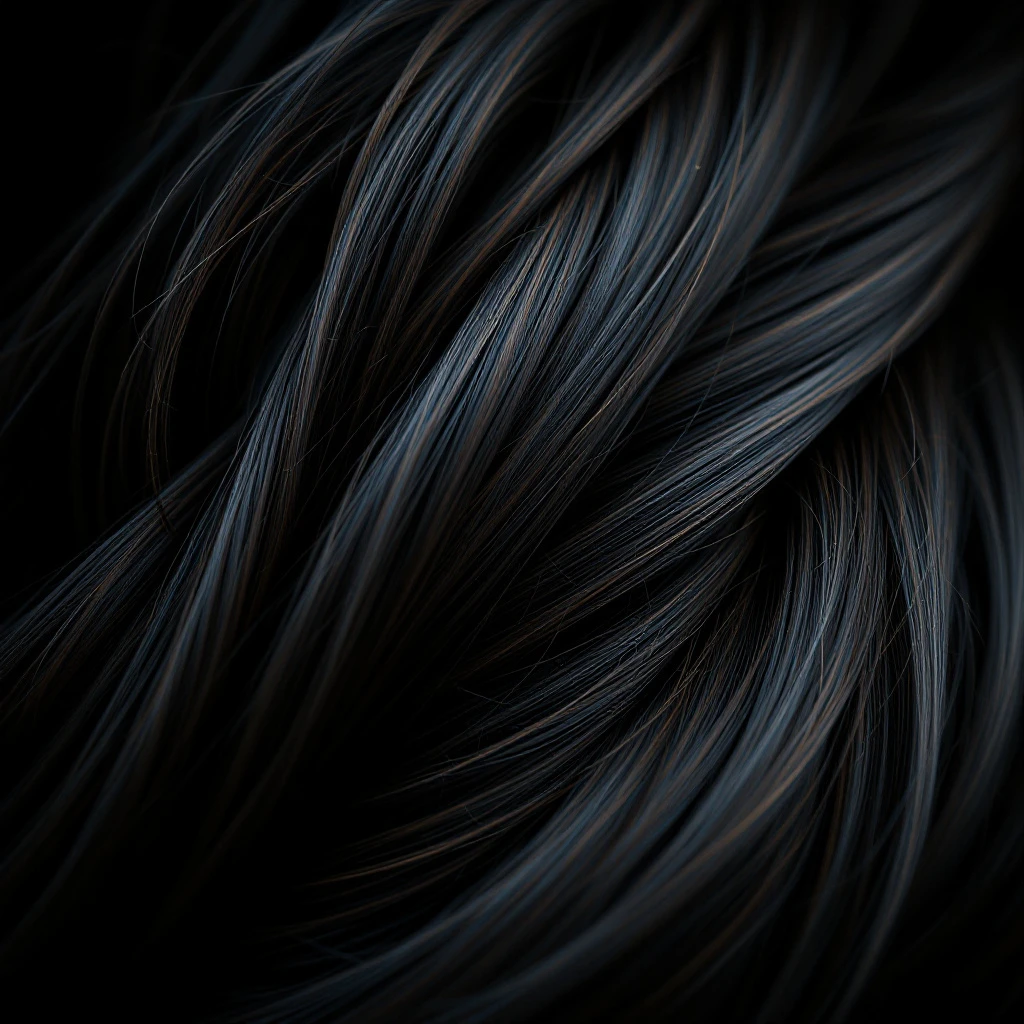
High-quality horsehair brushes contain up to 3,000 individual strands, each capable of holding fragrance particles in its porous structure.


Origin
Multiple (traditional source: China)
Horsehair brushes entered perfumery through the grooming traditions of Central Asian and Chinese cultures, where they served for centuries before becoming integral to European fragrance houses in the 19th century. French and British perfumers adopted these tools as the industry shifted from solid perfumes to liquid formulations requiring applicator brushes. The material symbolized craftsmanship and luxury during an era when natural materials defined premium products.
Wealthy clients expected their perfume brushes to match the elegance of the bottles they accompanied. As synthetic materials emerged in the 20th century, horsehair tools persisted in artisanal and niche perfumery, valued for their performance characteristics that remained difficult to engineer artificially.
Wears it best
Fragrances featuring Horsehair
Brands
Brands known for Horsehair
Good to know
Questions, answered
The essentials on Horsehair in perfumery: how it smells, where it comes from, and how it behaves on skin.
Is horsehair an actual fragrance ingredient or just a tool?
Horsehair functions primarily as an applicator material rather than an extracted fragrance ingredient. Perfumers use horsehair brushes to apply fragrance to skin, leveraging the hair's natural ability to hold and release scent molecules.
Can horsehair produce fragrance through extraction?
No. Horsehair is keratin-based, like other animal fibers, and cannot be processed through standard extraction methods like distillation or solvent extraction. It serves a functional role in application rather than as a source material.
Why do perfumers still prefer horsehair over synthetic brushes?
Horsehair possesses a hollow, porous structure that absorbs fragrance differently than synthetic alternatives. Many perfumers report that horsehair provides more controlled application and better fragrance bloom on skin.
What gives treated horsehair its characteristic warm scent?
When horsehair undergoes controlled thermal processing during manufacturing, the heat breaks down proteins and generates aromatic compounds including aldehydes and pyrazines. This creates the distinctive warm, leathery note associated with quality brushes.
How long has horsehair been used in perfumery?
Horsehair application tools became standard in European perfumery during the 19th century, though the practice originated in Asian grooming traditions. French and British fragrance houses adopted the material as liquid perfumes replaced solid formats.
Does horsehair affect how a fragrance smells?
Horsehair itself contributes minimal scent to fragrance compositions. Its role is purely applicative: it influences the amount of product dispensed and the initial distribution pattern on skin, affecting how the top notes develop.
Are there synthetic alternatives to horsehair brushes?
Manufacturers produce synthetic fiber brushes designed to mimic horsehair properties. These alternatives offer consistent quality and avoid animal-derived materials, though many professional perfumers and enthusiasts still prefer natural horsehair.
What quality should consumers look for in horsehair perfume brushes?
Quality indicators include strand density, natural taper, consistent length within bundles, and secure mounting. Higher-grade brushes use tail hair rather than body hair and undergo more thorough cleaning during manufacturing.