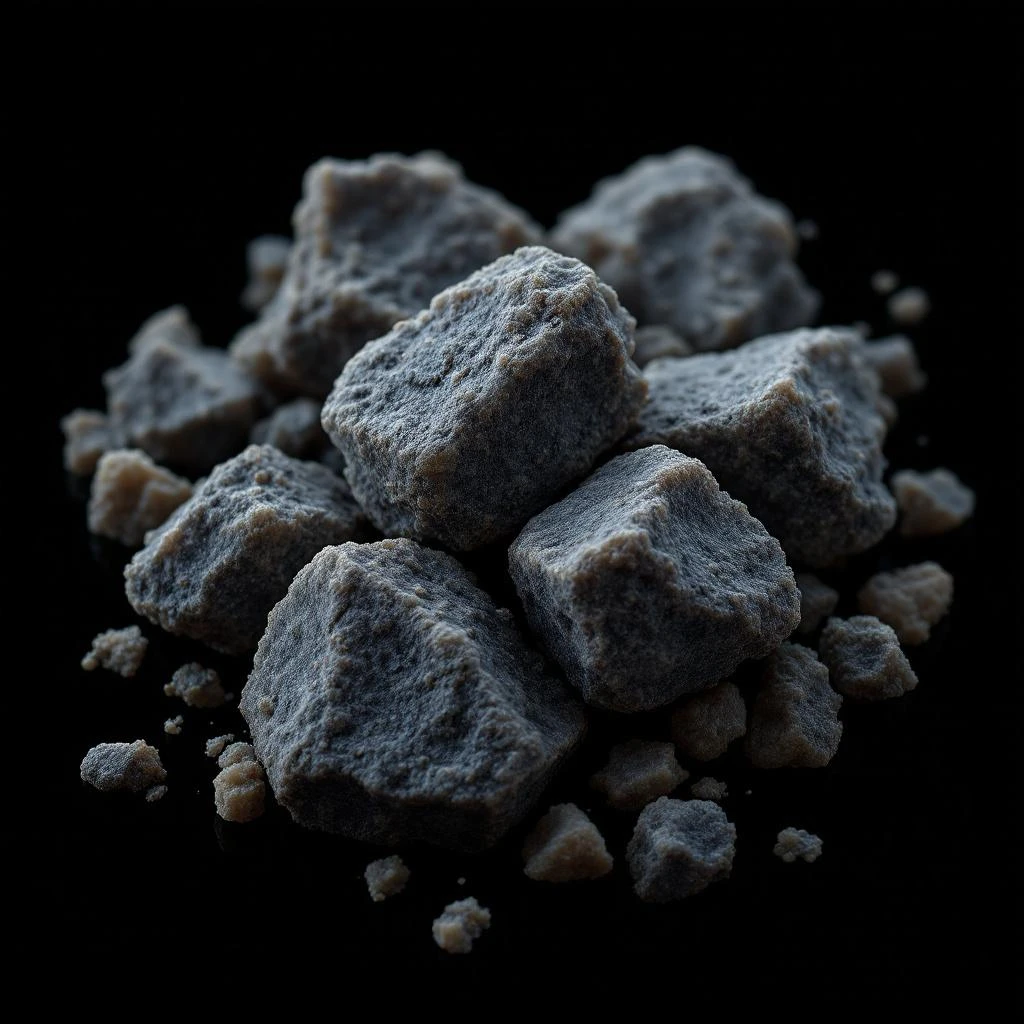
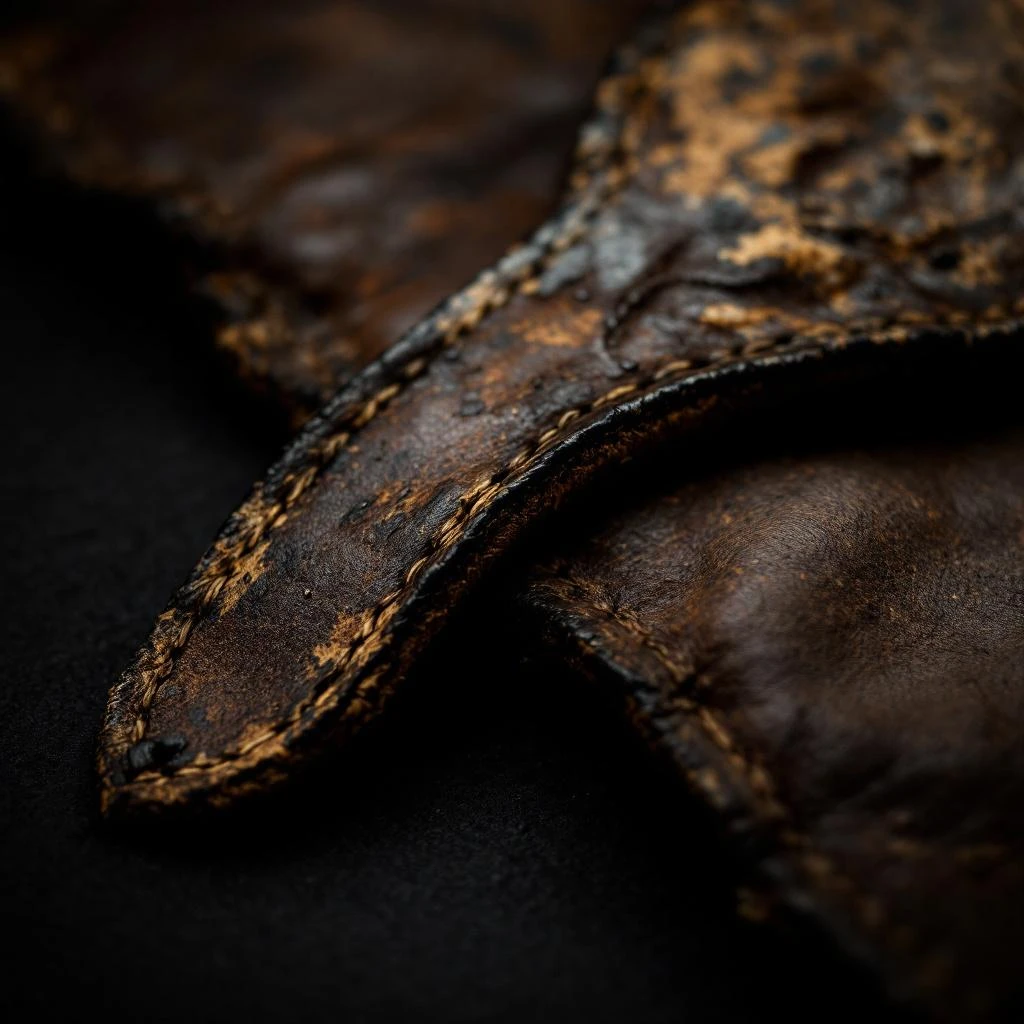
Horse skin
A distinctive animalic material derived from equine hide, prized in fine perfumery for its warm, musky leather character that bridges the gap between classical leather notes and natural musk.

Character
How it smells
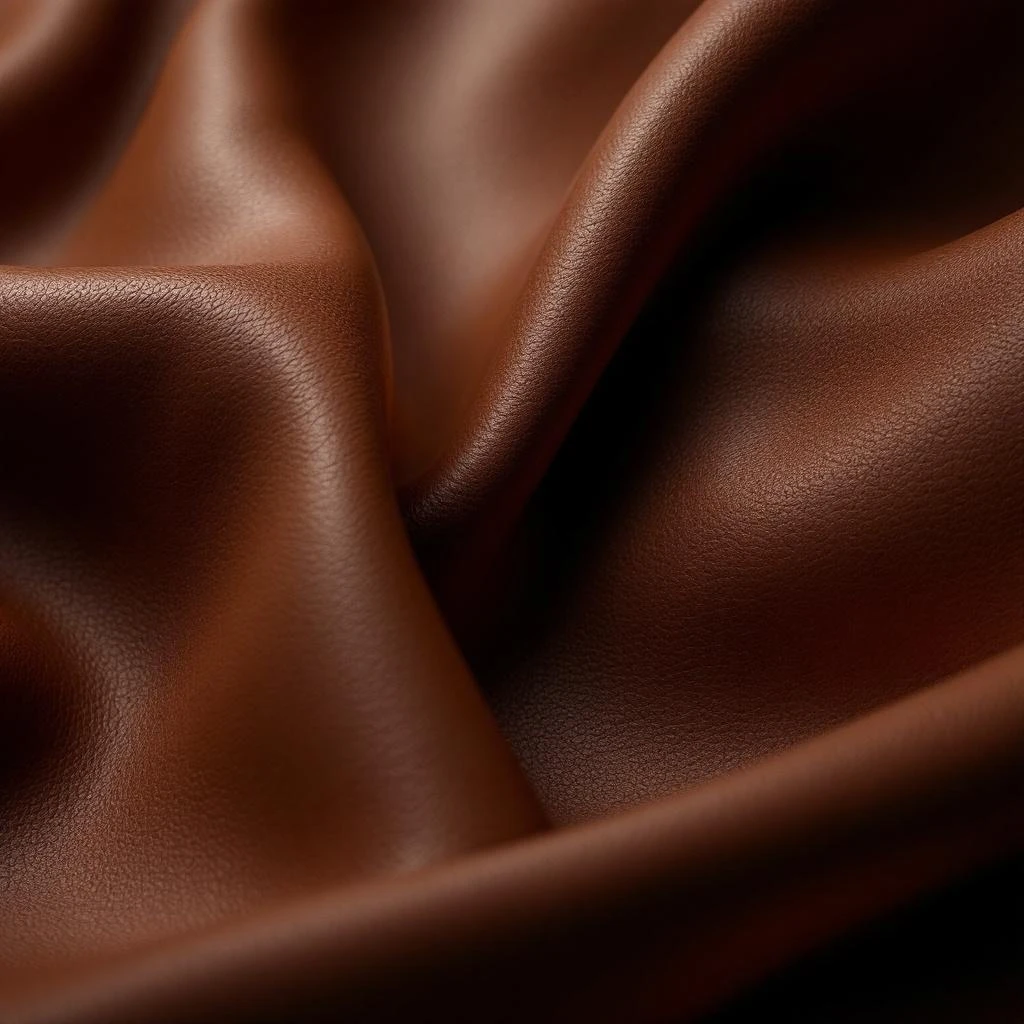
Warm equine leather with musky depth
The scent profile of horse skin contains the same musky compounds found in human skin, creating an unexpectedly intimate olfactory signature.





Origin
France
Equine leather has appeared in perfumery references for centuries, though less prominently than civet or musk deer secretions. Classical perfumers in the Mediterranean region during the 18th century occasionally incorporated horse-derived materials when more expensive animal notes were unavailable.
The material gained renewed attention during the 20th century as perfumers sought to expand their palette of natural animalic ingredients beyond traditional sources. While synthetic alternatives now dominate the market for leather and musky notes, horse skin remains a niche but valued material among natural perfumers who appreciate its complex, multifaceted aroma that synthetic compounds often struggle to replicate authentically.
Wears it best
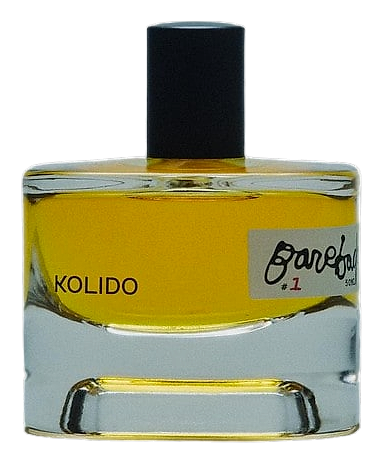
Fragrances featuring Horse skin
Brands
Brands known for Horse skin
Good to know
Questions, answered
The essentials on Horse skin in perfumery: how it smells, where it comes from, and how it behaves on skin.
What does horse skin smell like in perfume?
Horse skin delivers a warm, musky leather aroma with animalic undertones. It combines the characteristic scent of well-cured leather with a distinctive musky sweetness that sets it apart from synthetic leather accords.
Is horse skin used in modern perfumery?
Horse skin is considered a niche natural ingredient. Most commercial perfumes rely on synthetic alternatives, but natural perfumers continue to use it for its authentic, complex scent profile.
How is horse skin processed for perfumery?
Tanners prepare equine hide using traditional curing methods with minimal chemical treatment. Solvent extraction then produces a concrete or absolute suitable for fragrance formulation.
What perfumes feature horse skin as a note?
Horse skin appears most often in artisan and niche fragrances focused on natural materials. It pairs well with other animalic notes, leather accords, and warm base ingredients like amber and vanilla.
Is horse skin considered a sustainable fragrance ingredient?
Horse skin comes from the same leather industry that processes horses for other purposes. Natural perfumers typically source it as a byproduct, making it a relatively sustainable material choice.
What makes horse skin different from other leather notes?
Unlike cowhide leather, horse skin carries a more pronounced musky character with warmer, sweeter undertones. Its odor profile sits between traditional leather and natural musk.
Can horse skin be synthesized artificially?
Synthetics can approximate horse skin's leather character but often miss the nuanced musky quality. Natural horse skin remains valued precisely for its irreplaceable complexity.
How long has horse skin been used in perfumery?
Equine leather materials appeared in perfumery during the 18th century as an alternative to more expensive animal secretions, though it has never achieved mainstream popularity.