Honeyed tobacco
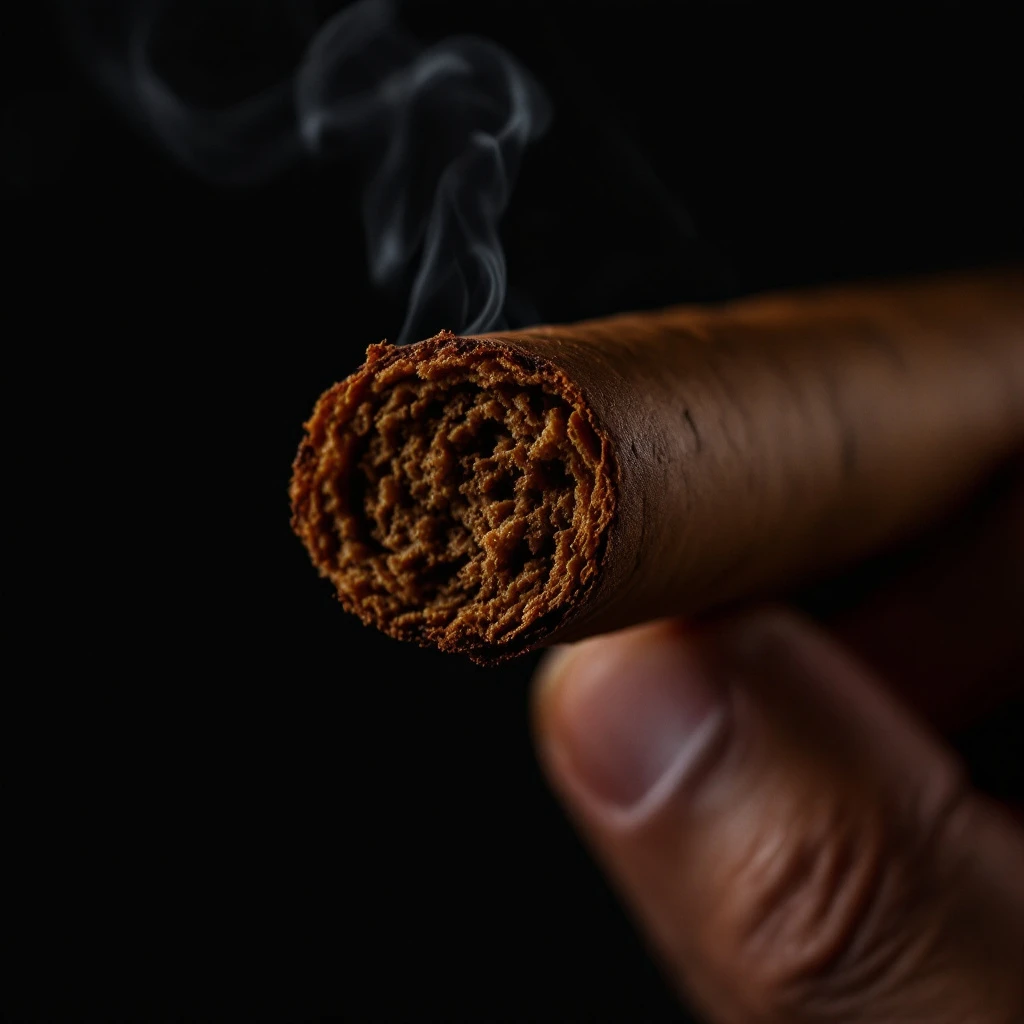
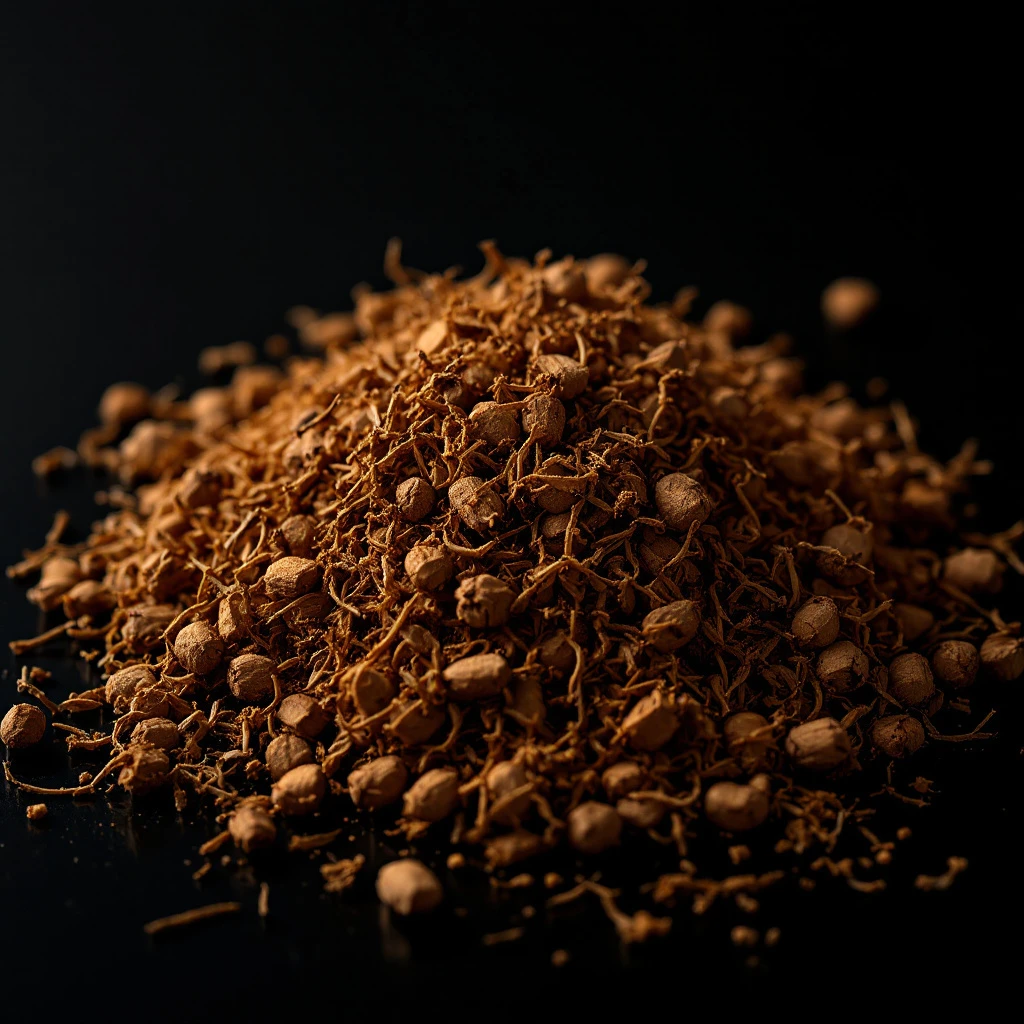
A warm, enveloping accord marrying the honeyed sweetness of sun-dried nectar with the deep, resinous richness of cured tobacco leaves. This indulgent note evokes autumn warmth and quiet sophistication.

Character
How it smells
Warmth and sweetness, cured in amber light.
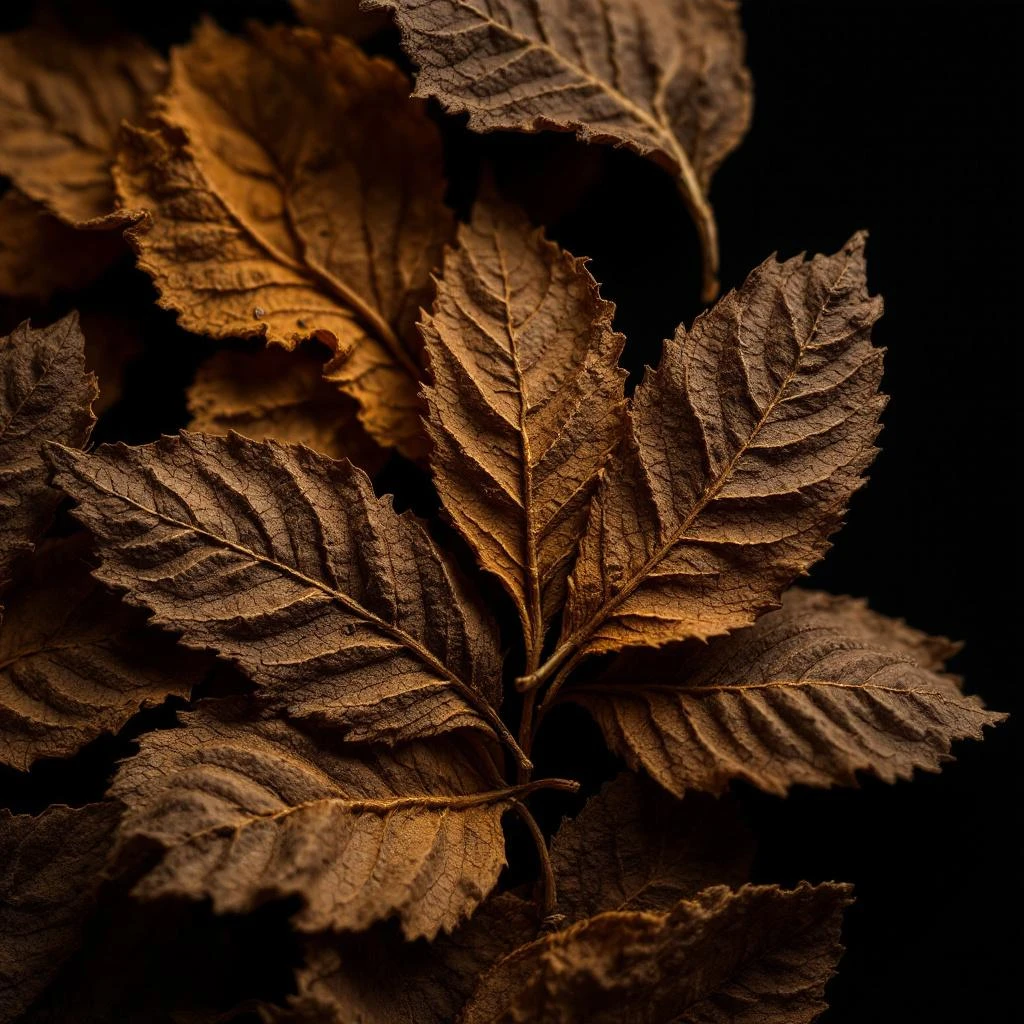
Tobacco leaves develop their honeyed aroma naturally during fermentation, when the leaf's own sugars break down into aromatic compounds.








Origin
Cuba
Tobacco, Nicotiana tabacum, traces its roots to the Americas, where indigenous cultures cultivated and used it for ceremonial and medicinal purposes for thousands of years. The plant takes its genus name from Jean Nicot, the French ambassador who introduced it to France in 1560 as a cure for various ailments. By the time tobacco reached European shores, its aromatic potential was already understood.
In perfumery, tobacco absolute emerged as a valued ingredient once extraction techniques advanced. The fermented, cured leaf offered warmth, depth, and a natural sweetness that no other ingredient quite replicated. When commercial synthesis became possible in the late 19th century, coumarin allowed perfumers to capture tobacco's hay-like, honeyed qualities without relying on expensive absolutes. Today, honeyed tobacco appears in countless masculine and gender-neutral fragrances, valued for its ability to add weight, warmth, and a quietly luxurious feel.
Wears it best
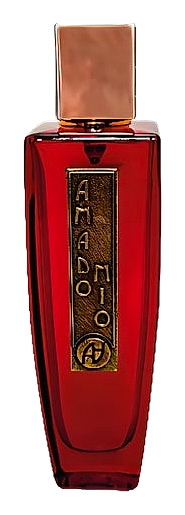
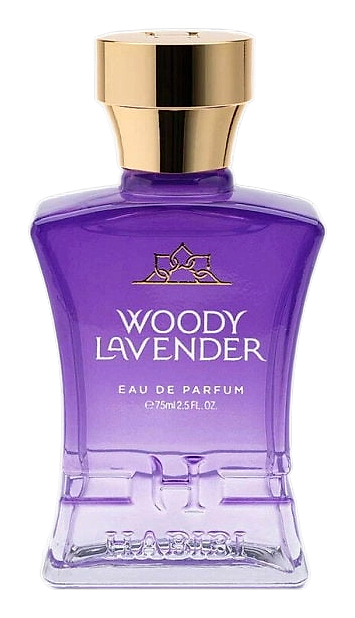
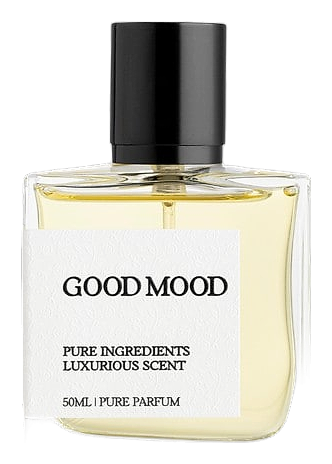
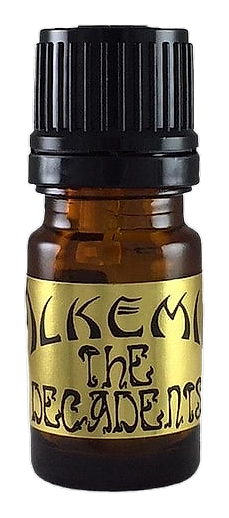
Fragrances featuring Honeyed tobacco


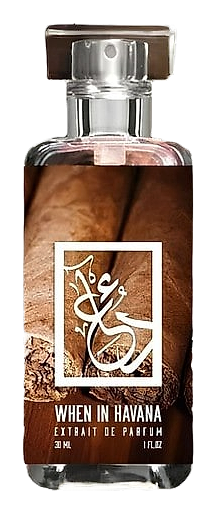
Brands
Brands known for Honeyed tobacco
Good to know
Questions, answered
The essentials on Honeyed tobacco in perfumery: how it smells, where it comes from, and how it behaves on skin.
Is honeyed tobacco a natural or synthetic ingredient?
Honeyed tobacco is typically a blend. Natural tobacco absolute comes from dried, fermented leaves extracted with solvents, producing a viscous, potent liquid. The honeyed quality may come from coumarin, honey extracts, or entirely synthetic tobacco bases. Most commercial honeyed tobacco accords combine natural and synthetic materials.
What does the honeyed note in tobacco actually mean?
The honeyed note refers to the warm, sweet, golden character that emerges during tobacco leaf fermentation. Natural tobacco absolute develops these qualities organically as sugars break down. Perfumers enhance or recreate them using coumarin or honey extracts, depending on the target effect and cost constraints.
Where does the tobacco used in perfumery originally come from?
Tobacco (Nicotiana tabacum) originated in the Americas, where indigenous cultures used it for ceremonial and medicinal purposes for centuries before spreading globally through trade. Modern production spans multiple regions, including Bulgaria, Cuba, and Virginia.
How is honeyed tobacco different from regular tobacco absolute?
Honeyed tobacco is a specific interpretation emphasizing the warm, sweet facets of the leaf rather than its green or smoky qualities. Tobacco absolute captures the full aromatic range of cured leaves. The honeyed variant isolates only the golden, slightly resinous sweetness that develops during fermentation.
Which countries produce the best tobacco for perfumery?
Bulgarian tobacco absolute is a standard in perfumery, known for its thick consistency and potent, rich scent profile. Cuban and Virginia tobaccos also carry distinct characteristics valued by perfumers. The choice depends on the specific honeyed tobacco character the perfumer wants to achieve.
Why does fermented tobacco smell naturally sweet?
During fermentation, tobacco leaves undergo chemical changes where natural sugars break down, creating compounds that smell honeyed and warm. This biological process gives natural tobacco its sweet character without any added honey. Synthetic tobacco bases must artificially recreate this chemistry, which is why natural tobacco is preferred for authentic honeyed notes.
How long does honeyed tobacco last on skin?
Honeyed tobacco functions as a base note, contributing depth, warmth, and a sweet backbone that helps a fragrance evolve over time. Its sticky, resinous quality acts like a fixative, holding lighter top and heart notes in place while adding richness and longevity.
What notes pair well with honeyed tobacco in fragrance compositions?
Honeyed tobacco pairs naturally with vanilla, amber, and spices like cinnamon and clove. It also complements lighter notes such as bergamot and lavender, creating contrast. Perfumers typically use honeyed tobacco at low concentrations (1-5%) to build complexity rather than dominate a blend.