Himalayan Cedar Wood
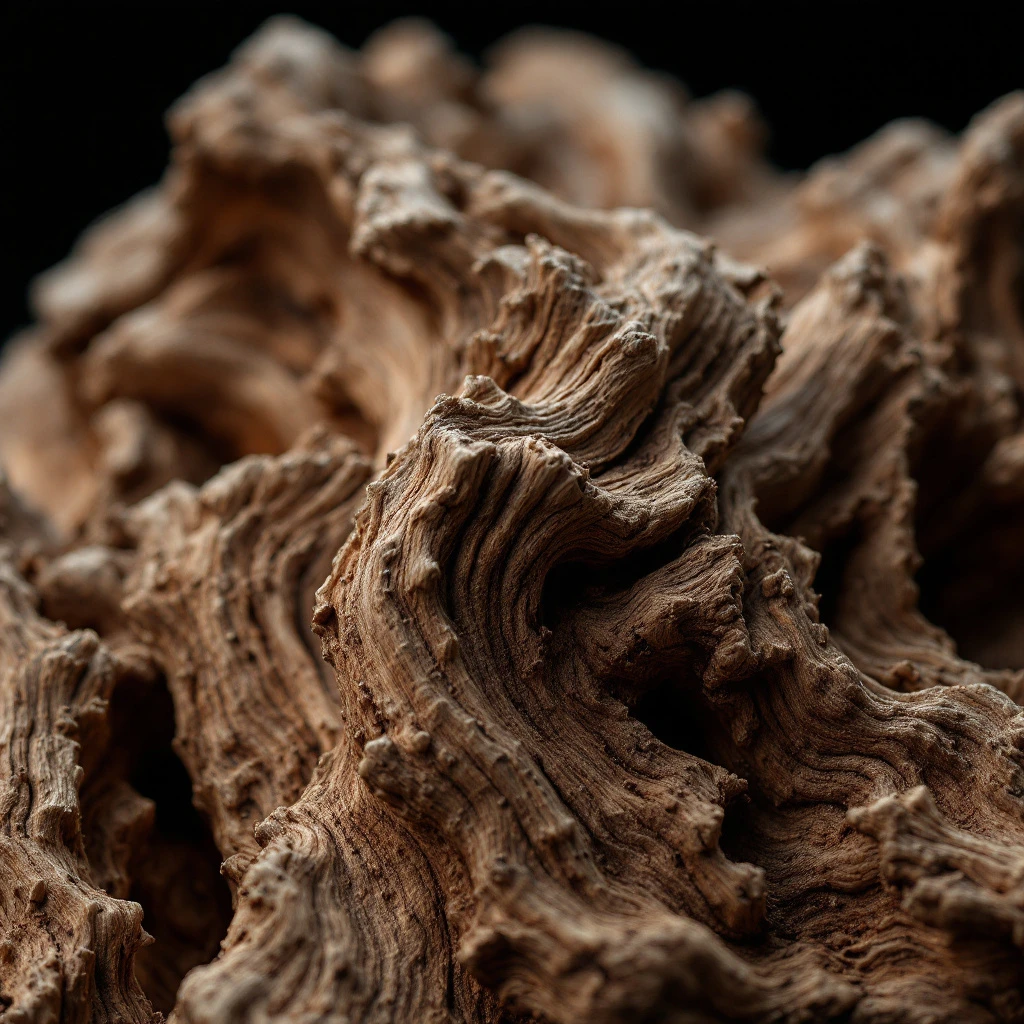
Himalayan Cedarwood delivers a soft, creamy woodiness with subtle sweetness, setting it apart from sharper cedar varieties. Its smooth, almost milky warmth makes it a quiet anchor in refined compositions.
Character
How it smells
Sacred wood, softened by the high mountains
The Himalayan cedar is revered as a sacred tree in Tibetan culture, where its wood has been burned as incense in monasteries for centuries.
Pairs beautifully with



Origin
India
The Himalayan cedar, known locally as deodar from the Sanskrit deva-daru meaning "wood of the gods," holds a place in Indian scripture and Himalayan mythology reaching back over two thousand years. Buddhist monasteries across Tibet burn its wood as ritual incense, a practice recorded in texts from the 8th century onward.
In Ayurvedic medicine, the oil treated respiratory complaints, joint pain, and skin conditions. The timber itself shaped civilization: ancient bridges, temples, and palace pillars in Kashmir and northern India relied on its famous rot resistance.
The species entered European botanical awareness in the early 19th century. Its slow growth at altitude, sometimes several centuries to reach maturity, gave Himalayan cedar an aura of permanence that perfumers later translated into scent.
Wears it best
Fragrances featuring Himalayan Cedar Wood

Brands
Brands known for Himalayan Cedar Wood
Good to know
Questions, answered
The essentials on Himalayan Cedar Wood in perfumery: how it smells, where it comes from, and how it behaves on skin.
What does Himalayan Cedarwood smell like?
Himalayan Cedarwood carries a soft, creamy woodiness with gentle sweetness and almost no sharp camphor. Its smoother profile comes from high concentrations of himachalene compounds, setting it apart from the drier, more pencil-like Virginia variety.
How is Himalayan Cedarwood oil produced?
Producers source roots and stumps from wild-harvested Cedrus deodara trees in the western Himalayas. The dense heartwood undergoes steam distillation, yielding roughly 2 to 3 percent oil by weight after a slow extraction process.
Is Himalayan Cedarwood different from other cedarwood oils?
Yes. It contains α-himachalene and β-himachalene rather than the cedrol dominant in Virginia cedarwood. This gives Himalayan oil its creamier, less dry character and distinguishes it from Atlas cedar's sharper, more resinous profile.
Why is it called the "wood of the gods"?
The name comes from the Sanskrit deva-daru, meaning timber of the divine. Ancient Himalayan and Tibetan traditions treated deodar as sacred, burning it in temples and monasteries for ritual incense.
Where does Himalayan Cedarwood grow?
Cedrus deodara thrives across the western Himalayas at elevations between 1,500 and 3,200 meters. Major harvest regions include Himachal Pradesh, Kashmir, and northern Nepal.
Is Himalayan Cedarwood sustainable?
Sustainability varies. Wild populations regenerate slowly because mature trees can take centuries to develop. Ethical suppliers now source roots and stumps from already-felled trees, avoiding pressure on living stands.
What fragrances commonly use Himalayan Cedarwood?
It appears most often in woody orientals, temple-style incense compositions, and men's sandalwood-alternative structures. Perfumers value it as a smooth base note that anchors spices, resins, and florals without sharpening them.
Can Himalayan Cedarwood replace sandalwood in a perfume?
Partially. Its creamy softness mimics the texture sandalwood provides, though it lacks the same lactonic, milky depth. Many modern compositions blend the two to achieve volume while reducing dependence on scarce Mysore sandalwood.




