Hazelnut Butter
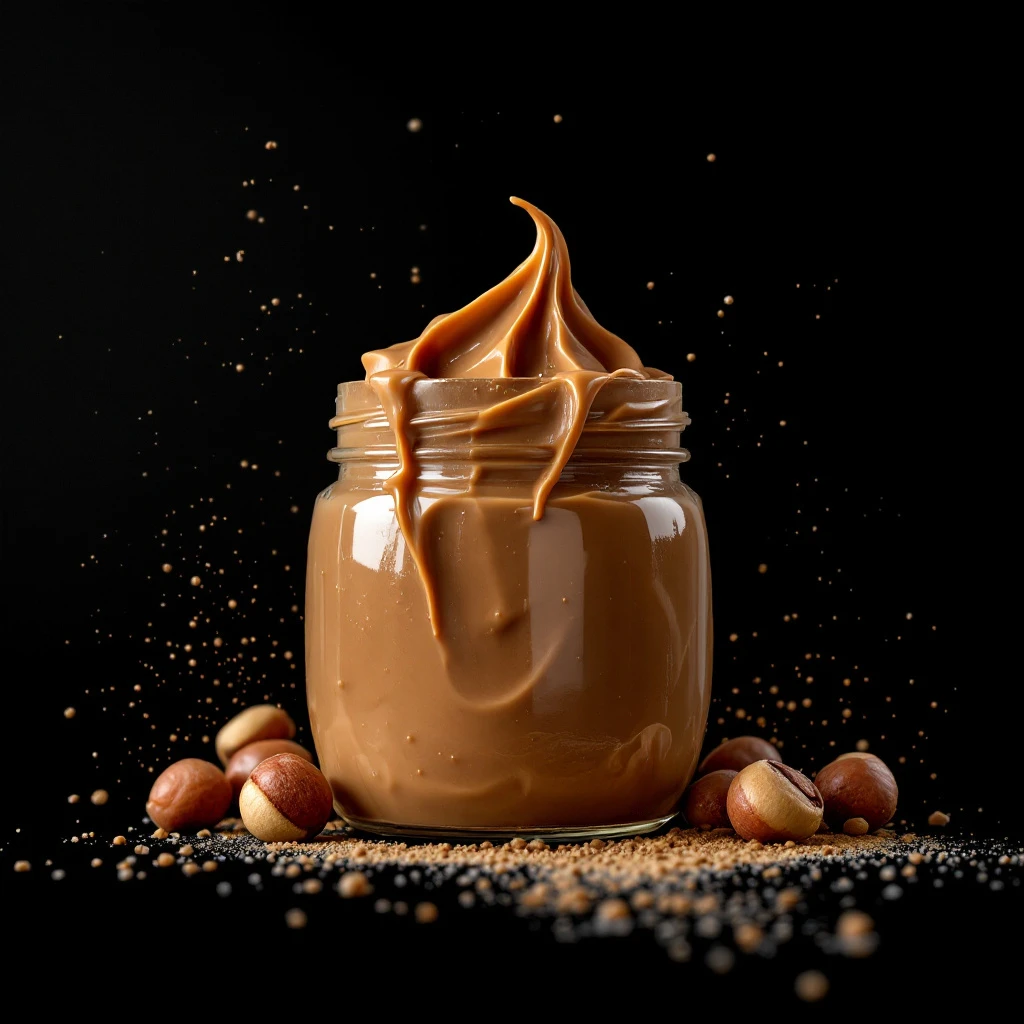
A warm, edible note that brings rich, roasted depth to fragrance. Hazelnut butter captures the confectionery sweetness of praline and the creamy comfort of nut pastes, lending gourmand warmth to oriental and chypre compositions.
Character
How it smells
Rich, roasted, and indulgently nutty.
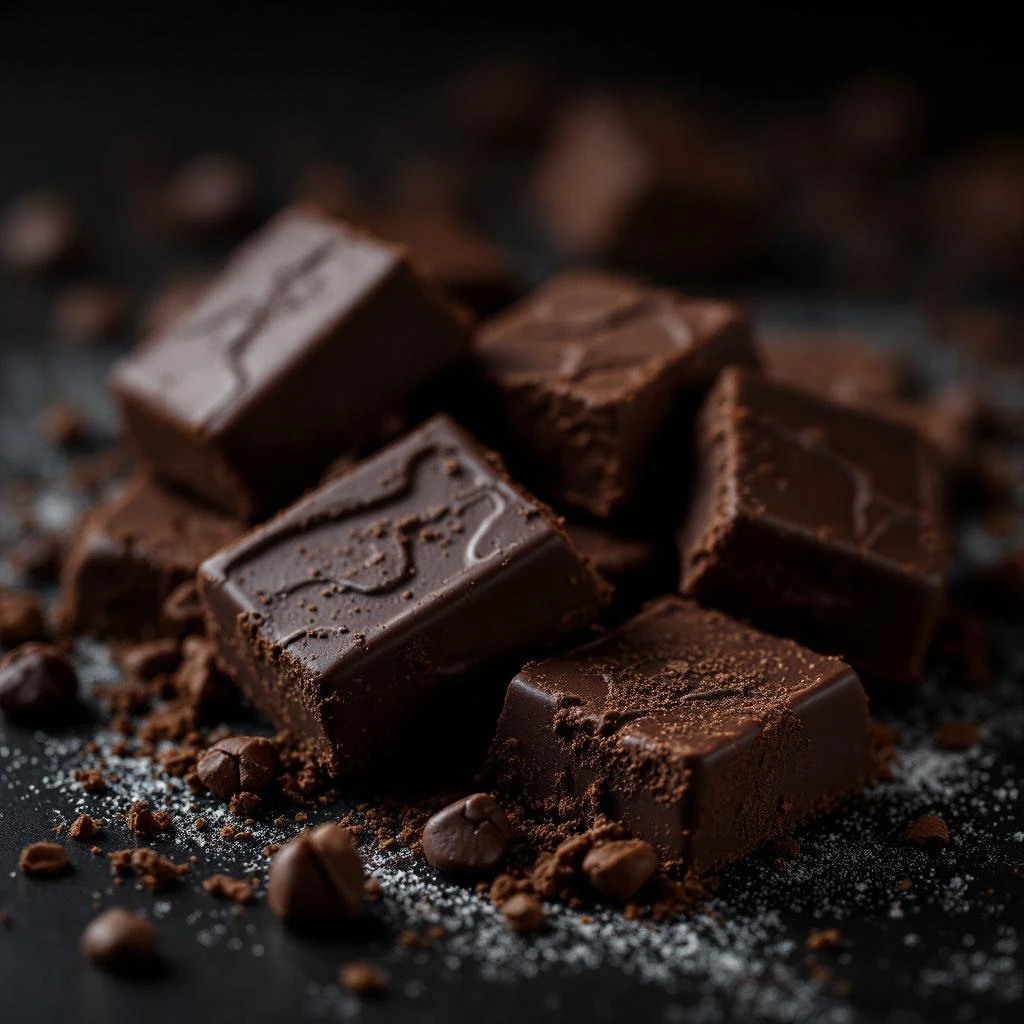
The same pyrazine compounds that give hazelnut its characteristic roasted aroma also appear in coffee and chocolate, creating natural bridges between these popular scent families.


Origin
Turkey
Hazelnuts rank among humanity's oldest cultivated nuts, with archaeological evidence suggesting their use dating back over 9,000 years in regions spanning from Europe to Western Asia. Ancient Greek and Roman cultures valued hazelnuts for both culinary and medicinal applications, though their use in perfumery emerged much later. The hazelnut note gained prominence in Western perfumery during the late 20th century as gourmand fragrances rose in popularity, particularly following the success of orientals featuring edible, sweet, and nutty accords.
Contemporary niche perfumery has further explored hazelnut's potential, pairing it with contrasting notes like incense, leather, and marine accords to create innovative compositions. Today, hazelnut butter remains a signature material for perfumers seeking to evoke warmth, comfort, and indulgence.
Wears it best
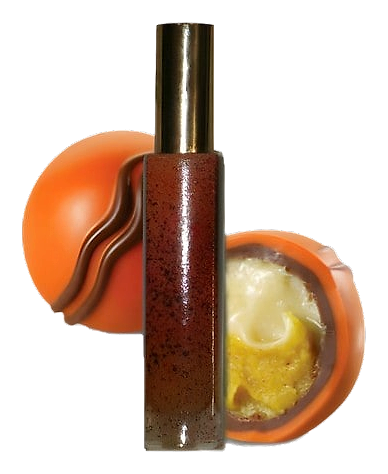
Fragrances featuring Hazelnut Butter
Brands
Brands known for Hazelnut Butter
Good to know
Questions, answered
The essentials on Hazelnut Butter in perfumery: how it smells, where it comes from, and how it behaves on skin.
Is hazelnut butter a natural or synthetic ingredient in perfumery?
Both exist. Natural hazelnut butter is produced through solvent extraction of roasted hazelnuts, while nature-identical aroma chemicals recreate the scent profile synthetically. Most commercial perfumery materials combine both approaches for consistency and potency.
What does hazelnut butter smell like?
It smells like roasted, slightly sweet hazelnuts with creamy, edible undertones. The roasting process develops characteristic pyrazine and furan compounds that give it a distinctly warm, confectionery quality.
Which fragrance families commonly use hazelnut butter?
Oriental, gourmand, and chypre fragrances most frequently feature hazelnut. It appears in both men's and women's perfumes, typically as a heart or base note where it adds warmth and depth to the composition.
Does hazelnut butter cause allergic reactions in perfumes?
Hazelnut allergens are recognized in cosmetics regulation. Perfumers must list specific hazelnut-derived compounds when present above threshold concentrations. However, the concentrated aromatic material differs from food-grade hazelnut allergens.
How does hazelnut compare to similar nut notes like almond or pistachio?
Hazelnut is darker and more roasted than almond's sweet, marzipan-like quality. Compared to pistachio's green, creamy character, hazelnut offers deeper, more caramelized warmth with greater persistence in the drydown.
What pairs well with hazelnut butter in fragrance composition?
Vanilla, tonka bean, and benzoin enhance its gourmand character. Coffee and chocolate create rich, bitter contrasts. Sandalwood and amber add warmth while maintaining elegance. Oud and leather provide unexpected sophistication.
Where do the best hazelnuts for perfumery originate?
Turkey produces approximately 75% of the world's hazelnuts, with the Giresun region along the Black Sea coast considered premium. Italian Piedmont hazelnuts are prized in culinary use and can also serve perfumery applications.
How is hazelnut butter used by perfumers?
Perfumers add hazelnut butter at low concentrations, typically below 5% of the formula. It serves as a modifier and blender for oriental bases, adds warmth to gourmand compositions, and provides an edible quality that makes fragrances feel comforting and accessible.