Hainan Sandelwood
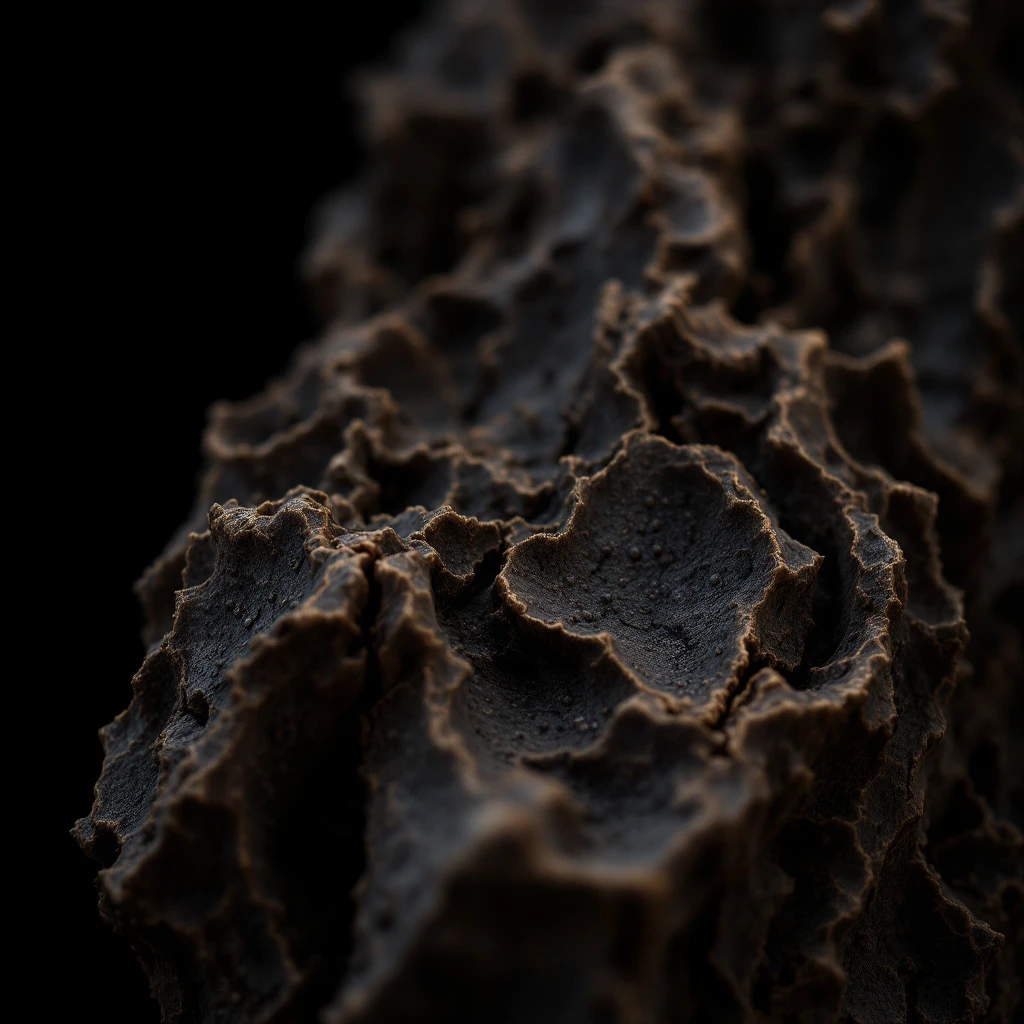
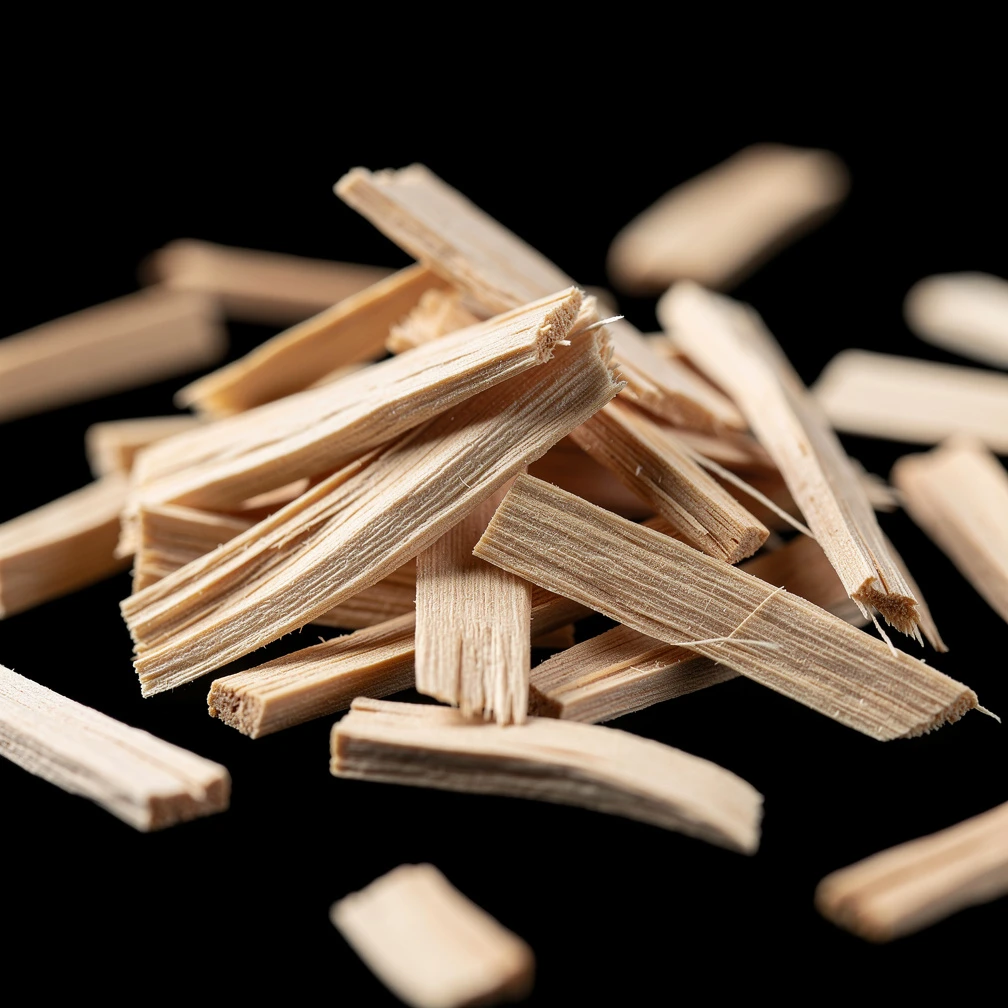
Hainan sandalwood reveals a polished, creamy heart with warm heartwood, soft milkiness, and a restrained sweetness.
Character
How it smells
Creamy Hainan heartwood with a quiet, lasting warmth.
Sandalwood needs at least 10 to 15 years to form aromatic heartwood, with essential oil yielding only 2–6% of the wood’s weight.
Origin
China
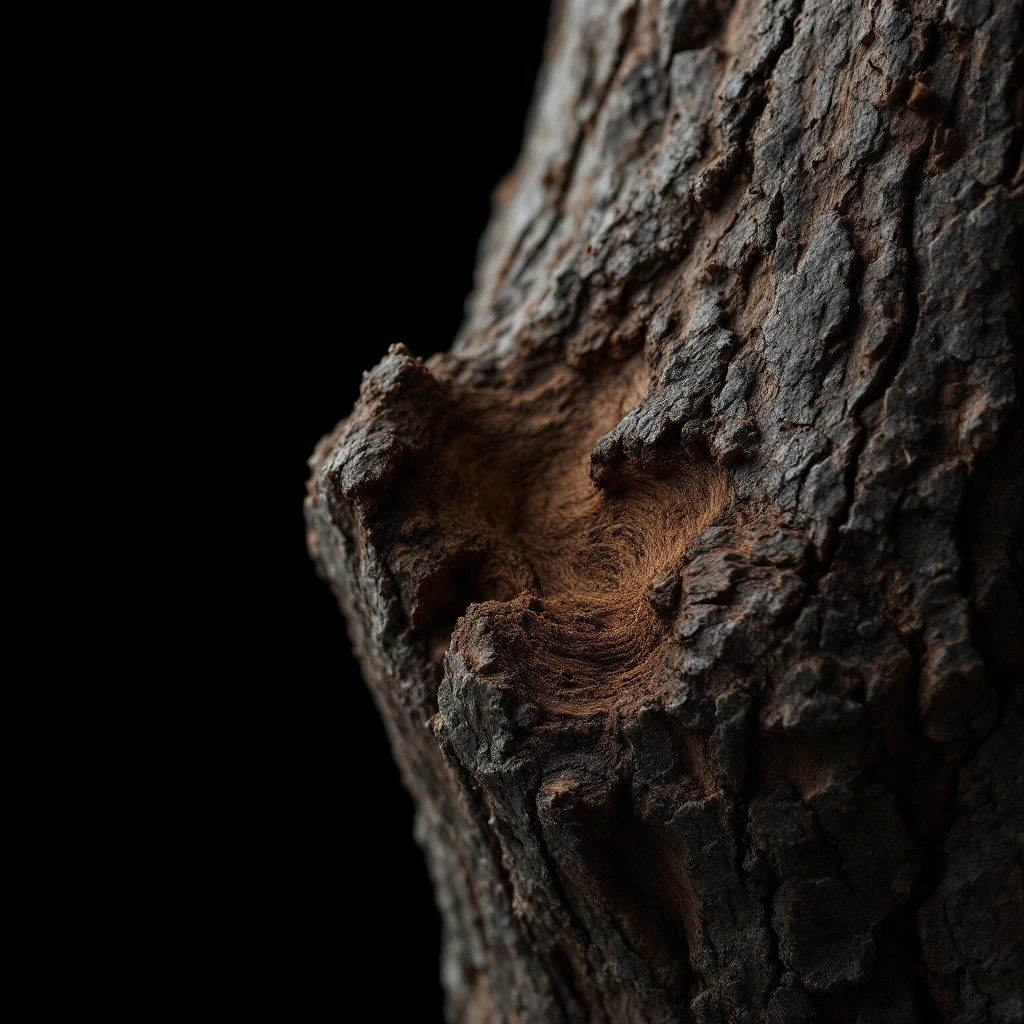
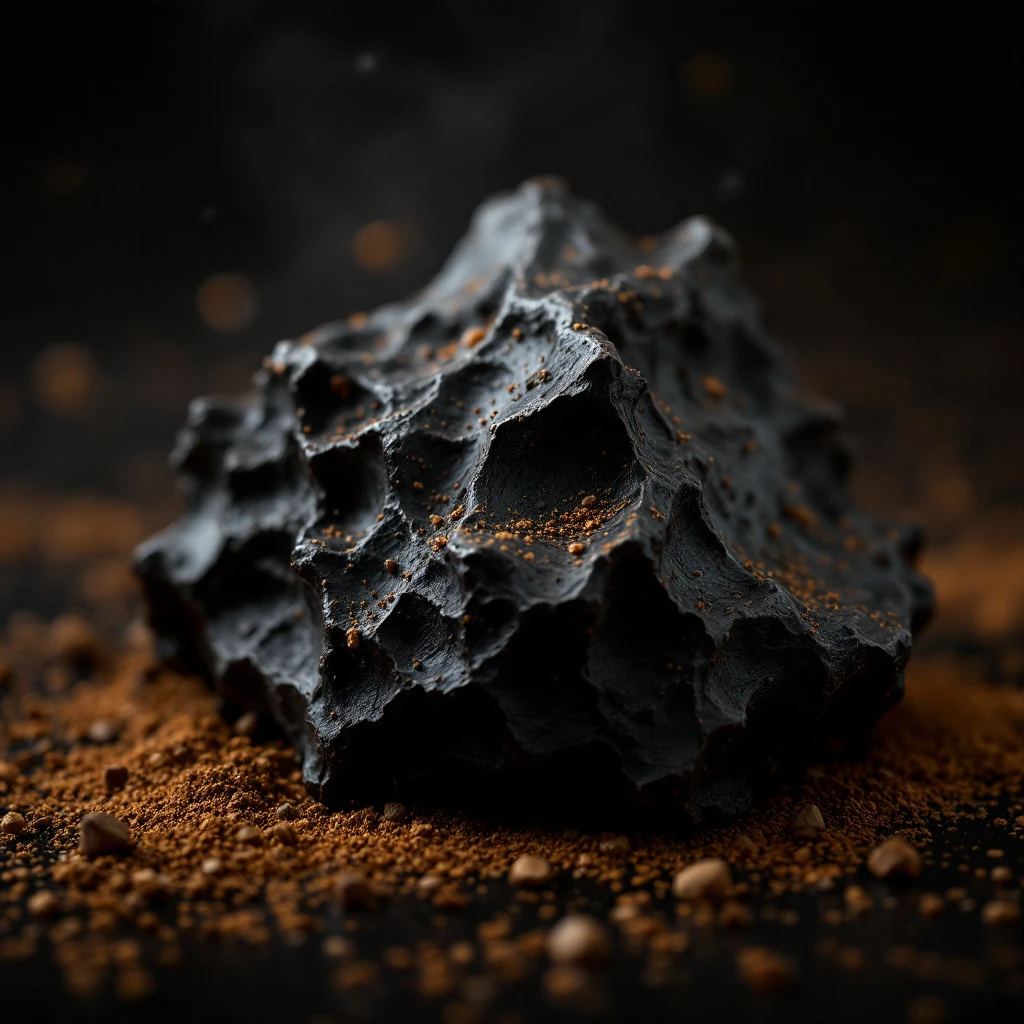
Sandalwood has served as a valued ritual material for centuries, appearing in incense traditions across South and Southeast Asia before reaching Middle Eastern markets through established trade routes. It became especially important in Chinese fragrance culture, where heartwood was burned for its cool, mellow aroma and combined with materials such as agarwood. Historical accounts of Hainan describe sandalwood and agarwood melted with snow to shape incense sticks, creating a scent that suggested the coming of spring.
The material’s deeper cultural role also appears in poetry and philosophical writing, including Su Zhe’s description of burning cypress for guests in Zhongshan. Today, Hainan is associated with sandalwood cultivation and sustainable planting, while Indian Mysore sandalwood remains the best-known historical benchmark for natural perfume oil.
Wears it best
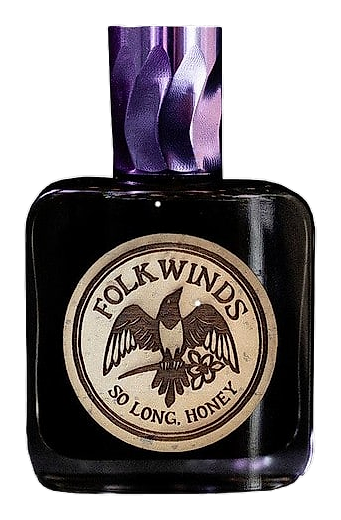
Fragrances featuring Hainan Sandelwood
Brands
Brands known for Hainan Sandelwood
Good to know
Questions, answered
The essentials on Hainan Sandelwood in perfumery: how it smells, where it comes from, and how it behaves on skin.
What does Hainan sandelwood smell like?
Hainan sandelwood smells creamy, polished, and warmly woody, with soft milkiness and a restrained sweetness. Its aroma is smoother and less sharply powdery than many other sandalwood expressions.
Where does Hainan sandelwood come from?
Hainan sandelwood comes from Santalum album trees cultivated on Hainan Island in southern China. The oil is extracted from the aromatic heartwood, which develops slowly as the tree matures.
What compounds give sandelwood its scent?
The main aroma compounds are α-santalol and β-santalol, which together commonly represent about 65–90% of the essential oil. They create the characteristic creamy, woody, and persistent character.
How long does sandalwood need to mature?
Aromatic heartwood begins forming after roughly 10 to 15 years, while premium harvesting may involve trees aged 30 years or more. Mature heartwood contains much more oil than the nearly odorless outer sapwood.
How is natural sandelwood oil produced?
Natural sandelwood oil is produced by steam distillation from dried, chipped heartwood. The wood yields only about 2–6% essential oil by weight, which contributes to the material’s scarcity.
Is Hainan sandelwood the same as Mysore sandalwood?
Both belong to Santalum album, but their origin and production differ. Hainan material comes from Chinese cultivation, while Mysore sandalwood is associated with India and is historically prized for its balanced, creamy profile.
Is synthetic sandalwood the same as natural sandelwood oil?
Synthetic sandalwood materials reproduce selected aspects of the natural scent and can support large-scale formulations. They do not contain the complete natural essential-oil profile, which includes many trace constituents beyond santalol.
Why is sandalwood used as a base note?
Sandalwood has low volatility, so it remains close to the skin and helps other materials linger. This persistent, soft woody character gives a fragrance depth, cohesion, and a smooth final trail.