Habanero
Habanero absolute is a specialty perfumery material extracted from Capsicum chinense peppers via solvent extraction. It delivers a fruity, green, slightly fatty aroma with tropical and floral undertones, distinct from the peppery sharpness of related species. Used at trace percentages, it adds primal heat and energy to compositions, functioning as a bridging element between fruit and spice.
Character
How it smells
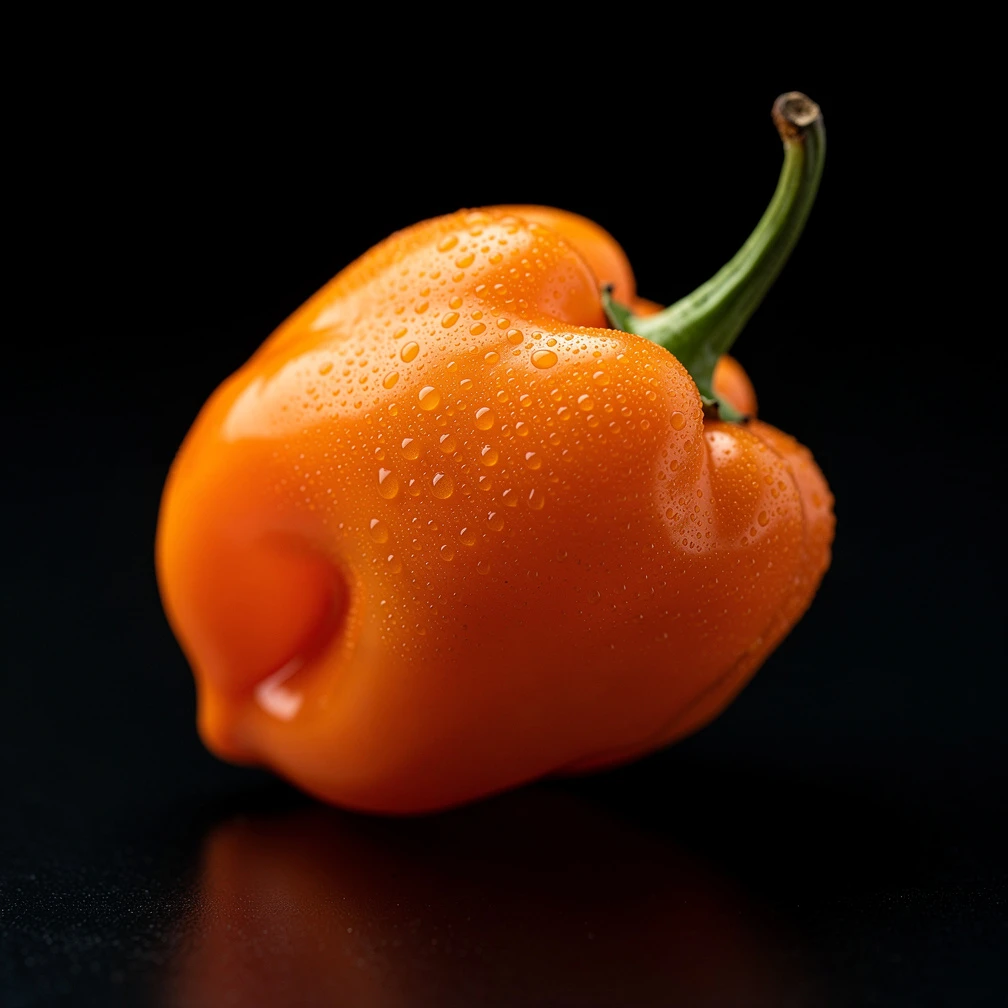
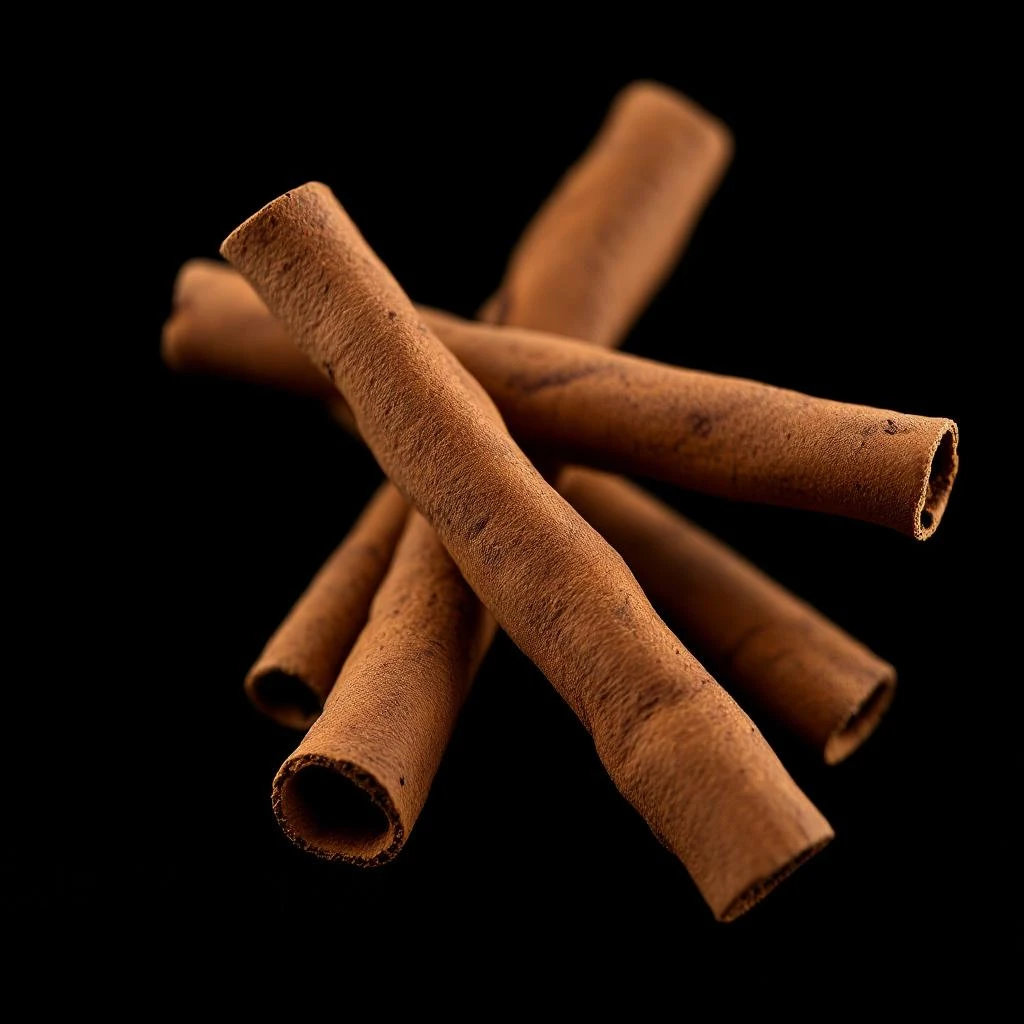
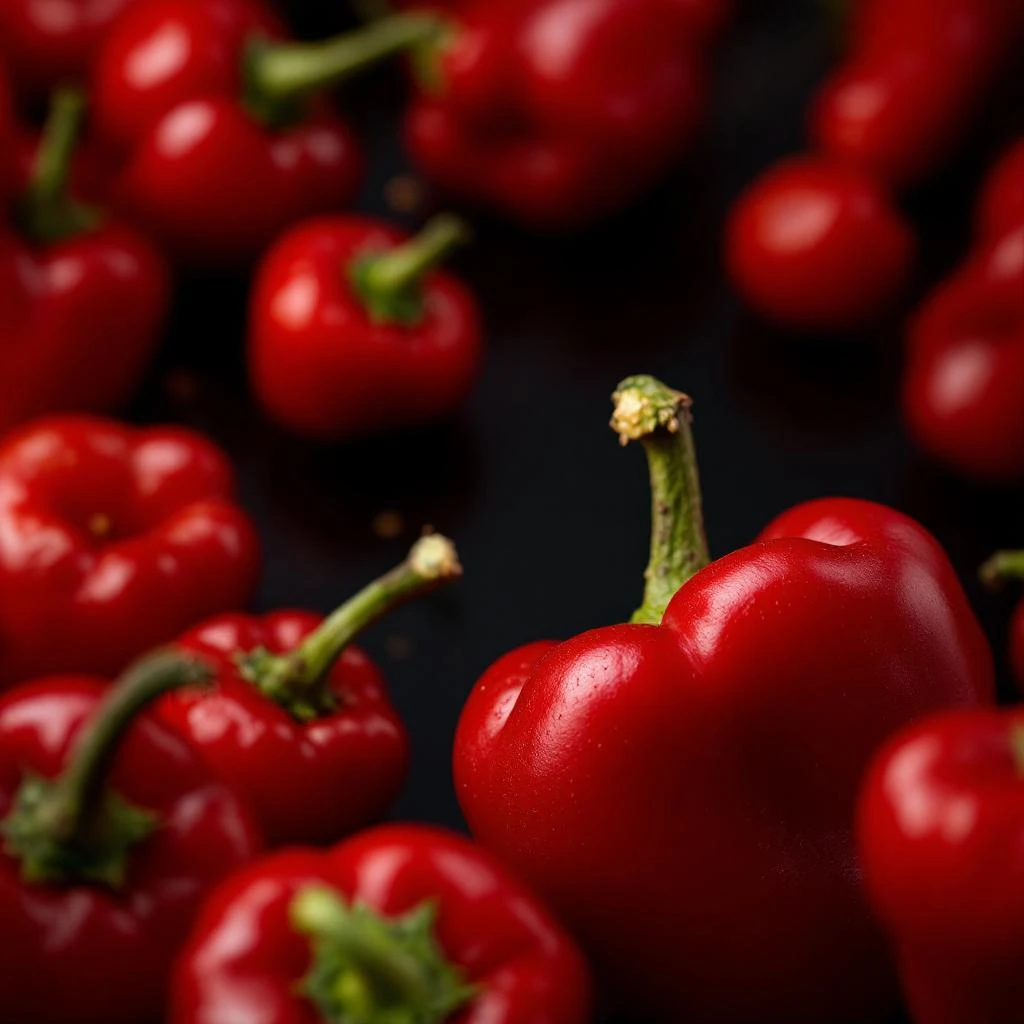
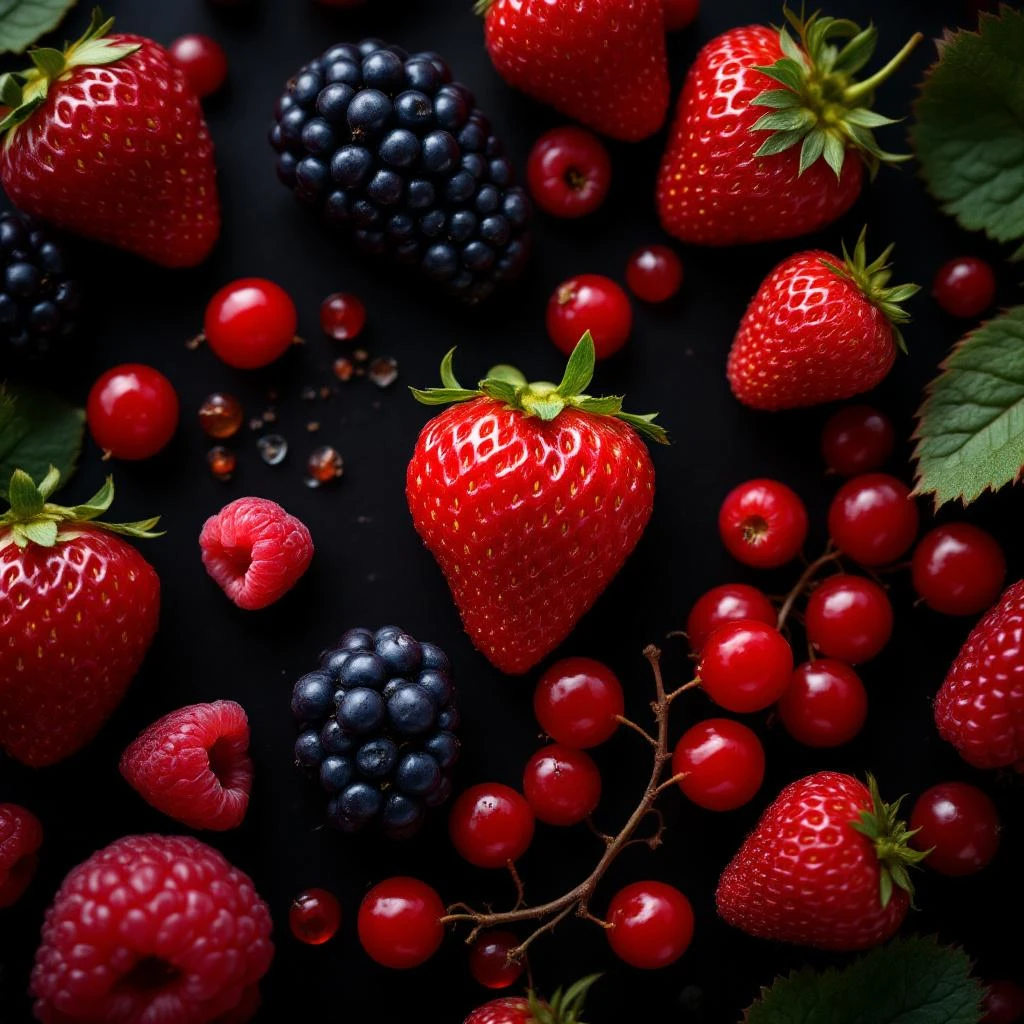
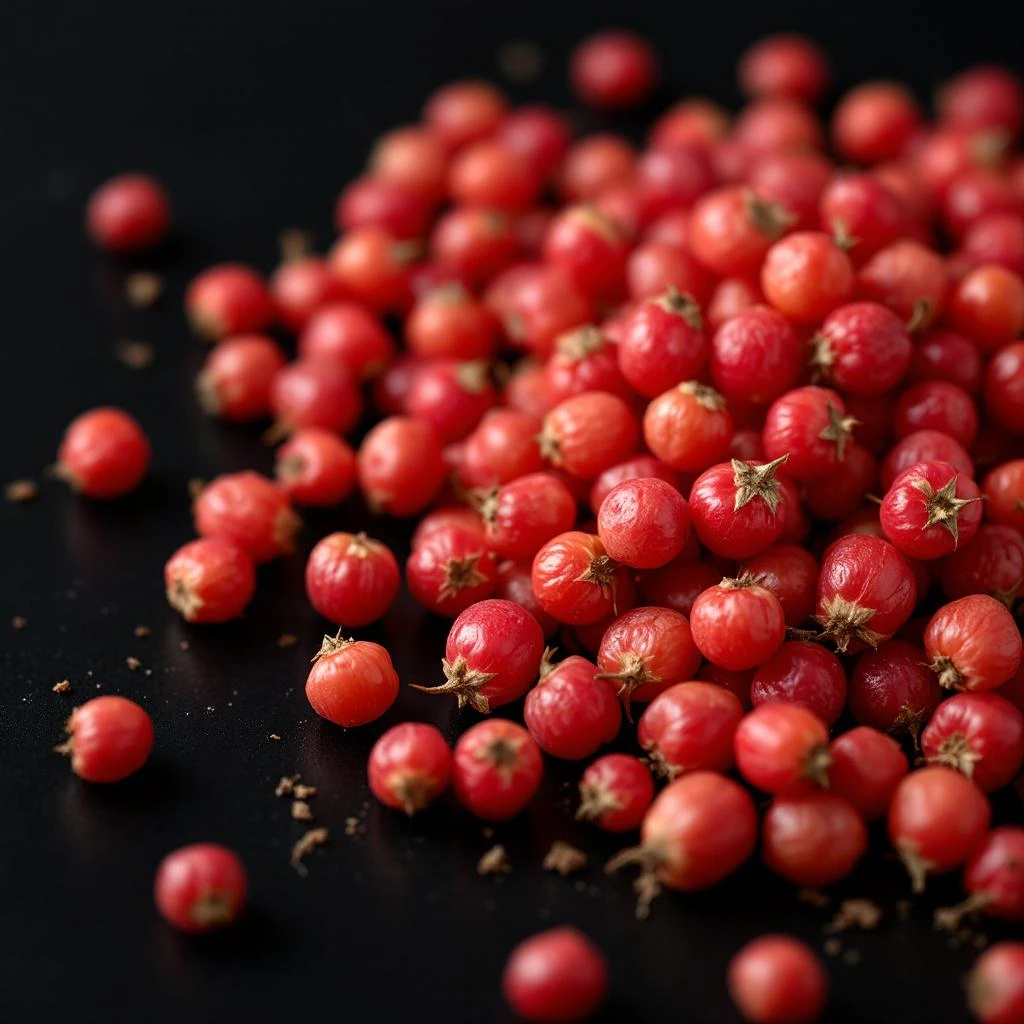
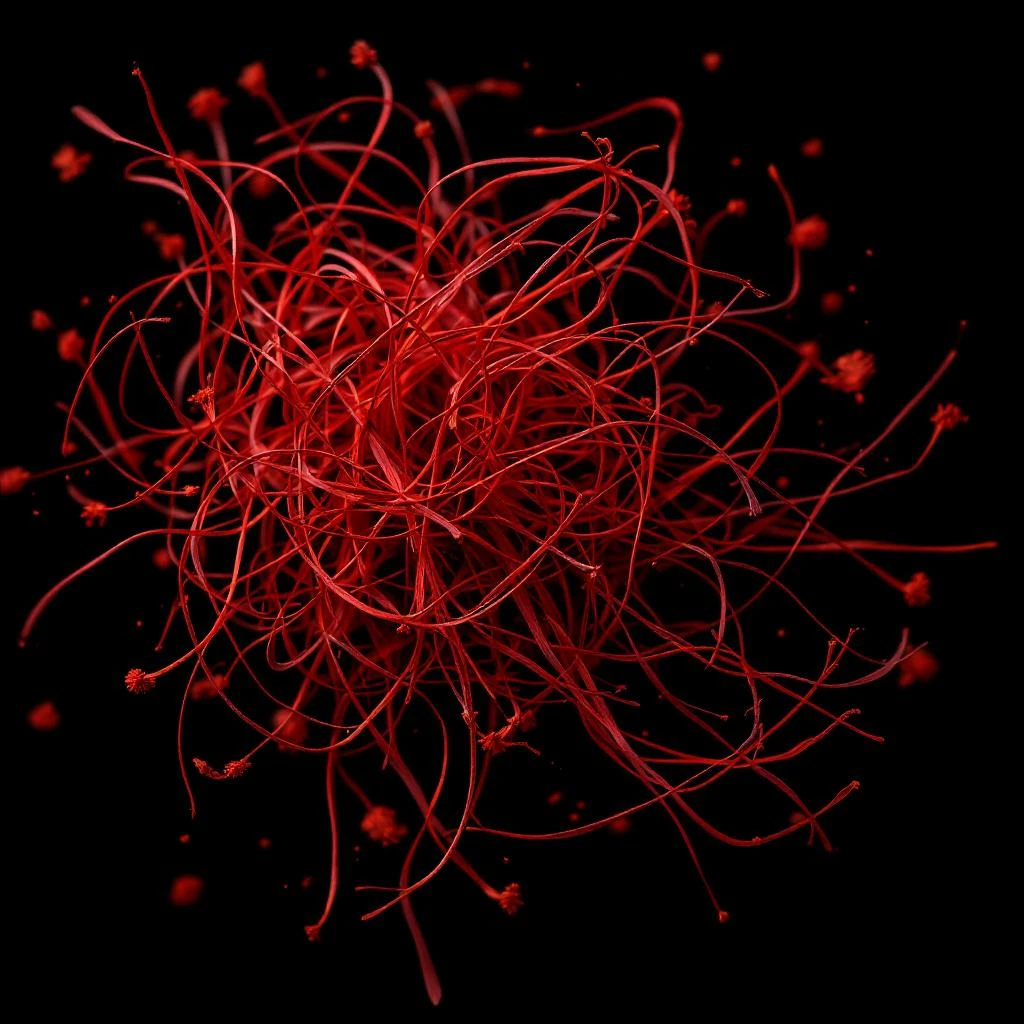
Fierce brightness: habanero brings primal, searing warmth to fragrance.
The habanero rates up to 350,000 Scoville Heat Units, making it roughly 125 times hotter than a bell pepper and powerful enough to require careful handling during extraction.

Origin
Mexico
The habanero pepper, scientifically classified as Capsicum chinense, traces its earliest cultivation to the Amazon basin before spreading across the Caribbean and becoming a cornerstone of Mexican and Central American cuisine. The name likely originated in Cuba and traveled with traders and settlers to the Yucatán Peninsula, where Mexican habaneros developed distinct characteristics from their Caribbean counterparts.
By the time Europeans arrived in the Americas, indigenous peoples had cultivated chiles for thousands of years, integrating them into food, medicine, and ritual. The Scoville scale, developed by pharmacist Wilbur Scoville in 1912, provided the first systematic measurement of capsaicinoid heat, allowing quantification of habanero intensity relative to other peppers.
Experimental perfumers began exploring capsicum-derived materials in the late twentieth century as part of a broader movement toward unusual natural aromatics. The intersection of culinary heat and olfactory sensation represents a deliberate creative choice, drawing on sensory memory and flavor association to extend fragrance territory into unexpected domains.
Wears it best
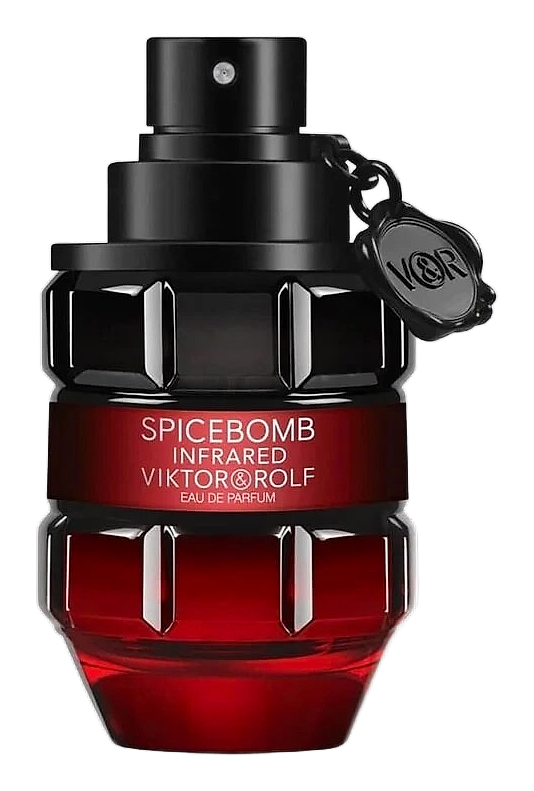
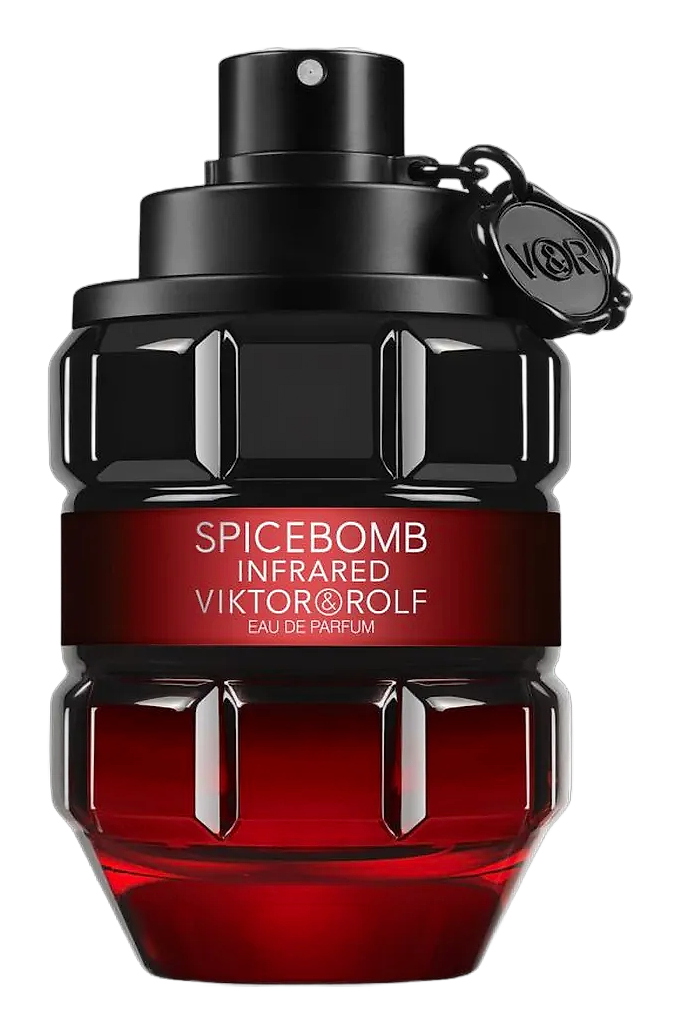
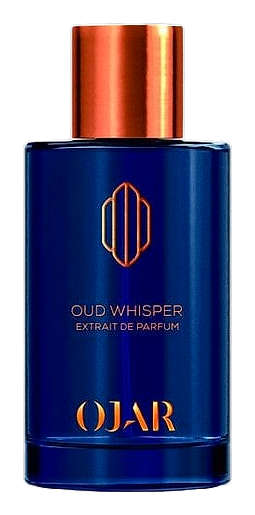
Fragrances featuring Habanero
Brands
Brands known for Habanero
Good to know
Questions, answered
The essentials on Habanero in perfumery: how it smells, where it comes from, and how it behaves on skin.
What does Habanero smell like in perfume?
Habanero absolute contributes a green, waxy, and subtly fruity aroma with tropical and floral undertones. Pure capsaicin is largely odorless, but the volatile aromatic compounds in the pepper deliver its distinctive fresh, slightly fatty scent profile.
Why is Habanero used in perfumery?
Perfumers use habanero to inject primal energy and heat into compositions, serving as a sensory bridge between fruit and spice. At trace dilutions (under 0.5%), it adds complexity and a visceral lift that no other natural material quite replicates.
Is Habanero in perfume natural or synthetic?
Habanero absolute is a naturally derived perfumery material, extracted from Capsicum chinense peppers using solvent extraction. This distinguishes it from fully synthetic aroma chemicals, though the material can be blended with or compared to lab-created capsaicin analogues.
What famous perfumes contain Habanero?
Habanero features primarily in niche and artisanal fragrances that list full ingredient disclosures. Mainstream designer perfumes rarely list specific capsicum materials by name on their packaging, making habanero absolute more common in transparent indie and experimental perfumery.
Is Habanero a top note, heart note, or base note?
Habanero absolute functions best as a heart note in perfumery, where its fruity and green aromatic qualities have time to unfold and integrate with other materials. The material has good tenacity but lacks the extreme longevity of true base notes like woods or musks.
What notes pair well with Habanero in perfume?
Habanero pairs effectively with tropical fruits, warm spices like cardamom and pink pepper, sweet Gourmand accords including honey and caramel, and fresh green or minty top notes. It serves as an accent rather than a dominant ingredient due to its intensity.
Where does Habanero come from?
Habanero peppers (Capsicum chinense) originated in the Amazon basin and became central to Caribbean and Mexican cuisine before finding a place in perfumery. The material is extracted primarily from peppers cultivated in Mexico and the wider Caribbean region, where the variety reached its current form.
Is Habanero used in men's or women's fragrances?
Habanero absolute crosses gender boundaries, appearing in fragrances across the market. Its heat and brightness suit masculine leathers and orientals as readily as they enhance feminine fruity-gourmand and chypre compositions, functioning as a bridging element rather than a gendered marker.