Green Clay
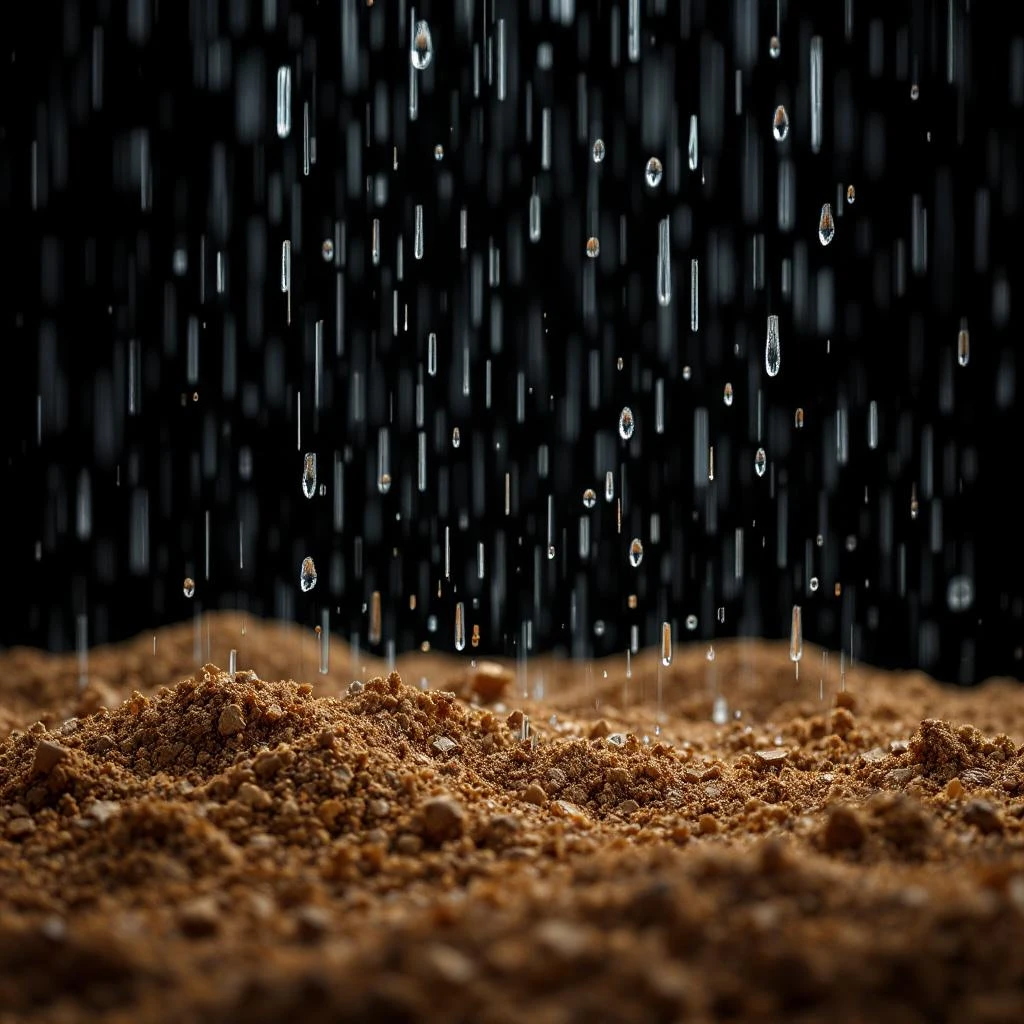
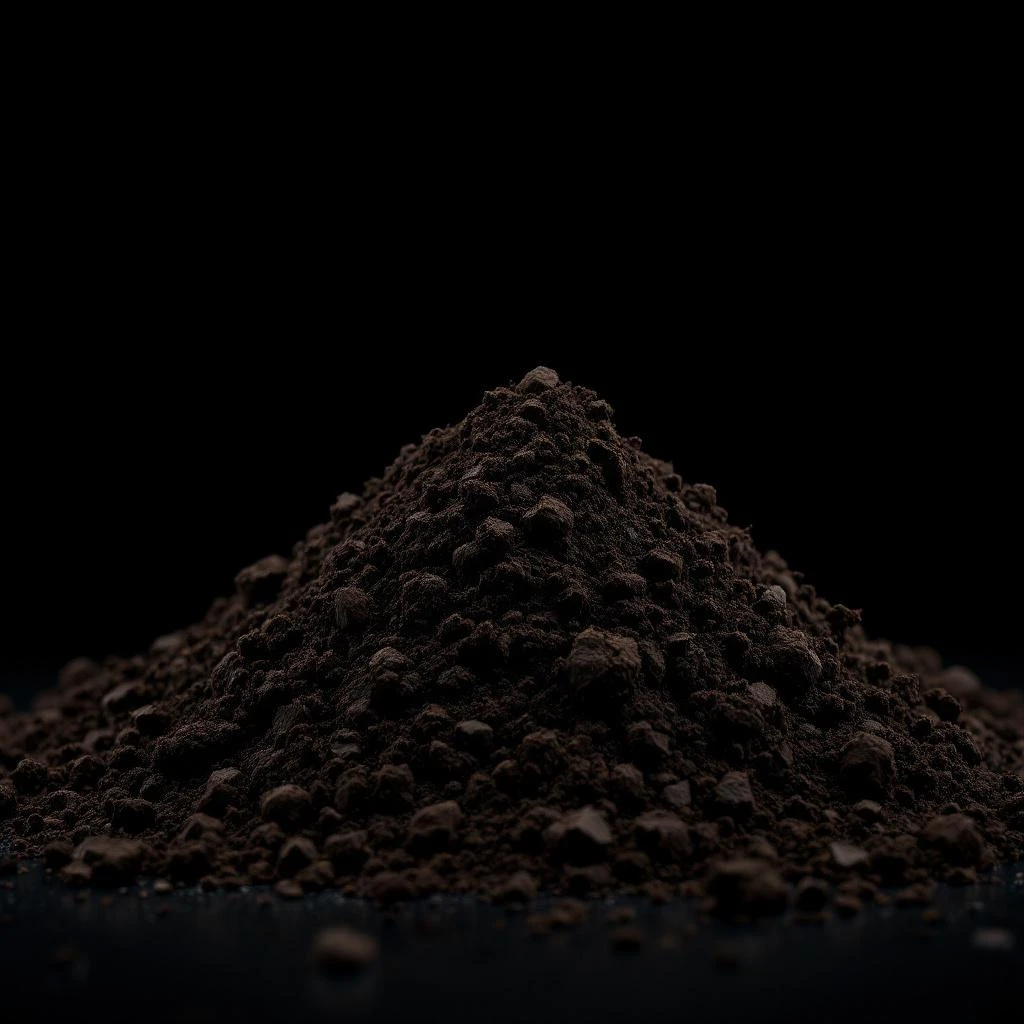
Green clay reimagined as a perfumer's note, built from geosmin and mineral accords. It captures petrichor and damp earth, offering an unexpected raw, grounded quality in modern compositions.
Character
How it smells
Petrichor in a bottle
Green clay itself has almost no volatile compounds, so perfumers build this earthy note almost entirely from geosmin, the same molecule that makes rain smell like rain.
Pairs beautifully with

Origin
France
Clay predates perfumery by millions of years, yet it entered the perfumer's palette only recently. Mineral clay has served humans since the Paleolithic era for pigments, preservation, and skincare. Ancient Mesopotamians and Egyptians used clay in ritual unguents and cosmetics, but always as a base or pigment, never as the source of scent.
The shift toward clay as a distinct aromatic note came in the late 20th century, alongside growing interest in mineral and atmospheric accords in niche perfumery. The breakthrough depended on isolating geosmin, first characterized in 1965 by Gerber and Lechevalier. Once perfumers understood the chemistry of petrichor (the term itself coined in 1964 by Australian researchers Bear and Thomas), they could rebuild that smell from individual molecules.
Green clay as a perfumery concept reflects a broader artistic movement toward literal, geological, and elemental notes: dirt, rain, stone, salt. It marks a break from centuries of floral and resin dominance, grounding contemporary perfumery in the smell of earth itself.
Wears it best
Fragrances featuring Green Clay
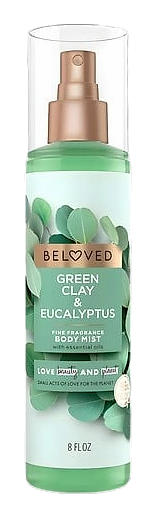
Brands
Brands known for Green Clay
Good to know
Questions, answered
The essentials on Green Clay in perfumery: how it smells, where it comes from, and how it behaves on skin.
Is green clay a natural perfume ingredient?
Not directly. Green clay itself contains almost no volatile aromatic compounds, so the clay note in perfumery is built from geosmin and other isolated molecules. Some artisans blend powdered green clay into solid perfumes as a base, but the scent comes from reconstructed accords.
What does green clay smell like in perfume?
The green clay accord evokes petrichor, damp earth, and the mineral quality of rain on dry ground. Geosmin dominates, producing a deep earthy, slightly sweet, and unmistakably humid character.
How is geosmin made for perfumery use?
Geosmin is produced biotechnologically through Streptomyces bacteria fermentation or synthesized chemically. Its extreme potency, detectable at 5 parts per trillion in water, means commercial perfumery requires highly diluted preparations.
Is green clay safe to wear on skin??
Yes. Cosmetic-grade green clay (montmorillonite or illite) is non-toxic and commonly used in skincare. In solid perfumes it may have mild astringent effects; in alcohol-based sprays it poses no skin concerns at typical concentrations.
Which perfumes are known for clay or earthy notes?
Several niche houses have explored mineral accords, including Comme des Garçons Series 3 Incense and select offerings from Aesop and Le Labo. The clay effect appears most often as a supporting note in vetiver and oud compositions.
Why is green clay used in natural perfumery?
Artisans value powdered green clay as a natural fixative and texturizing agent in solid and balm formats. It stabilizes volatile top notes while contributing a subtle earthy warmth that complements resin and wood compositions.
What's the difference between green clay and other clays in perfumery?
Green clay (illite or montmorillonite) has stronger absorbent properties than kaolin white clay. In perfumery this matters mainly for solid formats, where absorption affects scent throw and skin feel.
Can I make a clay accord at home?
Not easily. The accord relies on geosmin, which is not commercially available to hobbyists. Achieving petrichor-like effects at home typically requires layering vetiver, patchouli, and synthetic earth bases from perfumery suppliers.