Green Berries
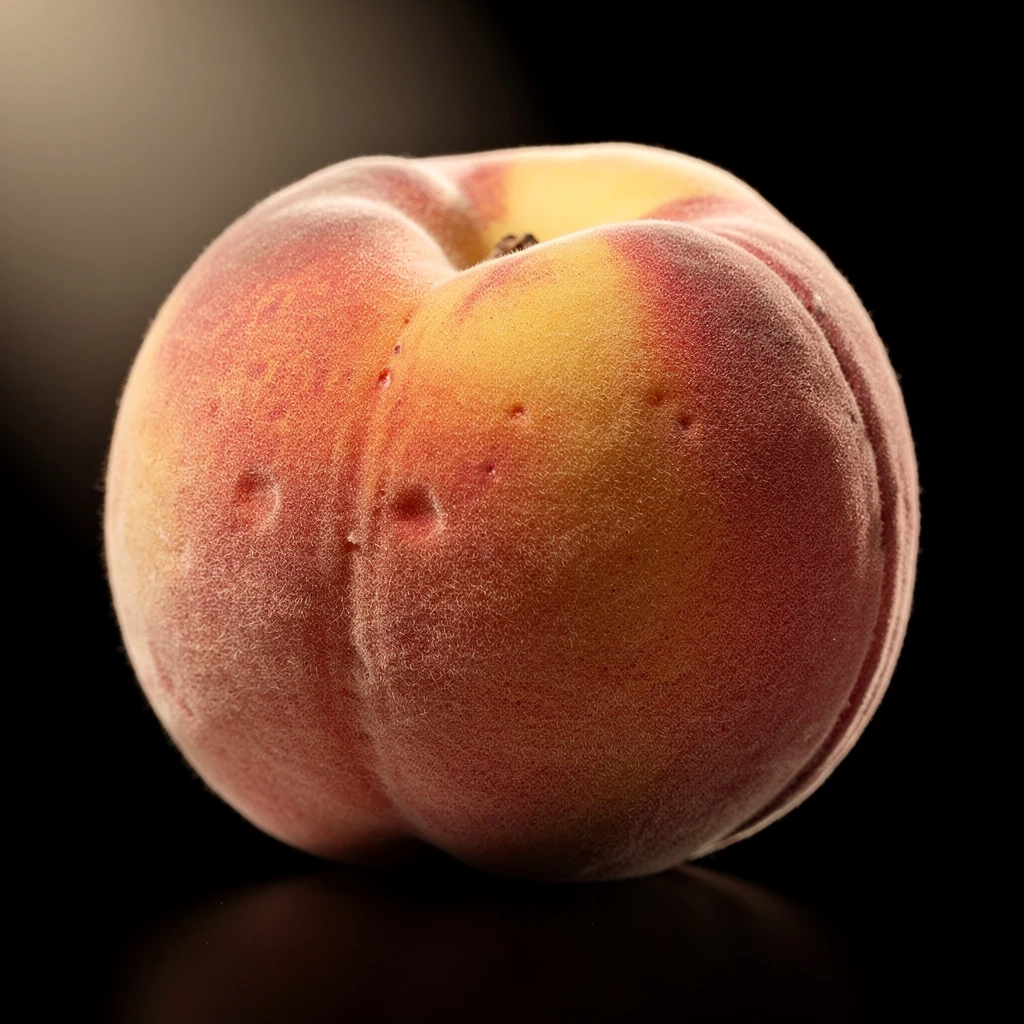
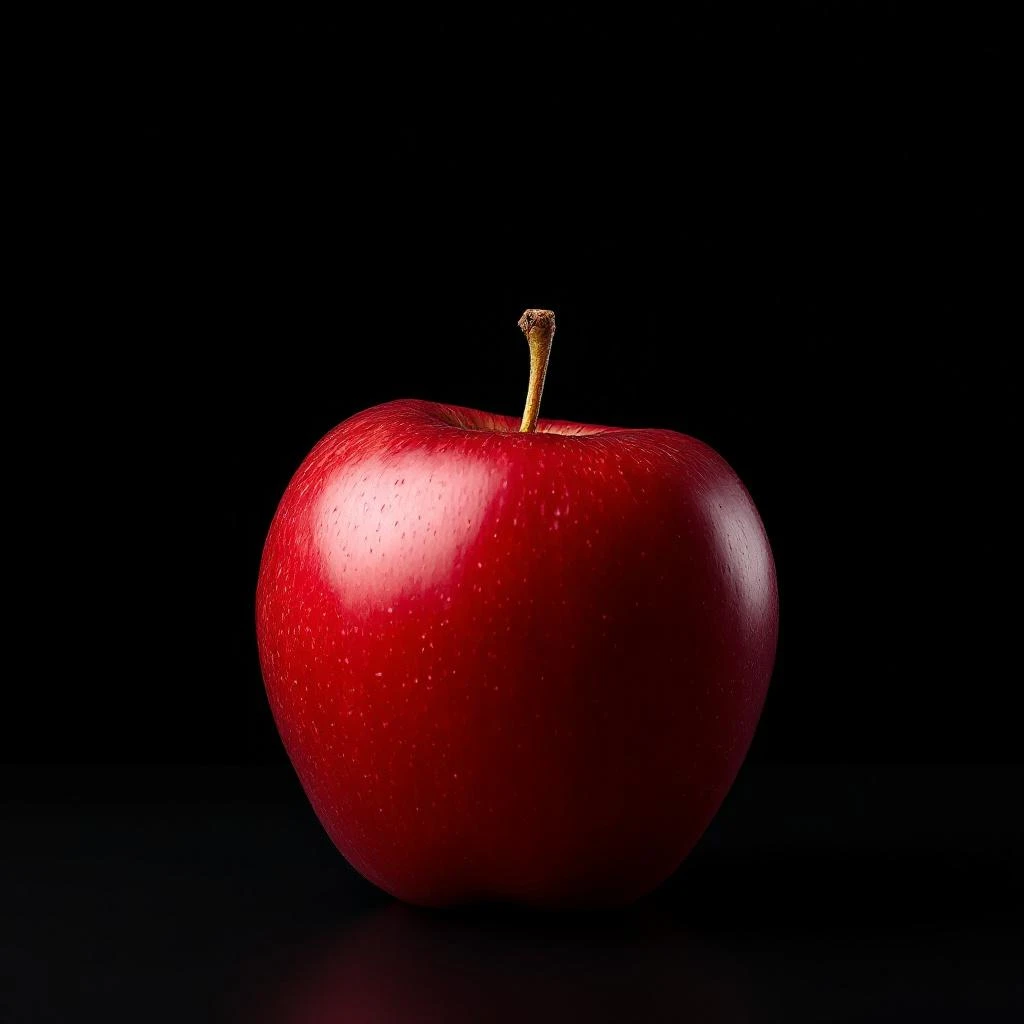
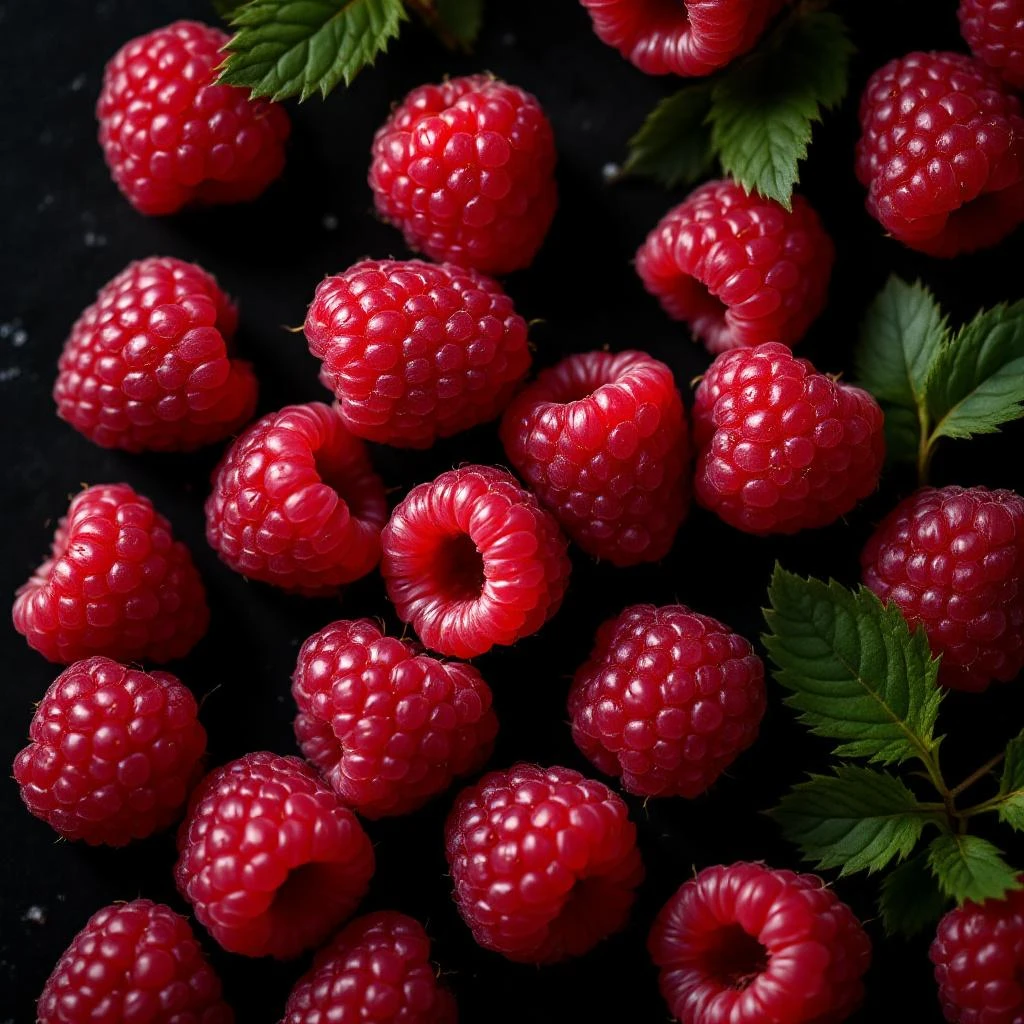
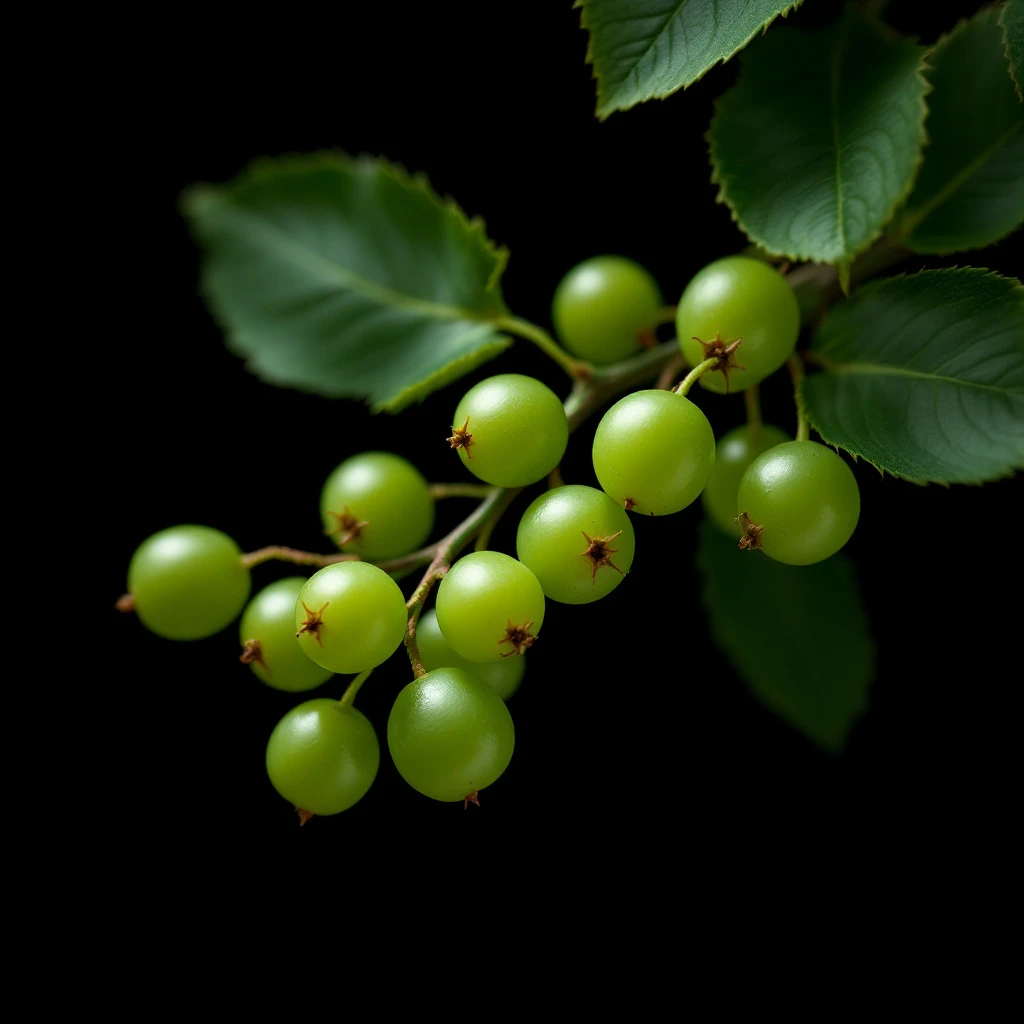
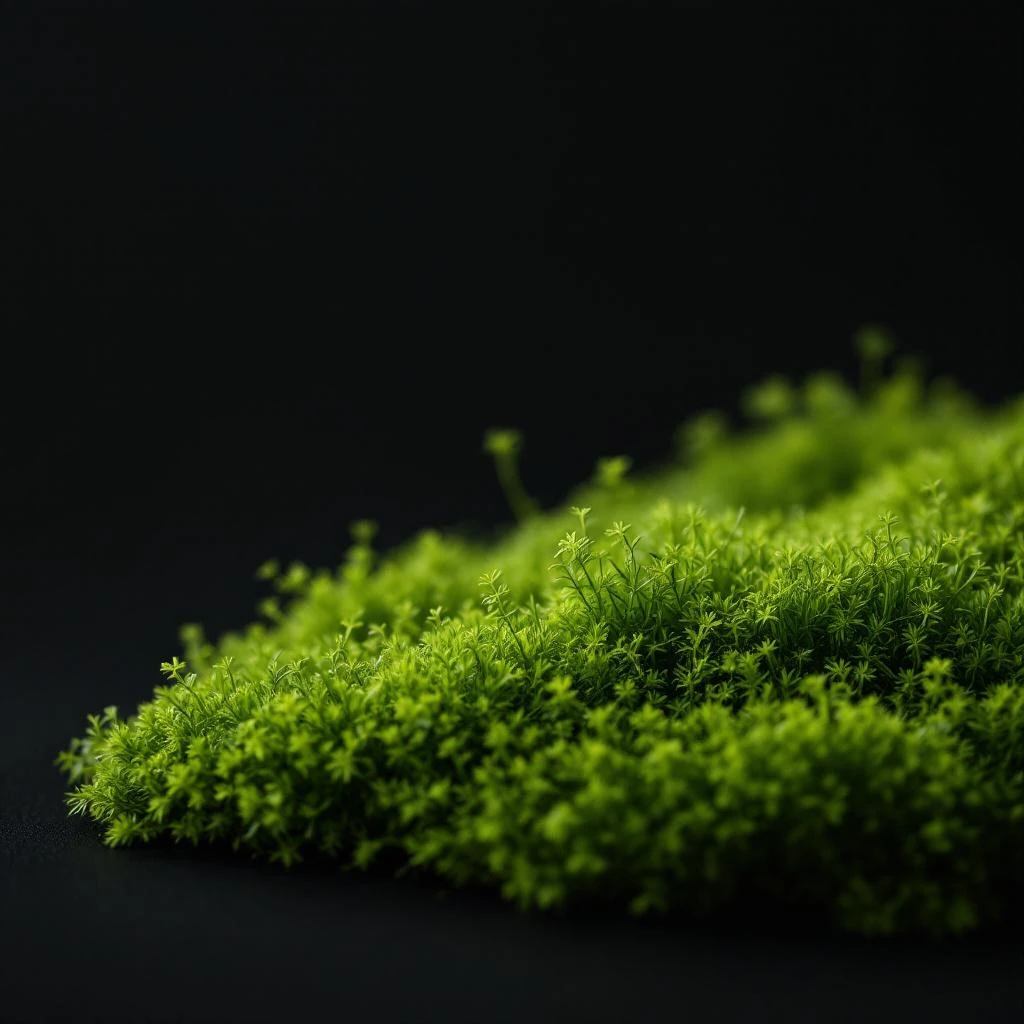
Green Berries captures the sharp, vegetal snap of unripened fruit. Tart, slightly bitter, and bright with a leafy green edge that cuts through heavier floral and woody compositions like a blade through still air.
Character
How it smells
Tart, leafy, and electric on the stem.
Most 'green berry' notes in perfumery are actually reconstructions using synthetic aroma chemicals, since extracting true berry scent from fresh fruit yields unstable, short-lived compounds.
Pairs beautifully with

Origin
France
The concept of a 'green berry' accord as perfumers know it today did not exist before the late 19th century. Early botanical perfumery focused on ripe fruit notes, flowers, woods, and resins, all extracted through traditional methods like enfleurage, maceration, and distillation. When synthetic chemistry matured in Grasse and Paris between 1889 and 1921, perfumers gained access to molecules that had no natural distillation counterpart.
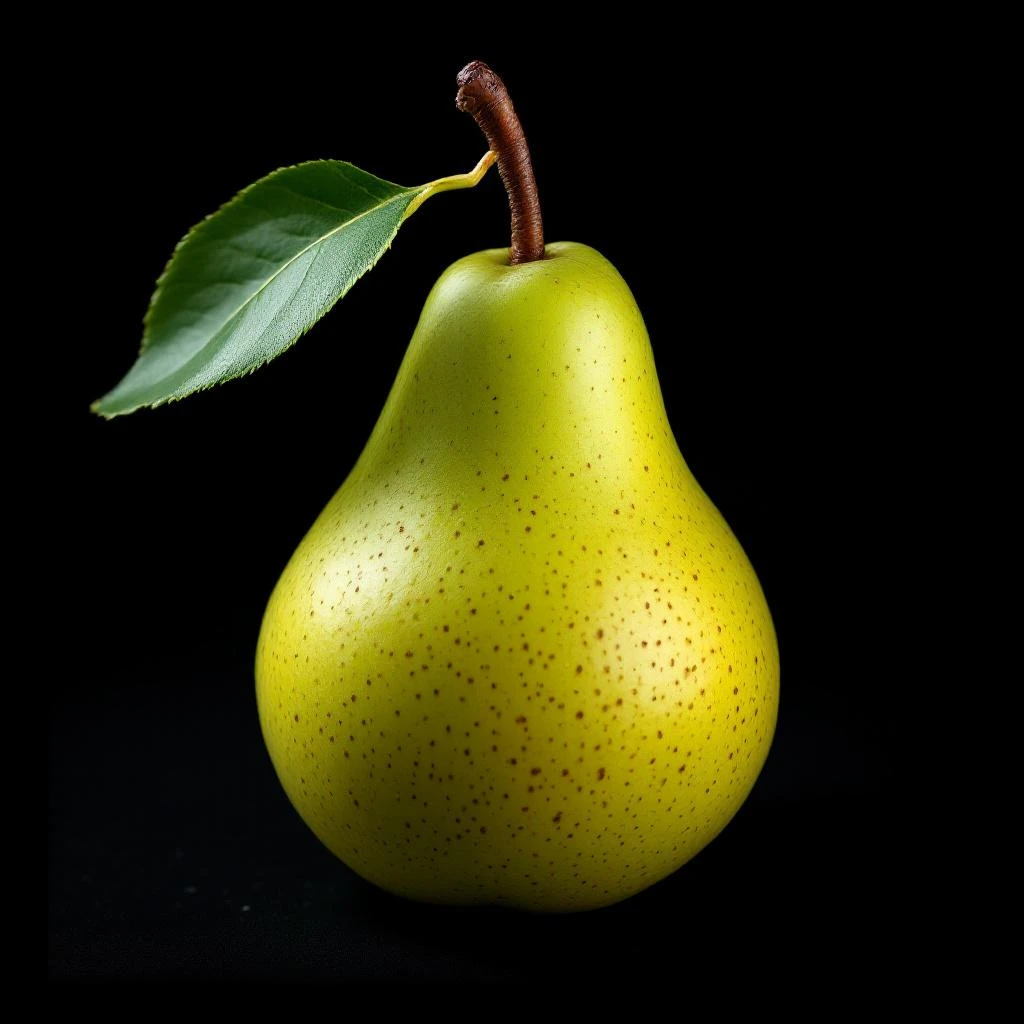
This opened the door to 'impossible' notes: the smell of a pear that has not yet ripened, the snap of a stem freshly cut from a bush. The green berry family emerged as part of the broader green notes revolution, alongside galbanum and fig leaf, which became hallmarks of chypre-style compositions. By the mid-20th century, green berry accords had become essential in fresh, sport, and eau de cologne genres.
Modern perfumers treat them less as literal fruit reproductions and more as abstract freshness generators, tools for injecting brightness and a slight metallic tension into any composition they touch.
Wears it best
Fragrances featuring Green Berries
Brands
Brands known for Green Berries
Good to know
Questions, answered
The essentials on Green Berries in perfumery: how it smells, where it comes from, and how it behaves on skin.
What does Green Berries smell like in perfume?
Green Berries smells tart, sharp, and slightly bitter, with a leafy green edge that recalls unripened fruit still on the stem. The effect is bright and cutting rather than sweet, lending compositions a crisp, just-picked freshness.
Is Green Berries a natural or synthetic note?
Green Berries in perfumery is almost always synthetic. Direct extraction from fresh berries produces unstable, low-yield aromatic compounds, so perfumers reconstruct the scent using aroma chemicals like ethyl decadienoate and cis-3-hexenol derivatives.
What is the difference between Green Berries and red berry notes?
Green Berries emphasize tartness, vegetal sharpness, and a stem-like bitterness, while red berry notes lean sweet, jammy, and ripe. Green Berries function as a freshness accent; red berries tend to play sweeter, fuller roles in a composition.
When did Green Berries become a perfumery note?
Green Berries emerged as a distinct note category after synthetic aroma chemistry developed between 1889 and 1921 in Paris. Before that, perfumers lacked the molecular tools to reproduce the scent of unripe fruit authentically.
Which fragrance families use Green Berries?
Green Berries appear most often in fresh, green, and chypre-style compositions, as well as sport fragrances and light eau de cologne formats. They add brightness and a modern edge to both masculine and unisex structures.
Can Green Berries be extracted naturally?
Limited natural extraction is possible through solvent processing of berry leaves and stems rather than the fruit, capturing chlorophyll-rich greenness. These absolutes, mainly produced in France, are rare and serve as modifiers, not base materials.
What molecules create the Green Berries scent?
Ethyl (2E,4Z)-2,4-decadienoate provides the crisp apple-pear character, while cis-3-hexenol and its esters deliver the leafy, freshly cut foliage quality. Together these synthetics form the backbone of most green berry reconstructions.
Why are Green Berries hard to extract from real fruit?
Unripe berries contain only trace amounts of volatile aroma compounds, and those compounds oxidize rapidly once the fruit is picked. Yields are too low and unstable for commercial natural extraction, which is why synthesis dominates.