Glass
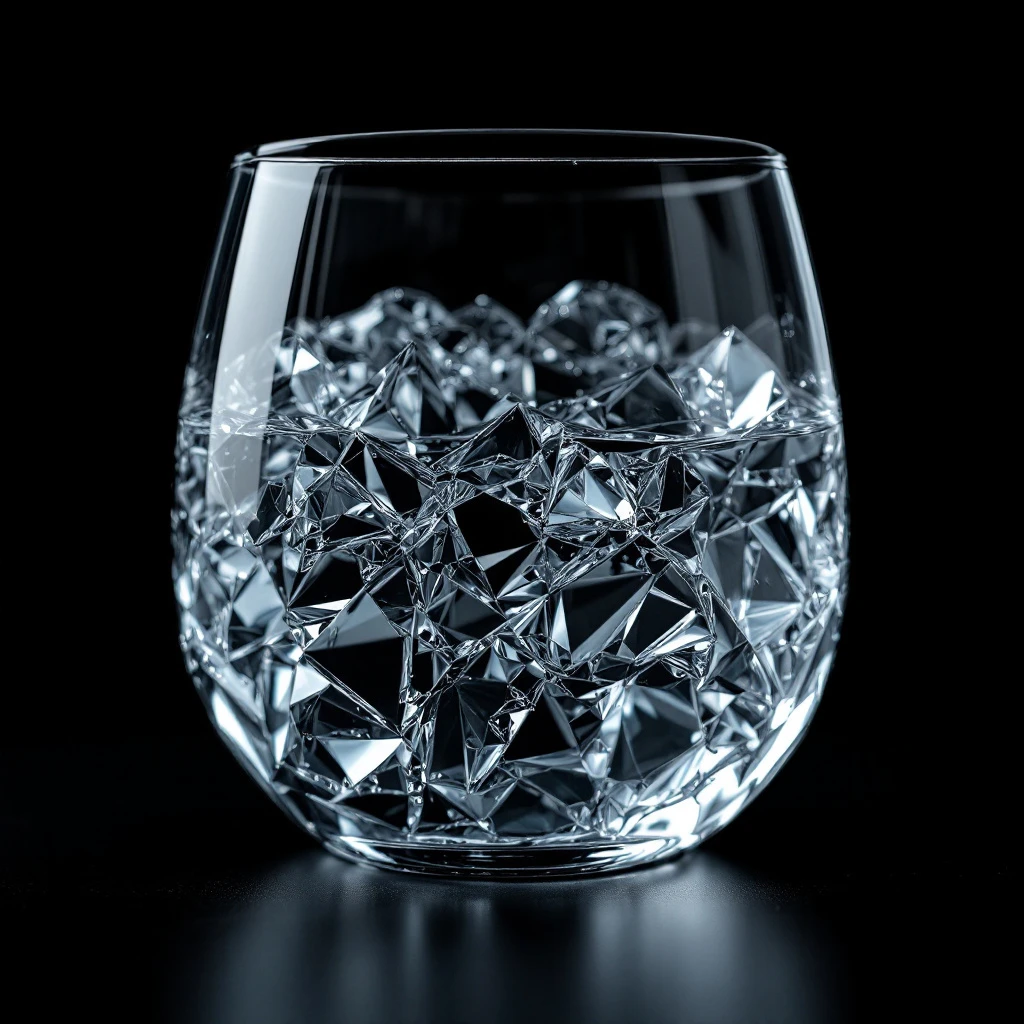
Glass is not a fragrance ingredient. It is a container material used to store perfumes, protecting scent integrity and enhancing presentation. As a bottle material, glass preserves fragrance compositions by creating an inert barrier that prevents interaction between the scent and its vessel.
Character
How it smells
The vessel that holds scent, not the scent itself.
Glass perfume bottles date to around 1500 BCE, when ancient Egyptians first learned to produce glassware.


Origin
Egypt
The ancient Egyptians are credited among the earliest civilizations to produce glass, with perfume bottles representing one of the first practical applications of this material. Around 1500 BCE, Egyptian craftspeople discovered how to fuse silica-based materials into glassy substances, initially creating small vessels to hold precious aromatic oils and perfume mixtures.
The Phoenician traders later distributed core-formed glass perfume vessels throughout the Mediterranean region during the Iron Age, spreading both the craft of glassmaking and the use of scented preparations. The Etruscans in Italy subsequently developed their own glass vessel-making traditions, establishing perfume containers as an important category within ancient glass production that continues to this day.
Wears it best
Fragrances featuring Glass

Brands
Brands known for Glass
Good to know
Questions, answered
The essentials on Glass in perfumery: how it smells, where it comes from, and how it behaves on skin.
What does Glass smell like in perfume?
Glass does not emit a scent and is not used as a fragrance ingredient. Glass perfume bottles are vessels that contain perfume but contribute no aroma to the fragrance itself. The scent you experience comes entirely from the perfume composition inside.
Why is Glass used in perfumery?
Glass serves as an inert, non-reactive container material that preserves fragrance integrity over time. A study by the Glass Packaging Institute found that glass is 100% impermeable to gases and vapors, making it ideal for protecting volatile aromatic compounds.
Is Glass in perfume natural or synthetic?
Glass is neither natural nor synthetic in the context of fragrance ingredients. It is an inorganic material manufactured from silica, soda ash, and limestone. Glass is considered a container component rather than an aromatic material used in fragrance formulation.
What famous perfumes contain Glass?
No perfumes contain glass as an ingredient. Glass refers exclusively to the bottle or container holding the fragrance. Nearly all luxury perfumes use glass bottles for presentation and preservation purposes.
Is Glass a top note, heart note, or base note?
Glass is not classified within fragrance pyramid structures (top, heart, base notes). These categories apply only to aromatic materials that contribute scent. Glass functions as packaging, not as a fragrant component of any perfume.
What notes pair well with Glass in perfume?
Glass does not pair with other notes because it does not contribute aroma. As a container material, glass is compatible with all fragrance compositions without altering or enhancing their scent profiles.
Where does Glass come from?
Modern glass production for perfume bottles originates from manufacturing facilities worldwide, with major producers in France, Italy, and Germany. Ancient glassmaking began around 1500 BCE in Egypt and the broader Middle East region.
Is Glass used in men's or women's fragrances?
Glass bottles are used for all types of fragrances regardless of gender designation. Both men's and women's perfumes commonly appear in glass containers, from minimal masculine flasks to ornate feminine bottles.