Gianduia
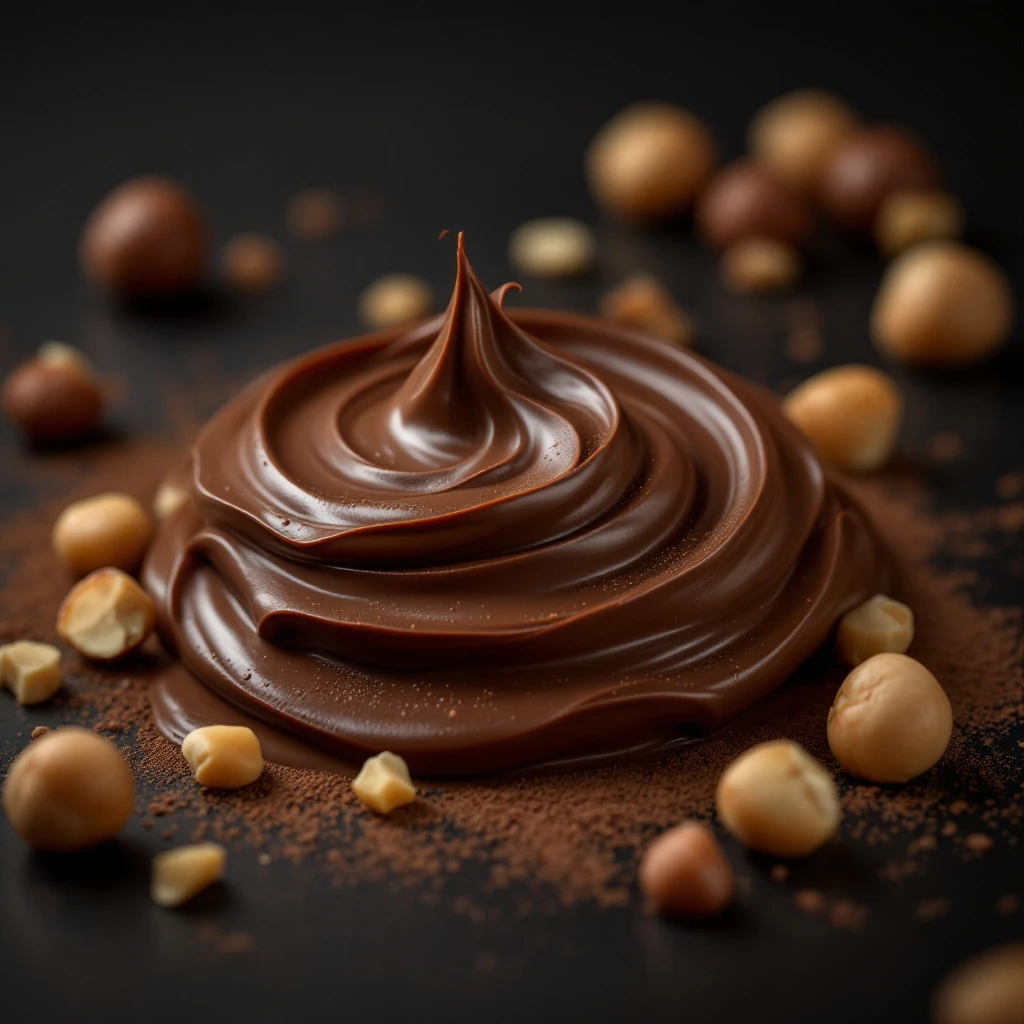
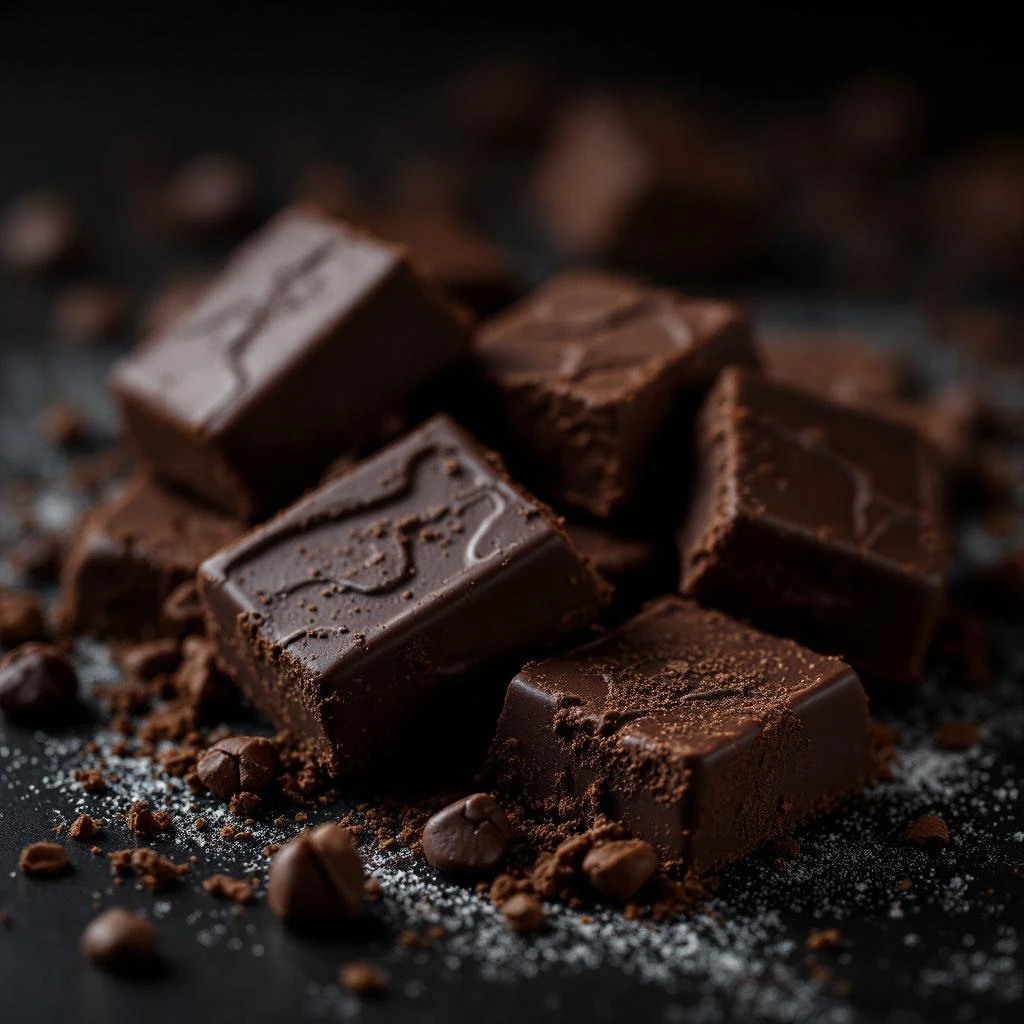
Gianduia captures the indulgent soul of Piedmont: roasted hazelnuts married to dark chocolate in a warm, enveloping embrace. This iconic confection transforms into a sumptuous perfumery note, lending gourmand fragrances their irresistible warmth and comfort.
Character
How it smells
The warm Piedmontese embrace of hazelnut and chocolate, now reimagined for the skin.
Gianduia was born from necessity—when Napoleon's embargo blocked cocoa imports, Turin's confectioners substituted locally abundant hazelnuts, creating an accidental masterpiece that endures today.



Origin
Italy
Gianduia's story begins not in a chocolate factory but from geopolitical crisis. When Napoleon's Continental System embargoed British colonial goods around 1806, cocoa became scarce and expensive across Europe. In Turin, capital of the Kingdom of Sardinia, pastry chefs faced a dilemma—how to satisfy the Piedmontese sweet tooth without chocolate?
Local hazelnuts, abundant in the nearby Langhe hills, offered the answer. Confectioners roasted and ground the nuts into a paste, combining them with what little chocolate remained. The result delighted customers, and by the mid-19th century, gianduia had become a Piedmontese icon, sold from distinctive wooden carts throughout Turin's winter festivals.
The name itself derives from a popular Piedmontese carnival character, Gian d'Ui. Today, true gianduia enjoys EU Traditional Speciality Guaranteed protection—only hazelnut-chocolate preparations from Piedmont using specified methods can bear the name. In perfumery, gianduia represents the ultimate comfort note: warm, nostalgic, and unmistakably indulgent.
Wears it best
Fragrances featuring Gianduia

Brands
Brands known for Gianduia
Good to know
Questions, answered
The essentials on Gianduia in perfumery: how it smells, where it comes from, and how it behaves on skin.
Is gianduia an actual perfumery ingredient?
Gianduia functions as a reconstructed aromatic profile in perfumery. While the confection itself isn't used directly, perfumers recreate its character through CO2-extracted hazelnut notes combined with chocolate-derived aroma molecules to achieve the authentic warm, roasted, sweet-nutty sensation.
What does gianduia smell like?
Gianduia presents as a warm, enveloping scent combining roasted hazelnut at its core with chocolate's depth and subtle caramel undertones. The overall effect is rich, comforting, and distinctly gourmand—a sweet-tooth note that brings immediate warmth and indulgence to fragrance compositions.
Which fragrance families use gianduia?
Gianduia appears primarily in gourmand and Oriental fragrances, where its sweet, edible character shines. Perfumers also use it in warm Woody and Ambery compositions where it adds depth and comfort. The note bridges culinary pleasure and sophisticated perfumery with remarkable versatility.
What is gianduia's caloric contribution in culinary use?
Culinary gianduja contains approximately 550-600 kcal per 100g, reflecting its rich hazelnut and chocolate composition. In perfumery, only trace amounts of the aromatic extract appear in formulations, making caloric considerations irrelevant to fragrance applications.
Is gianduia used more in natural or synthetic perfumery?
Modern perfumery employs both approaches—CO2 supercritical extraction yields genuine hazelnut aromatic concentrate while synthetic aroma compounds replicate the chocolate dimension. Natural extracts tend to offer greater aromatic complexity, though high-quality reconstructions achieve remarkable authenticity.
Must gianduia come from a specific region?
The EU grants Traditional Speciality Guaranteed status to gianduia, requiring it originate from Piedmont and use specified hazelnut-chocolate ratios with traditional methods. This protection ensures authentic gianduia reflects its heritage, and perfumers sourcing authentic extracts typically specify Piedmont origins.
Is gianduia used as a single material or in combination with other notes?
Perfumers treat gianduia as a foundation accord rather than a single ingredient. They typically combine hazelnut extracts with chocolate notes, caramel nuances, and vanilla undertones to build the full gianduia character, layering these elements to achieve the confection's signature complexity.
How did Napoleon's trade embargo create gianduia?
Napoleon's 1806 Continental System blocked British colonial trade, making cocoa scarce across Europe. Turin's confectioners responded by substituting locally abundant Piedmontese hazelnuts, creating the hazelnut-chocolate blend we now call gianduia. This culinary innovation emerged from economic necessity and became a lasting regional specialty.





