Gentian Root
A bitter alpine botanical with a cool, earthy bite, gentian root brings a sharp green character to perfumery. Its distinctively dry, almost medicinal aroma creates depth in fougère and aromatic compositions.
Character
How it smells
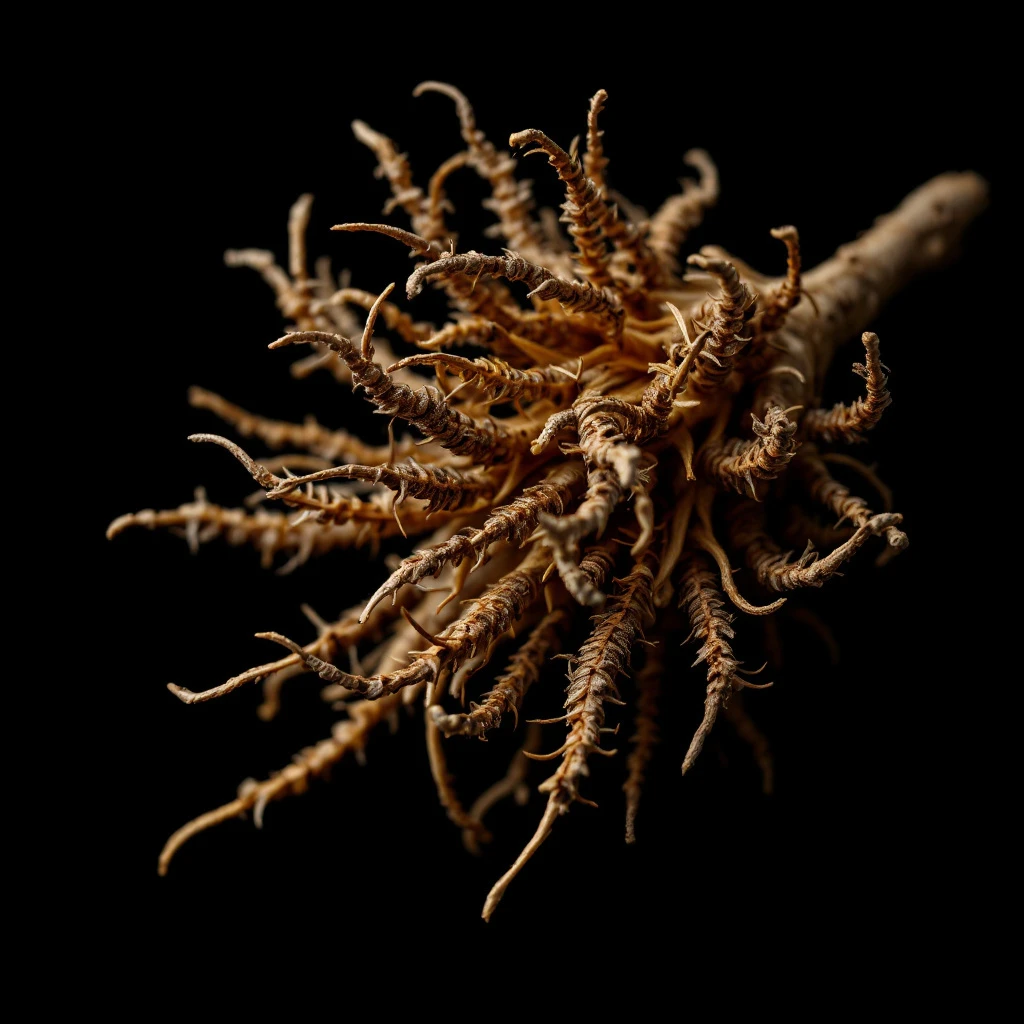
Bitter alpine root with a sharp, earthy edge.
Gentian root can sit in alpine soil for 50 years before harvest, and its bitter compounds historically made it a key flavoring in vermouth and digestive bitters.
Pairs beautifully with


Origin
France
Gentiana lutea takes its name from King Gentius of Illyria, a 2nd-century BCE ruler credited in Pliny's writings with discovering the plant's medicinal properties. For centuries, the root served European herbalists as a digestive tonic, and it crossed into flavoring traditions long before joining perfumery.
The alpine plant grew so commercially valuable that 19th-century harvesters nearly drove it to extinction in parts of the Alps, prompting early conservation regulations. Its transition into fragrance came through the bitter and aromatic trends of the late 19th century, when perfumers began incorporating herbal extracts into men's colognes and fougère structures.
The root's sharp, bitter-green character offered a counterpoint to the sweeter florals dominating the era. Today, gentian root remains a signature element in aromatic compositions, particularly those exploring herbal and medicinal facets.
Wears it best
Fragrances featuring Gentian Root
Brands
Brands known for Gentian Root
Good to know
Questions, answered
The essentials on Gentian Root in perfumery: how it smells, where it comes from, and how it behaves on skin.
What does gentian root smell like in perfume?
Gentian root produces a bitter, herbaceous aroma with earthy, slightly hay-like undertones and a cooling quality. It adds a dry, medicinal facet to aromatic and fougère fragrances.
Is gentian root natural or synthetic?
Most gentian root in perfumery comes from natural extraction of Gentiana lutea rhizomes. Synthetic aroma chemicals occasionally replicate its bitter character, but artisan perfumers favor true botanical extracts.
Why is gentian root used in cologne?
Its bitter-green profile complements citrus top notes and herbaceous heart accords in classic cologne structures. The root adds an earthy anchor that extends a fragrance's drydown.
What is the difference between gentian root and gentian flower?
Gentian root (the rhizome) offers a bitter, earthy, hay-like aroma. The yellow flowers of Gentiana lutea carry a lighter, fresher scent closer to green tea with subtle honeyed nuances.
Is gentian root sustainable?
Wild Gentiana lutea was overharvested in the 19th century, but modern cultivation programs in France and Switzerland now supply most perfumery-grade material. Regulated wild harvesting continues in some alpine regions.
Which perfume families feature gentian root?
Gentian root appears most often in fougère, aromatic, and herbal cologne families. It also supports bitter orange-centered eaux and green chypre compositions.
How long does gentian root grow before harvest?
Gentiana lutea requires 7 to 10 years minimum to develop harvestable rhizomes, with some alpine specimens reaching 50 years. Older roots yield more concentrated aromatic compounds.
Can gentian root cause skin sensitivity?
Gentian root extract shows low sensitization risk in standard testing. However, individuals with sensitivities to plants in the Gentianaceae family should patch-test before use.