Galbanol
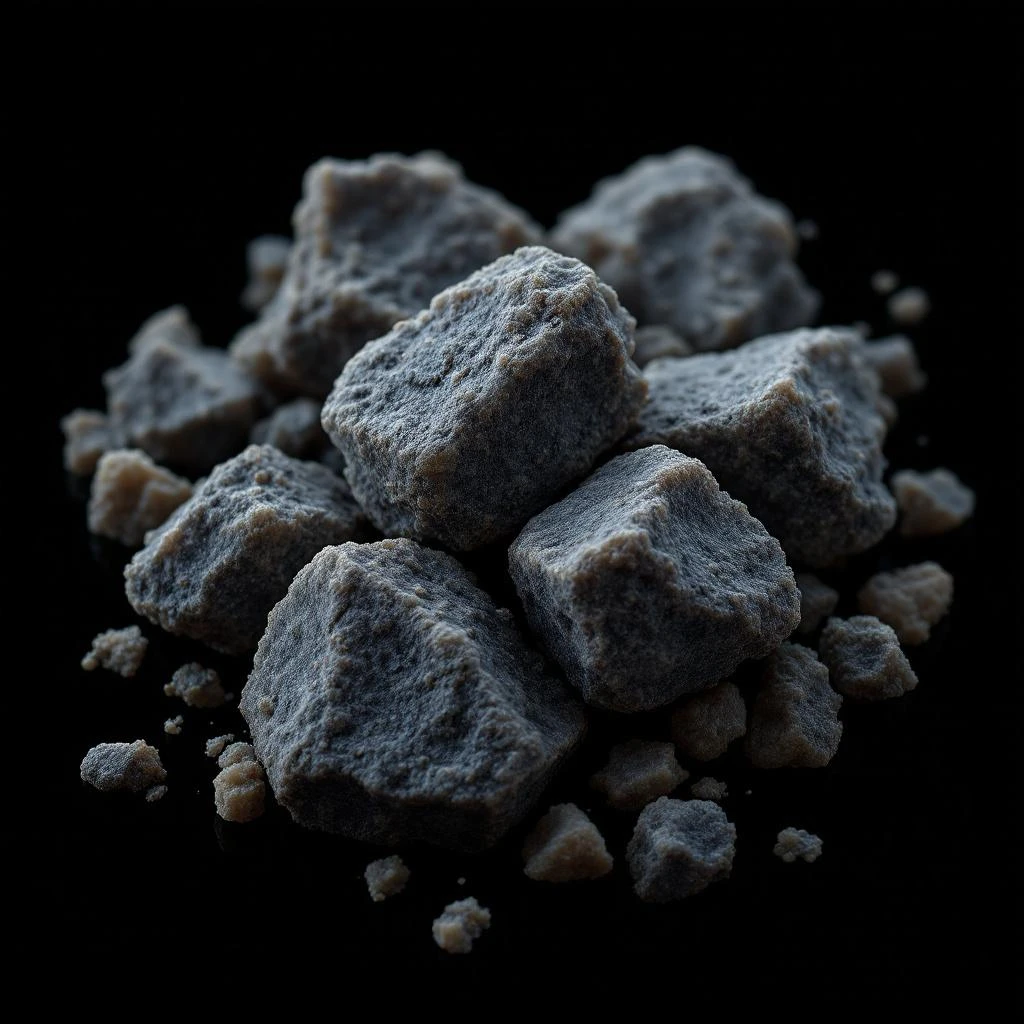
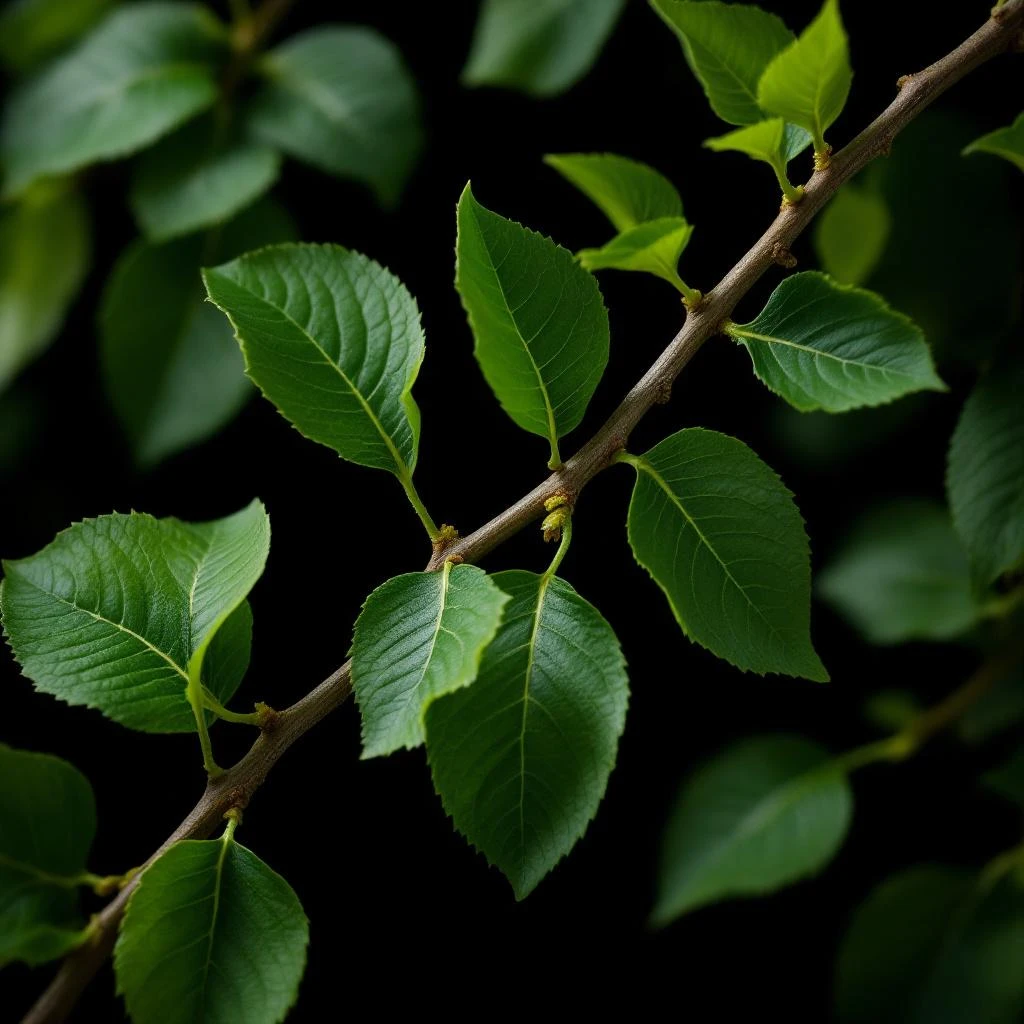
Galbanum, a rare resinous gum from the Ferula gummosa plant native to Iran, has enchanted perfumers since antiquity. Its sharp, green, slightly bitter aroma captures the essence of crushed leaves and wild vegetation, lending an unmatched freshness to fragrances that endure across centuries.
Character
How it smells
The ancient green pulse of Persian highlands.
The word 'galbanum' derives from the Hebrew 'chelbenah,' appearing in the Bible as an ingredient in sacred holy anointing oil.



Origin
Iran
Galbanum resin appears in some of the oldest aromatic traditions known to civilization. Ancient Persians used it in ceremonial incense and medicinal preparations.
Egyptian texts document galbanum as a traded luxury good, valued alongside frankincense and myrrh. The Greek physician Dioscorides described its therapeutic applications in the first century CE.
Throughout the ancient world, galbanum symbolized purification and spiritual connection. Despite centuries of trade and use, the ingredient remained relatively obscure in modern perfumery until the mid-20th century, when master perfumer Francis Fabron created Miss Dior, forever linking galbanum to the chypre fragrance family and establishing it as a cornerstone of green perfumery.
Wears it best
Fragrances featuring Galbanol
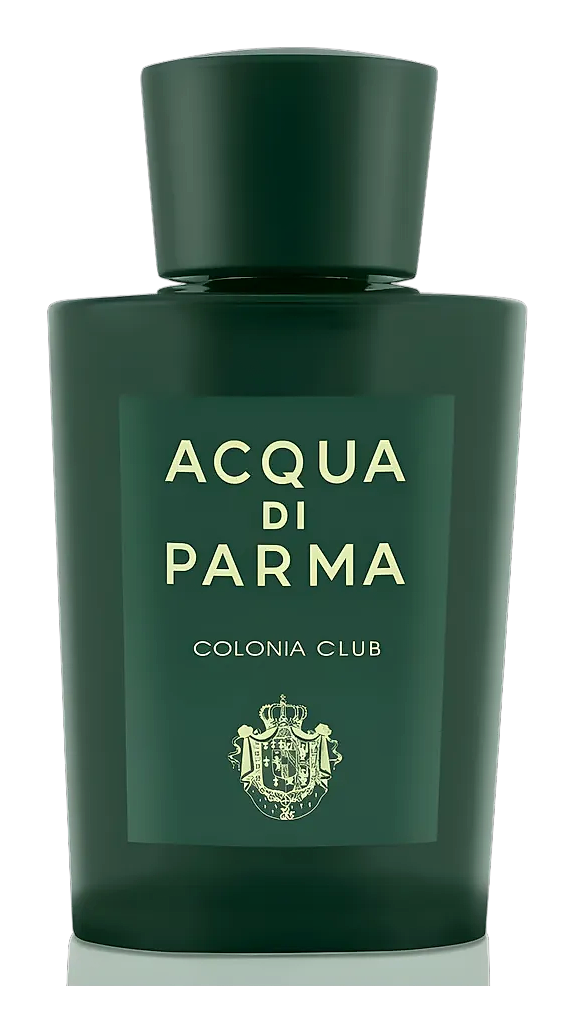
Brands
Brands known for Galbanol
Good to know
Questions, answered
The essentials on Galbanol in perfumery: how it smells, where it comes from, and how it behaves on skin.
What does galbanum smell like?
Galbanum delivers a vivid green, leaf-like scent with bitter, slightly milky undertones. It reads as the aroma of crushed vegetation just after rain, combining freshness with an almost medicinal intensity that distinguishes it from gentler green notes like violet leaf.
Is galbanum a natural or synthetic ingredient?
Natural galbanum comes from the Ferula gummosa plant native to Iran. However, due to scarcity and cost, perfumers frequently use synthetic alternatives like galbaniff (a natural component isolated from essential oils) or fully synthesized green aroma chemicals that replicate galbanum's characteristic scent profile.
Where does galbanum originate?
True galbanum resin derives from Ferula gummosa, which grows natively in the highland regions of Iran. Historical trade routes also extended through Turkey and Afghanistan, though Iranian sources remain the benchmark for quality and authenticity.
Why is galbanum considered expensive?
Galbanum commands premium prices because the Ferula gummosa plant requires years to mature before resin extraction. Each plant yields only small amounts of gum, and the curing and distillation process demands careful handling. These factors combine to make galbanum one of the more costly natural materials in perfumery.
Which famous fragrances feature galbanum?
Galbanum anchors several landmark fragrances, including Miss Dior (1947), which established the ingredient's place in modern perfumery. Chanel Misia, Hermès Loris, and Armani Acqua di Giò all showcase galbanum's distinctive green intensity as a signature element.
Is galbanum safe for use in cosmetic products?
Galbanum resin and its essential oil appear on the IFRA list of approved fragrance materials. When properly diluted and sourced from reputable suppliers, galbanum meets safety standards for use in perfumes and cosmetic formulations at regulated concentrations.
How long has galbanum been used in perfumery?
Archaeological evidence places galbanum in use by ancient Mesopotamian and Egyptian civilizations over 3,000 years ago. These cultures employed the resin in religious ceremonies, medicinal preparations, and early forms of perfumed unguents.
Can synthetic alternatives fully replace natural galbanum?
Synthetic alternatives like galbaniff and 2,6-nonadienal capture galbanum's green, aldehydic character but rarely achieve the full complexity of the natural resin. Natural galbanum contains dozens of trace compounds that contribute to its multidimensional, almost medicinal depth.
In the same family