Fruitcake
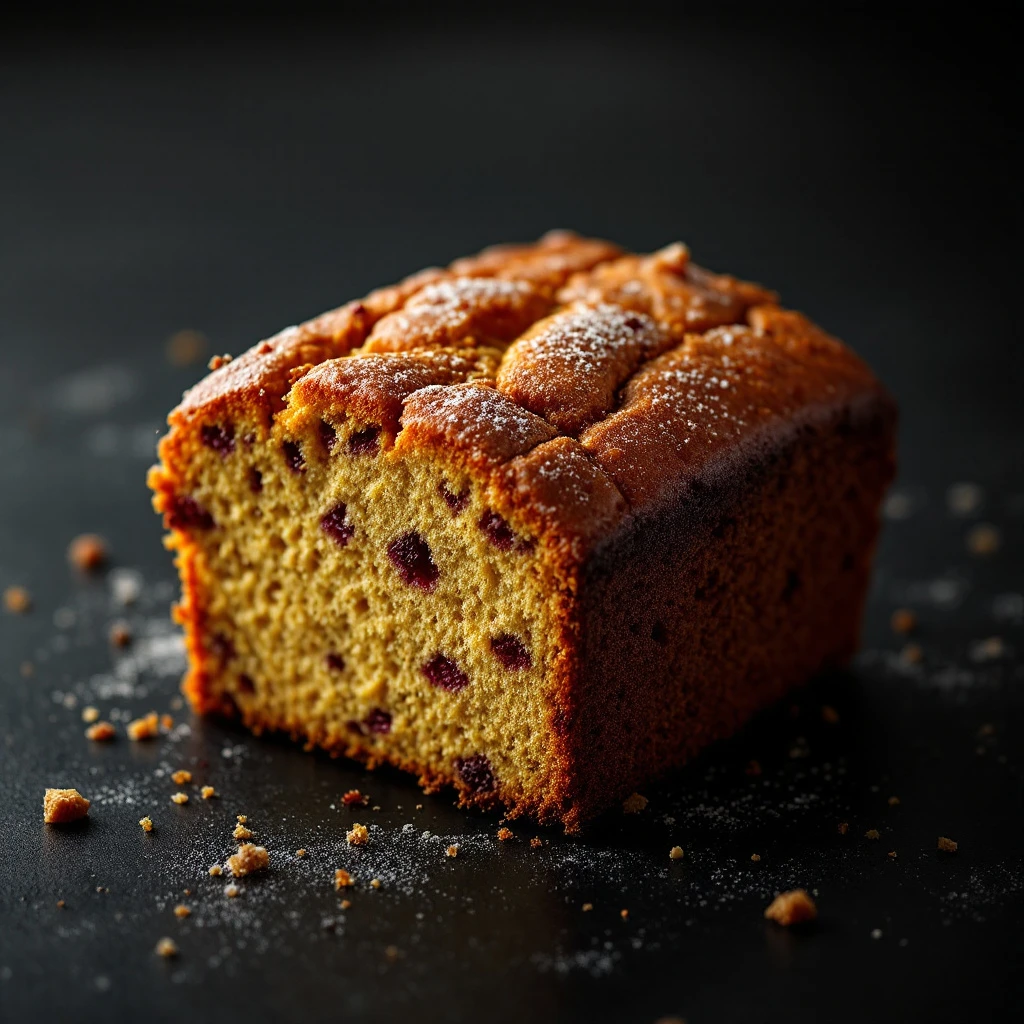
Warm spice, candied citrus, and dried fruit compressed into a single nostalgic accord. Fruitcake in perfumery captures the holiday dessert's richness through its component notes: baked plum, rum-soaked raisin, and toasted nut.
Character
How it smells
Spiced, candied, and steeped in warmth
Ancient Romans made an early ancestor called satura, a dense mash of barley, nuts, pomegranate seeds, and honey, considered one of the first recorded fruit-based preparations.
Pairs beautifully with
Origin
Italy
Fruitcake traces back to ancient Rome, where a preparation called satura combined barley, pomegranate seeds, nuts, raisins, and honeyed wine. Romans carried this dense, preserved mixture across Europe, where medieval bakers enriched it with preserved fruits and spices imported along Mediterranean trade routes. By the Middle Ages, fruitcake had become a celebratory staple across England, France, and Germany.
English plum cakes, dense loaves studded with dried currants and candied peel, evolved into the Christmas cake tradition after the 16th century, when sugar and dried fruits became more affordable. The 18th and 19th centuries saw fruitcake spread through European colonies, absorbing local nuts and tropical fruits. In perfumery, the literal scent of fruitcake entered compositions only in the late 20th century, as gourmand perfumery emerged.
The commercial synthesis of vanillin in 1874 and coumarin earlier laid the groundwork for recreating baked-dessert aromas. Modern perfumers reference fruitcake not as a literal food note but as a cultural shorthand: spiced, sweet, boozy, and distinctly festive.
Wears it best
Fragrances featuring Fruitcake
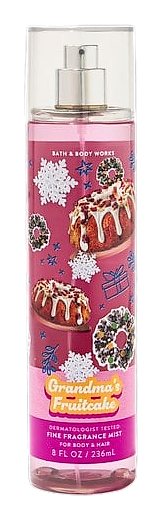
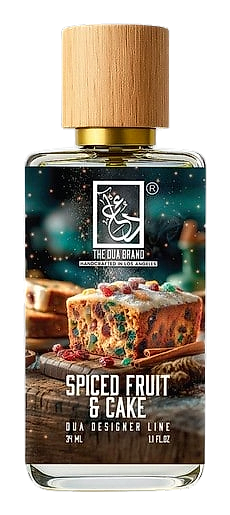
Brands
Brands known for Fruitcake
Good to know
Questions, answered
The essentials on Fruitcake in perfumery: how it smells, where it comes from, and how it behaves on skin.
Is fruitcake a natural fragrance ingredient?
Not directly. Fruitcake in perfumery is an accord, meaning a blend of natural and synthetic materials combined to evoke the dessert. Perfumers combine fruit extracts, spice oils, and aroma chemicals rather than distilling a single source.
What does the fruitcake note smell like in perfume?
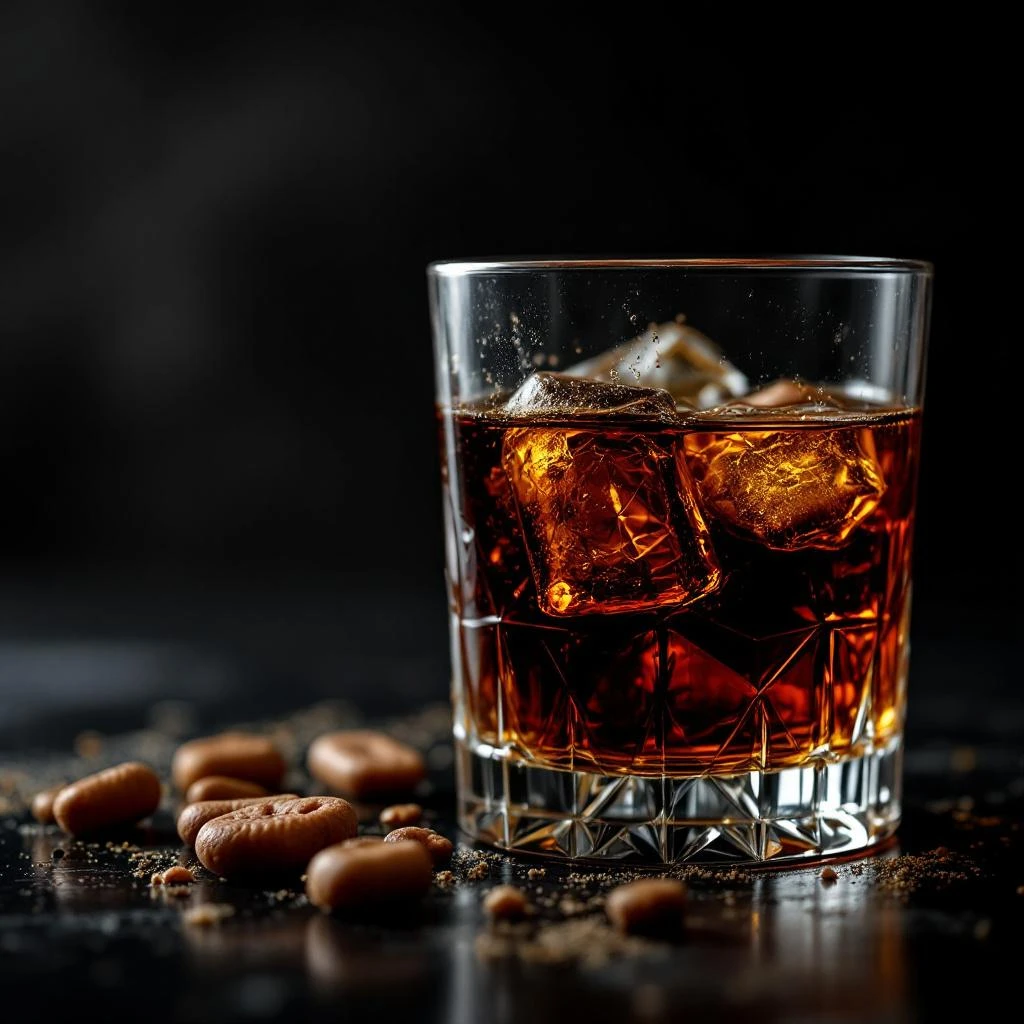
The fruitcake accord typically reads warm, spiced, and sweet with boozy undertones. Expect notes of baked plum, candied orange peel, cinnamon, clove, toasted nut, and a faint rum impression layered together.
When did fruitcake first appear in perfume?
Gourmand accords referencing fruitcake entered mainstream perfumery in the late 20th century, after edible-smelling fragrances gained popularity. The commercial synthesis of vanillin in 1874 enabled bakers'-kitchen scent profiles decades earlier.
Is fruitcake a top, heart, or base note?
Fruitcake functions as a base-to-heart accord because its components, including spice oils, dried fruit extracts, and rum notes, have moderate to heavy molecular weight and linger longer than citrus top notes.
Where does fruitcake originate historically?
Fruitcake's oldest ancestor is the Roman satura, a mixture of barley, pomegranate seeds, nuts, and honey documented in ancient texts. From Rome the concept spread northward and evolved into the dense, spiced Christmas cakes of medieval Europe.
Can fruitcake notes be extracted from real cake?
No. There is no commercial extraction method that captures the aroma of baked fruitcake directly. Perfumers reconstruct the scent using individual ingredients like cinnamon bark oil, orange peel oil, and synthetic lactones.
Which perfumes use the fruitcake accord?
Several holiday-season and gourmand fragrances feature fruitcake-inspired compositions, though perfumers rarely list the accord literally. Look for layered spice, dried fruit, and rum notes in seasonal or oriental-gourmand launches.
Is fruitcake suitable for sensitive skin?
Because fruitcake is a blended accord rather than a single botanical, skin sensitivity depends on its specific components. Cinnamon and clove oils are known potential irritants, so patch testing is advisable for reactive skin.





