Fruit Tree Woods
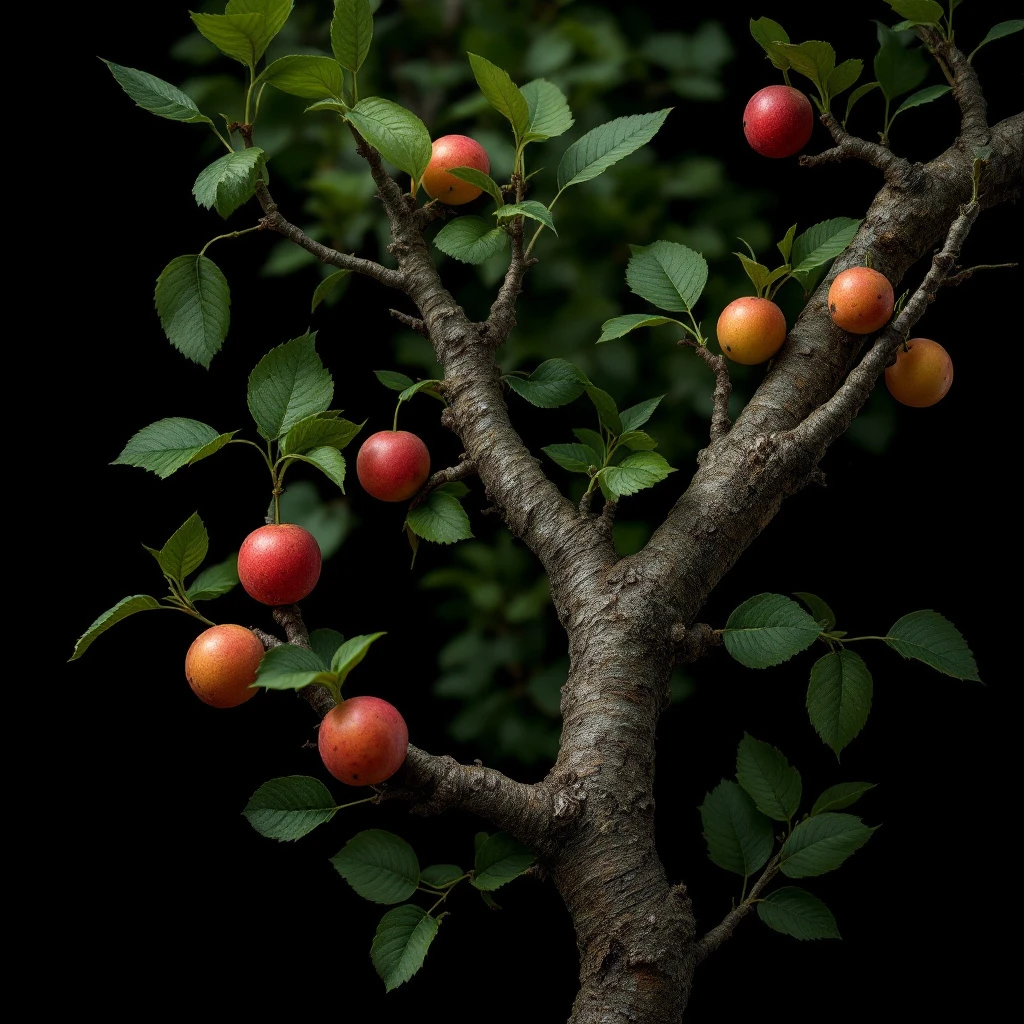
Fruit Tree Woods pairs juicy orchard fruit with polished, dry wood, creating a layered note that feels both freshly gathered and quietly refined.
Character
How it smells
Orchard fruit meets polished timber
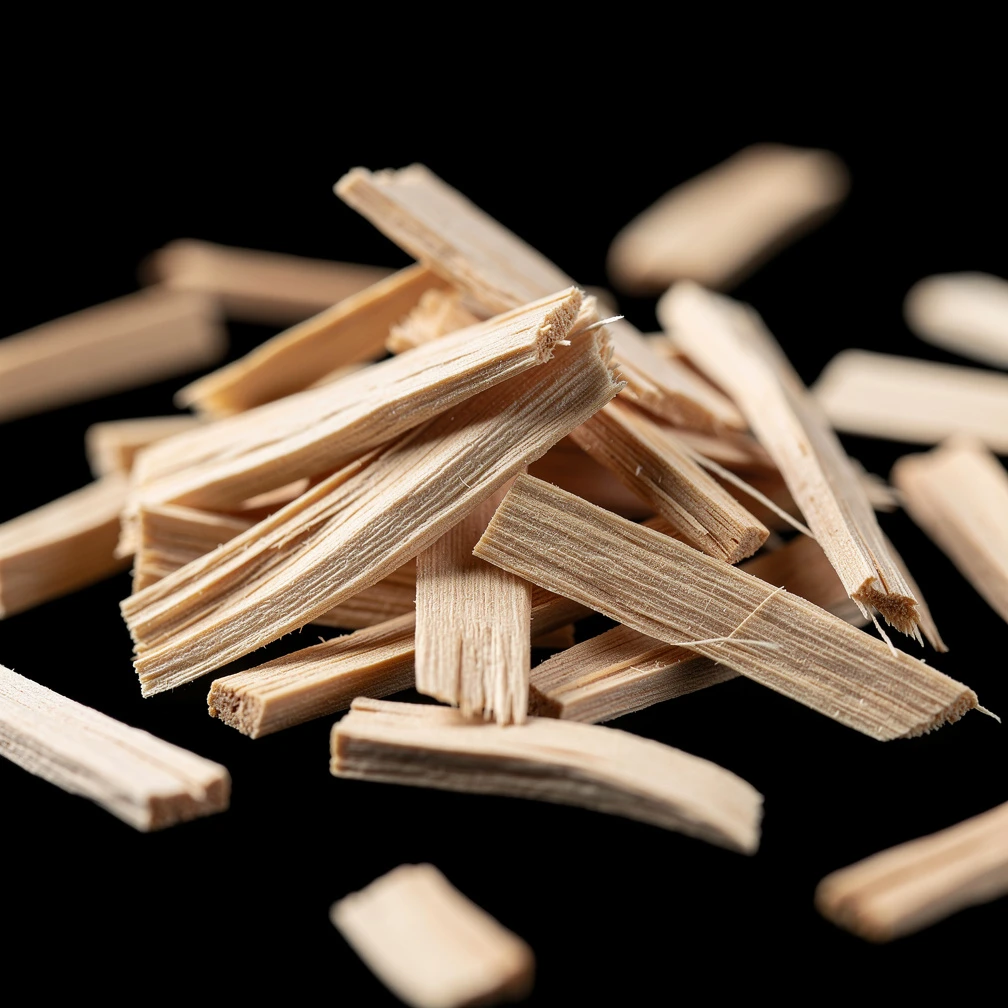
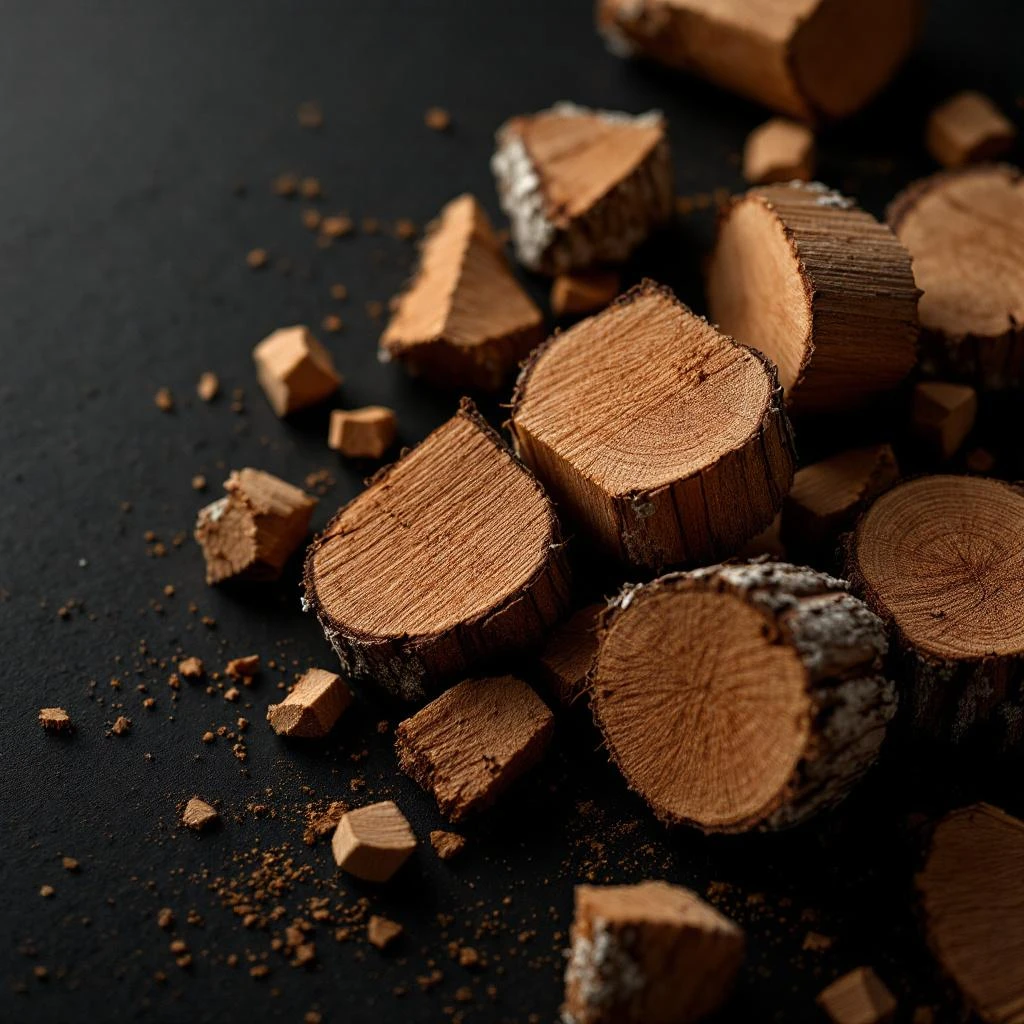
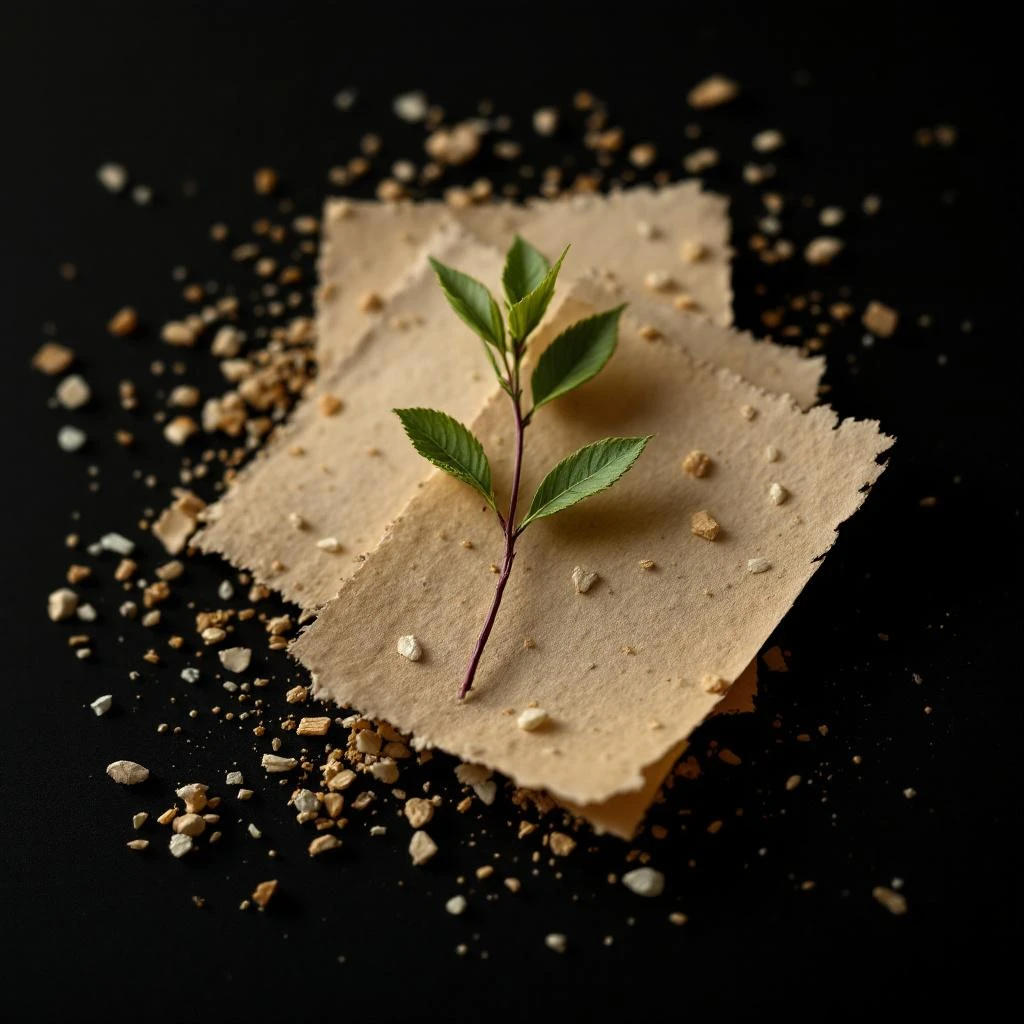
Tree-derived fragrance materials are commonly steam distilled, capturing aromatic compounds released from wood and bark.

Origin
France
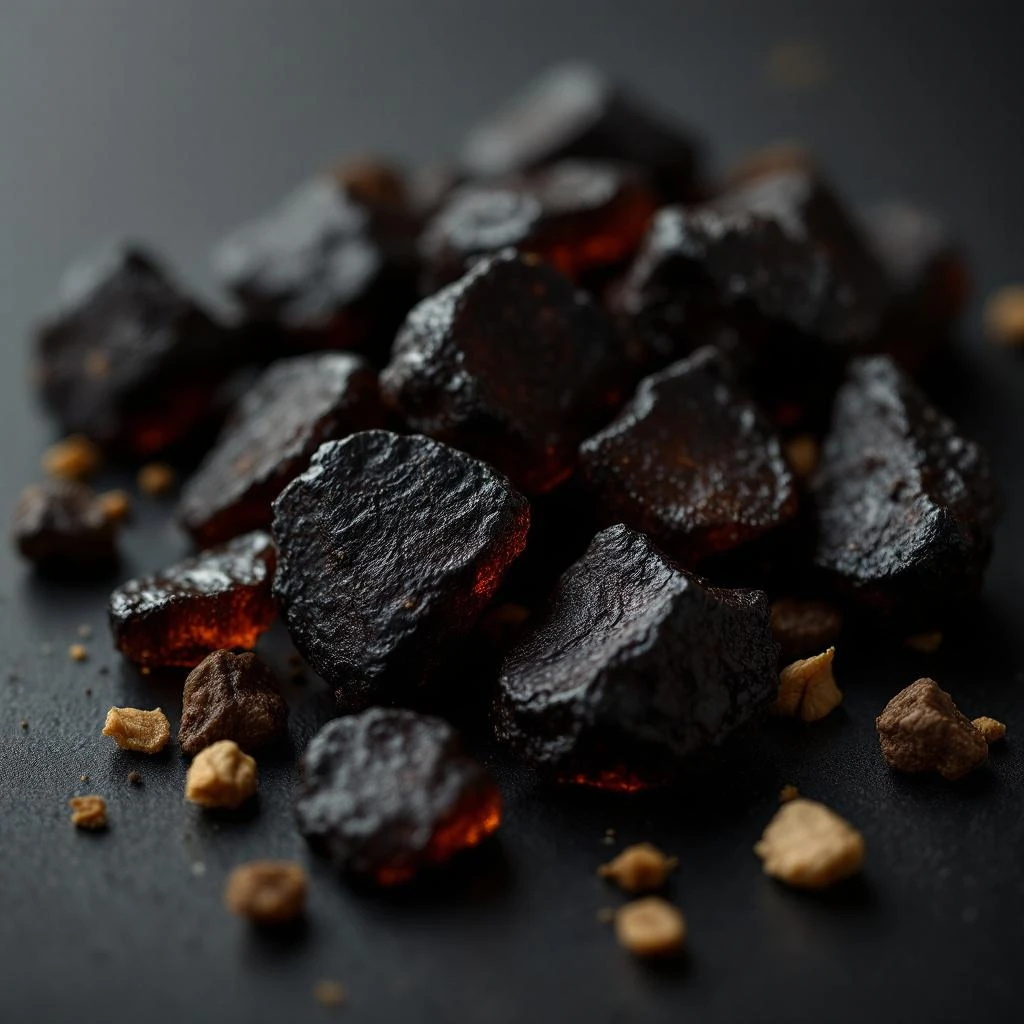
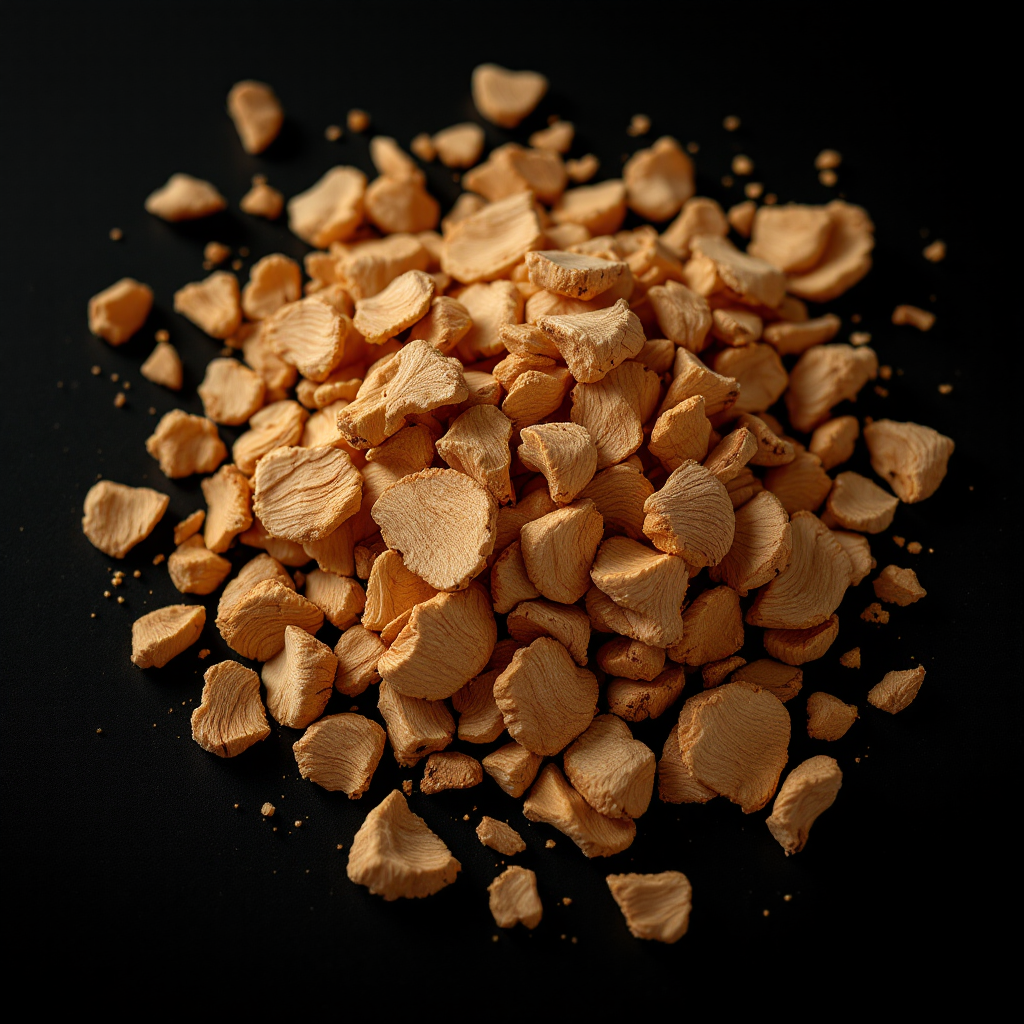
Wood has contributed to fragrance for centuries because aromatic compounds can be recovered from bark, roots, and timber. Ancient perfume traditions developed around fragrant plant materials, including woods and resins, long before modern laboratory analysis made their chemistry clear. From the nineteenth century onward, commercial synthesis expanded the perfumer's palette and allowed compositions to reproduce fruit and wood impressions with greater consistency.
Fruit Tree Woods reflects that meeting of natural extraction and modern formulation. Its character draws on the long history of woody perfumery while using fruit materials to introduce brightness, softness, and a contemporary sense of contrast. Fruit Tree Woods works well as a scent concept for discovering the relationship between raw materials: orchard fruit offers a vivid aromatic opening, while wood contributes a measured, polished foundation.
The note is best understood as a deliberate pairing, not a claim that one named plant produces both effects.
Wears it best
Fragrances featuring Fruit Tree Woods
Brands
Brands known for Fruit Tree Woods
Good to know
Questions, answered
The essentials on Fruit Tree Woods in perfumery: how it smells, where it comes from, and how it behaves on skin.
What does Fruit Tree Woods smell like?
Fruit Tree Woods combines juicy fruit with dry, polished wood. A typical interpretation features citrus or orchard-fruit brightness over a warm timber base, with the fruit providing softness and the wood adding structure.
Is Fruit Tree Woods a natural ingredient?
Fruit Tree Woods is usually a fragrance composition or accord, not one standardized botanical material. It may include natural fruit oils and wood-derived extracts, alongside aroma compounds made through perfumery synthesis.
How are woody fragrance materials extracted?
Woody materials are commonly steam distilled, which carries volatile aromatic compounds from the wood into a separate essential oil. The method can yield a dry, resinous, or gently smoky character depending on the species.
What makes fruit notes work with wood in perfumery?
Fruit contributes bright, rounded top notes, while wood supplies drier, deeper facets. Together they create contrast: fruit keeps the composition lively, and wood gives it balance and a firmer base.
Does Fruit Tree Woods mean the fruit grew on a tree?
Not necessarily. The name describes an olfactory idea pairing fruit and woods. Citrus peels come from trees, but many fruits in perfumery are herbs, berries, or other plants with different growth habits.
Is Fruit Tree Woods suitable for all seasons?
Its balanced structure makes it versatile, with lighter fruit accords appealing in warm weather and richer wood interpretations working well in cooler seasons. Personal preference and concentration also shape how it wears.
Can Fruit Tree Woods be recreated with essential oils?
A close natural approximation can combine citrus or fruit oils with sandalwood, cedar, vetiver, or related woody materials. It is an expressive DIY accord, because fragrance compounds often provide greater stability and projection.
Where did wood-based perfumery begin?
Wood-based fragrance practice belongs to a much older history of plant-based perfumery documented in ancient cultures. Modern perfumery later gained new tools when synthetic aroma compounds became commercially available in the nineteenth century.