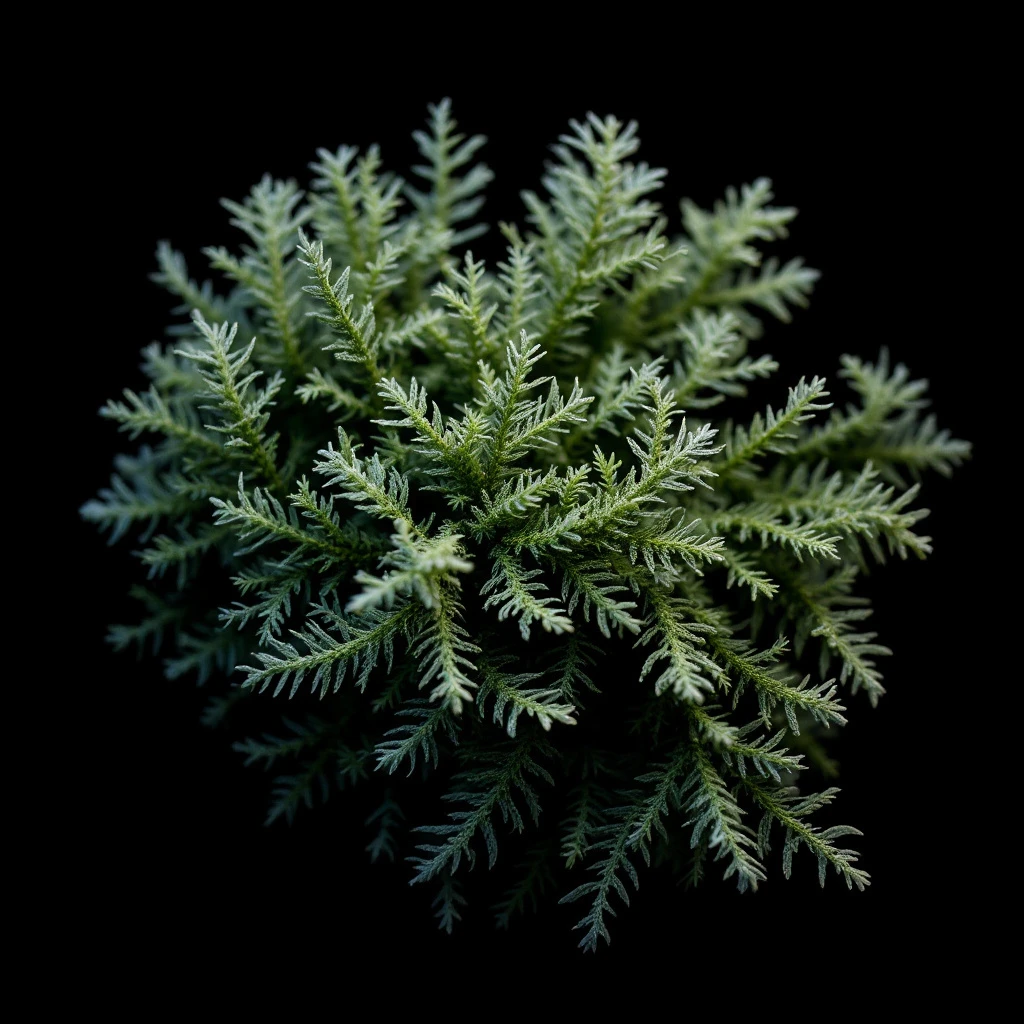
Forest Lichen
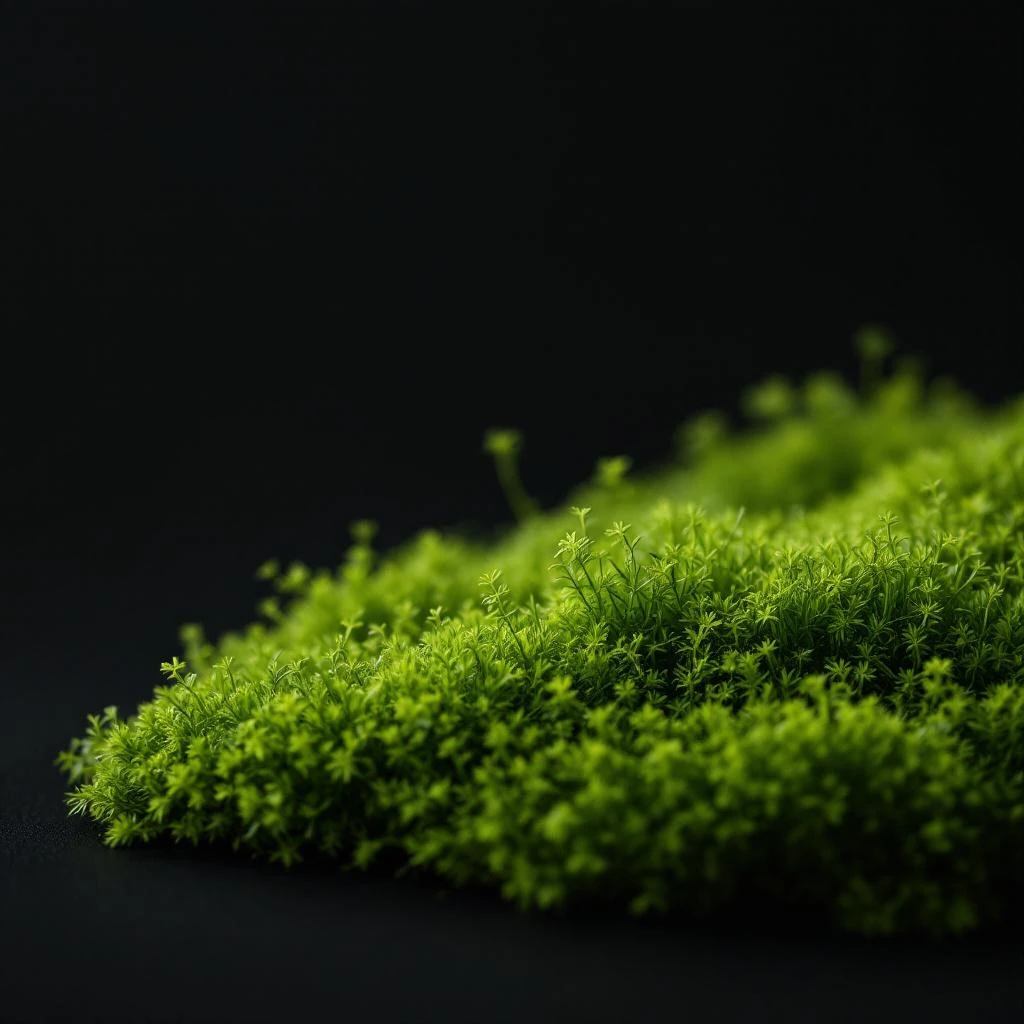
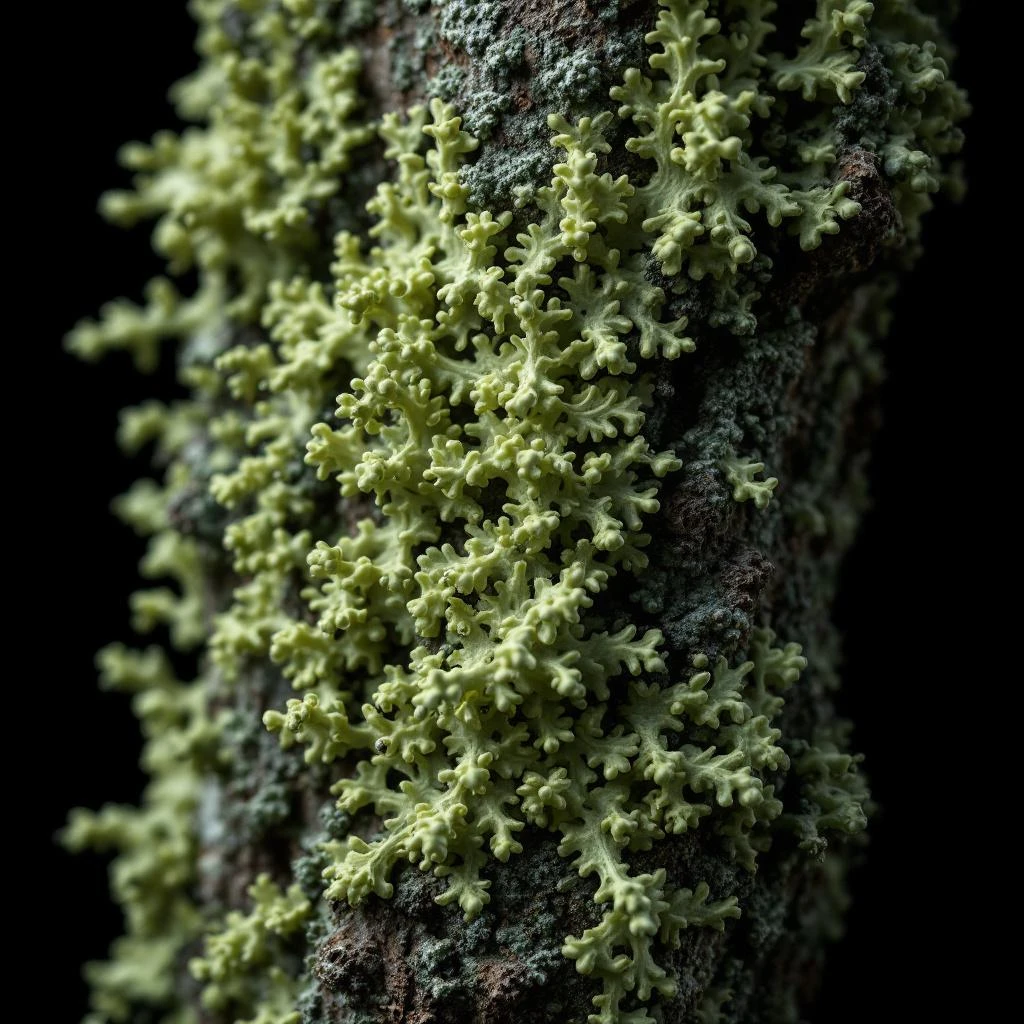
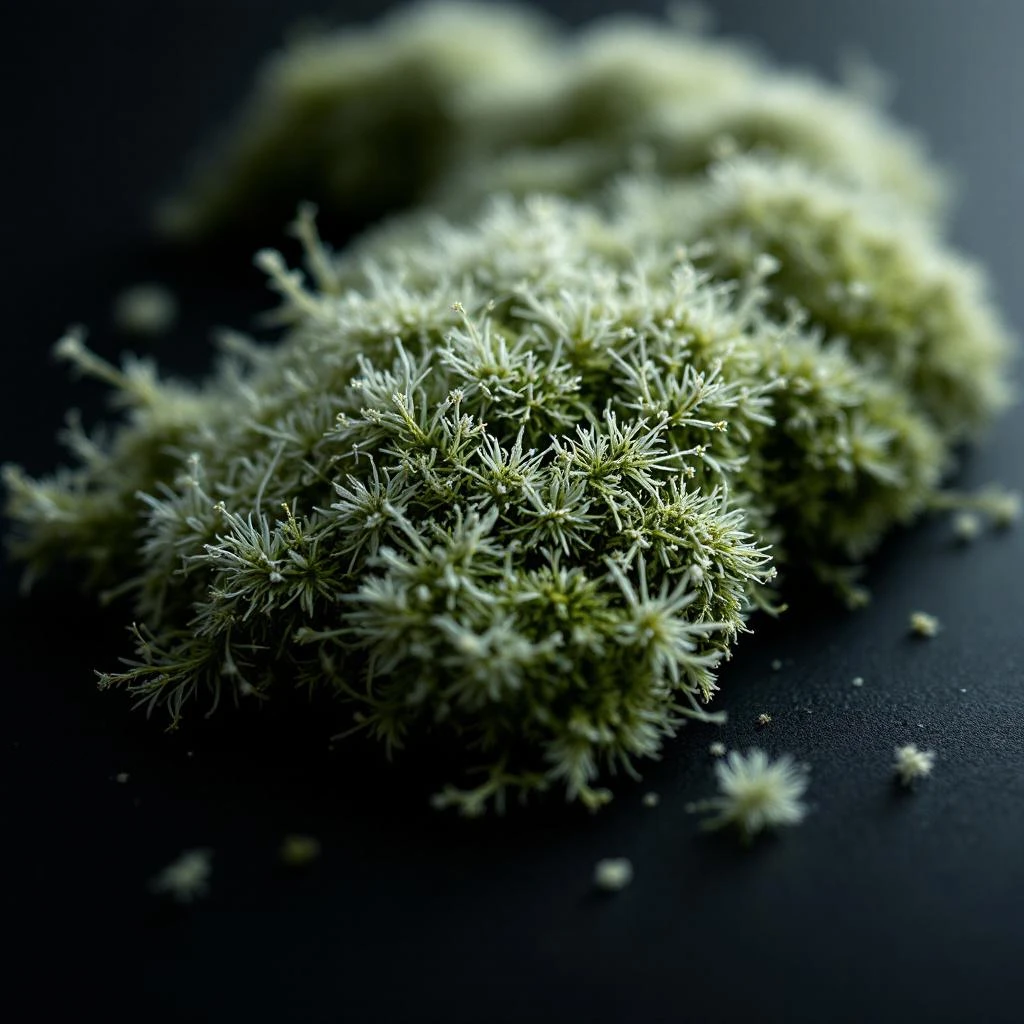
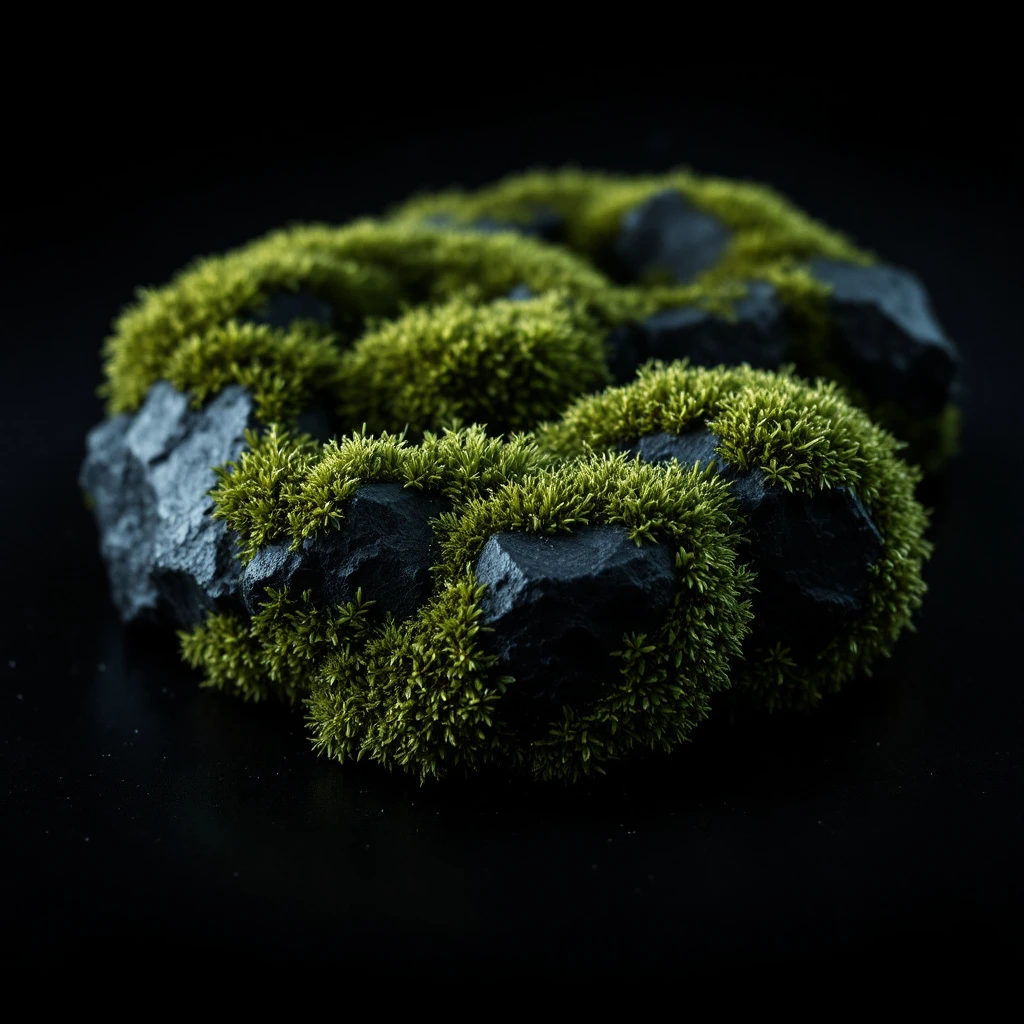
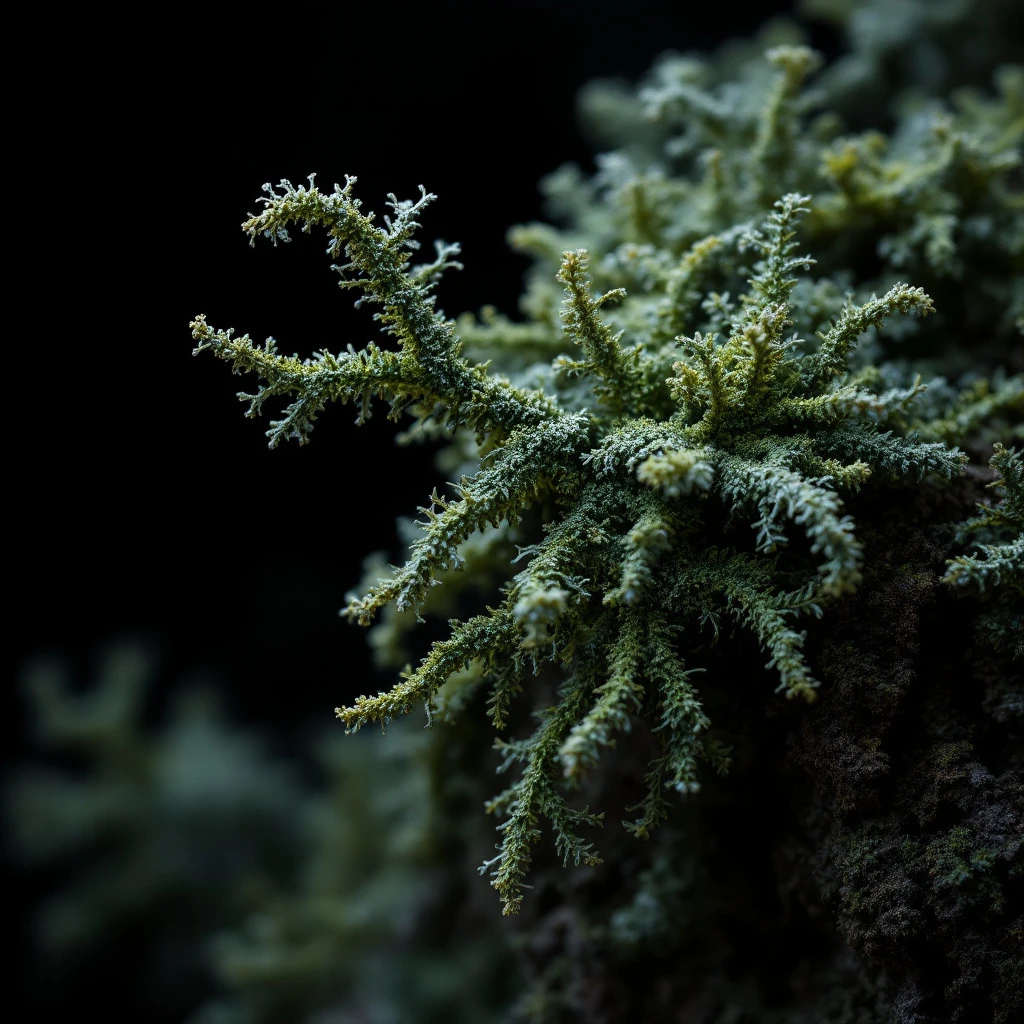
Forest Lichen captures the quiet depth of old-growth woodland—cool, damp bark, mineral-rich soil, and the slow patience of a forest floor that hasn't seen direct sunlight in decades. This is earth memory, preserved in a bottle.
Character
How it smells
Where ancient trees meet patient earth.
In 1997, nearly 1,900 tons of this lichen entered the fragrance industry under the trade name "cedarmoss."
Pairs beautifully with




Origin
France
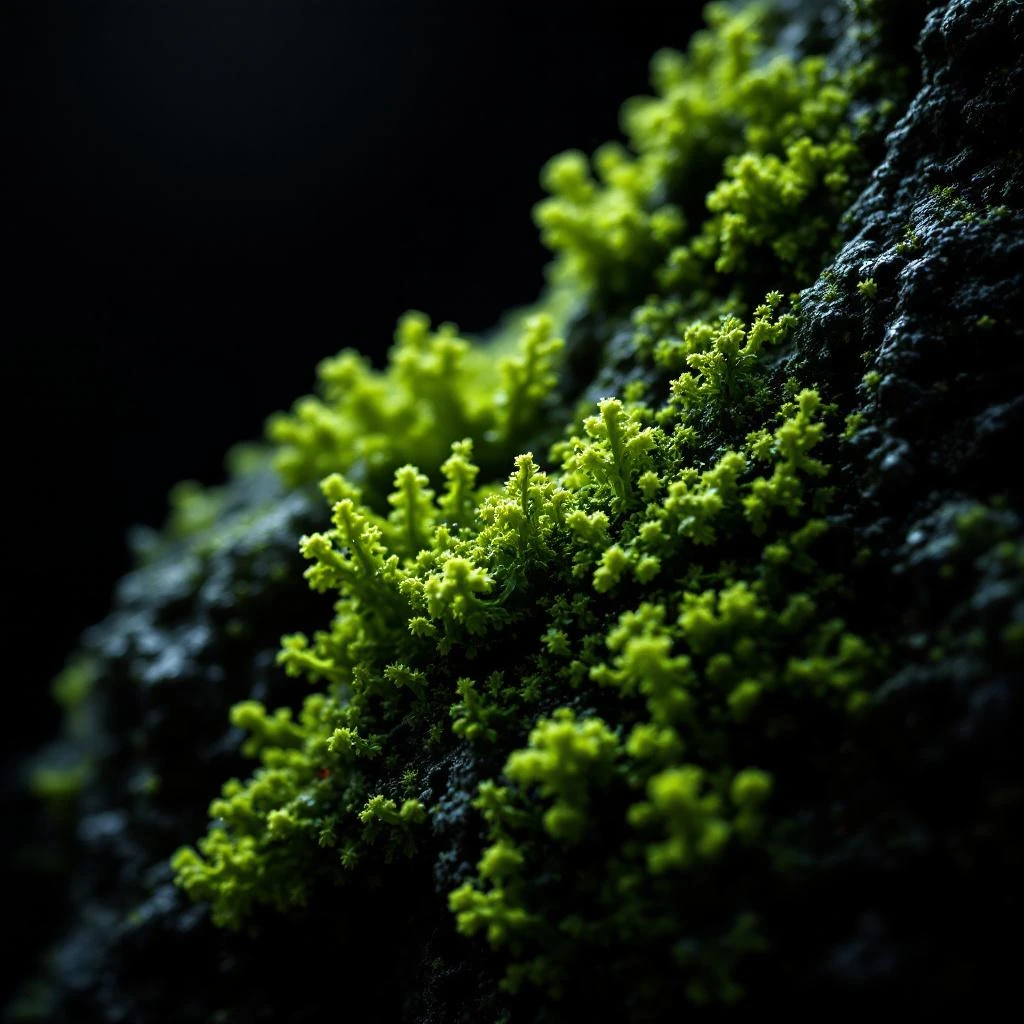
The perfume industry adopted oakmoss extracts nearly two centuries ago, recognizing their dual function as both a distinctive note and a fixative. Lichens grow slowly on forest surfaces—sometimes only millimeters per year—making wild harvesting a practice requiring both patience and restraint. Before standardized nomenclature, the fragrance trade knew this ingredient as "cedarmoss," a name that reflected its forest origins rather than botanical identity.
Ancient peoples used lichens differently: smoke rituals, medicinal applications, and folk traditions across northern Europe all drew from the same forest environments that modern perfumery now sources. The transition from traditional use to industrial application accelerated during the 19th century as organic chemistry began complementing natural ingredients rather than replacing them.
Wears it best
Fragrances featuring Forest Lichen
Brands
Brands known for Forest Lichen
Good to know
Questions, answered
The essentials on Forest Lichen in perfumery: how it smells, where it comes from, and how it behaves on skin.
What does forest lichen smell like in perfume?
Forest lichen delivers an earthy, slightly camphoraceous aroma with damp bark and mineral undertones. It reads as the scent of forest floors after rain—cool, green, and deeply grounded.
Is forest lichen used as a fixative in perfumery?
Yes. Lichen extracts have served as fixatives in perfumery for nearly two centuries. They slow the evaporation of lighter top notes, extending a fragrance's longevity on skin.
How long has forest lichen been used in perfumery?
The fragrance industry has incorporated oakmoss extracts for nearly 200 years. Trade records from 1997 show 1,900 tons of this lichen entering commercial supply chains under the "cedarmoss" appellation.
Is forest lichen a natural ingredient?
Forest lichen absolute comes from wild-harvested lichen thalli, primarily oakmoss (Evernia prunastri), extracted using organic solvents. No synthetic replacement fully replicates its complex aromatic profile.
What part of the lichen is used in perfumery?
The entire fruticose thallus—the branching, leafless body of the lichen—gets harvested from tree bark and processed. This structure contains the aromatic compounds concentrated during years of slow growth.
Why does forest lichen face regulatory attention?
Regulatory bodies monitor atranorin and chloroatranorin content in lichen extracts due to allergen considerations. IFRA standards have shaped how perfumers incorporate these materials into modern formulations.
What forests produce the best lichen for perfumery?
Old-growth forests in Europe—particularly France and Central Europe—yield lichen with the most developed aromatic compounds. The age and health of the forest directly influence the extract's quality.
Can forest lichen be synthetically replicated?
No complete synthetic analog exists. While individual aromatic molecules have been identified, the synergistic complexity of the natural extract remains difficult to reproduce artificially.