Emotion Rose
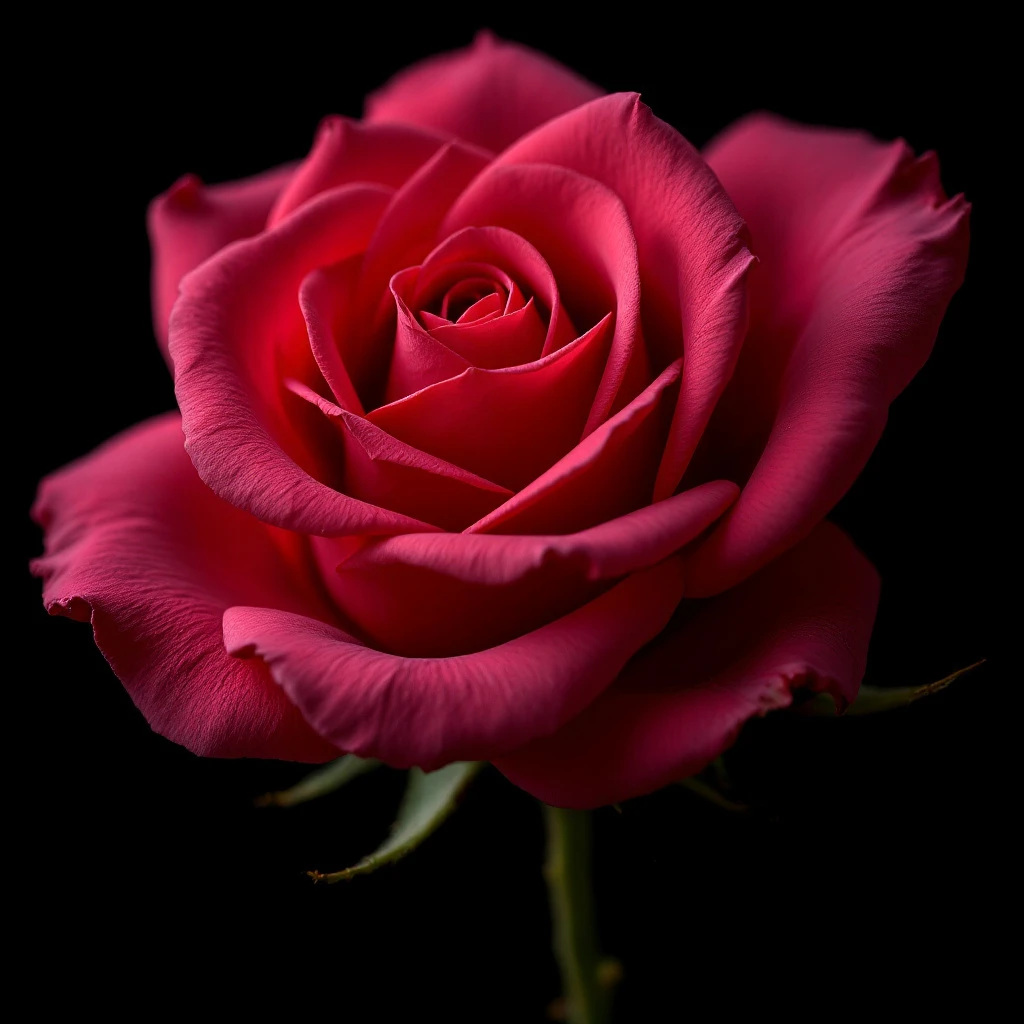
Emotion Rose captures the queen of florals in its most potent form. Each petal carries centuries of cultural reverence and olfactory complexity that defines luxury perfumery.
Character
How it smells
The queen of florals, distilled to its emotional core.
It takes roughly 3.5 tonnes of rose petals to produce just 1 kg of rose otto, making it one of the most labor-intensive natural extracts in perfumery.
Pairs beautifully with

Origin
Bulgaria
Rose fragrance has documented roots in antiquity. Ancient Egyptians used rose essence in cosmetics and funerary rituals, while Greeks associated the flower with Aphrodite, goddess of love. Persians developed early distillation techniques and incorporated rose water into religious ceremonies and medicine. The Ottoman Empire later refined cultivation practices, particularly in the region now known as Bulgaria.
The Kazanlak Valley emerged as the global center of rose production during the 17th century. Local distillers discovered that Damask roses grown in this specific microclimate produced exceptional aromatic oil with distinctive character. The valley now produces 70 to 85 percent of the world's rose otto annually. Rose cultivation shaped regional identity and economy for centuries, with annual harvest festivals celebrating the flower's cultural significance.
Modern perfumery continues to rely on this same Damask rose variety, though cultivation has expanded to Morocco, Turkey, and India. Despite synthetic alternatives, natural rose oil remains essential for high-quality fragrances. The ingredient bridges ancient tradition and contemporary luxury, carrying millennia of human appreciation for its scent.
Wears it best
Fragrances featuring Emotion Rose
Brands
Brands known for Emotion Rose
Good to know
Questions, answered
The essentials on Emotion Rose in perfumery: how it smells, where it comes from, and how it behaves on skin.
What extraction methods produce Emotion Rose?
Two methods dominate rose extraction. Steam distillation yields rose otto with a clean, floral profile. Solvent extraction produces rose absolute with richer, spicier facets. Both capture the queen of florals but express different aromatic dimensions.
Why is rose otto so expensive?
Rose otto commands premium pricing because production requires enormous quantities of raw material. Distillers need roughly 3.5 tonnes of hand-picked petals to yield just 1 kg of rose otto, reflecting the labor-intensive harvest and delicate processing.
What gives rose its characteristic scent profile?
Rose contains over 300 identified aromatic compounds. The primary scent molecules include citronellol, nerol, and geraniol. These create the signature floralcy with honey and citrus facets that define quality rose material.
When do rose petals reach peak aromatic quality?
Roses must be harvested before dawn during the brief May-June season. Flower petals contain maximum aromatic compounds in early morning hours, and processors must extract them within the same day to preserve fragrance quality.
What is the difference between rose otto and rose absolute?
Rose otto offers crystalline, delicate floralcy through steam distillation. Rose absolute delivers deeper, more complex notes including honey and spice through solvent extraction. Perfumers select based on desired fragrance depth.
Which rose varieties form the basis of commercial rose oil?
Damask rose dominates commercial production, originating from ancient Turkey and the Middle East. Rosa gallica and Rosa centifolia provide secondary sources, each contributing distinct aromatic characteristics to the final material.
Does rose oil have therapeutic applications beyond perfumery?
Rose oil appears in aromatherapy for potential anxiolytic effects. Research documents anti-inflammatory and antimicrobial properties in rose extracts, though concentrated material requires proper dilution before topical use.
Why does Bulgaria's Kazanlak Valley produce the world's finest rose oil?
The valley's specific altitude, climate, and soil composition create optimal growing conditions for Damask roses. This microclimate produces roses with exceptional aromatic density. The region supplies 70 to 85 percent of global rose otto output.




