Earthy Woods
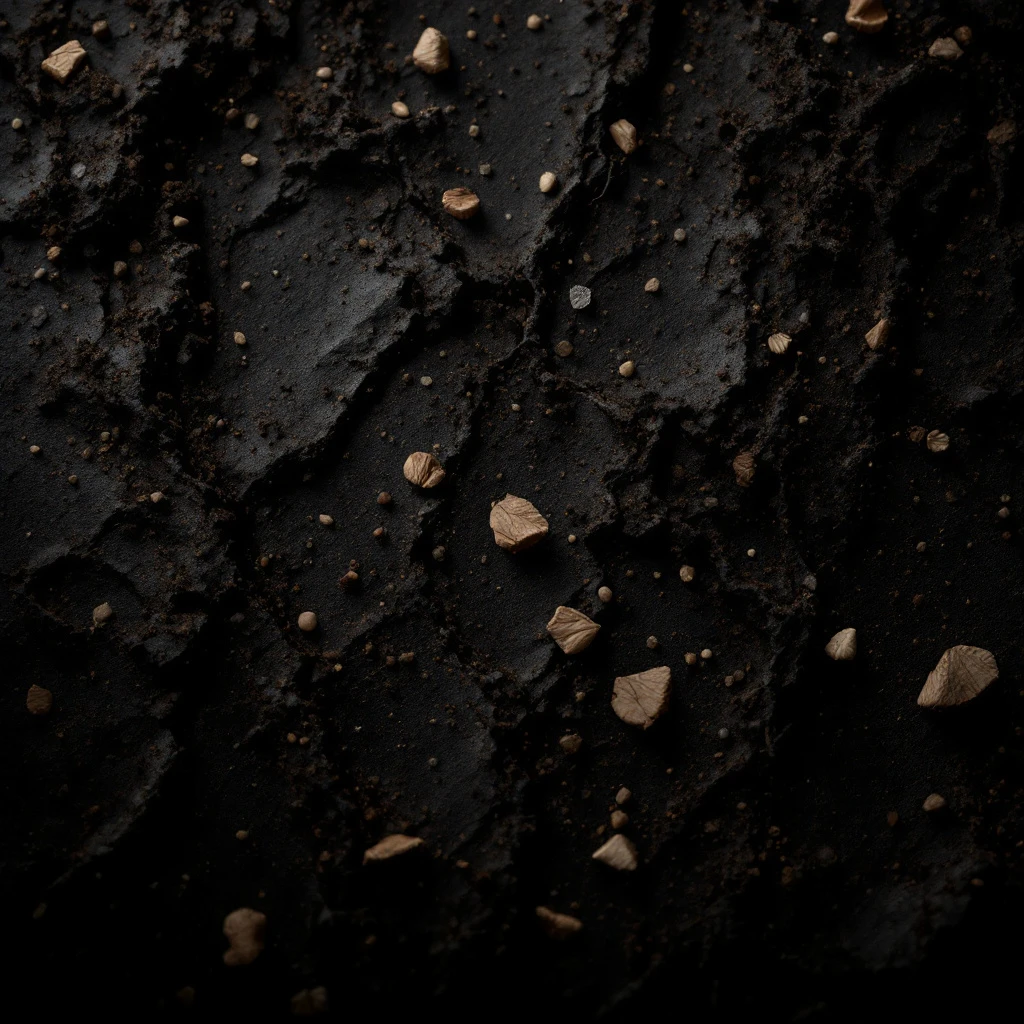
Earthy woods form the structural backbone of perfumery, grounding compositions with the deep, resinous warmth of roots, bark, and aged heartwood. These materials bridge green forests and ancient temples.
Character
How it smells
Rooted deep, built to last
Vetiver roots can grow over six feet deep into the soil, and the deepest layers yield the most complex, smoky aromatic oils prized by perfumers.
Pairs beautifully with

Origin
India
Earthy woods carry some of the oldest associations in perfumery. Sandalwood has been carved and burned across the Indian subcontinent for over four thousand years, referenced in Vedic rituals and Ayurvedic medicine as cooling, grounding, and sacred. Trade routes known as the Sandalwood Road carried Indian sandalwood to Egypt, China, and Rome, where it was burned as incense in temples and applied as a skin treatment.
Patchouli arrived in Europe through nineteenth century trade with India, when embroidered shawls imported from Kashmir carried its unmistakable scent. Vetiver has been woven into fragrant mats and stored in chests across South Asia for centuries, a tradition that kept linens fresh while perfuming entire rooms. Oakmoss was central to the chypre family developed in early twentieth century France, shaping classics from François Coty's landmark compositions.
Each of these materials carries a lineage tied to ritual, craft, and the slow commerce of aromatic raw materials across continents.
Wears it best
Fragrances featuring Earthy Woods

Brands
Brands known for Earthy Woods
Good to know
Questions, answered
The essentials on Earthy Woods in perfumery: how it smells, where it comes from, and how it behaves on skin.
Why are earthy woods considered base notes?
Earthy woods contain large, heavy molecules with low volatility. They evaporate slowly compared to citrus or floral top notes, anchoring a fragrance's structure and extending its longevity. This molecular weight is what gives them their signature depth and staying power.