Dried Meat
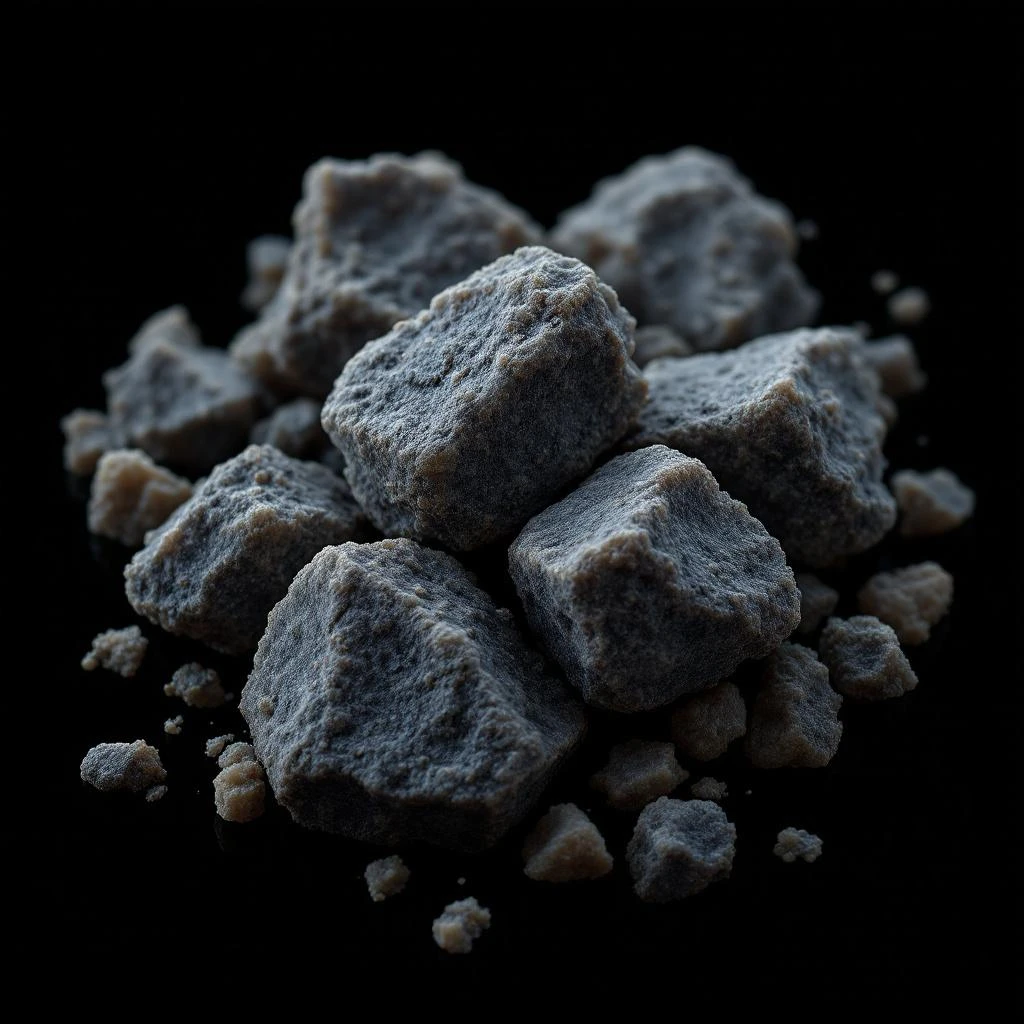
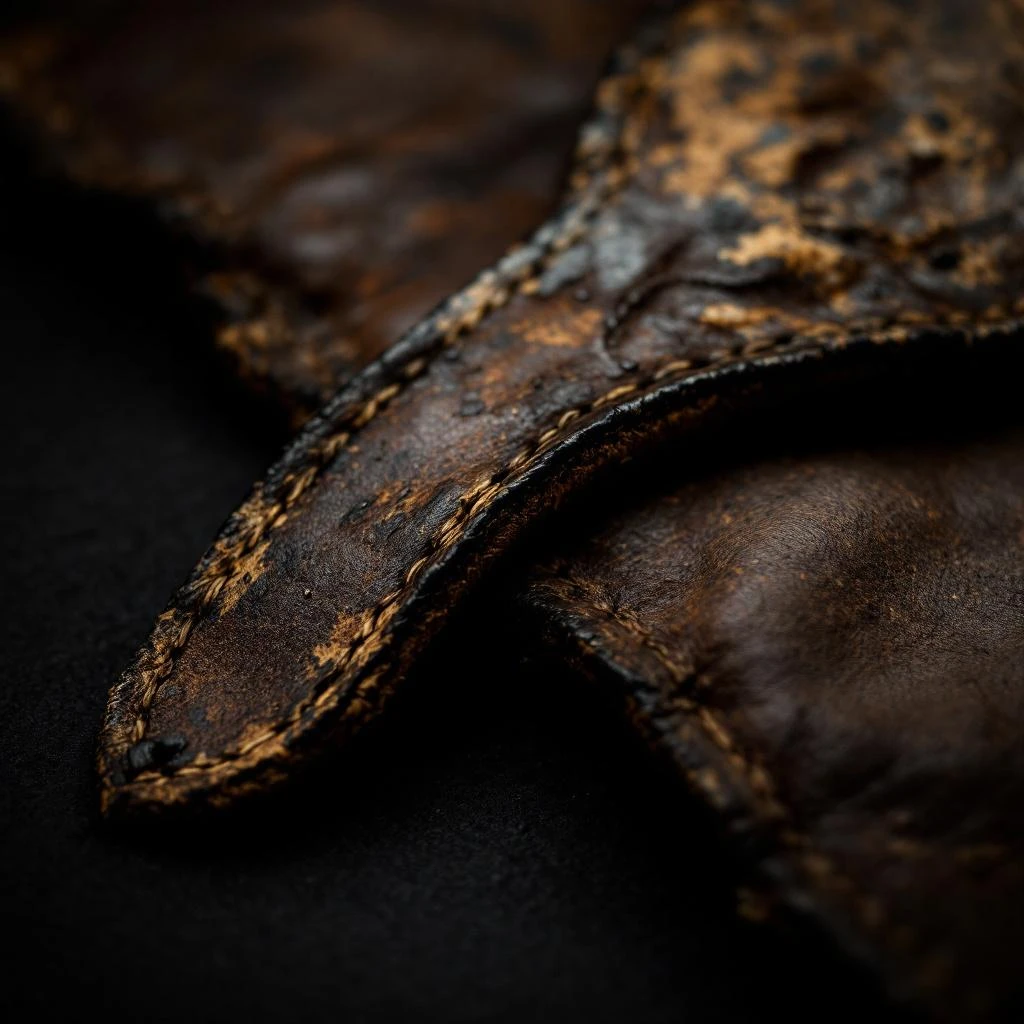
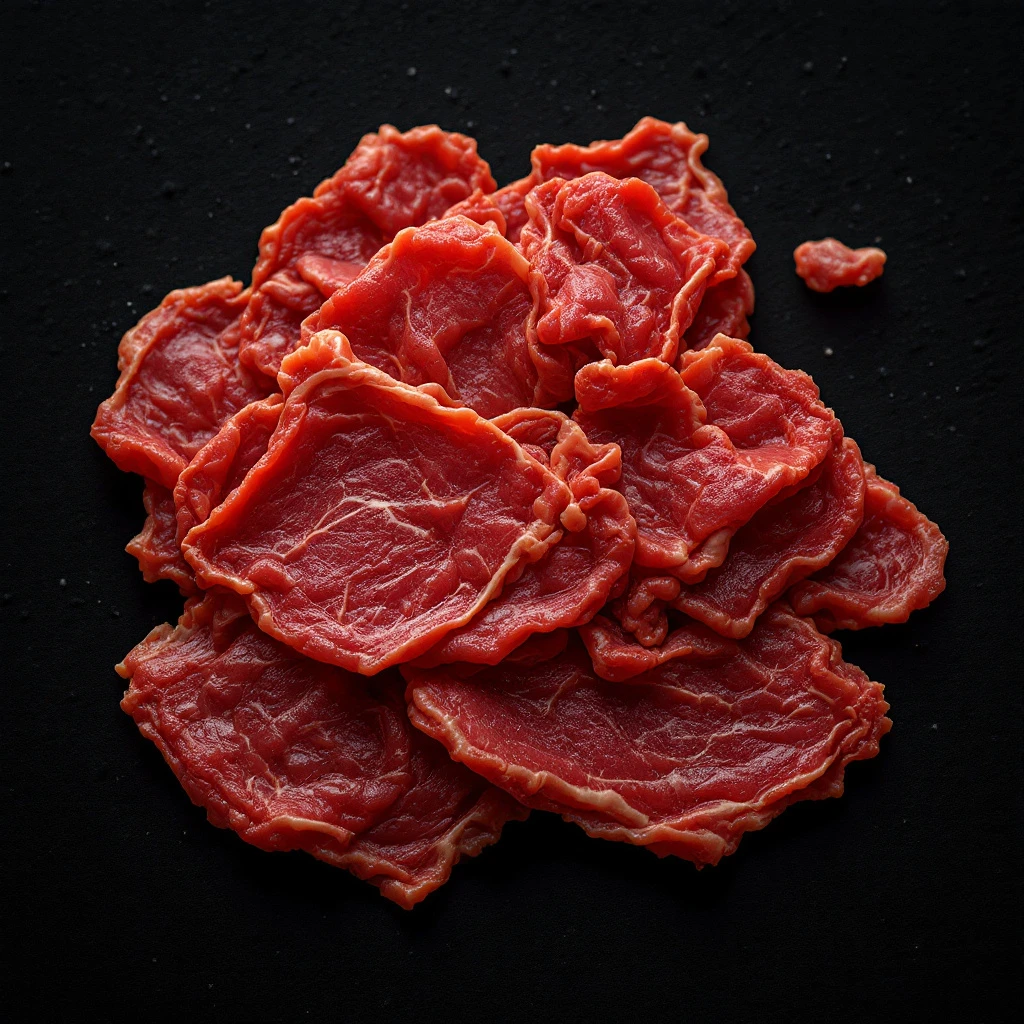
Dried meat brings a primal, savory depth to fragrance compositions. This ingredient captures the essence of aged, cured materials, adding raw animalic warmth that grounds more ephemeral top notes.
Character
How it smells
The primal depth of cured materiality in perfumery.
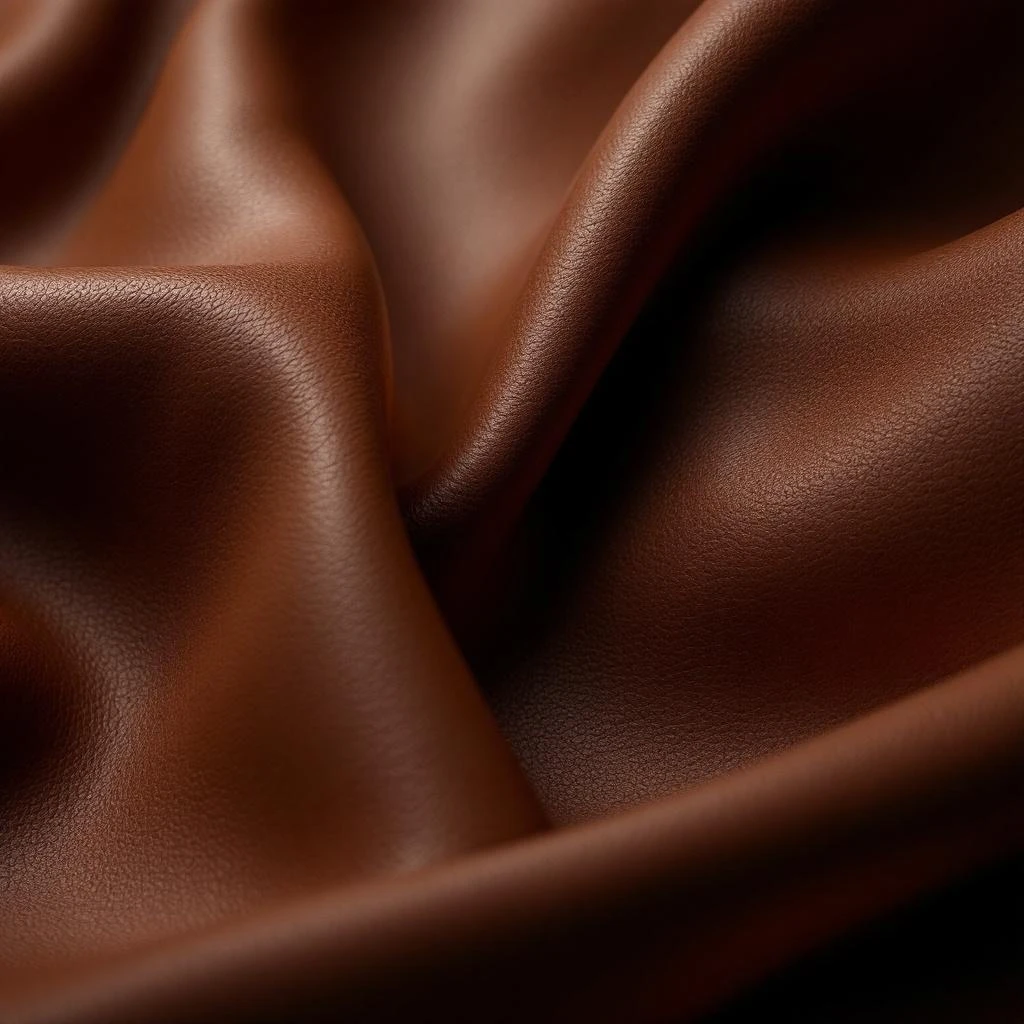
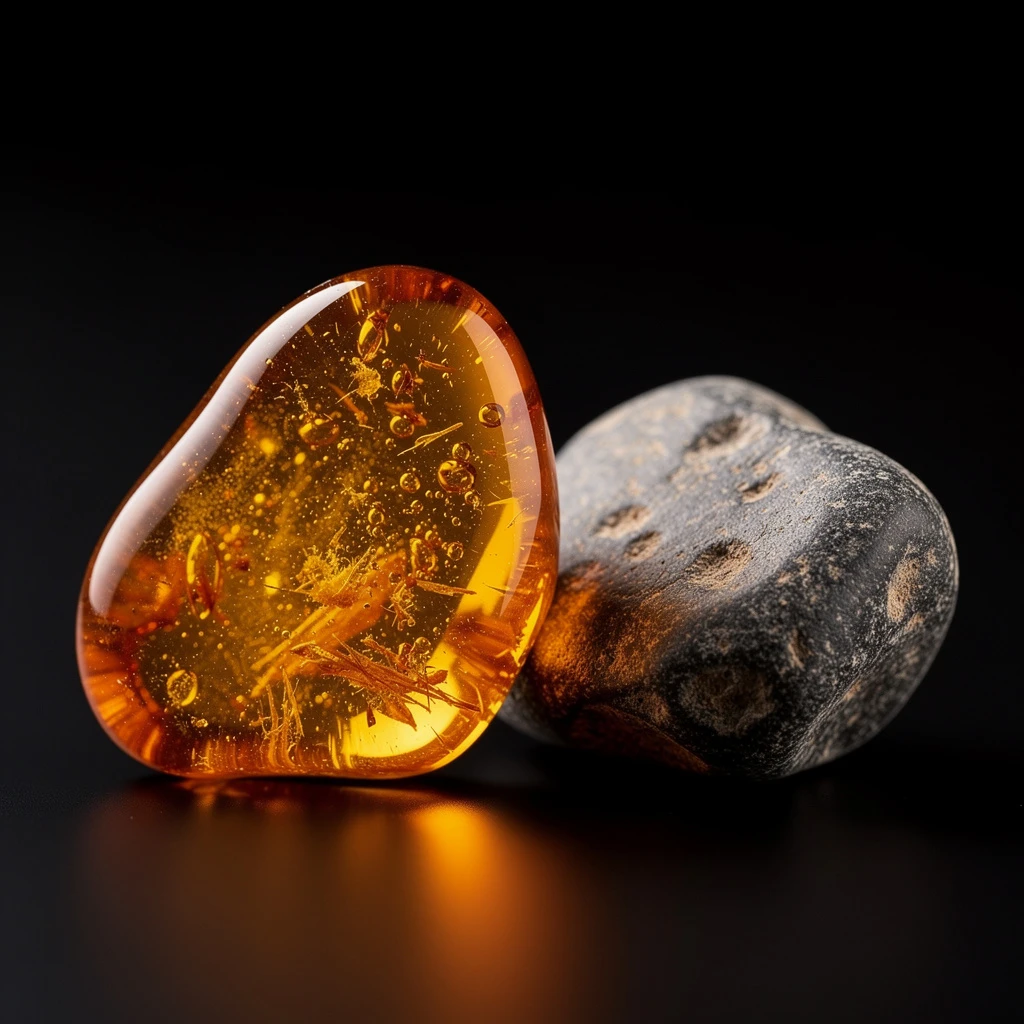
In perfumery, meaty notes often come from castoreum, hyraceum, or synthetic molecules that evoke leather and animal skin.



Origin
Ethiopia
Animalic ingredients have played a crucial role in perfumery since ancient civilizations first discovered that certain animal secretions possessed remarkable aromatic qualities. Ancient Egyptians used animal-derived materials in their sacred incense preparations, while medieval Arabian perfumers prized musk and civet for their longevity and depth.
The meaty, leather-like materials emerged as perfumers sought to create more complex, realistic fragrance experiences. During the Renaissance, European perfumers began systematically sourcing animalic materials from Africa and Asia, trading them along ancient spice routes.
These ingredients remained highly coveted luxury goods for centuries, reserved for the most exclusive compositions. Today, while synthetic alternatives exist, natural animalic materials continue to fascinate perfumers seeking authentic, primal character in their creations.
Wears it best
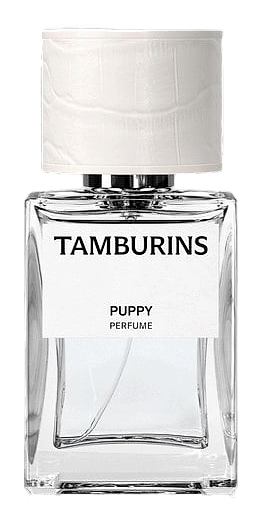
Fragrances featuring Dried Meat
Brands
Brands known for Dried Meat
Good to know
Questions, answered
The essentials on Dried Meat in perfumery: how it smells, where it comes from, and how it behaves on skin.
What does dried meat smell like in perfumery?
Dried meat notes in perfumery typically present as rich, animalic, and leather-like with savory undertones. They add primal warmth and depth to fragrance bases.
Is dried meat used as an actual ingredient in luxury fragrances?
Some niche perfumers use animalic ingredients with meaty characteristics, though many now rely on synthetic alternatives that replicate the effect without animal sourcing.
What fragrance families commonly feature meaty notes?
Animalic, leather, and chypre fragrances most frequently incorporate meaty notes. These ingredients also appear in certain oriental and woody compositions.
How long has animalic perfumery been practiced?
Animalic ingredients have been used since ancient Egyptian and Mesopotamian civilizations, over 4,000 years of continuous perfumery tradition.
Are dried meat notes natural or synthetic?
Both natural and synthetic options exist. Natural sources include hyraceum and certain leather-derived materials, while synthetic versions replicate the aromatic profile.
What concentration is typically used?
Due to their intensity, animalic materials are used sparingly, typically representing less than 5% of a fragrance composition as fixatives and base notes.
Can synthetic alternatives match natural animalic notes?
Modern synthetics like skatole, indole, and certain pyrazines can closely approximate meaty, animalic characteristics found in natural materials.
What role does drying play in these ingredients?
Controlled drying concentrates aromatic compounds and develops the complex, aged character that makes animalic materials valuable in perfumery compositions.