Dried Berries
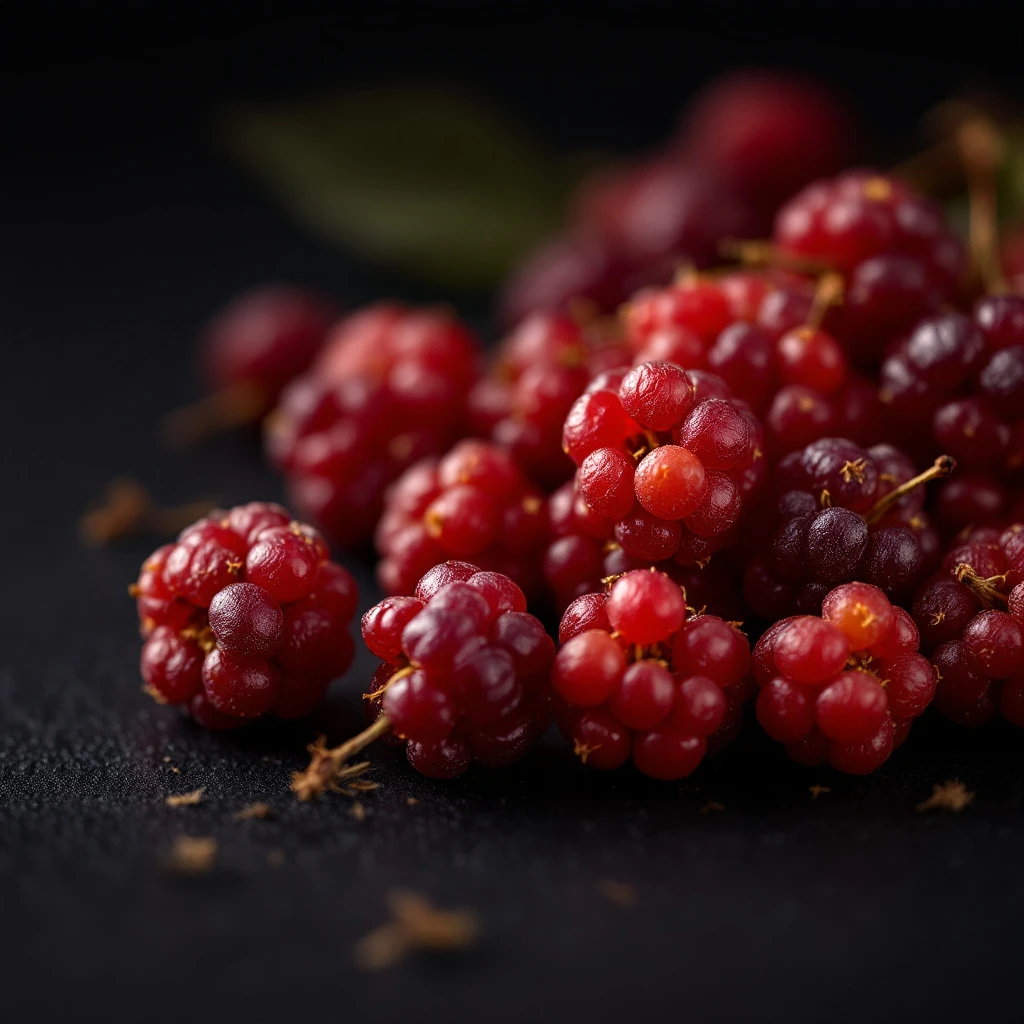
Dried berries bring a warm, sweet-tart character to perfumery, bridging gourmand accords with classical floral compositions. Their concentrated, jammy aroma adds depth and a subtle wine-like nuance.
Character
How it smells
Sun-warmed sweetness with a tart edge
A rose absolute aged with dried berry extracts can develop a vintage port-like quality, a transformation perfumers prize in oriental compositions.
Pairs beautifully with

Origin
France
Berries have appeared in fragrant preparations since antiquity, though their role in perfumery specifically took shape much later. Medieval apothecaries in Europe steeped dried elderberries and bilberries in wine and honey, producing aromatic waters valued for both scent and perceived medicinal virtues. The Renaissance saw dried currants and rosehips incorporated into potpourri blends across Italy and France, layered with rose petals and orris root.
By the 19th century, dried berry notes found their way into early commercial fragrances as sweetness modifiers. The development of synthetic aroma chemicals after William Perkin's 1868 coumarin synthesis opened new possibilities: ethyl maltol, discovered in the 1960s and widely adopted by the 1970s, revolutionized how perfumers approached berry accords, lending a cotton-candy warmth to compositions without relying on scarce natural materials.
The modern resurgence of dried berry notes arrived with the gourmand perfume movement of the 1990s, when compositions began overtly featuring edible-smelling ingredients. Dried cranberry and lingonberry accords now anchor seasonal and unisex releases, and rosehip continues to appear in natural perfumery for its warm, slightly wine-like undertone.
Wears it best
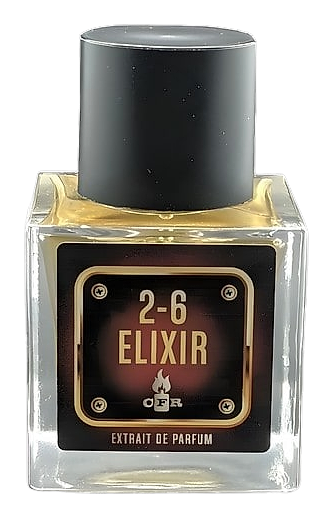
Fragrances featuring Dried Berries
Brands
Brands known for Dried Berries
Good to know
Questions, answered
The essentials on Dried Berries in perfumery: how it smells, where it comes from, and how it behaves on skin.
What does dried berries smell like in perfume?
Dried berries contribute a warm, jammy sweetness balanced by gentle tartness and a subtle wine-like depth. The aroma reads as concentrated fruit: less bright than fresh berries, more akin to fruit leather or preserves, with soft tannic undertones.
Are dried berries natural or synthetic in perfumery?
Both forms exist. Natural absolutes are produced via solvent extraction of berries like blackcurrant and rosehip, while synthetic accords built from molecules such as furaneol and ethyl maltol provide greater consistency and cost efficiency for large-scale production.
Which perfumes feature dried berry notes?
Dried berry accords appear frequently in gourmand and oriental compositions, particularly in niche and seasonal releases. They often blend with rose, vanilla, or amber to create compositions reminiscent of mulled wine or spiced preserves.
How long do dried berry notes last on skin?
Dried berry accords typically register as heart to base notes, lasting 4 to 8 hours depending on formulation. Their longevity stems from heavier molecules like maltols and lactones that slow evaporation and anchor lighter fruit esters.
Do dried berry notes smell different from fresh berry notes?
Yes, considerably. Fresh berries carry sharp, volatile top notes (citric and green nuances), while dried berries emphasize cooked, jam-like facets with deeper sweetness, reduced acidity, and subtle fermented or leathery undertones.
Are dried berries safe to apply to skin?
Diluted berry extracts and absolutes used in standard fragrance concentrations (typically under 20%) are considered safe for most skin types. Patch testing is advisable for those with fruit allergies, particularly sensitivities to rosehip or currant family plants.
What pairs well with dried berries in perfumery?
Dried berries blend harmoniously with vanilla, tonka bean, rose, sandalwood, and warm spices like cinnamon and clove. These pairings reinforce the sweet-warm character while adding textural contrast through woody and floral dimensions.
What is the difference between dried berries and jam-like accords?
Jam accords aim for sweet, cooked-fruit character, often purely synthetic. Dried berry notes retain more of the natural fruit's structure: perceptible tartness, soft tannins, and a drier, less syrupy quality than jam reconstructions typically provide.





